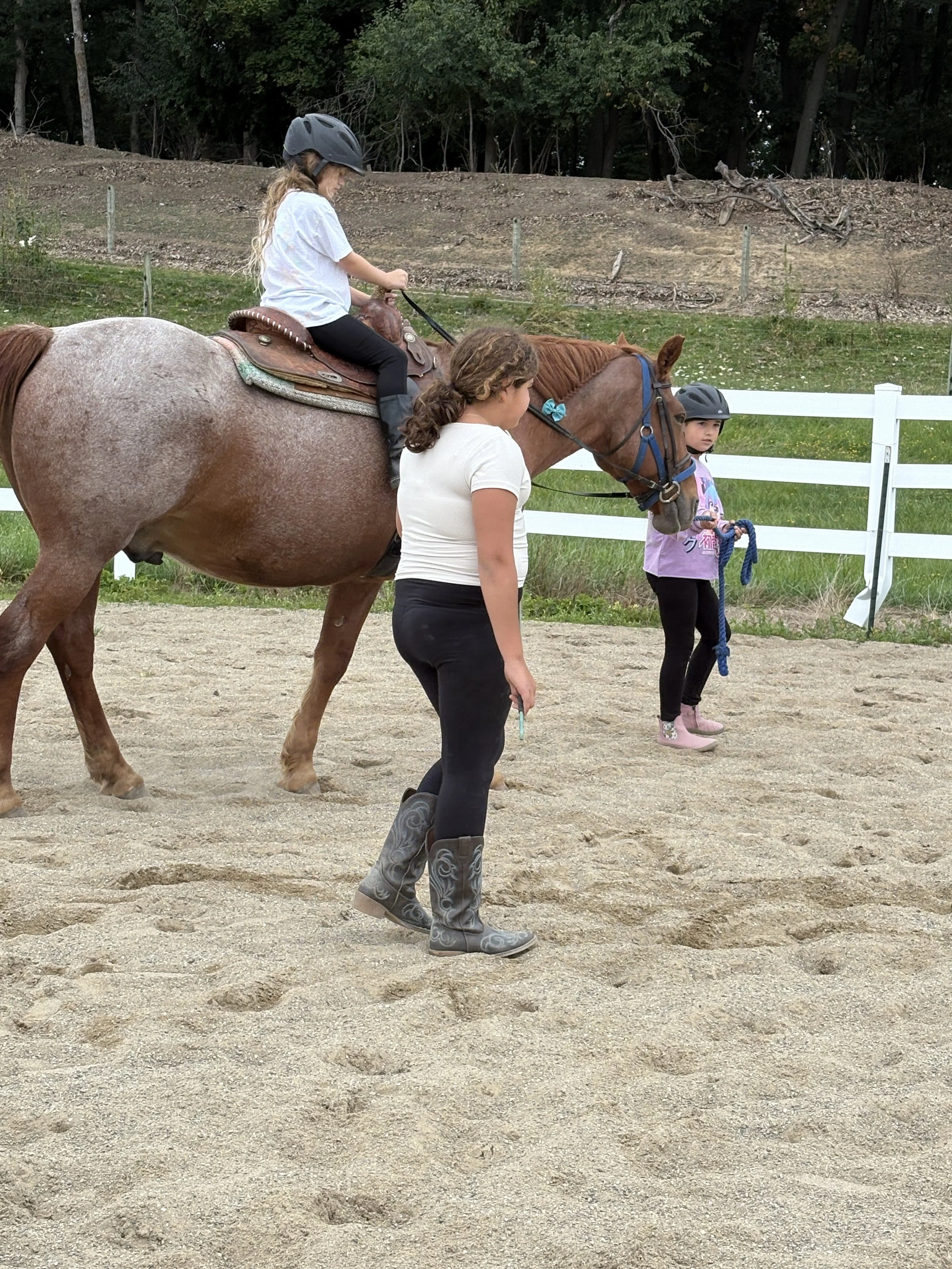
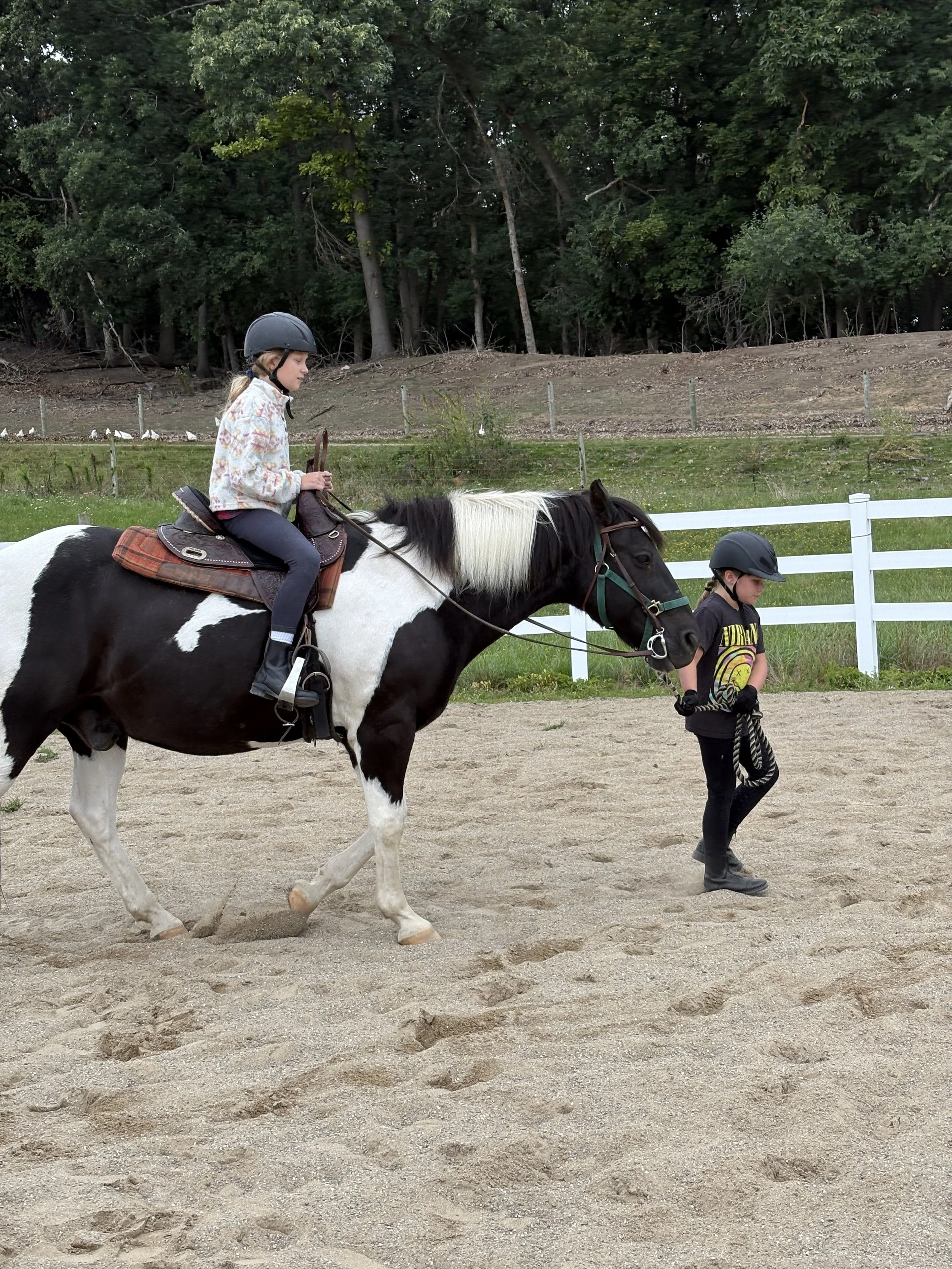
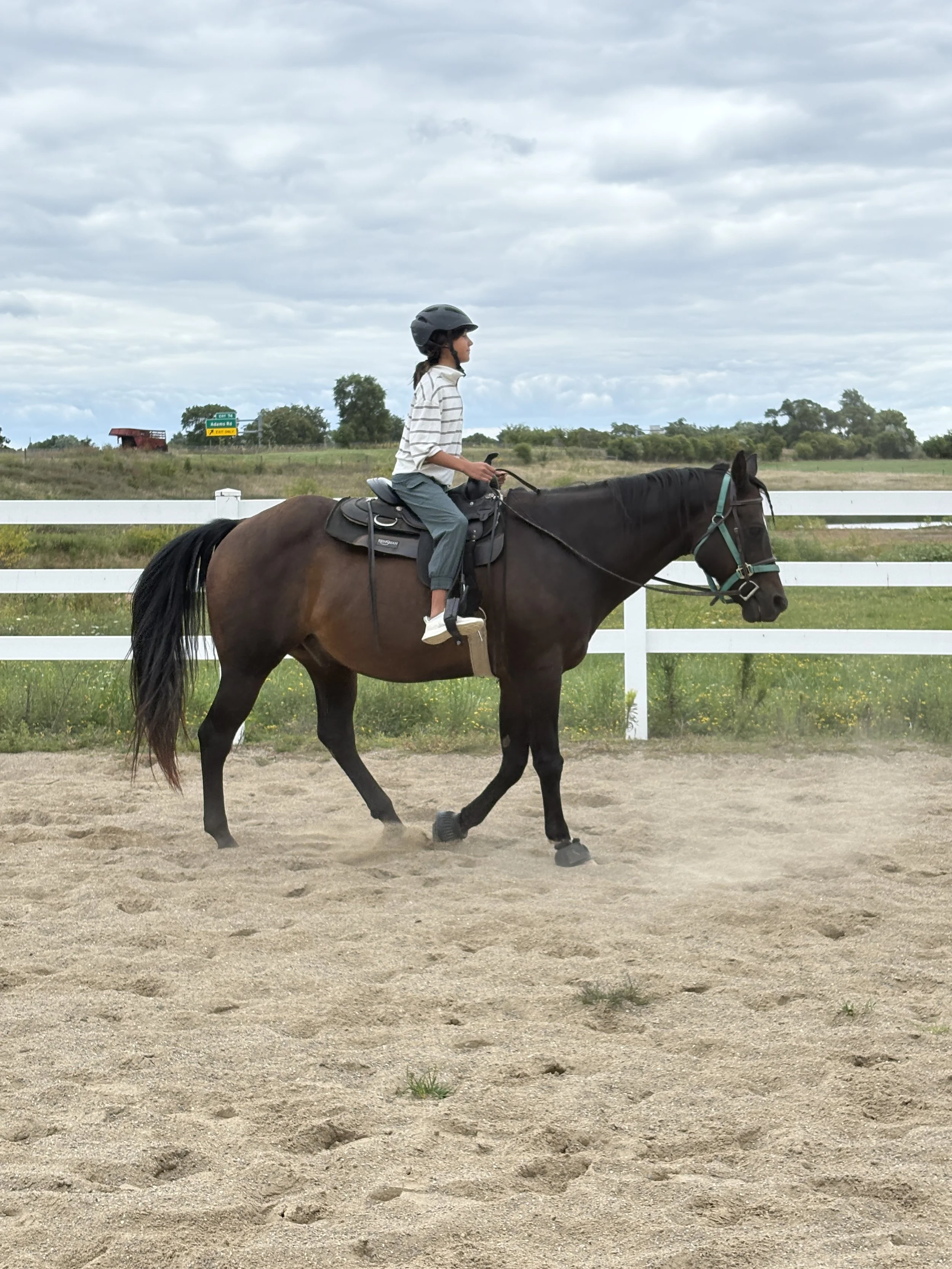
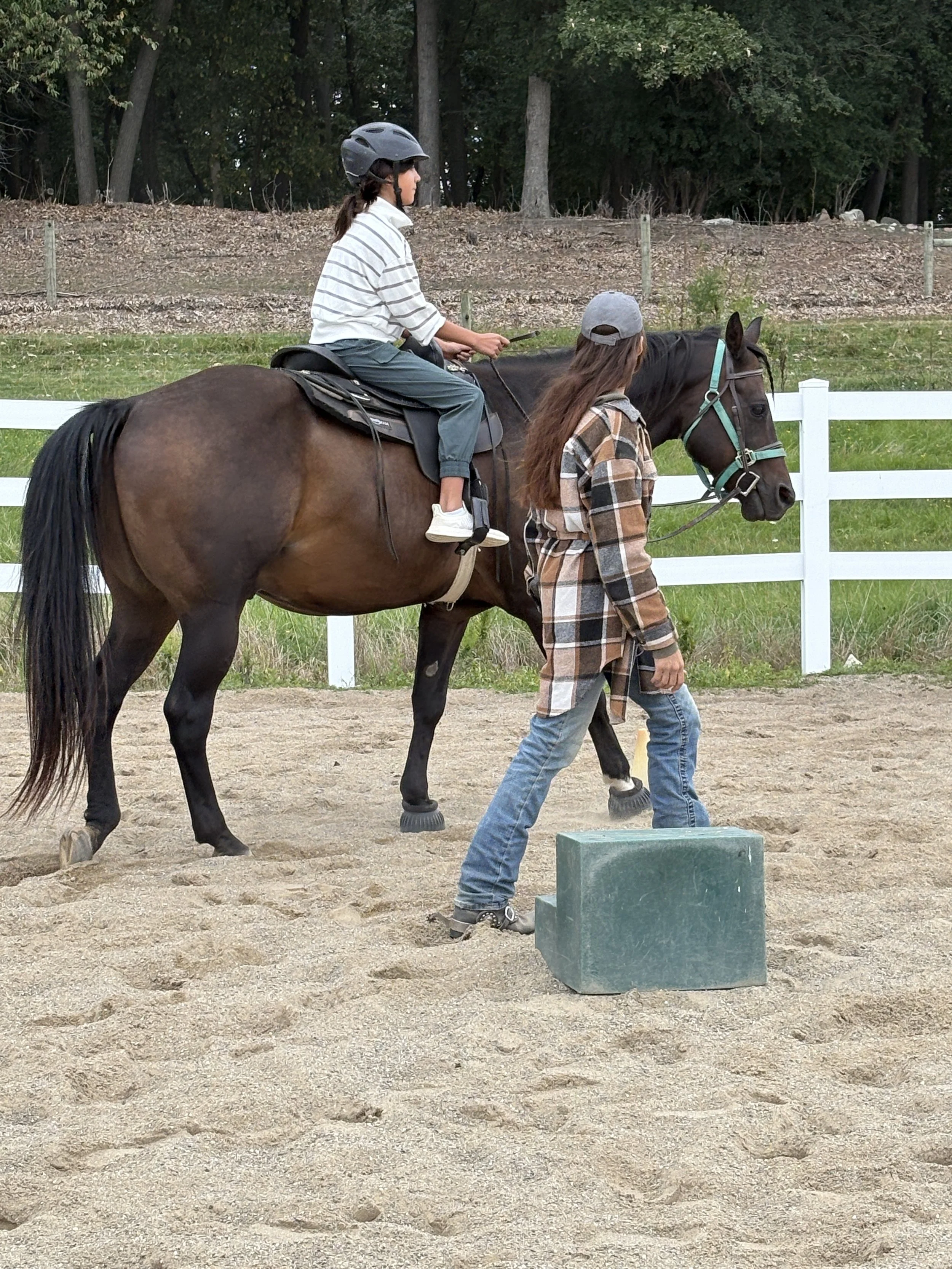
🍂 Fall Wrap-Up at the Riding School: Laughs, Learning, and Lots of Horse Hugs 🐴🍁
As the crisp fall air settles in and the horses start growing their fuzzy winter coats, we find ourselves reflecting on another wonderful season here at the riding school. It’s hard to believe how quickly the months have trotted by from those bright, hopeful days of March to the golden glow of November. And what a season it’s been!
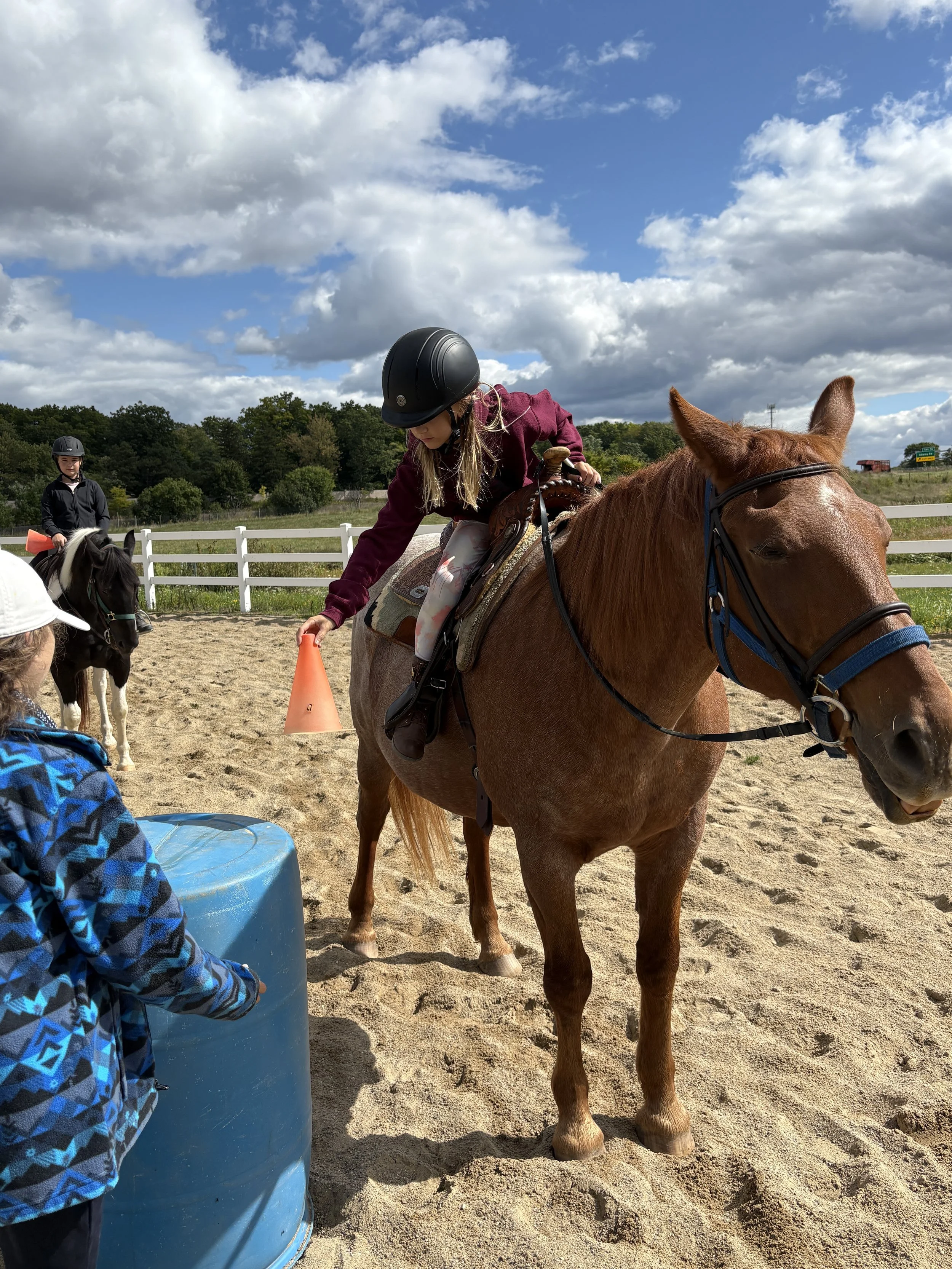
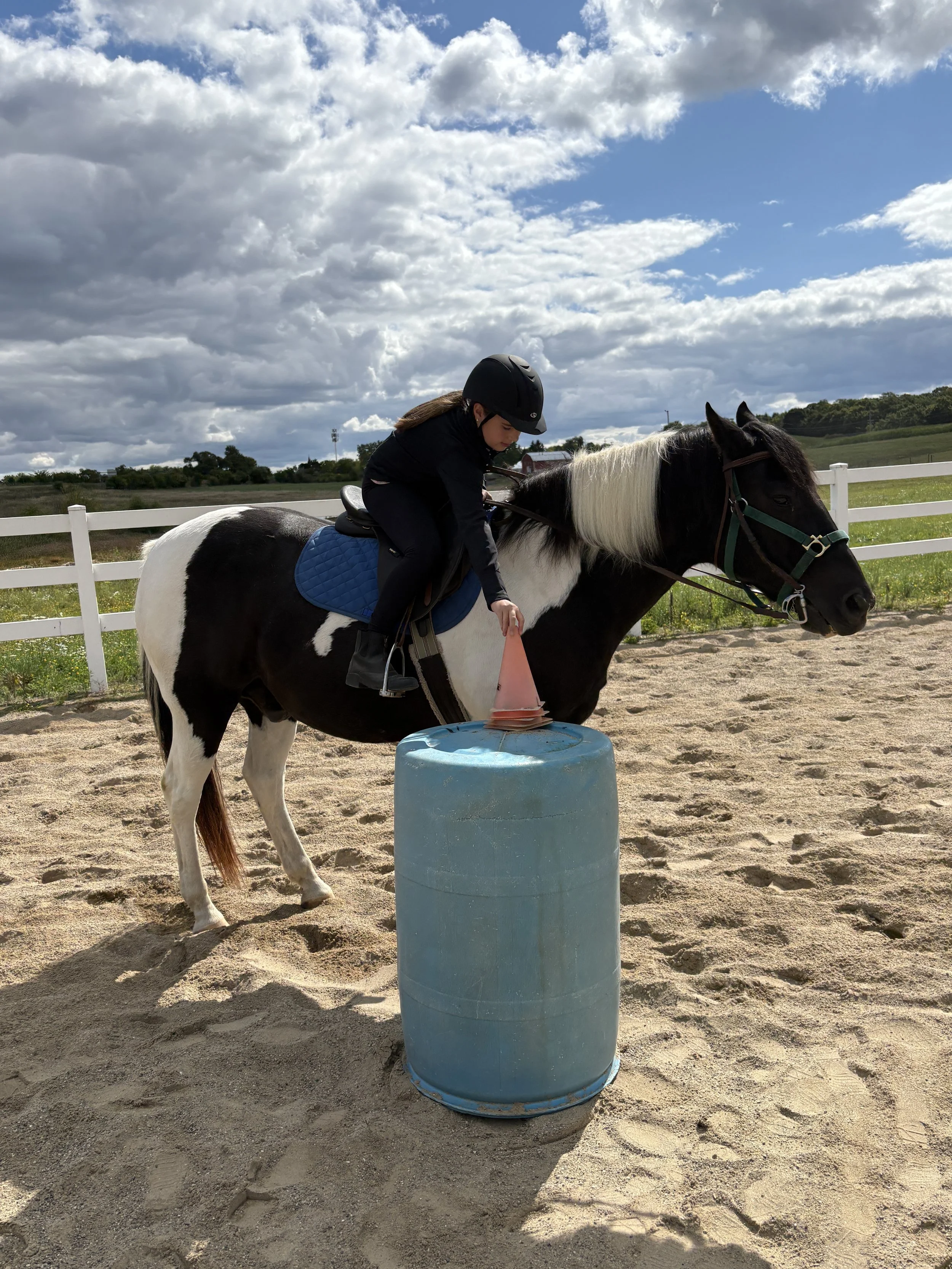
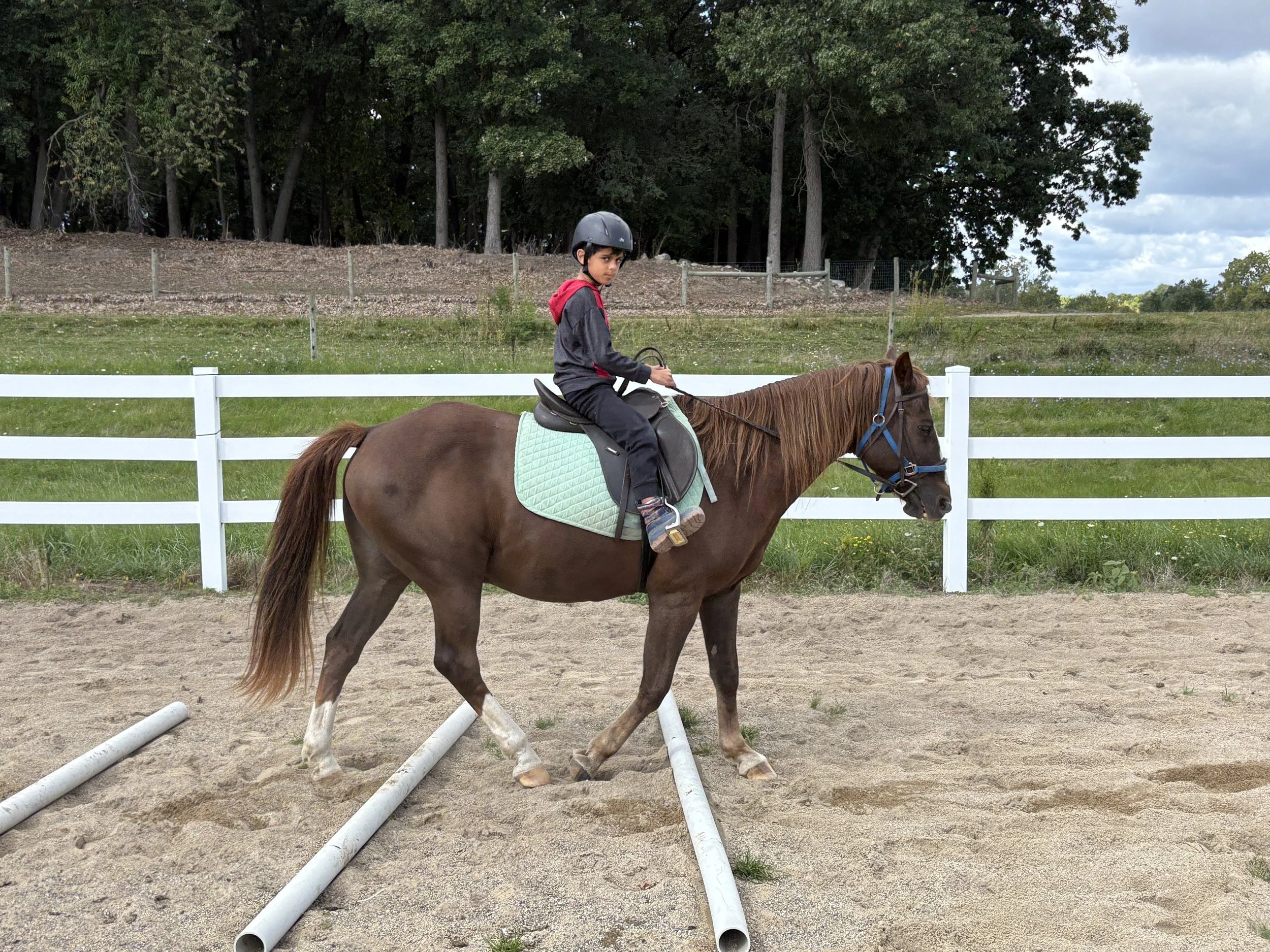
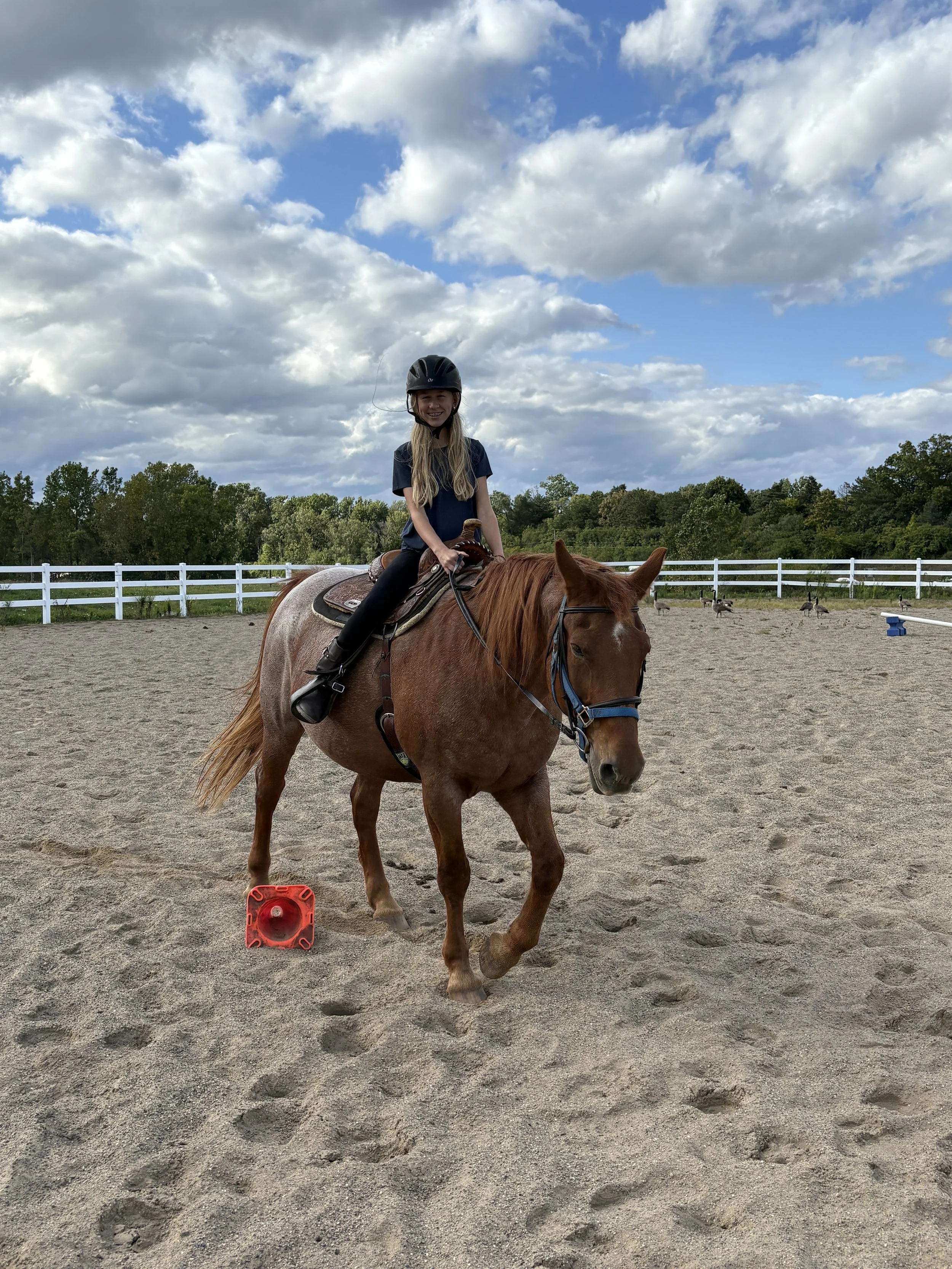
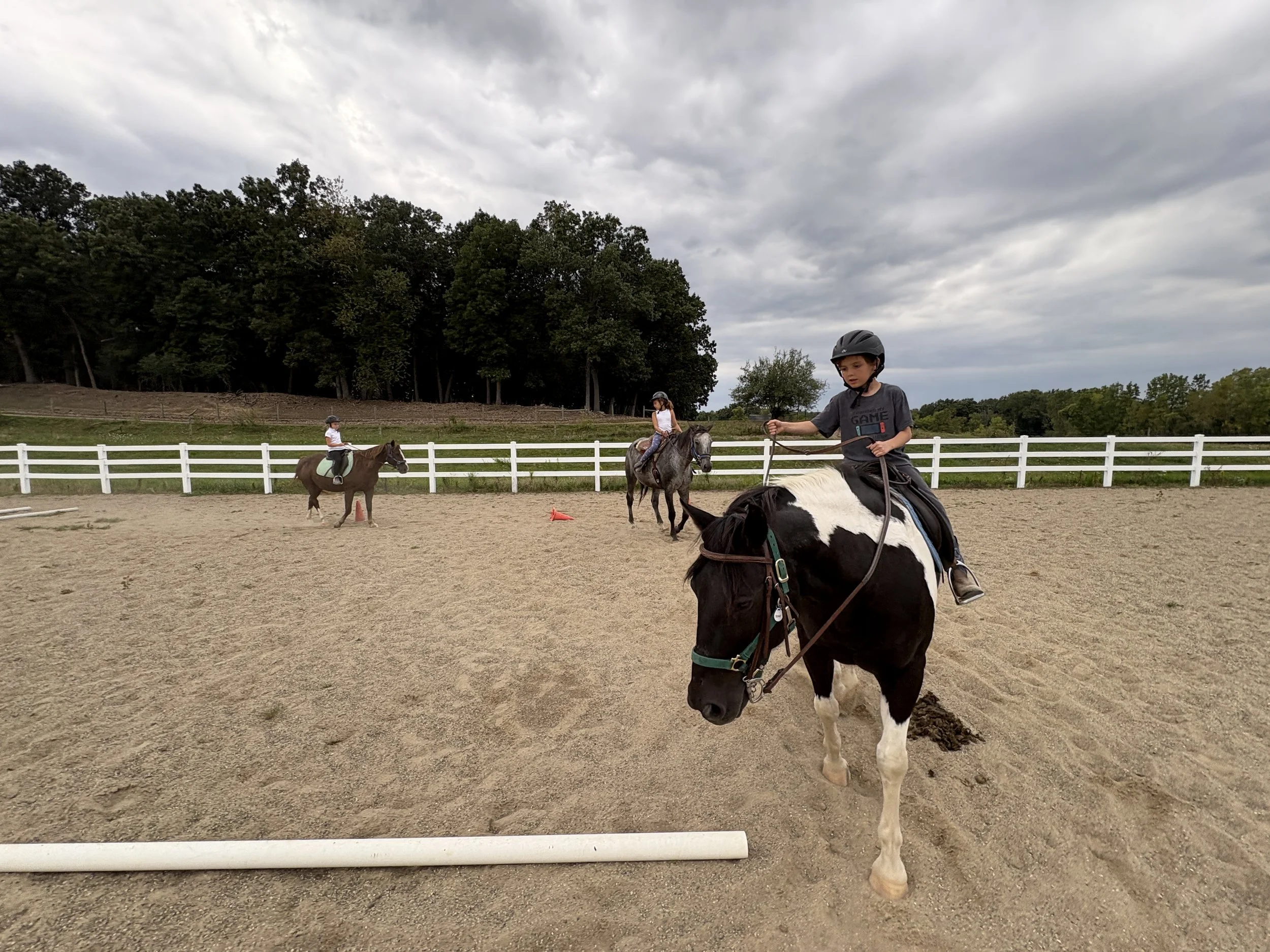
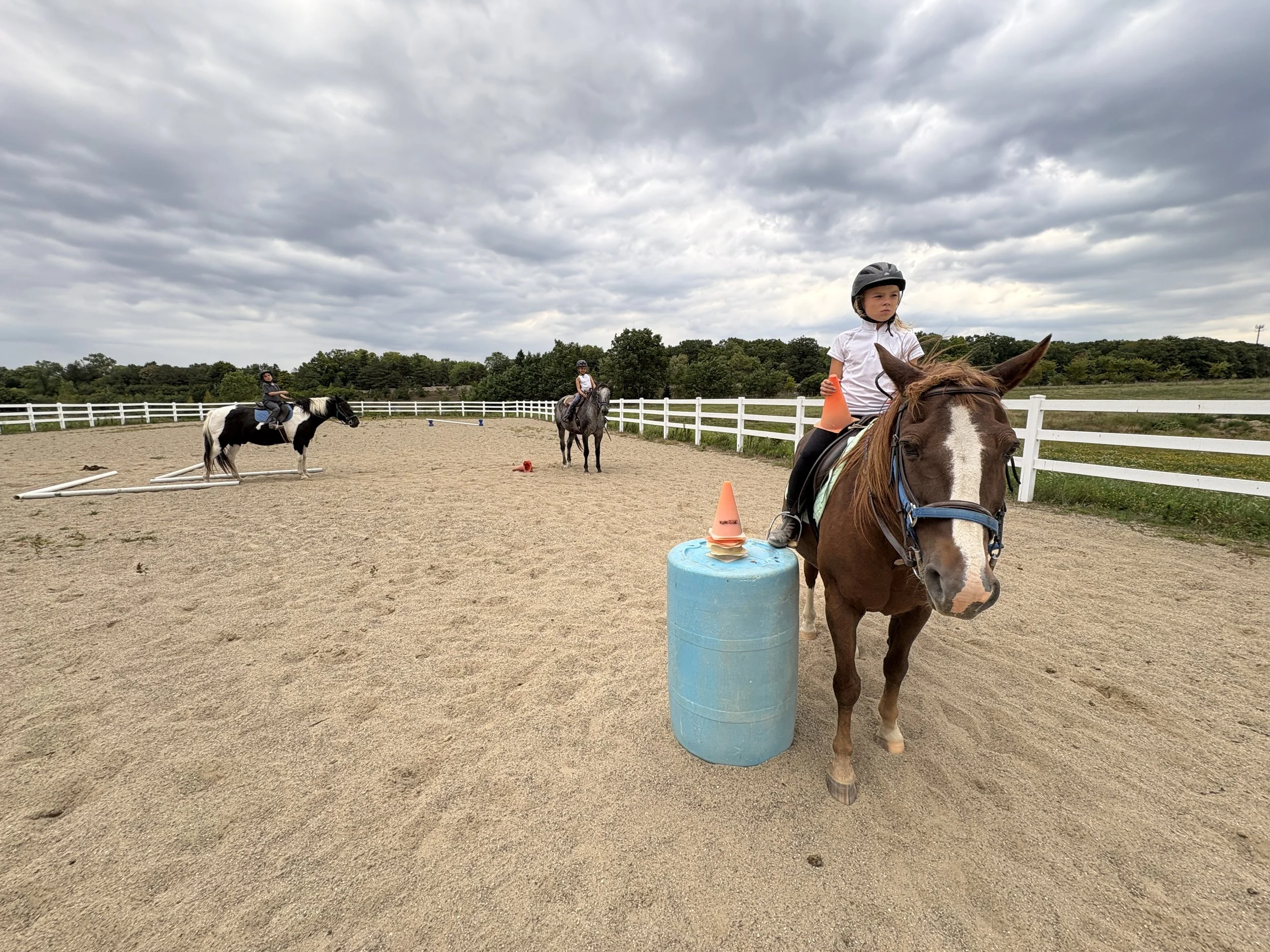
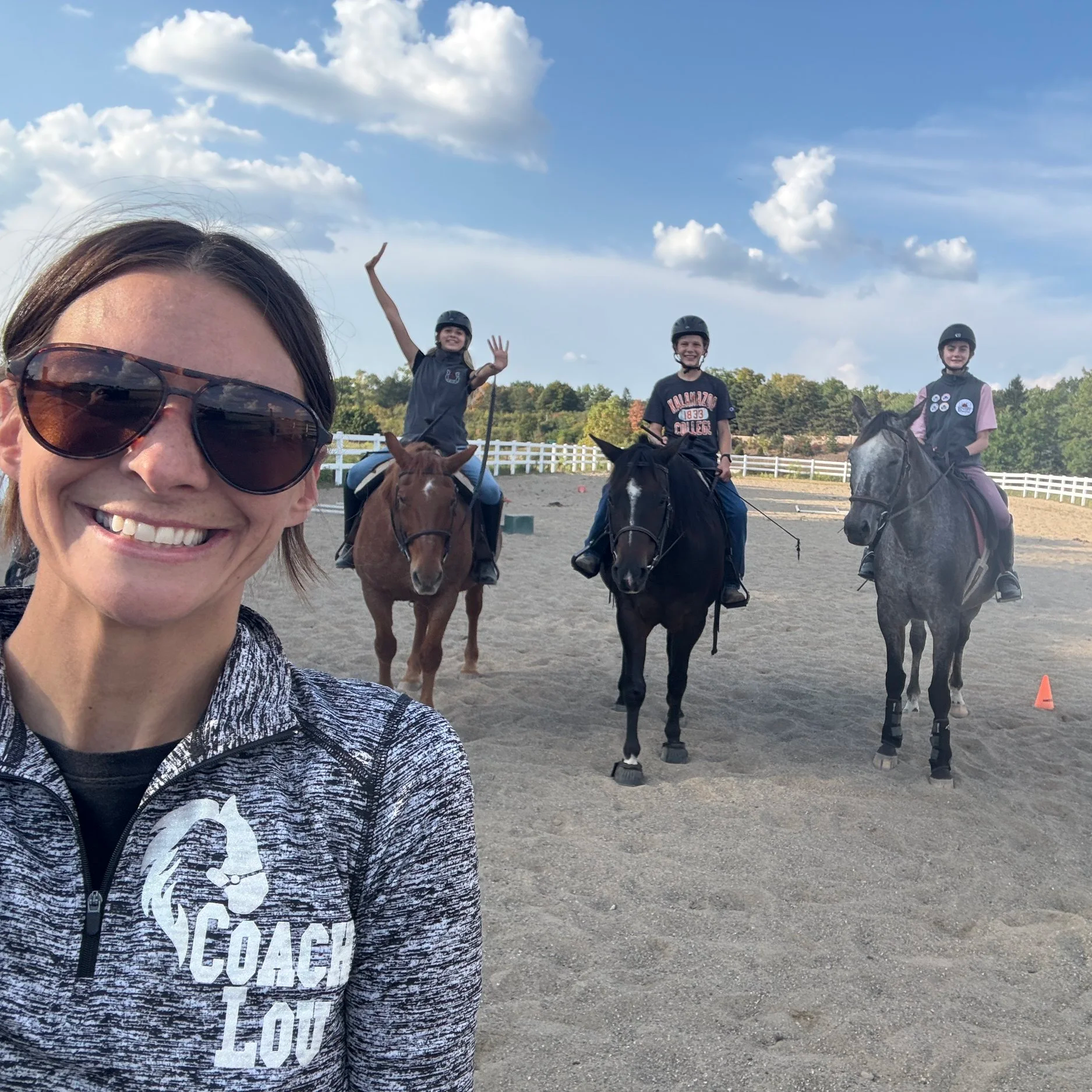
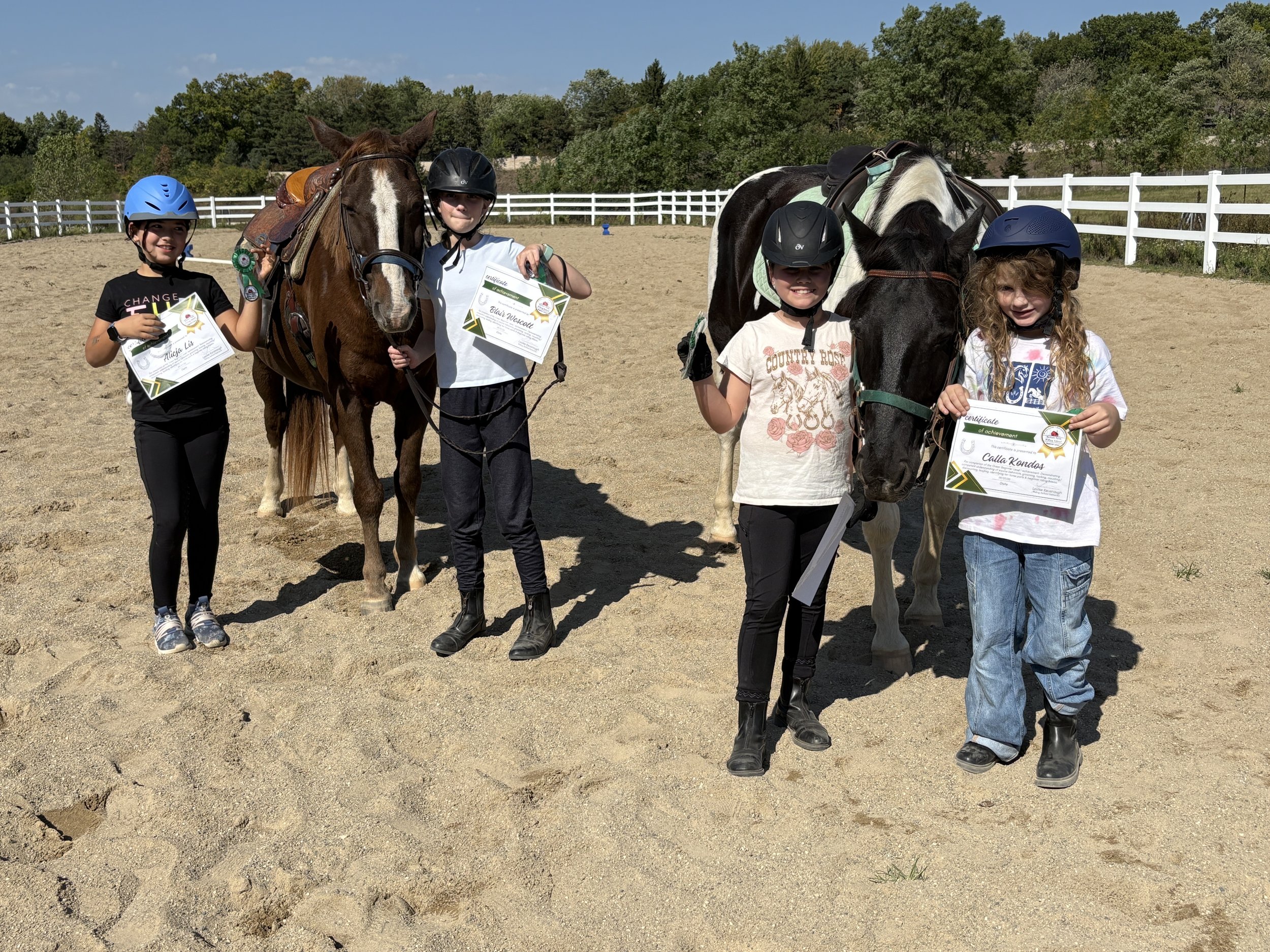
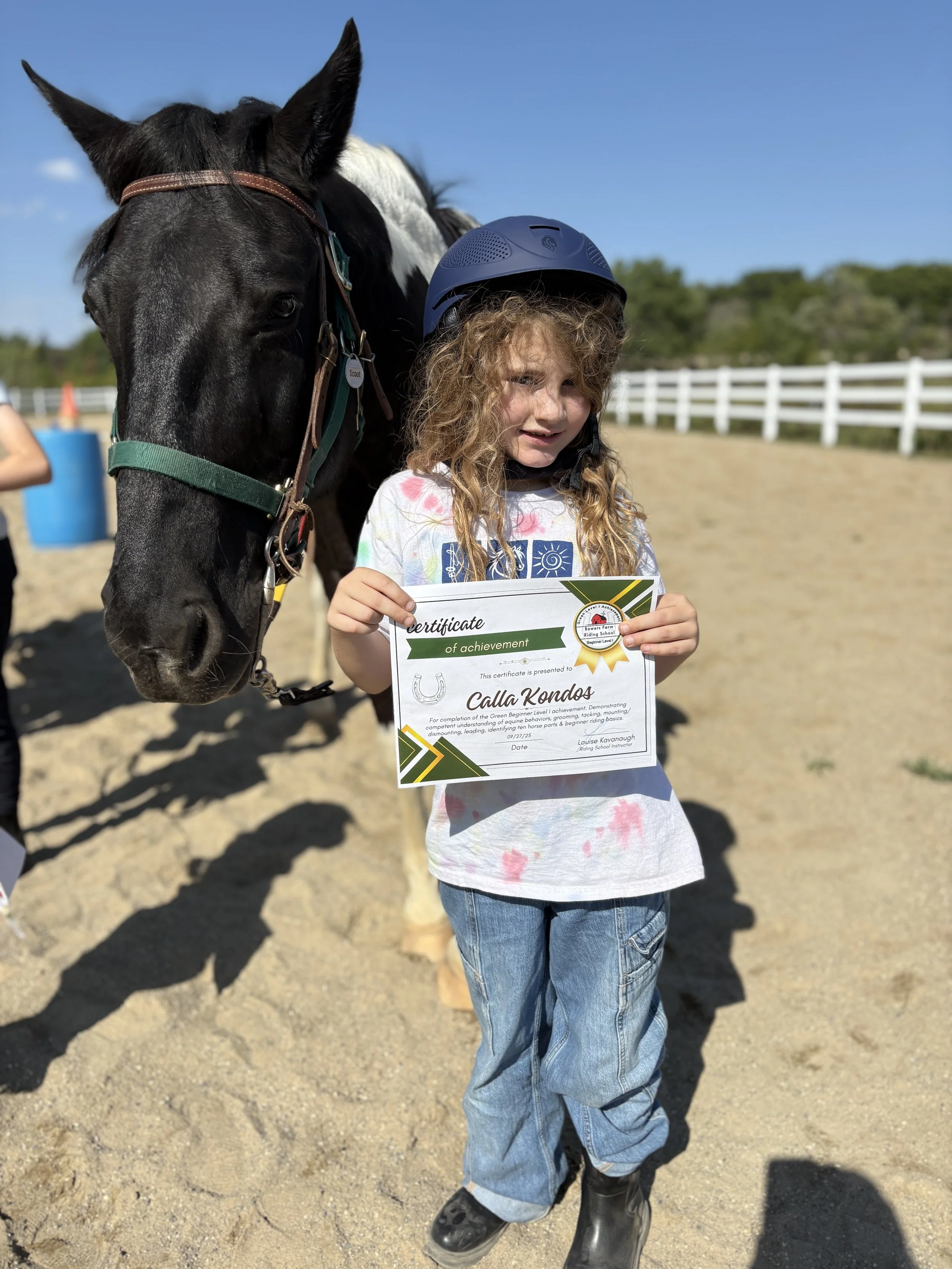
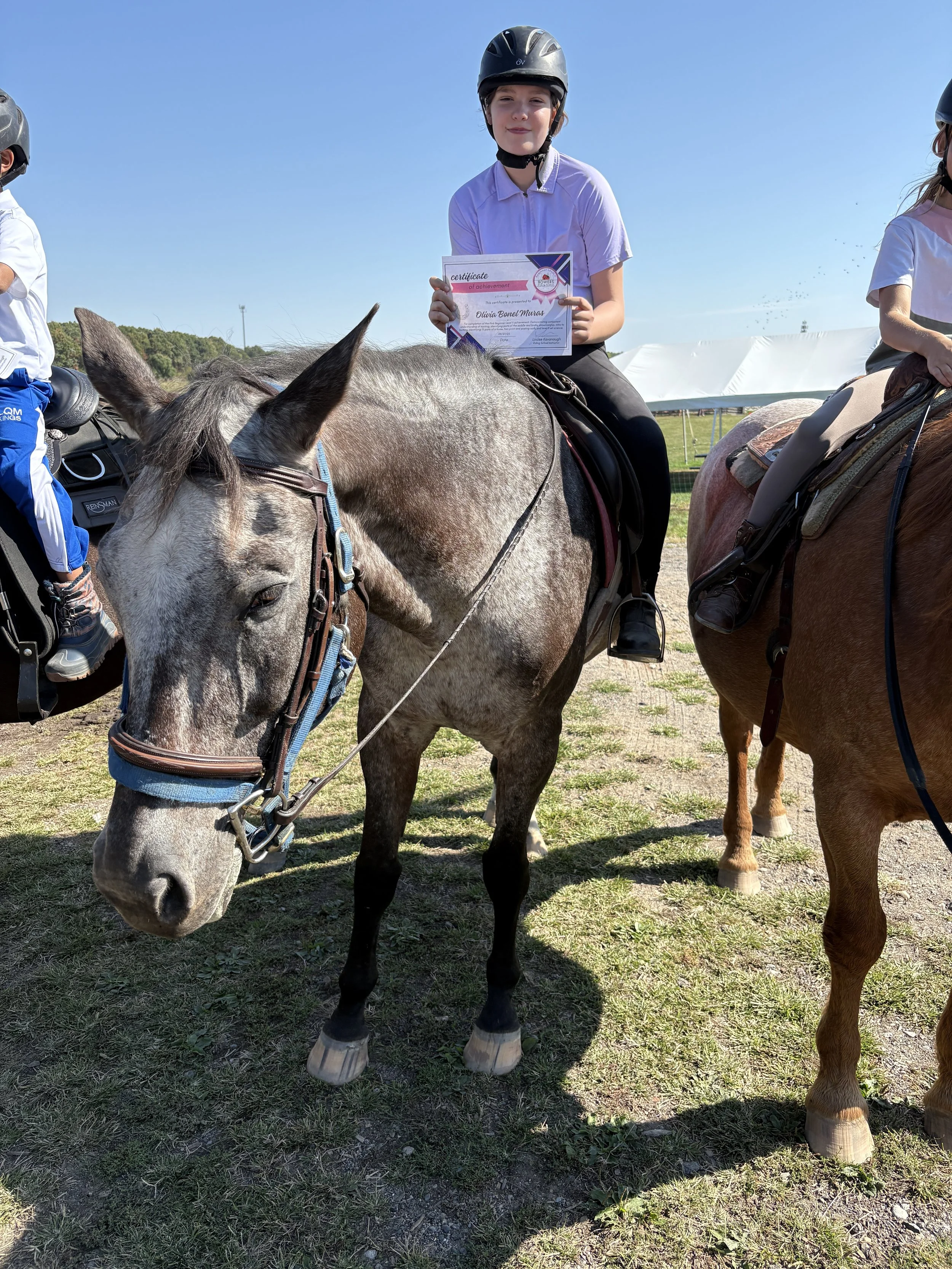
Over 100 riders from summer campers to lesson students, tiny first-timers brushing a horse for the very first time, to returning students refining their canter or preparing for independent horse ownership joined us this year to start their equestrian journeys. Each one of them brought something unique to our barn family: curiosity, courage, and a willingness to learn that made every class a true joy to teach.
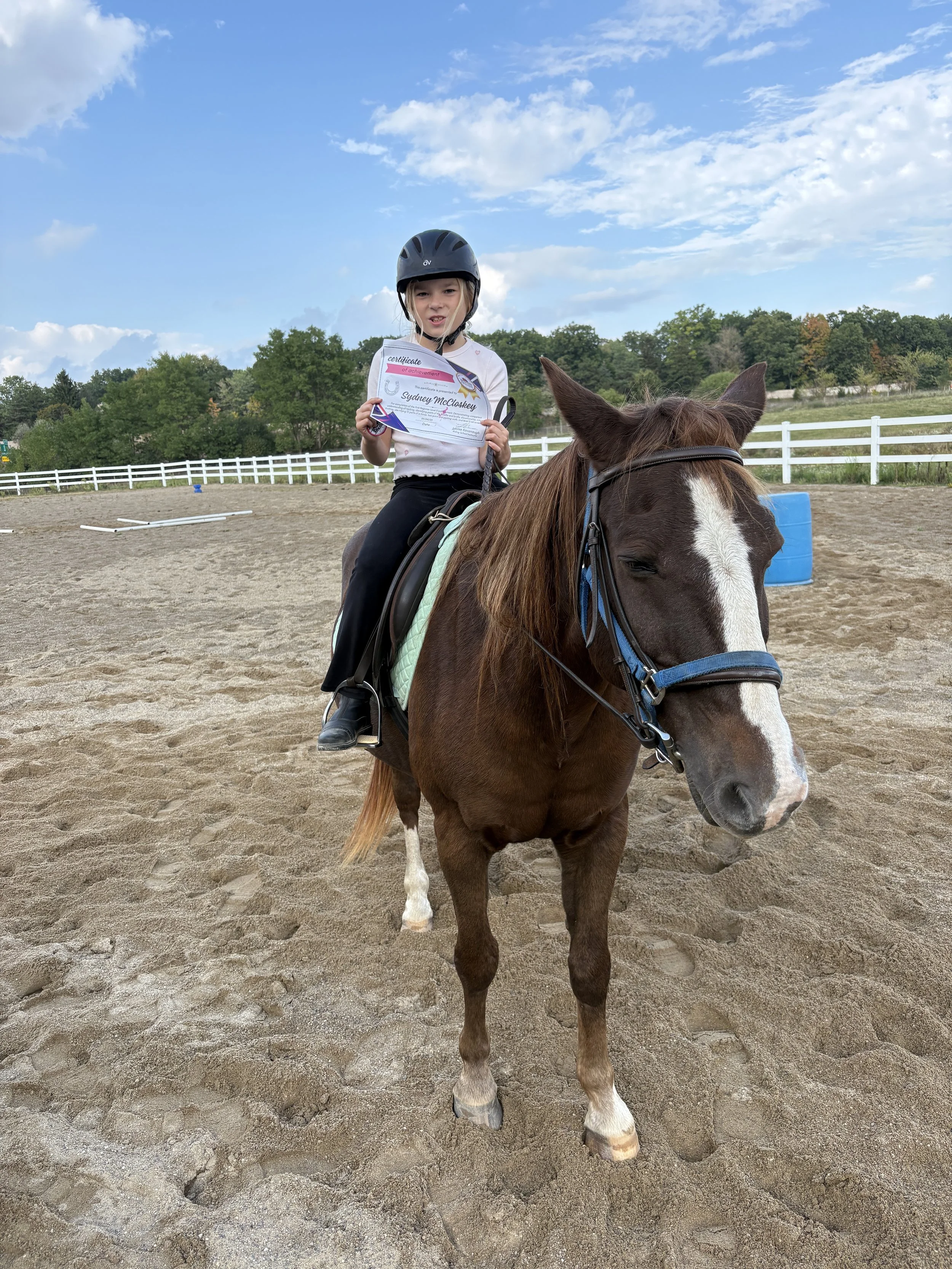
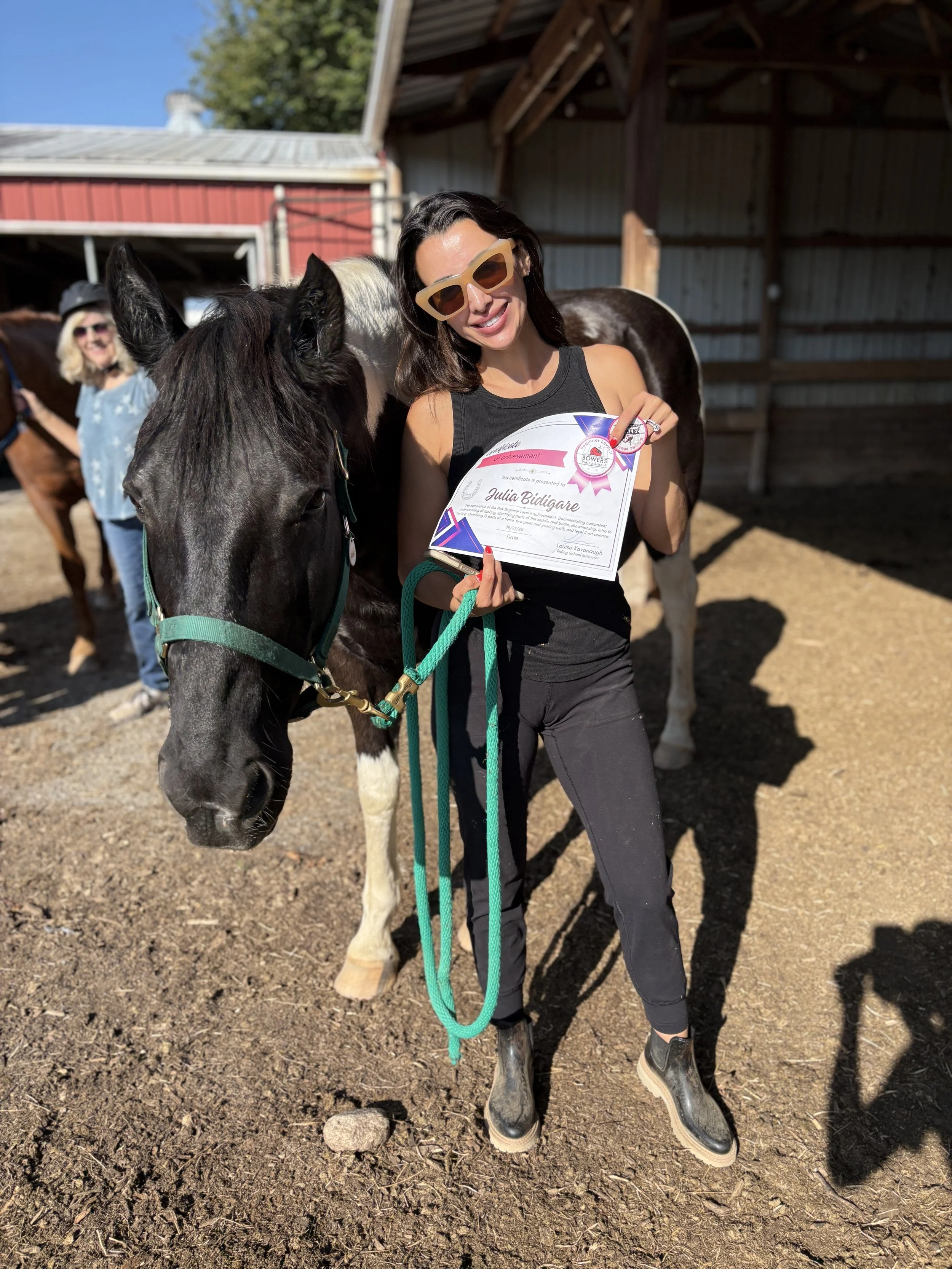
🐴 From First Touch to First Trot
There’s nothing quite like watching a beginner meet a horse for the first time. Some approach with wide-eyed awe (“They’re so big!”), others with cautious curiosity, and a few with that brave-but-nervous look that says, I’m not sure yet, but I’m willing to try.
Those first few lessons are magical. Students learn how to greet a horse properly with a calm voice, a gentle hand, and a deep breath. They discover that horses speak a language of subtlety: a flick of the ear, a shift of weight, a soft sigh. Before long, that nervous energy turns into trust.
And that’s what I love most watching confidence bloom. There’s something transformative about working with a 50lb rider and a 1,000-pound animal and having them realize they can communicate, guide, and connect. Riders leave each session a little taller, a little prouder, and maybe a little dustier (okay, definitely dustier).
🧠 What We Learned This Fall
Of course, riding is only one part of horsemanship. We believe in teaching the whole picture from anatomy and nutrition to grooming, tack care, and equine first aid. After all, horses can’t tell us what’s wrong, so understanding their bodies, minds, and needs is an essential part of becoming a true horseperson.
Here are just a few of the things our riders explored this fall:
🔹 Horse Anatomy 101
Did you know a horse’s skeleton contains about 205 bones — almost the same as a human’s? Or that their hearts can weigh between 9 and 10 pounds? Riders learned how muscles, joints, and ligaments work together to create movement — and how a well-balanced rider helps, rather than hinders, that motion.
We also talked about how horses see the world (literally). Their eyes are positioned on the sides of their heads, giving them nearly 360-degree vision. But they have blind spots directly in front of their noses and right behind their tails which explains why we always talk to a horse before walking around it!
🔹 Grooming: More Than Just Beauty
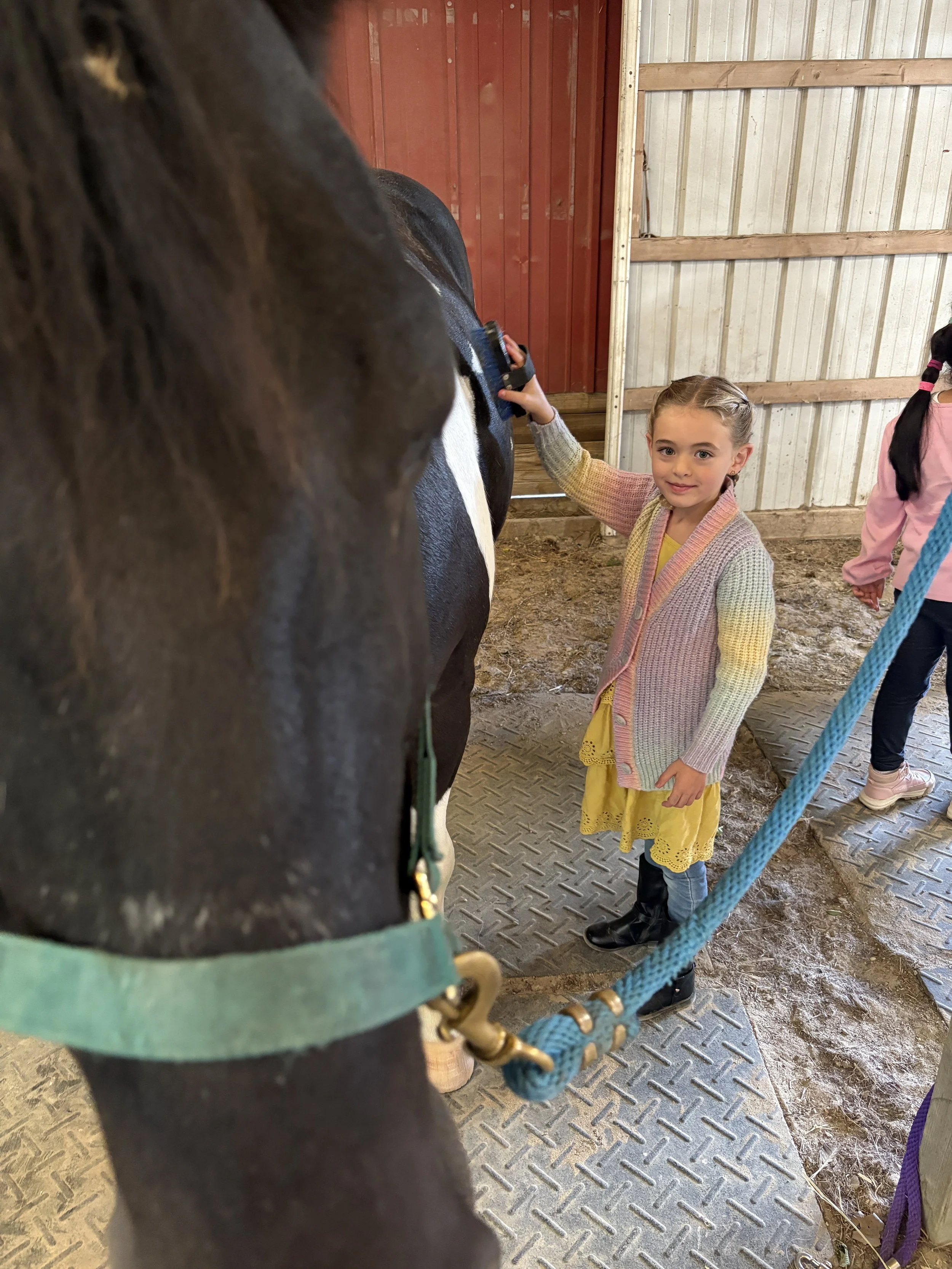
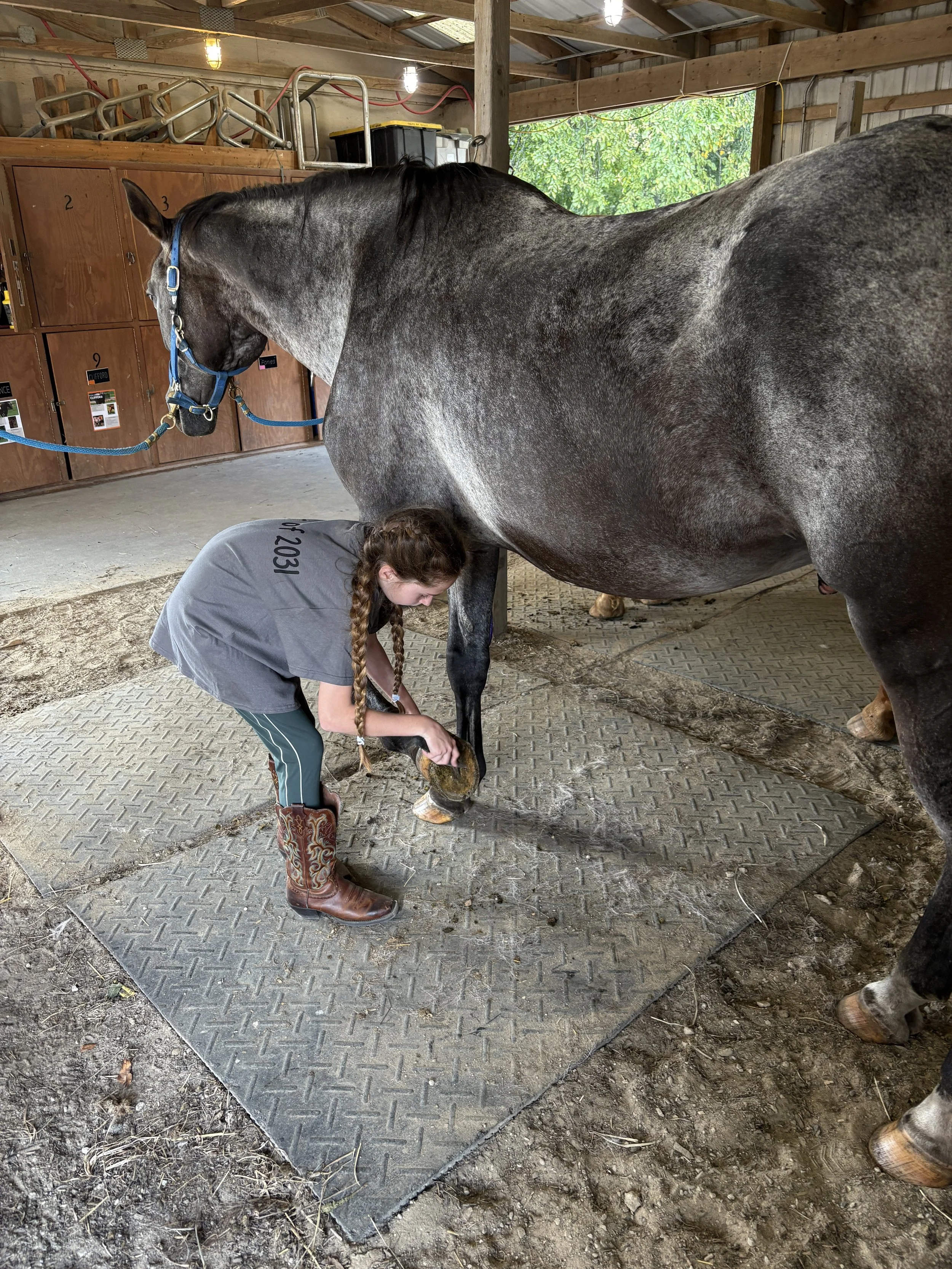
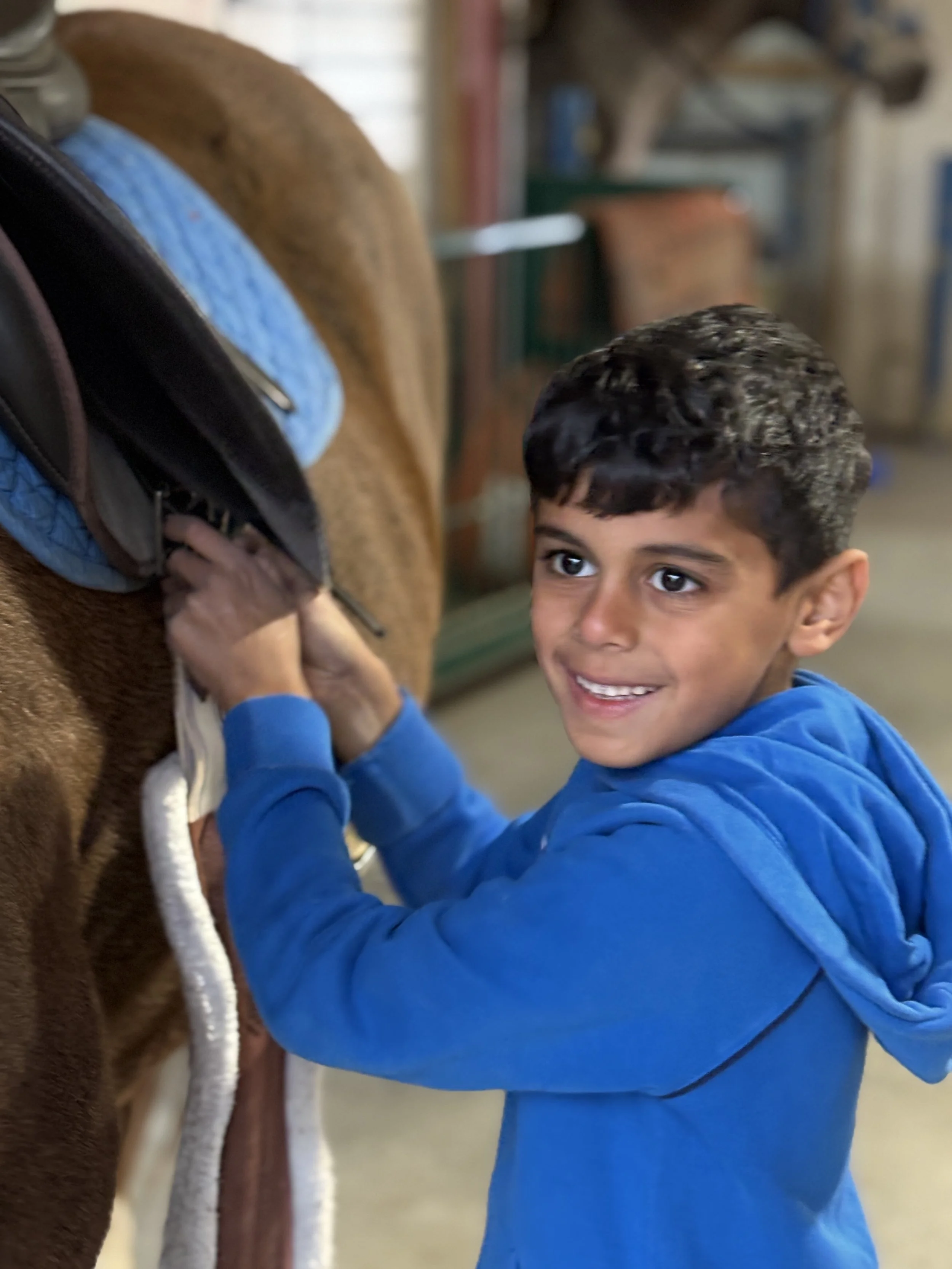
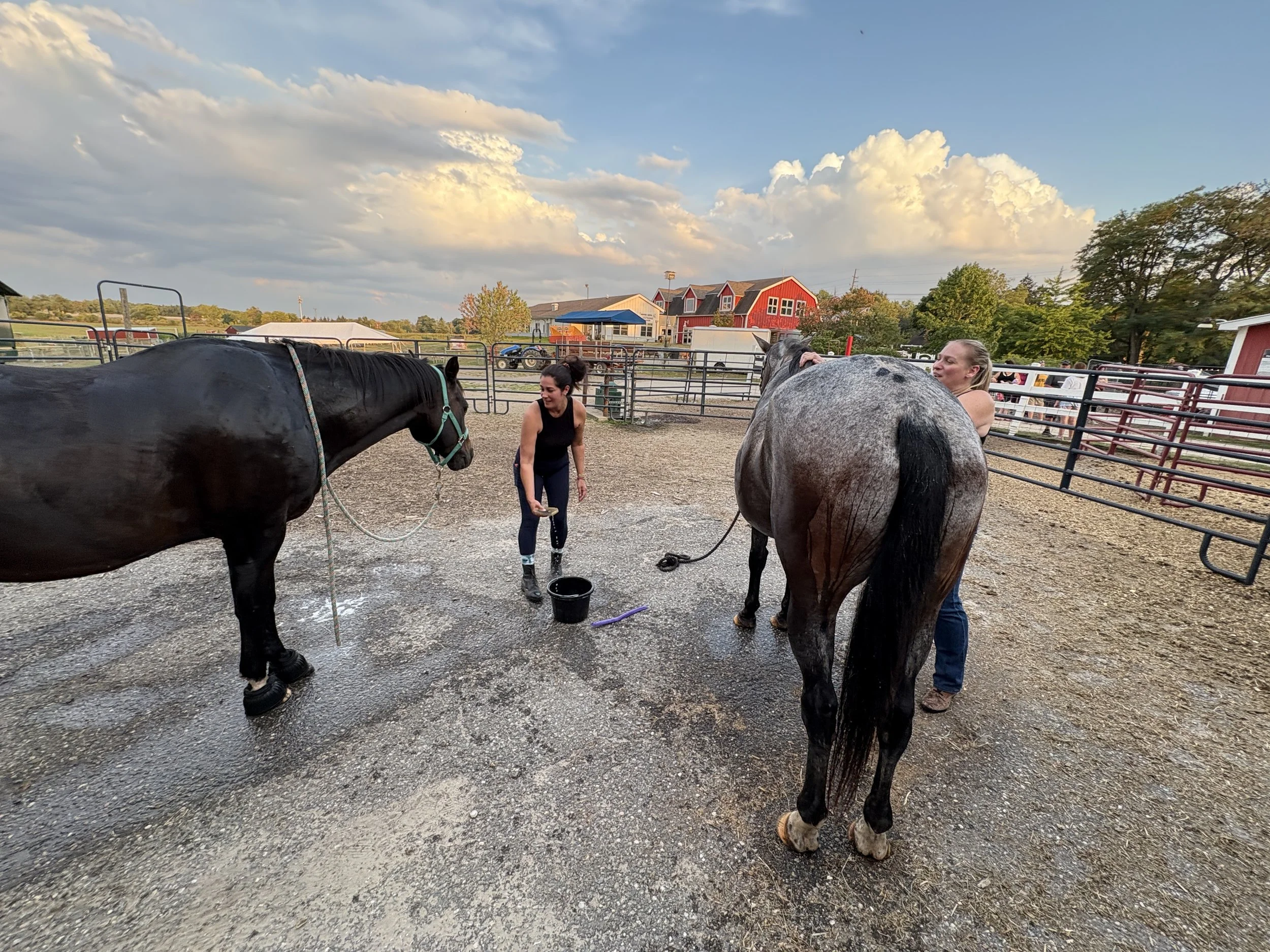
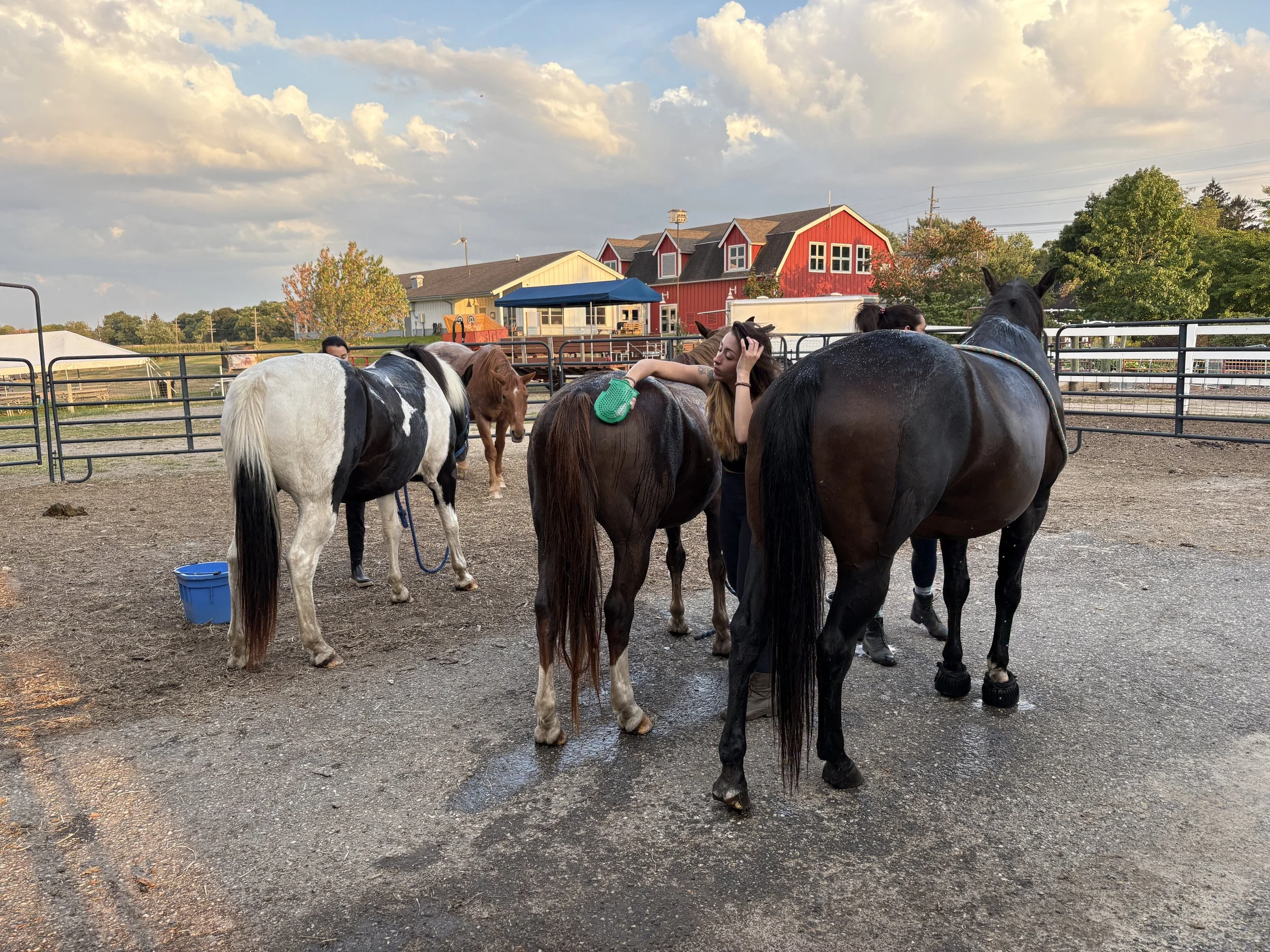
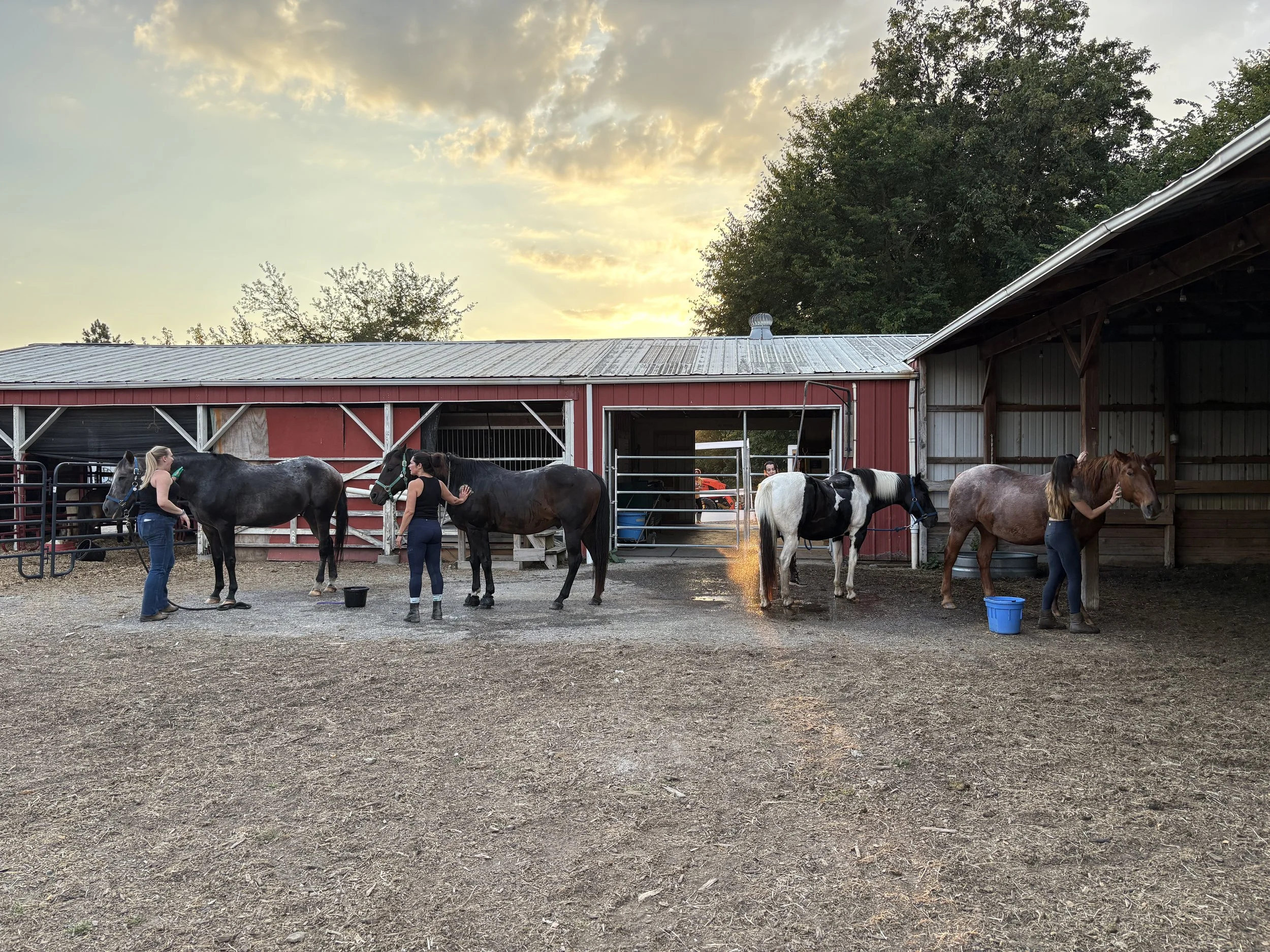
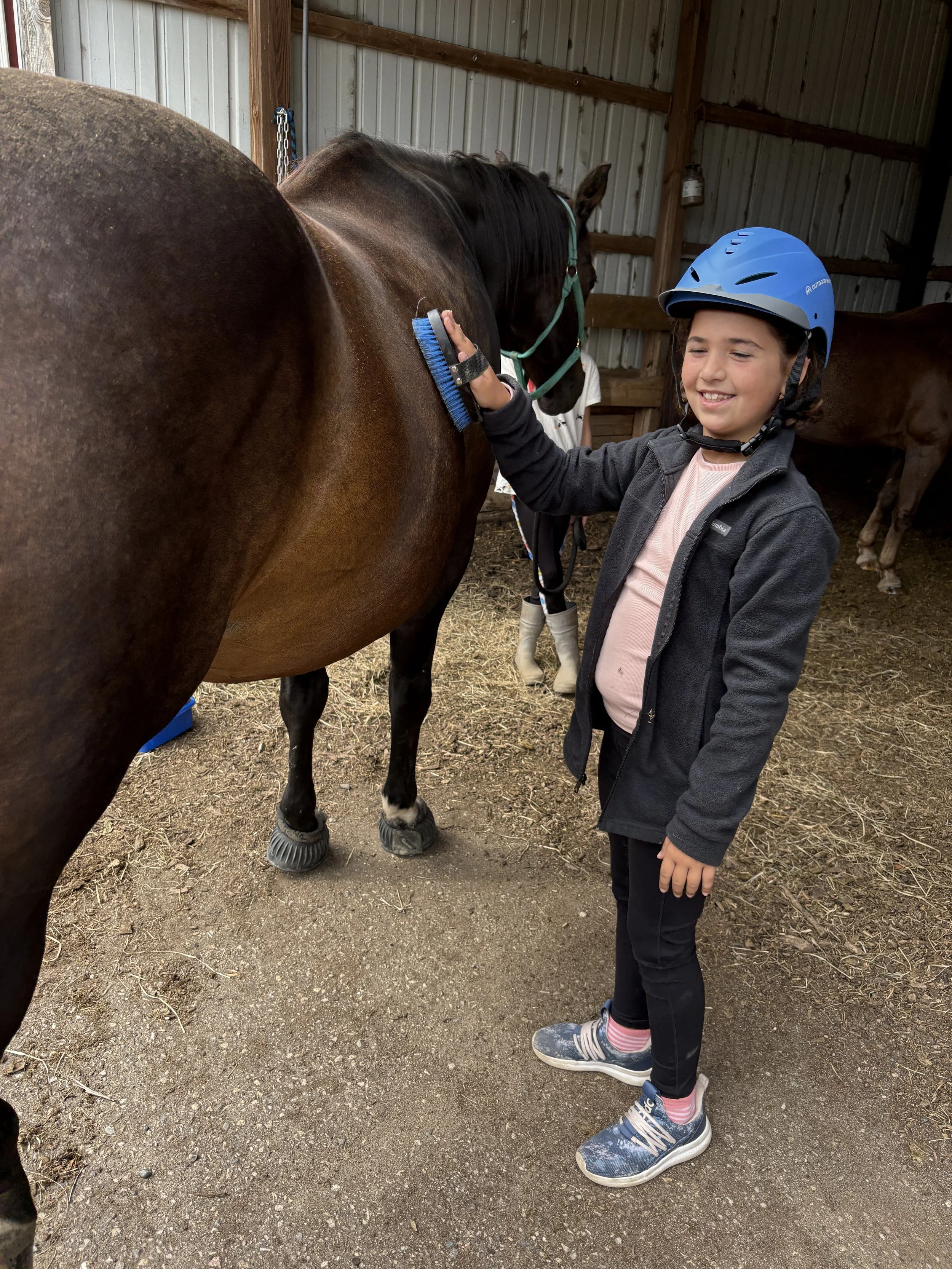
Every rider discovered that grooming is about far more than making a horse shine. It’s a moment of partnership. Through brushing, currying, and picking hooves, students learn to notice small details: a tender spot, a bit of swelling, or that one itchy place that makes a horse’s lip quiver in pure bliss.
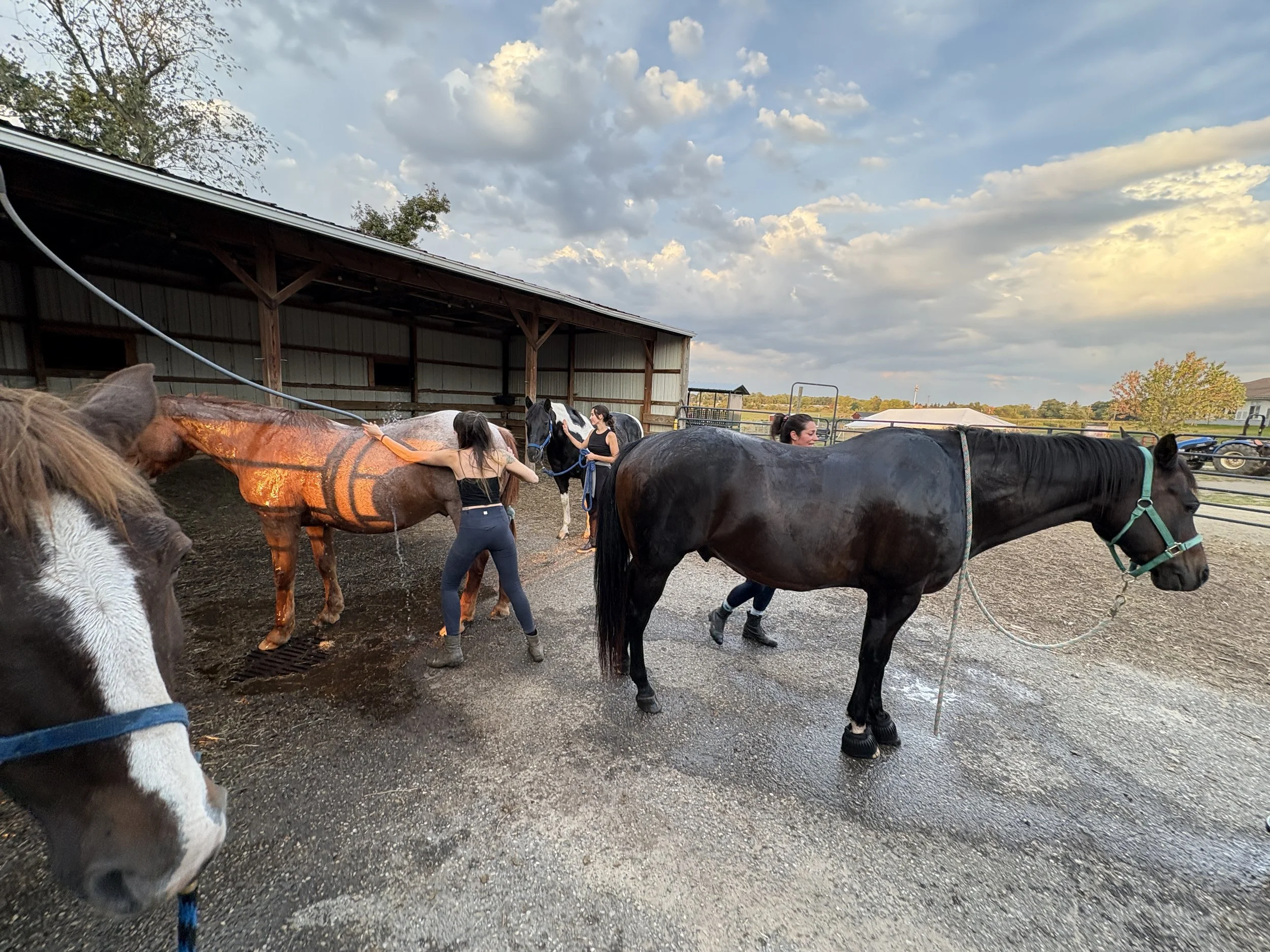
We also learned that some horses have very strong opinions about being clean. Let’s just say a freshly washed horse has about a 10-minute window before finding the nearest mud puddle.
🔹 Tack & Equipment
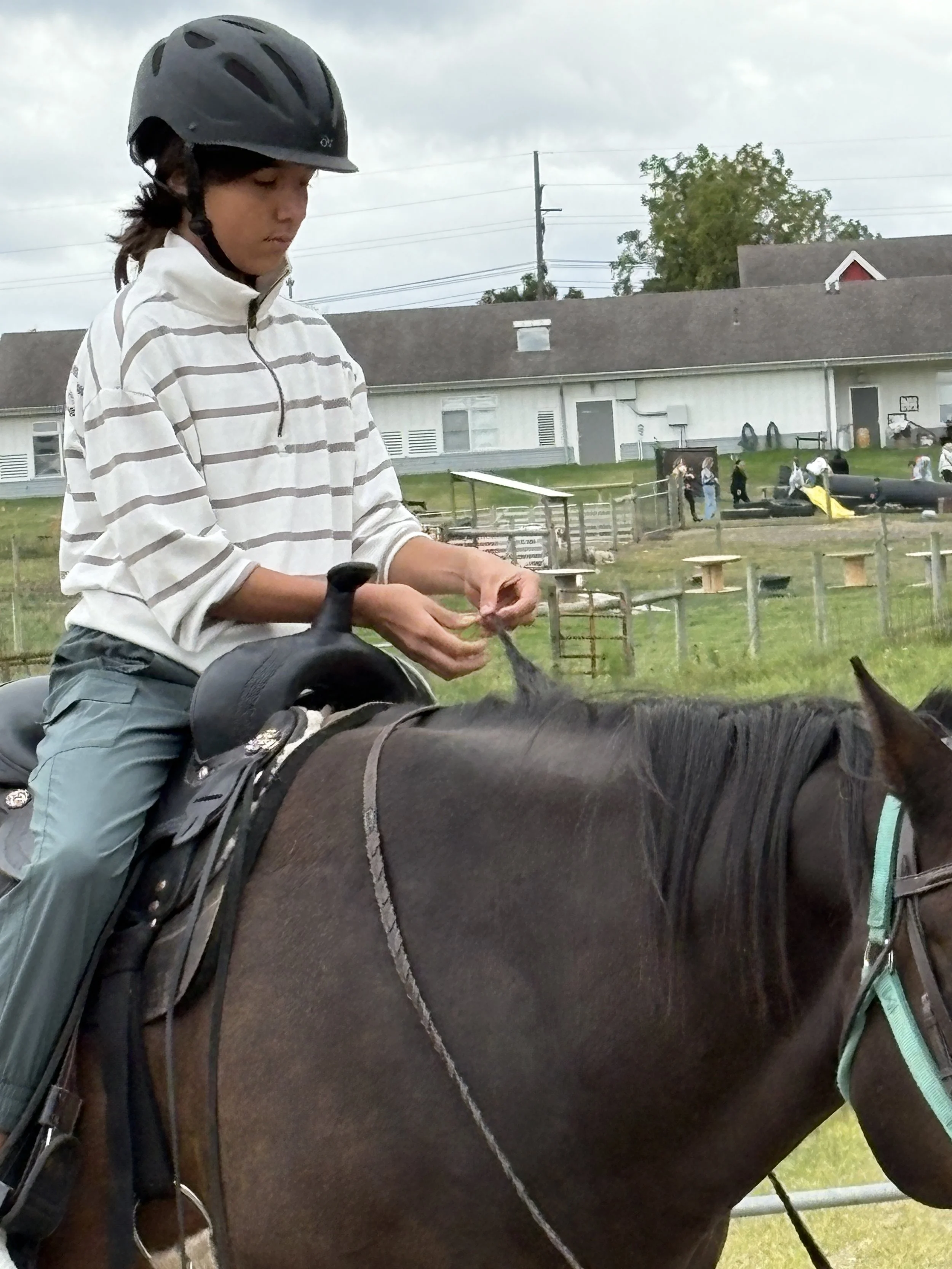
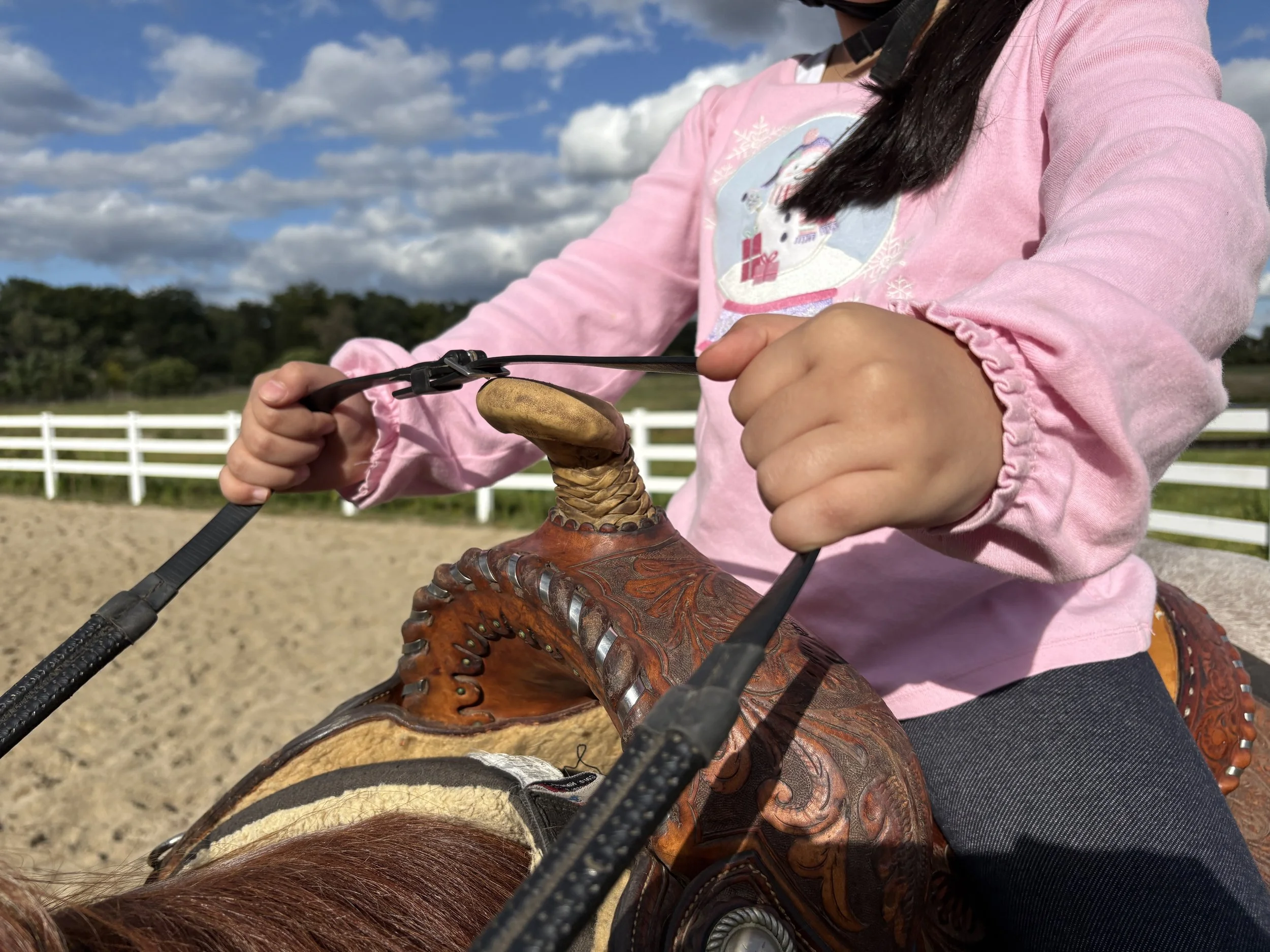
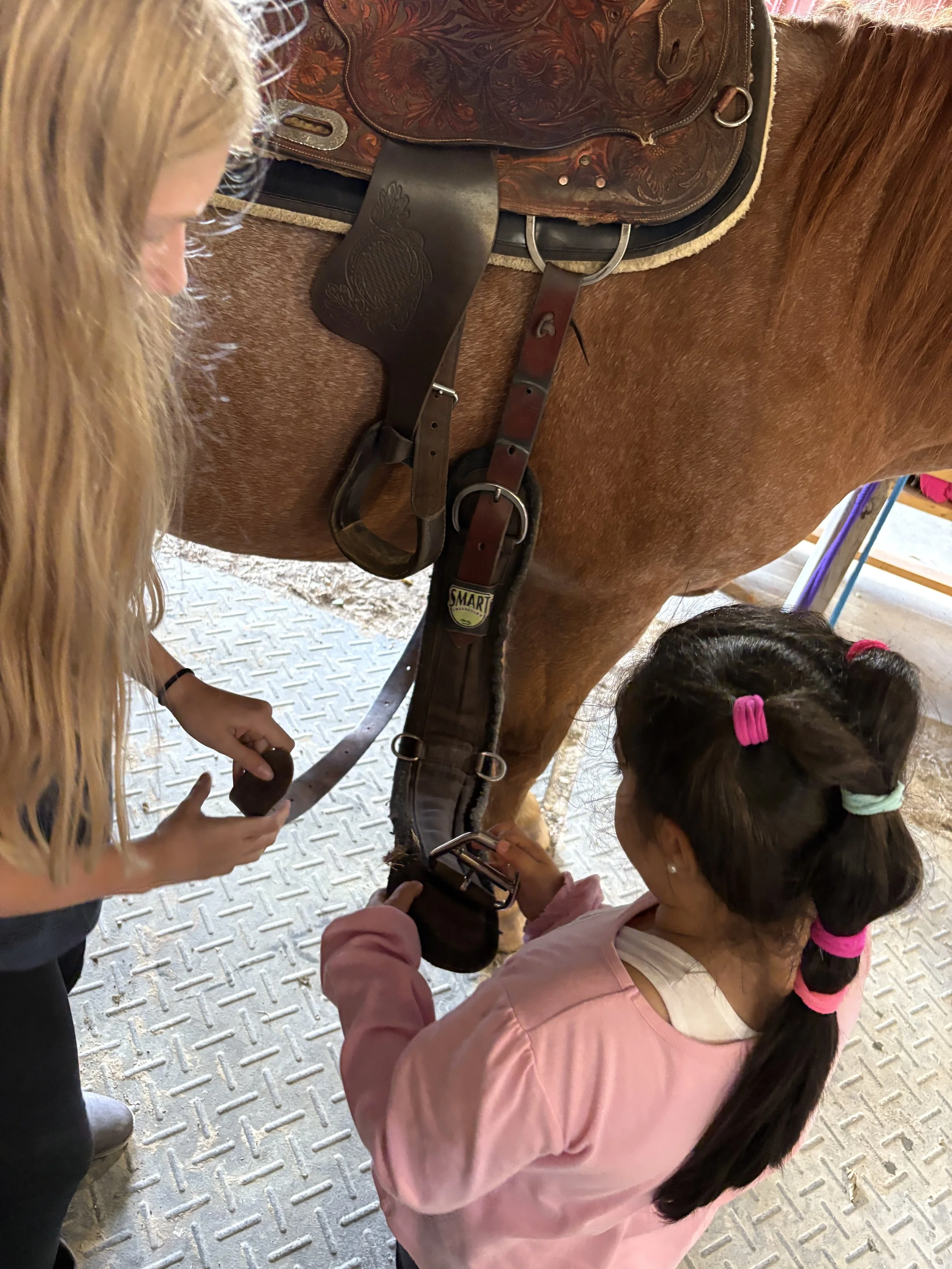
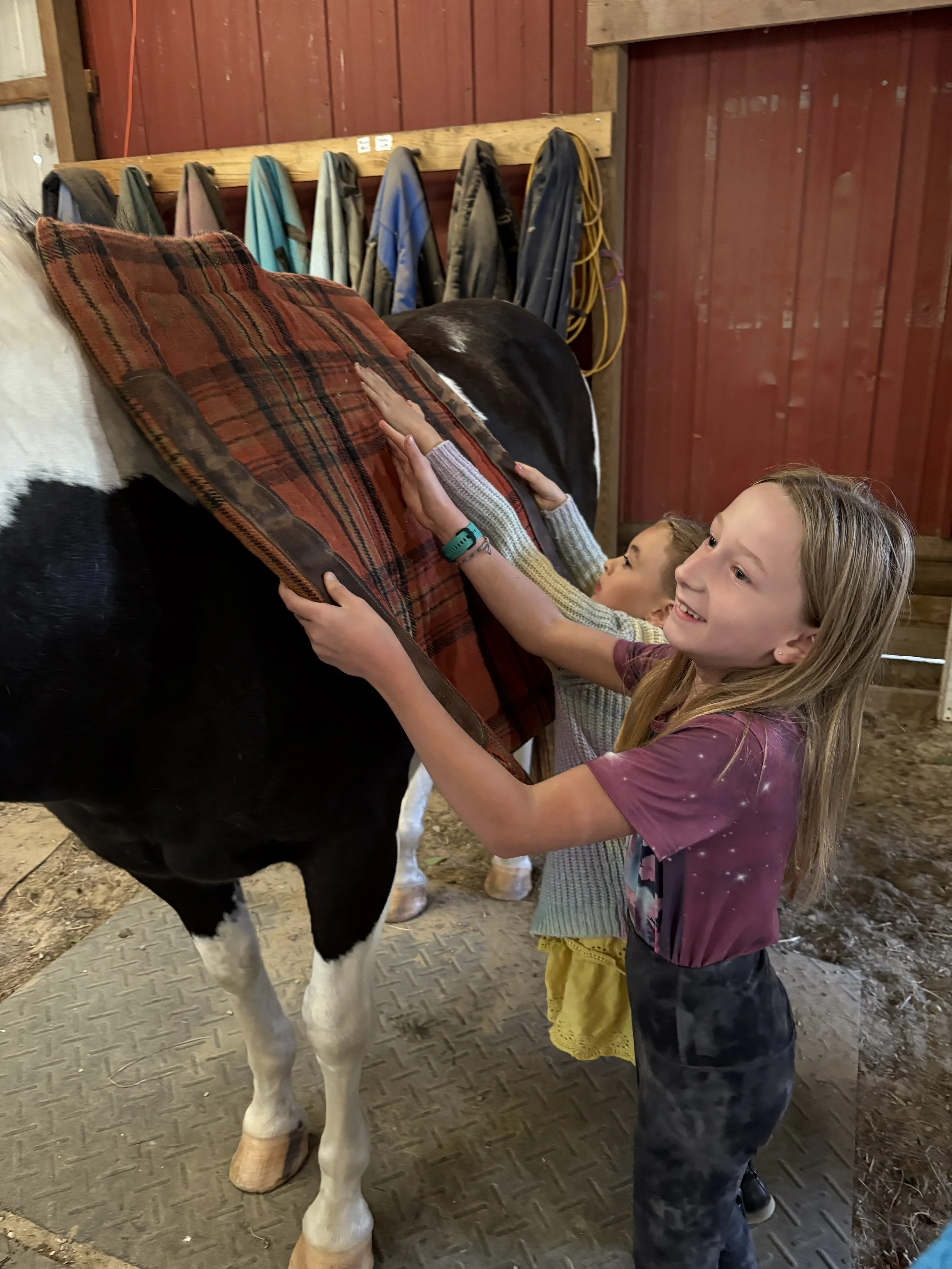
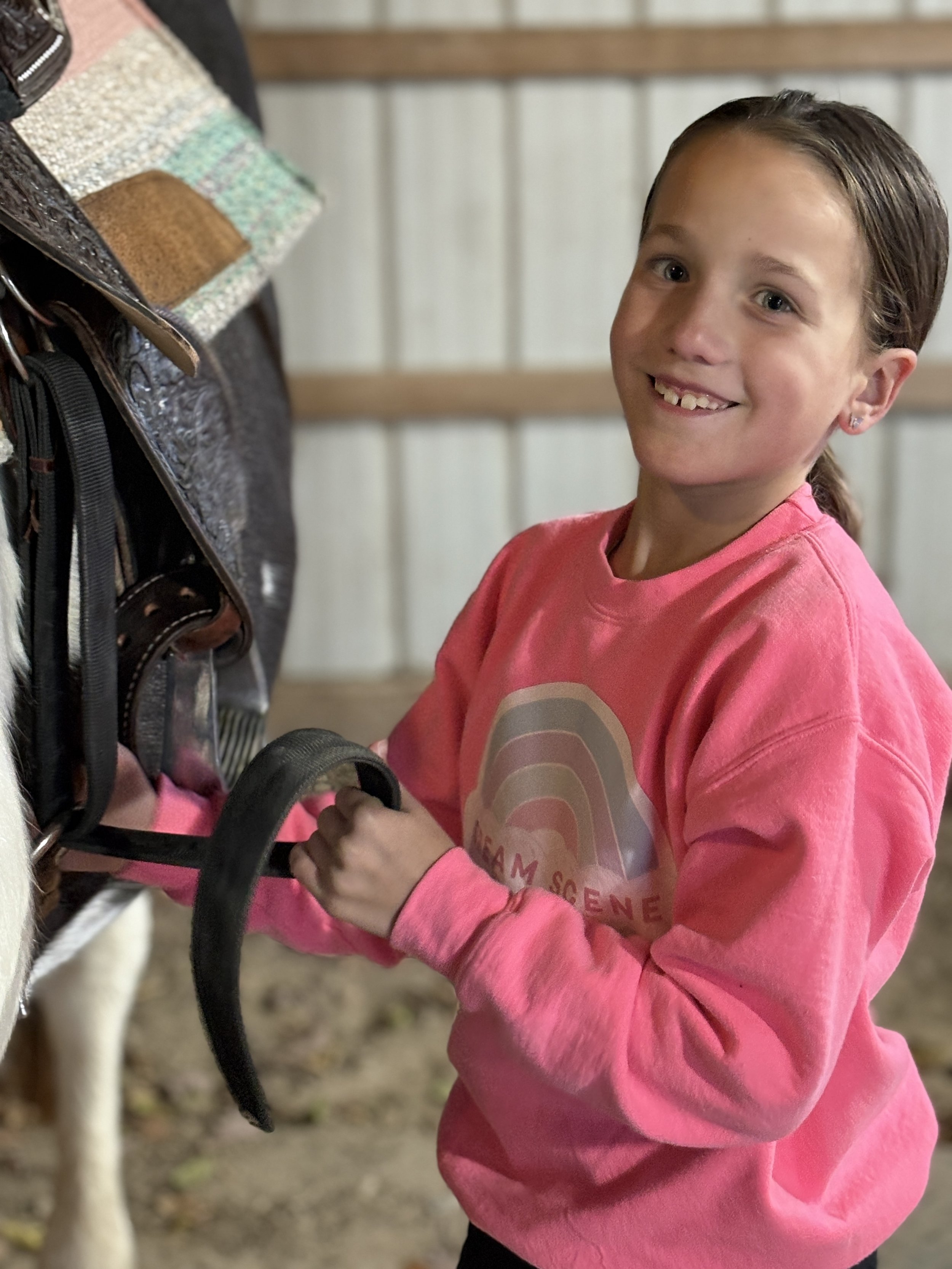
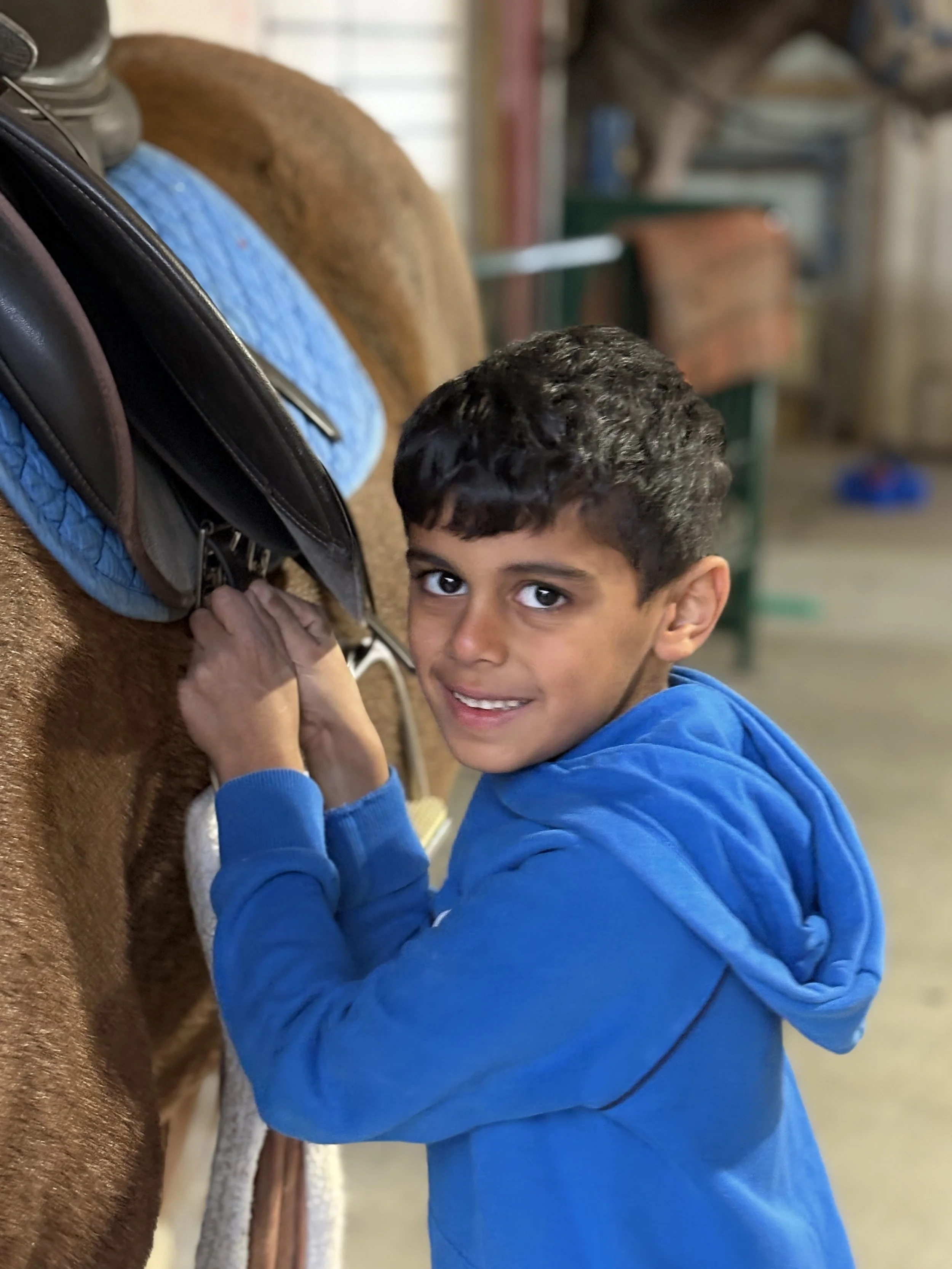
Proper tacking is an art form. Students practiced everything from adjusting bridles and tightening girths safely to checking saddle fit. A well-fitted saddle isn’t just about comfort — it’s about protecting the horse’s back and allowing free movement. Practicing that ever trick cowboy knot! Students will constantly hear me say: “ down to the left, up through the right, and you’ve made a loop where it goes through the middle like a tie”!
🔹 Horse Care, Nutrition, and First Aid
We dove into the basics of equine nutrition. How much food does a horse eat? 2% of it’s body weight in roughage everyday to maintain it’s weight, that’s about 20lbs of food! They learn about hay types, grain choices, and the importance of constant clean water. (Fun fact: a horse can drink 5–10 gallons of water a day!) Students also learned about routine care: checking vital signs, spotting early signs of colic, and understanding when a horse might need a vet visit.
These lessons build well-rounded horse people who don’t just ride well, they care well.
🌟 Confidence in and out of the Saddle
What’s truly special about riding is that every skill learned in the arena translates far beyond it. When students learn to stay calm under pressure, to read a horse’s body language, or to try again after a tough ride they’re building life skills.
I’ve seen shy riders become leaders. I’ve seen kids who once doubted themselves trot circles with big smiles. I’ve found active loud riders channel a sense of peace and calm. And we’ve seen adults rediscover the joy of learning something new, finding both challenge and peace in the rhythm of hooves.
Riding teaches patience, empathy, responsibility, and perseverance all while offering the simple joy of spending time outdoors with a gentle, intelligent creature.
❄️ Looking Ahead: Winter Classroom Sessions
As our horses enjoy their well-deserved winter break complete with extra Hay, some blankets, and the occasional roll in the snow we turn our attention to the next phase: Winter Classroom Sessions!
These sessions are a wonderful way for our students to stay engaged while giving our equine partners a rest. Together, we’ll explore topics like:
Equine anatomy deep dives and skeletal models
How to build a balanced feed plan
Equine first aid basics (bandaging, temperature, pulse, respiration)
Tack cleaning and care
The science of horse behavior and communication
There might even be a few creative projects thrown in like building a “mini horse stomach” model or designing your dream stable.
By spring, our riders will be more knowledgeable, more confident, and ready to jump back into the saddle with a deeper understanding of their four-legged partners.
💕 Gratitude from the Barn
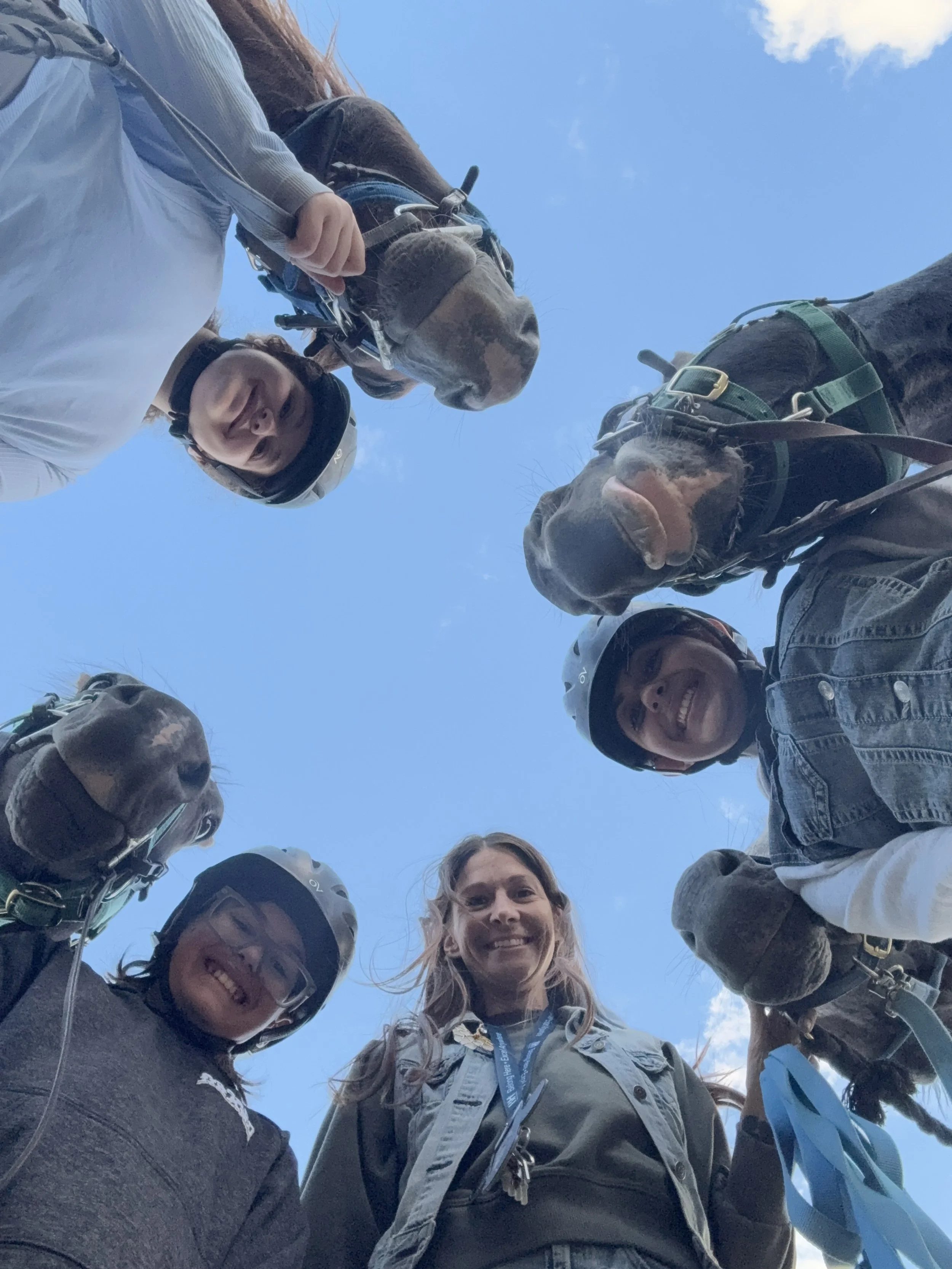
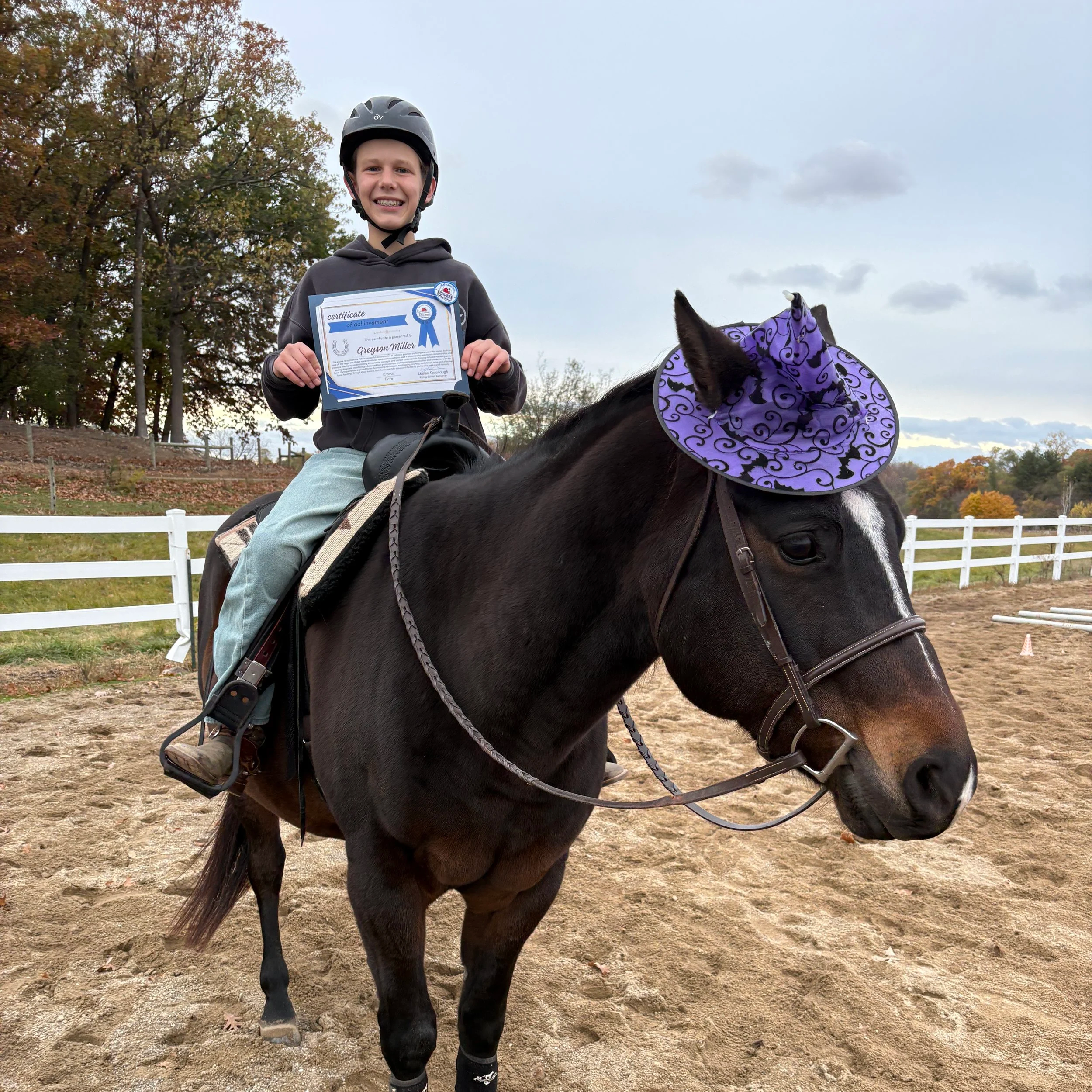
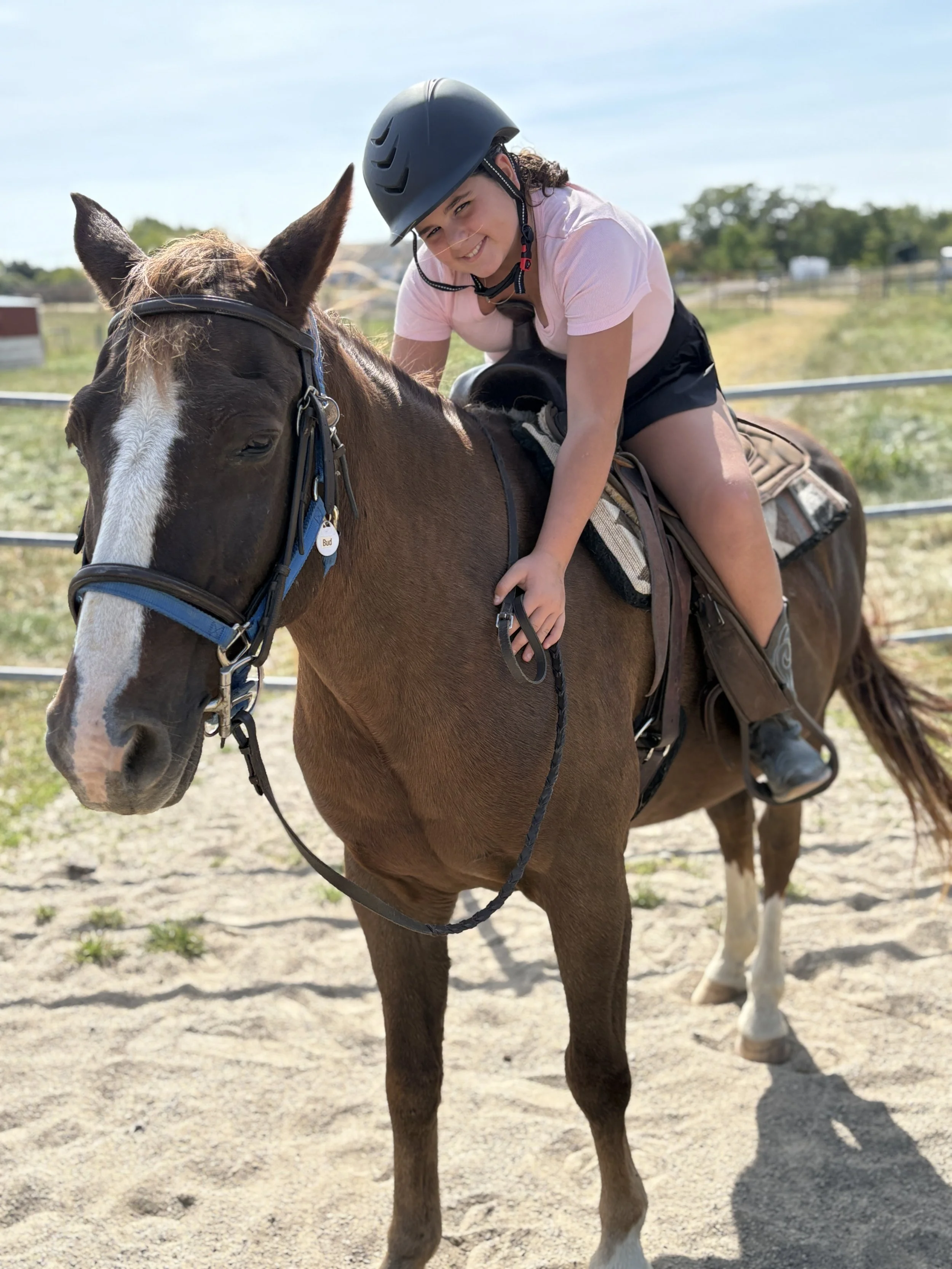
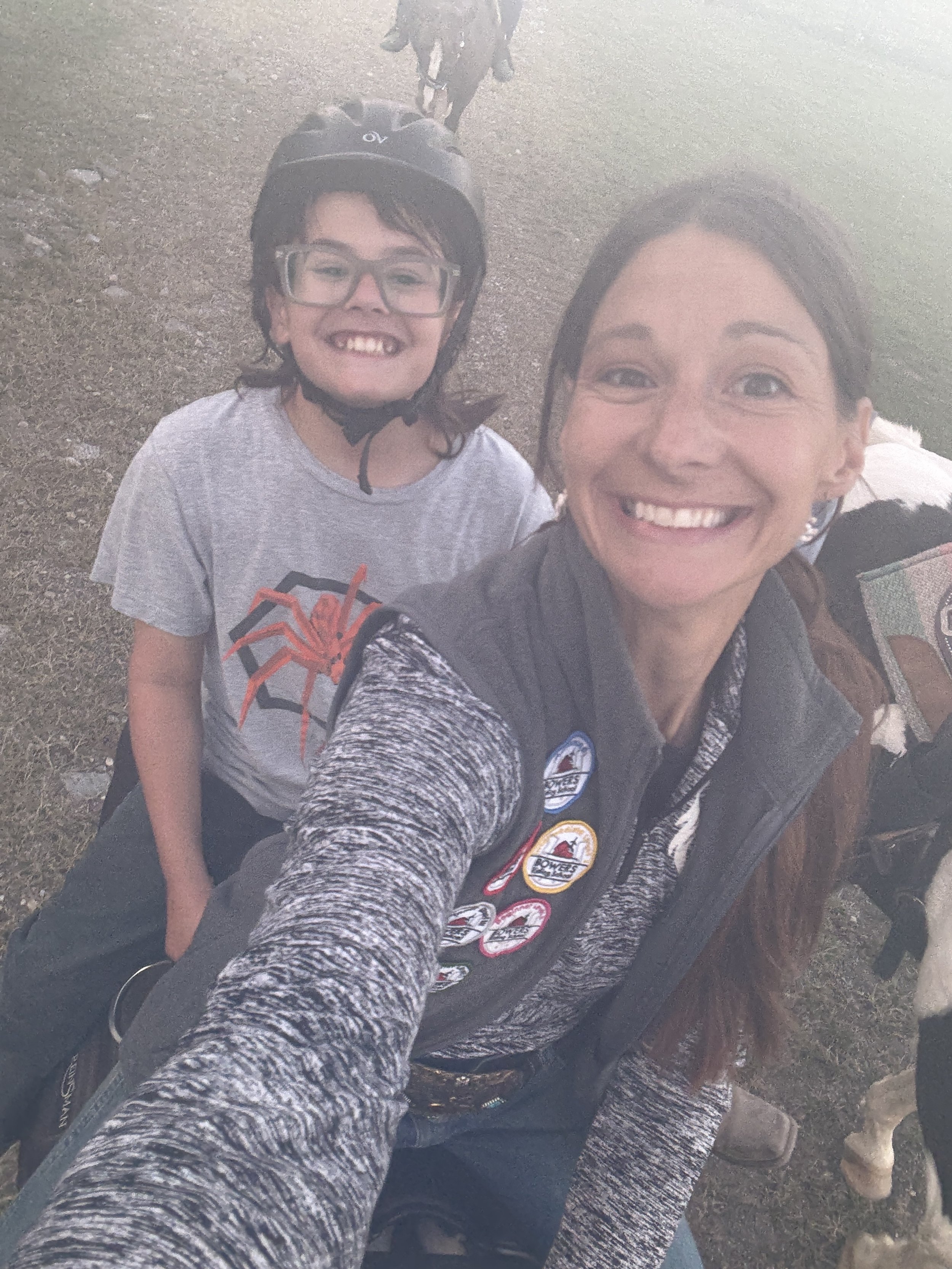
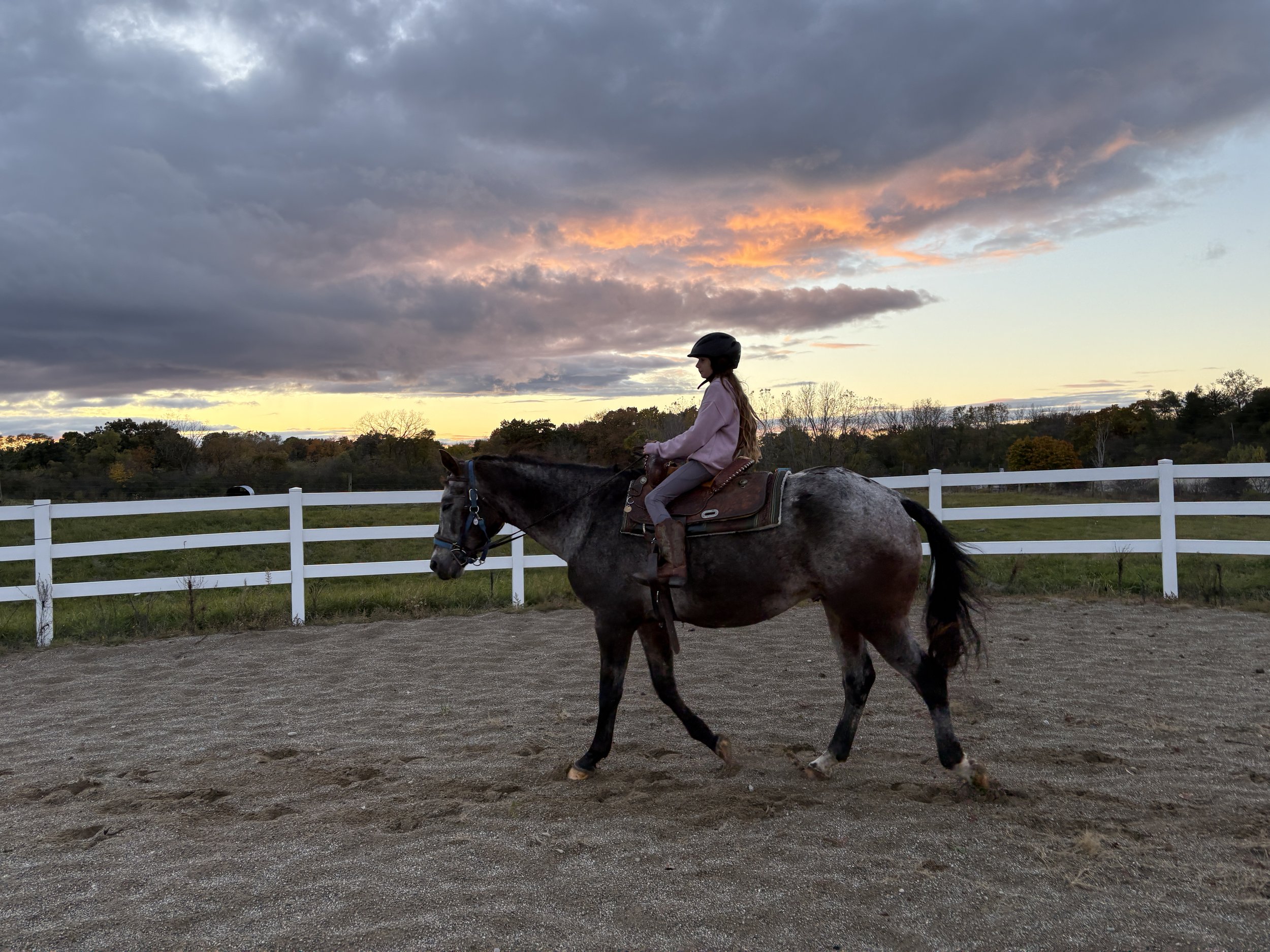
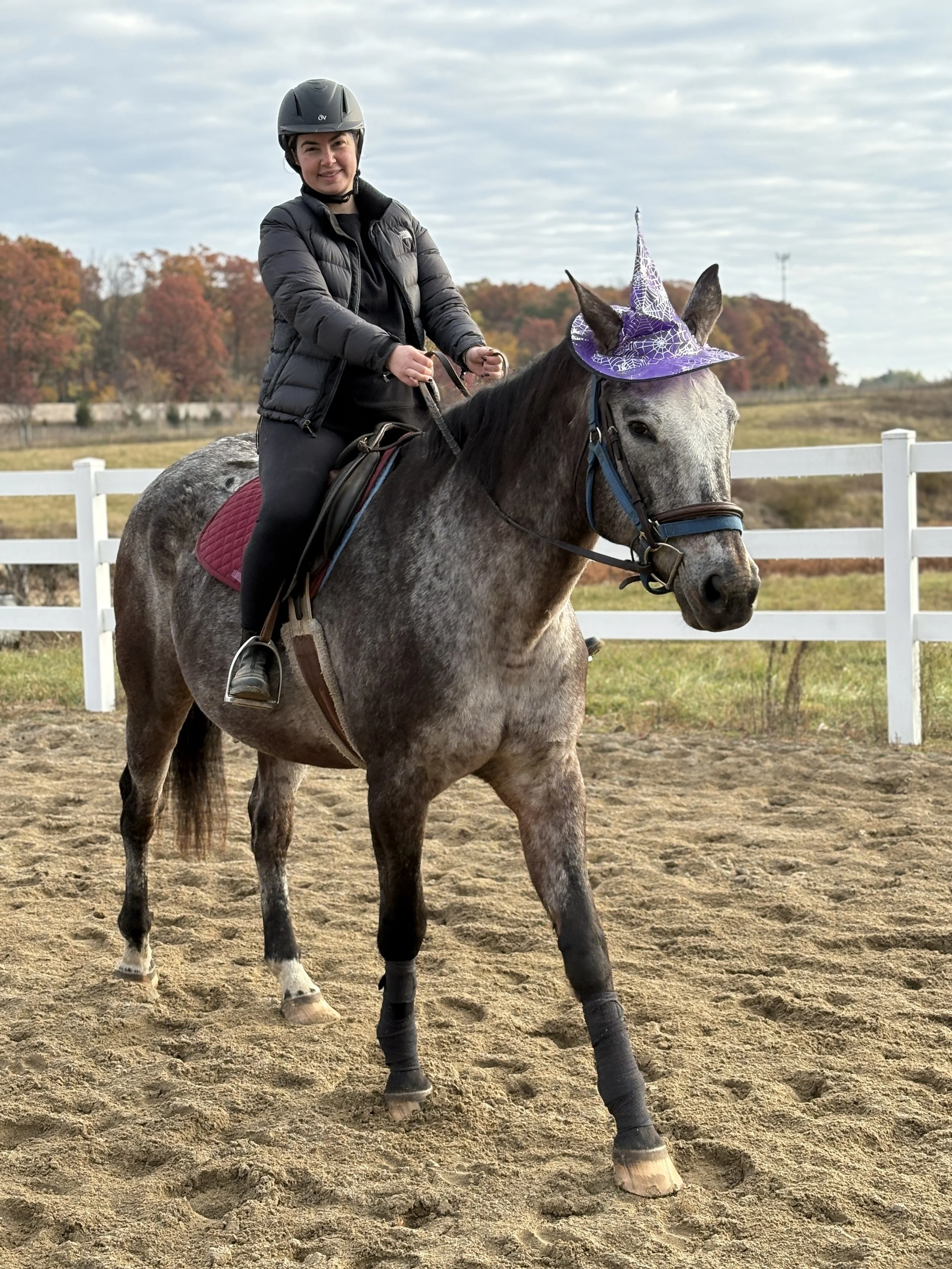
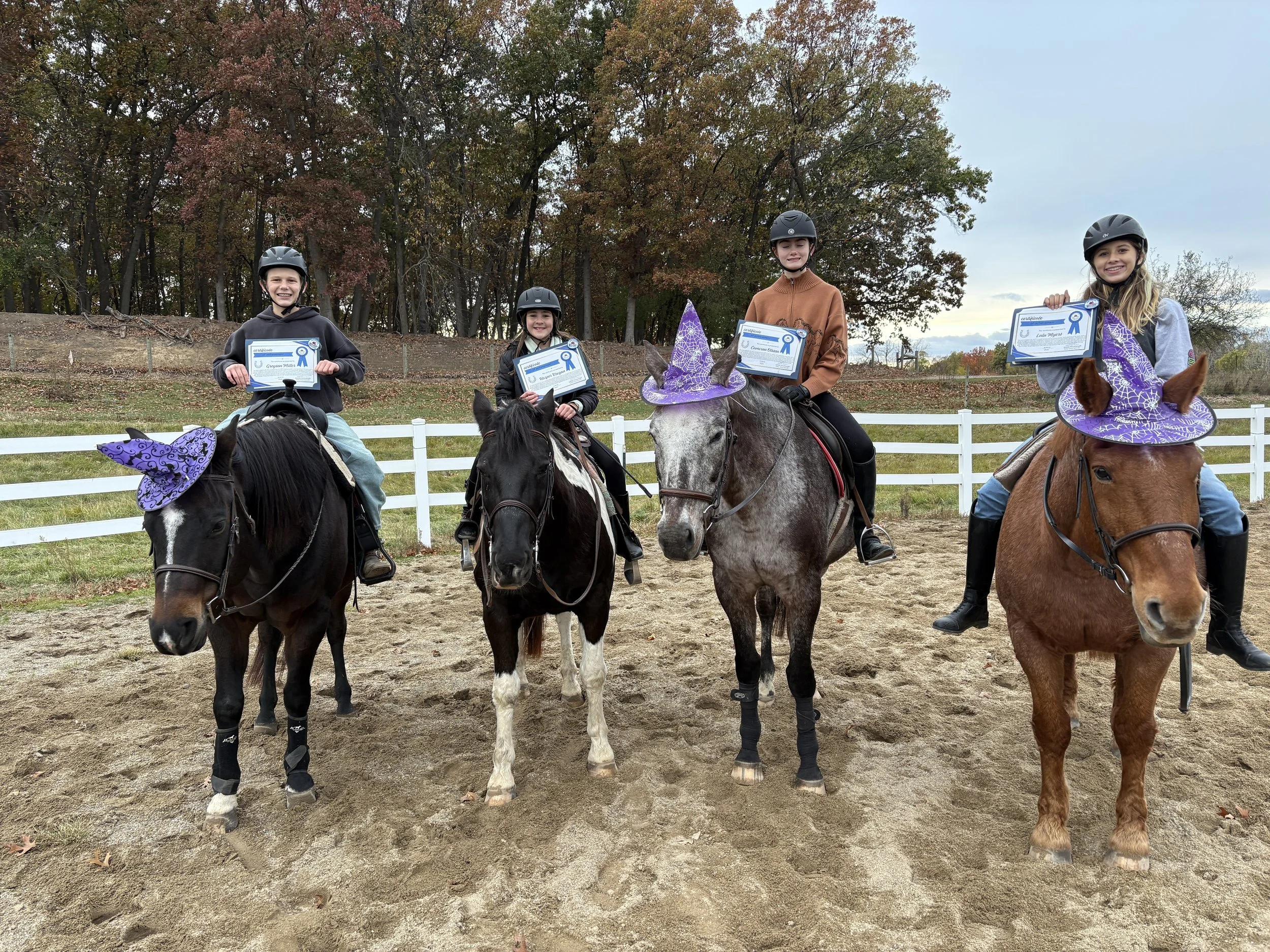
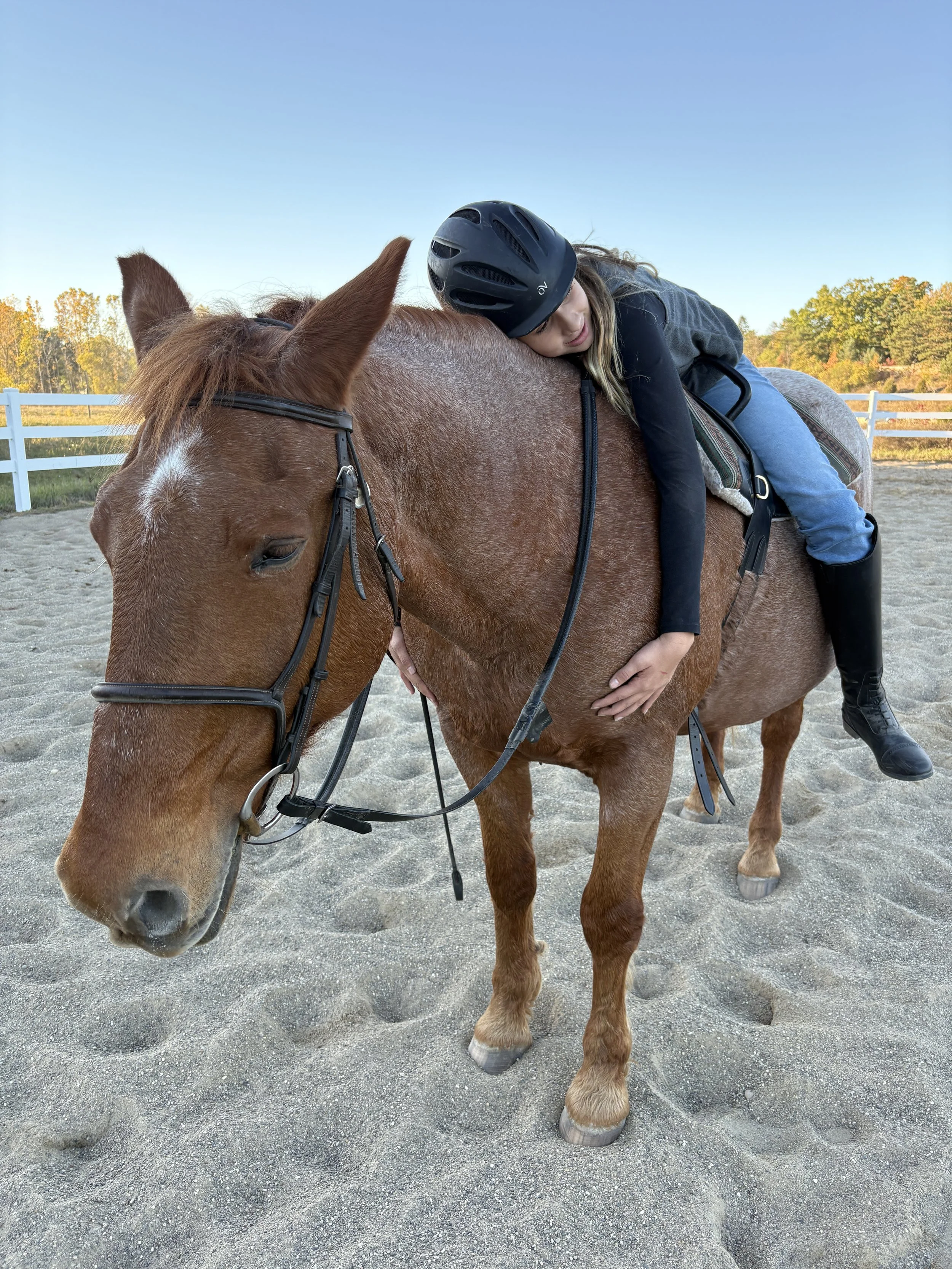
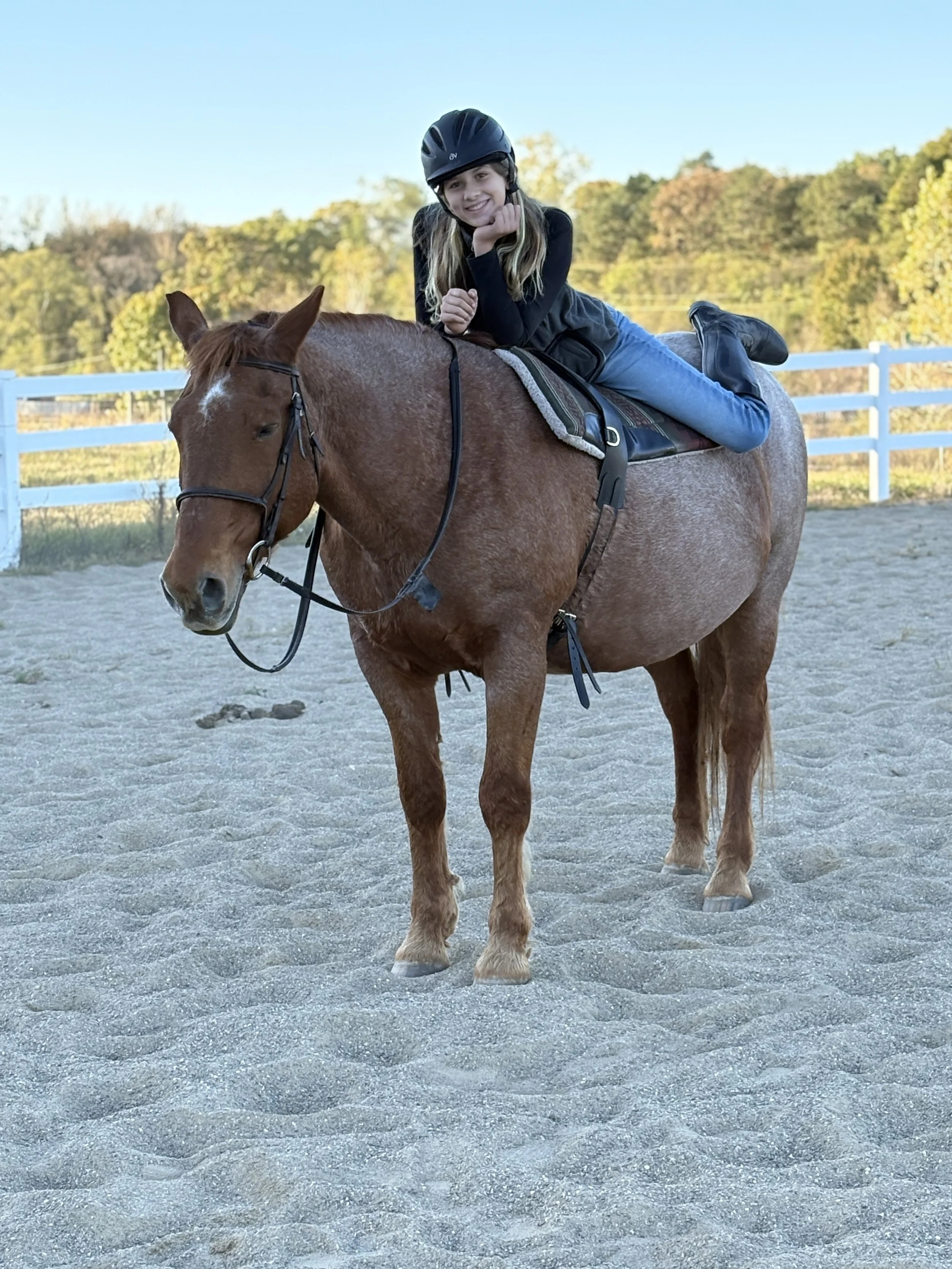
From giggles and pony kisses to those “lightbulb” learning moments, this fall was full of reasons to smile. Our barn was alive with laughter, growth, and the comforting rhythm of hooves on sand.
To all of my riders beginners, intermediates, and advanced thank you for bringing your energy, dedication, and joy to every lesson. To our parents, volunteers, and community members thank you for your support, your time, and your willingness to help us keep the barn running smoothly (and safely!).
And, of course, to our horses the true teachers of patience, honesty, and humility. Thank you for carrying us through another wonderful year. You’ve earned your winter naps and extra treats!
As we close the gates for the season, we look forward to cozy winter learning and a fresh start come spring. Until then, may your days be full of horse dreams and your boots stay just a little cleaner than ours.
🐎❤️ With love, gratitude, and a touch of barn dust,
Ms. Lou!!!
![IMG_1432[1].JPG](https://images.squarespace-cdn.com/content/v1/5f3466e1752be67f35c2d4f5/1762448943947-S2JYCA0LCRNNAAWH9TNE/IMG_1432%5B1%5D.JPG)
![IMG_1045[1].JPG](https://images.squarespace-cdn.com/content/v1/5f3466e1752be67f35c2d4f5/1762449126920-O4Y35PVKQXEOOCZFCQHT/IMG_1045%5B1%5D.JPG)
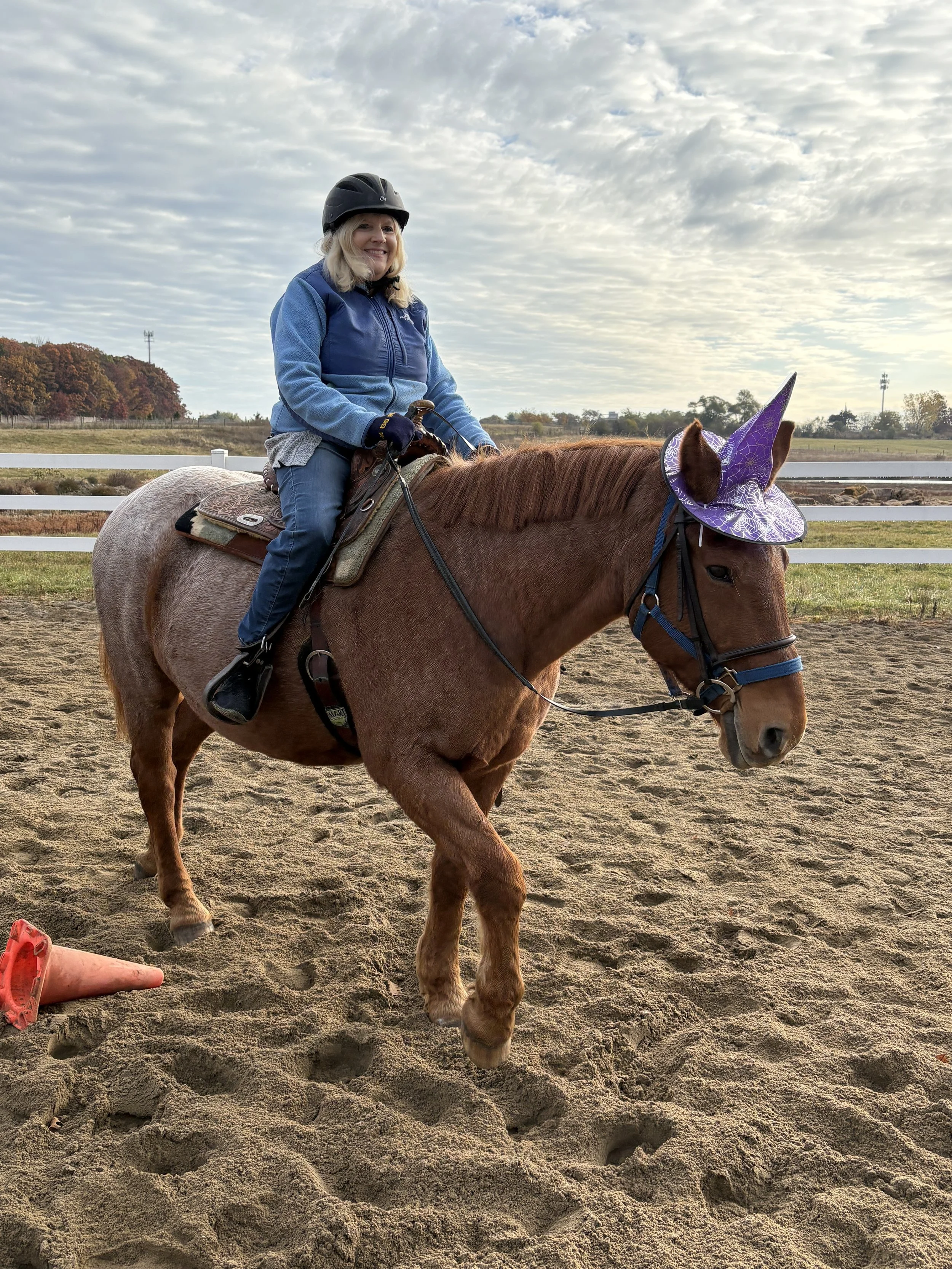
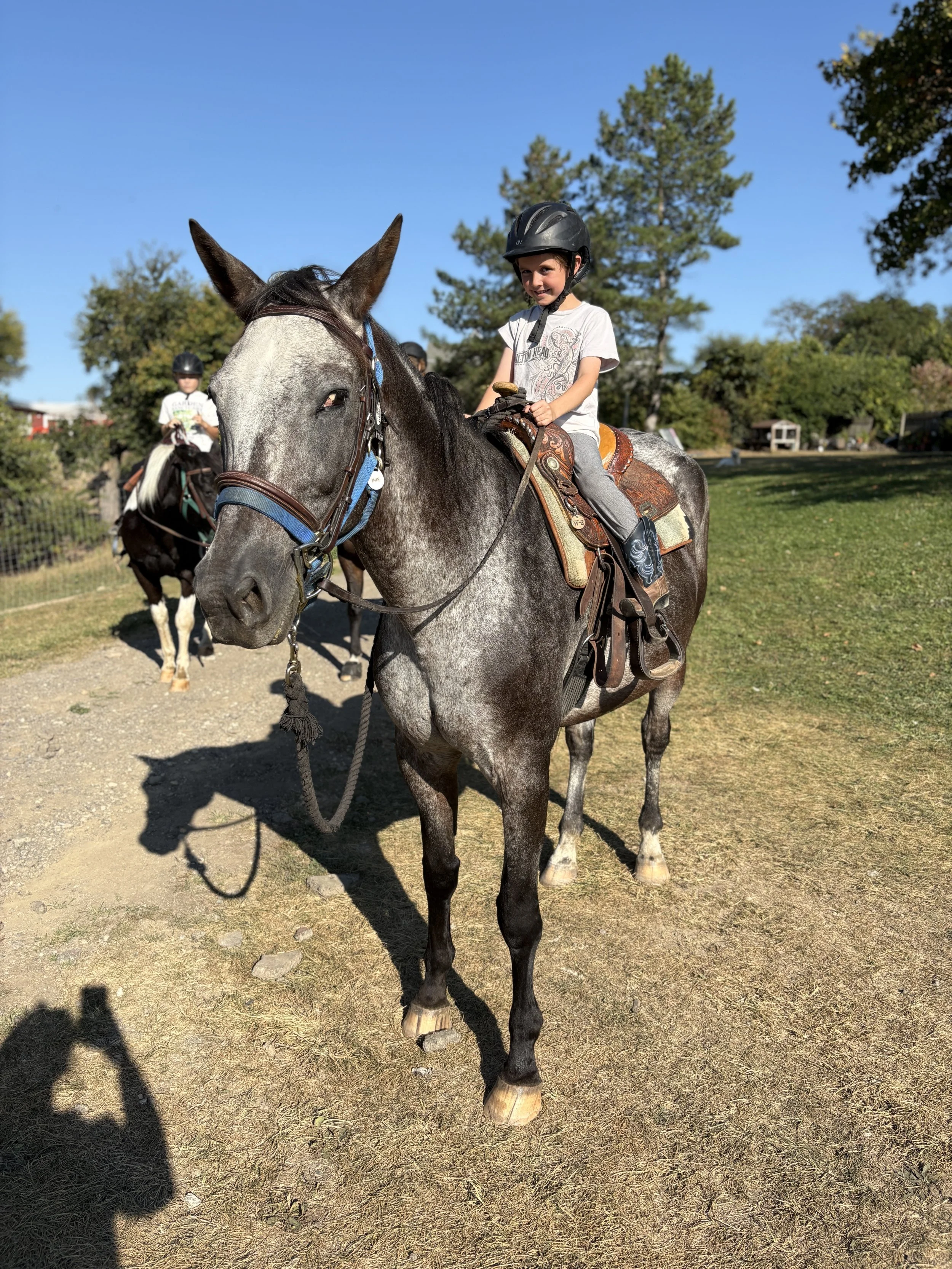
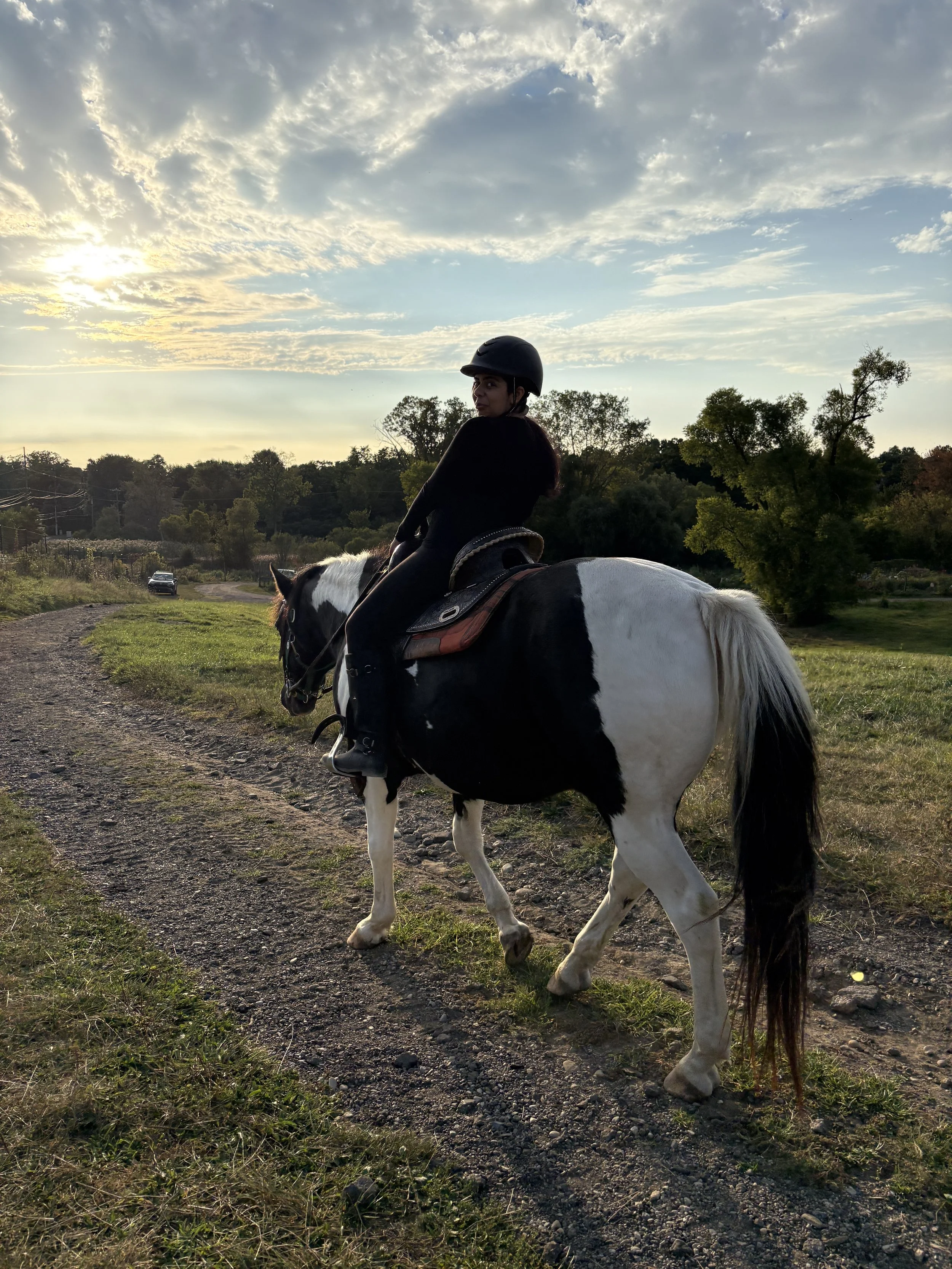
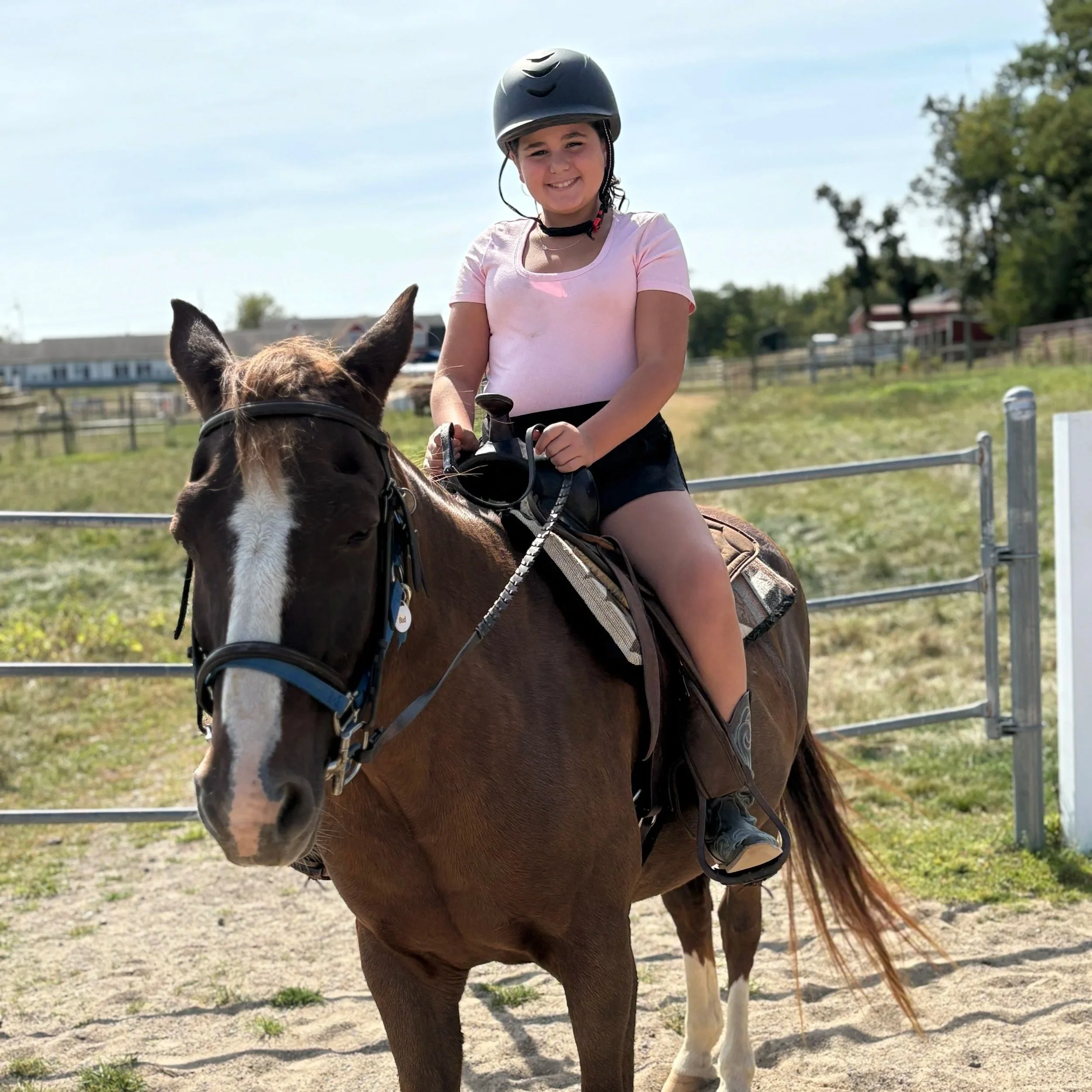
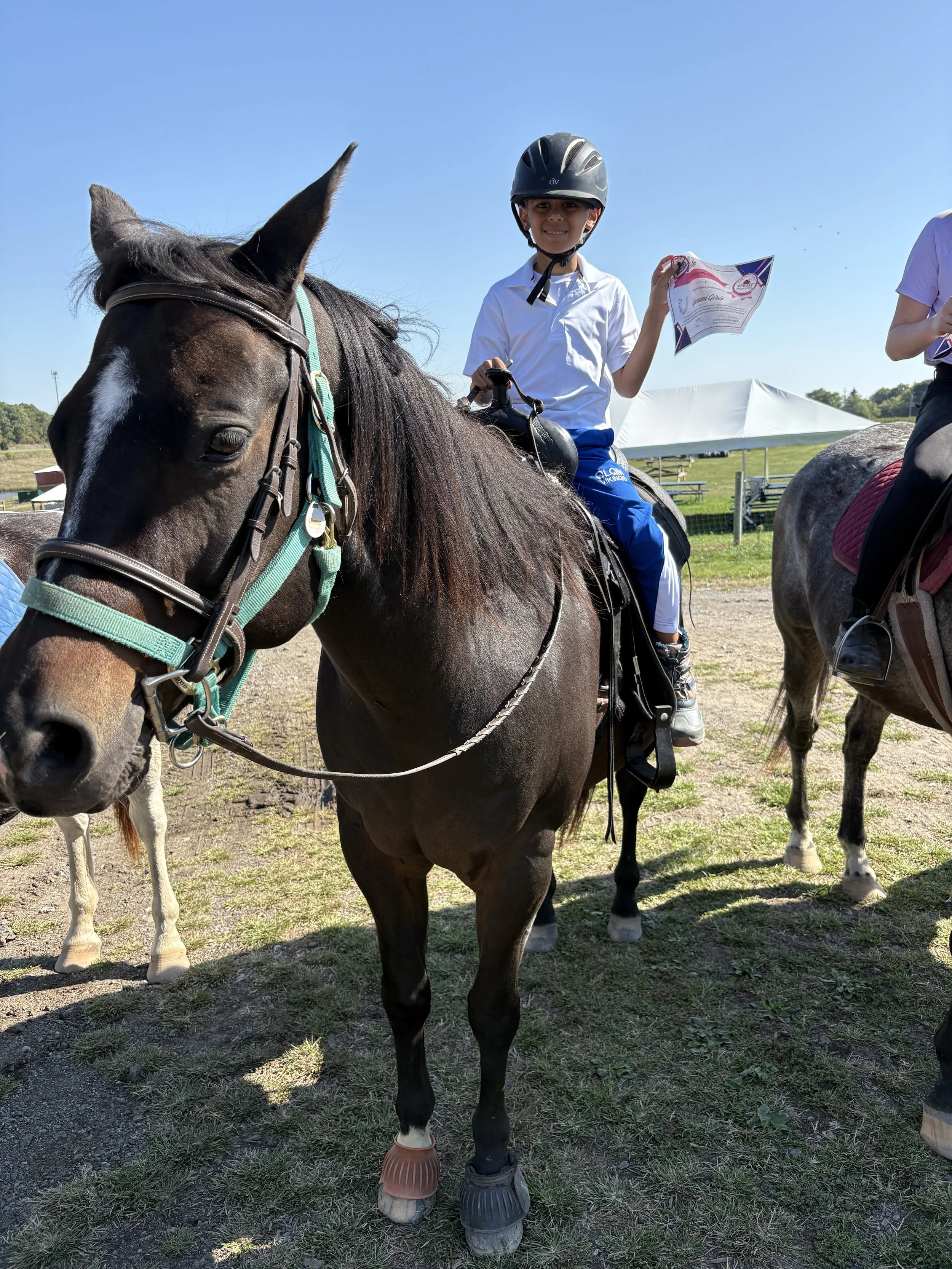
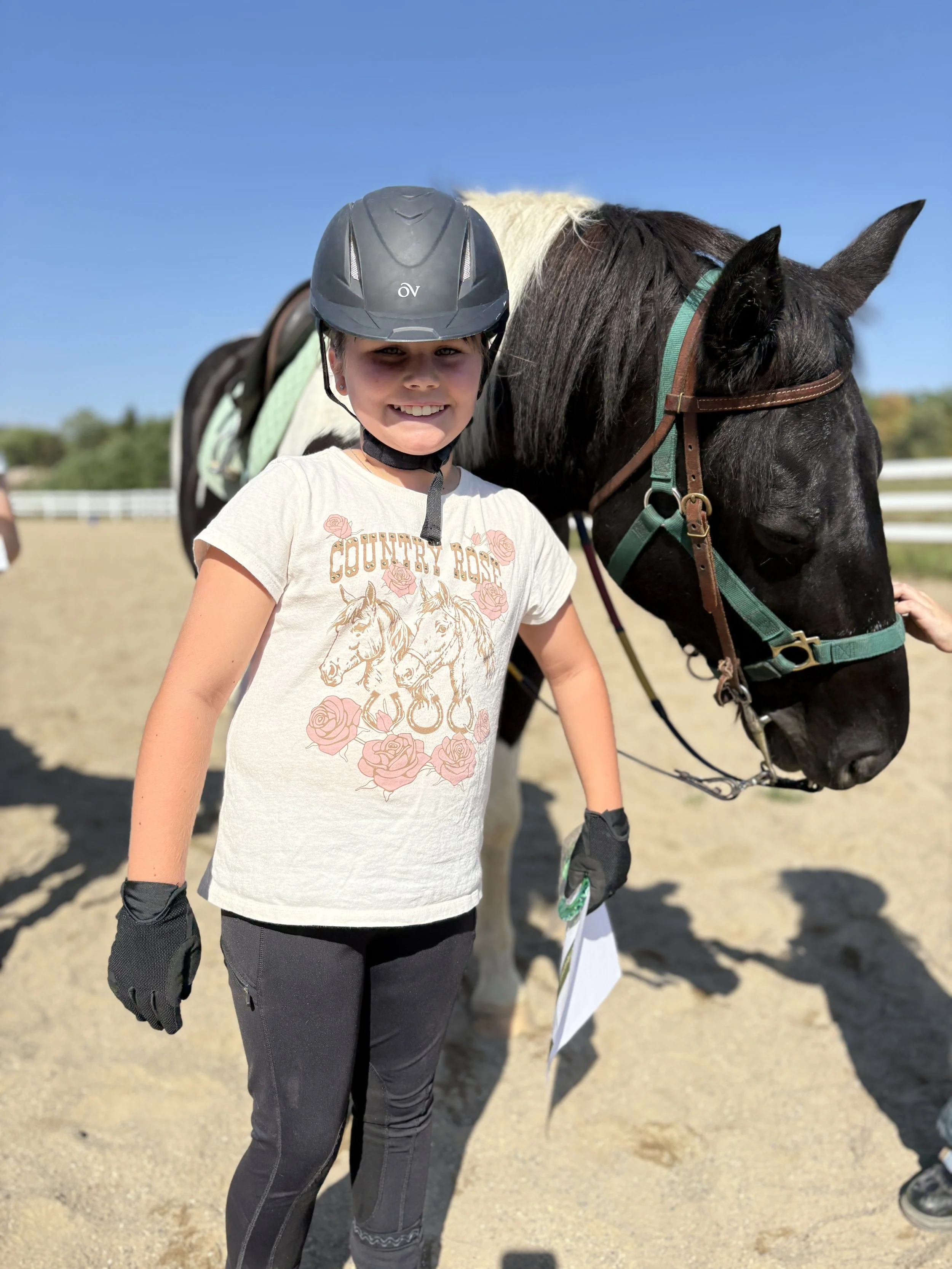
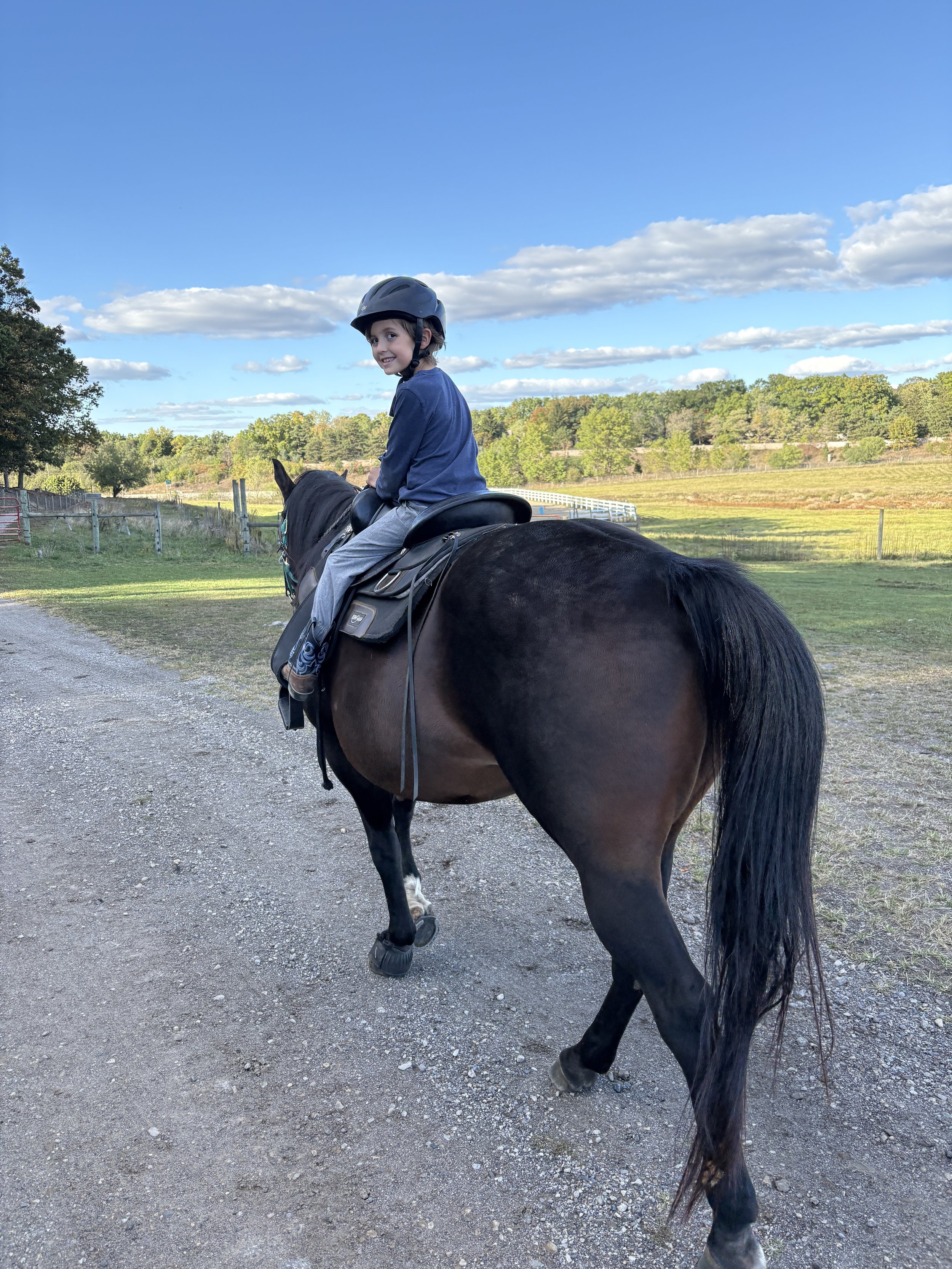
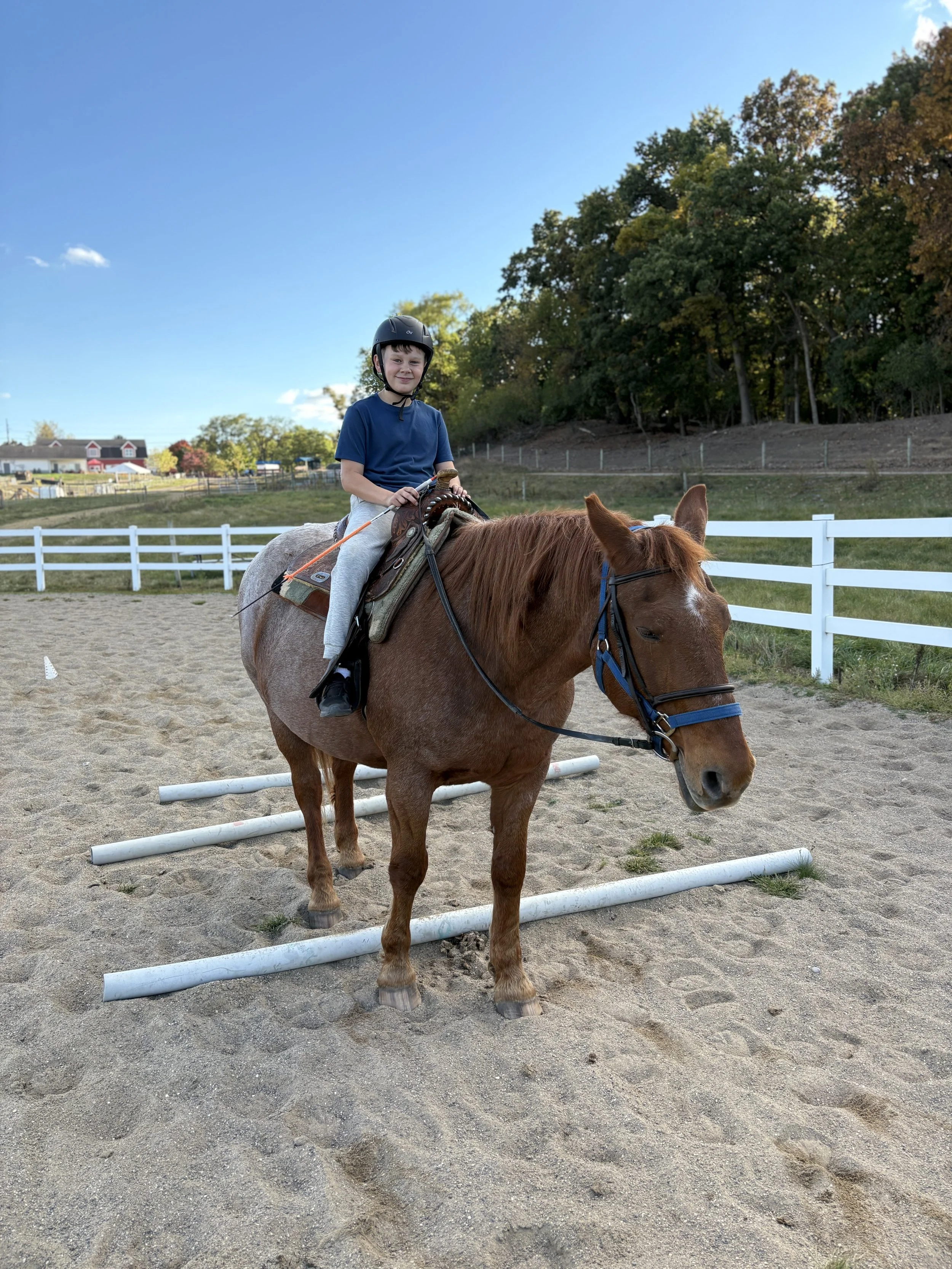
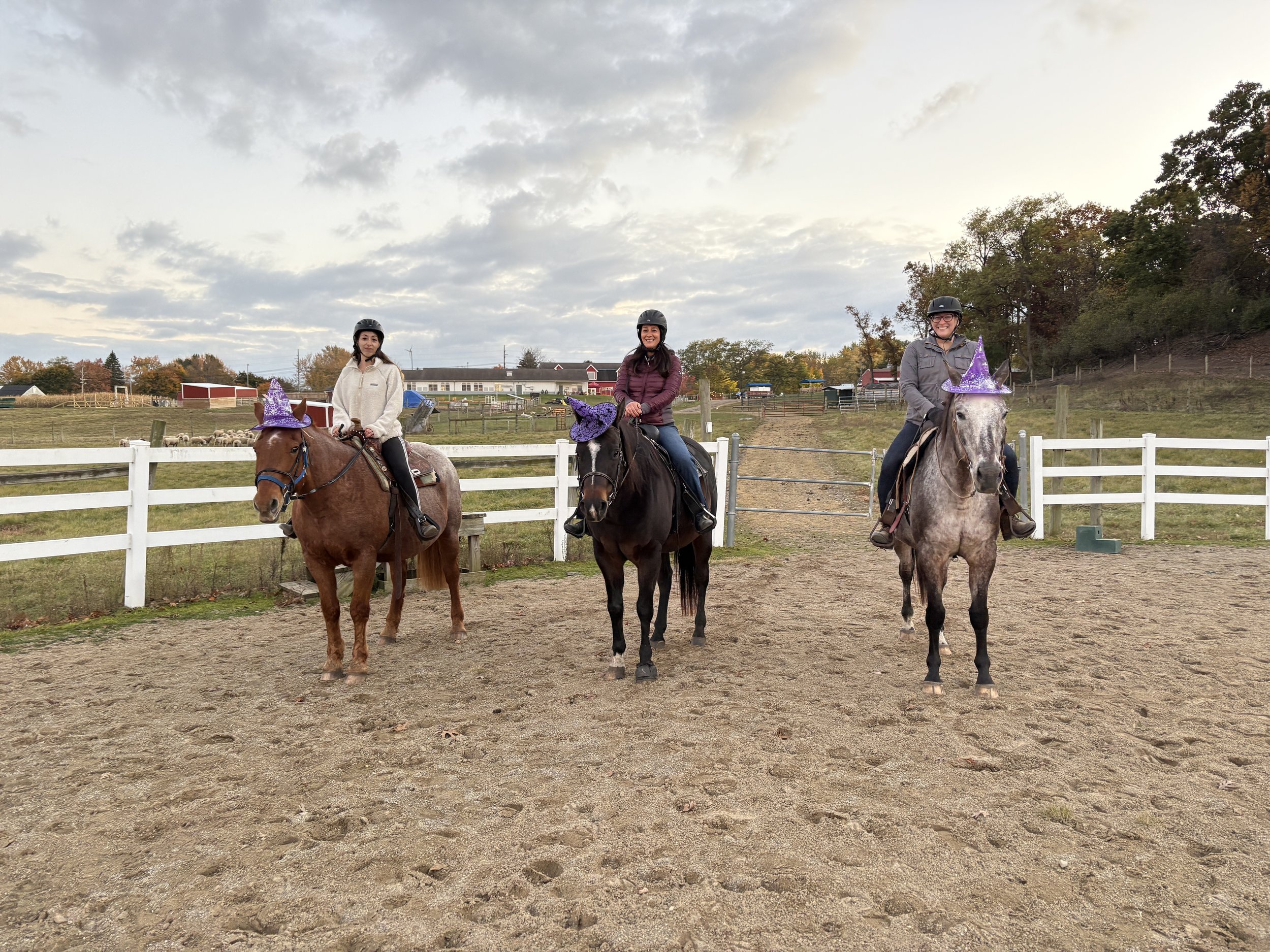
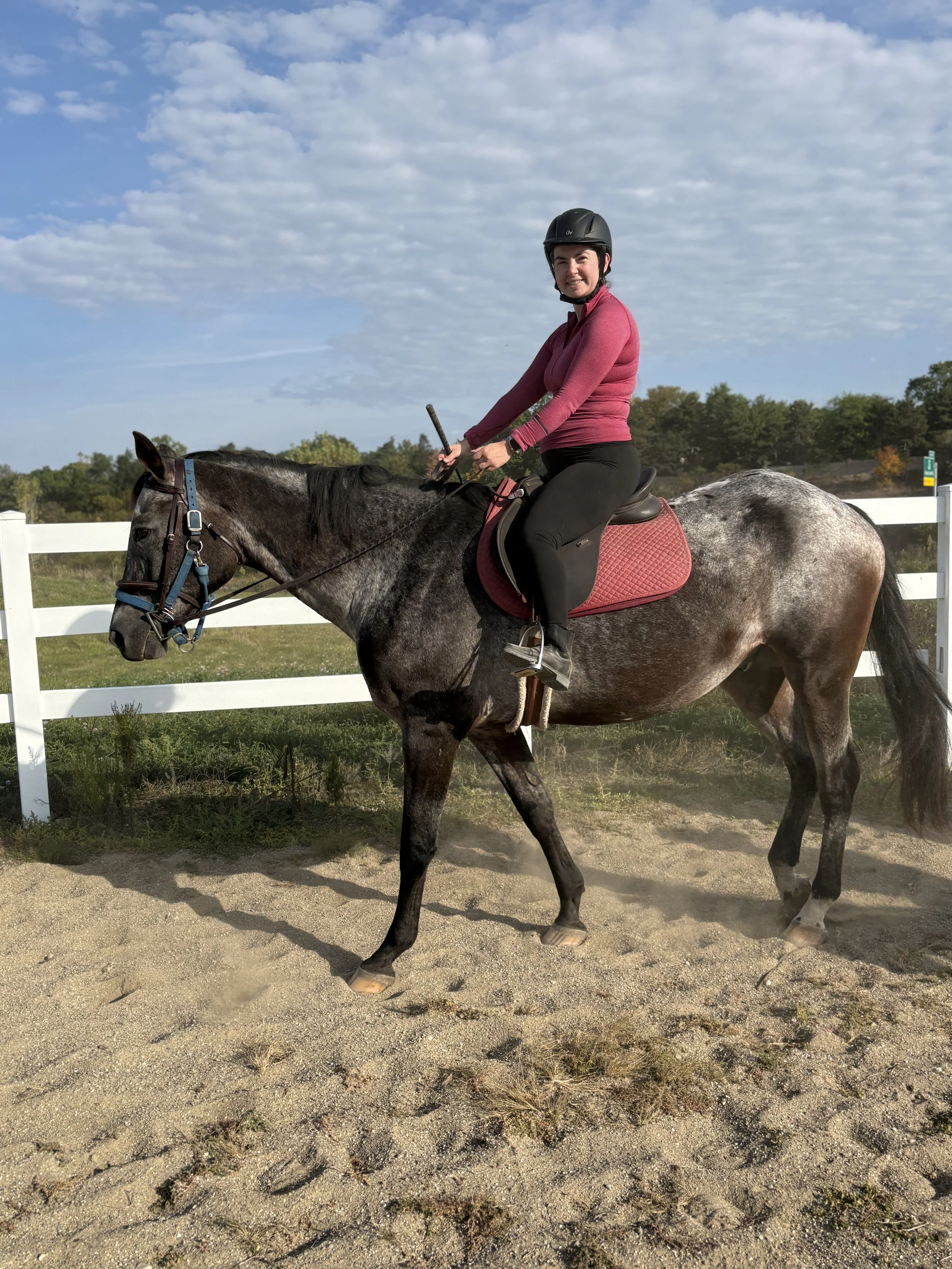
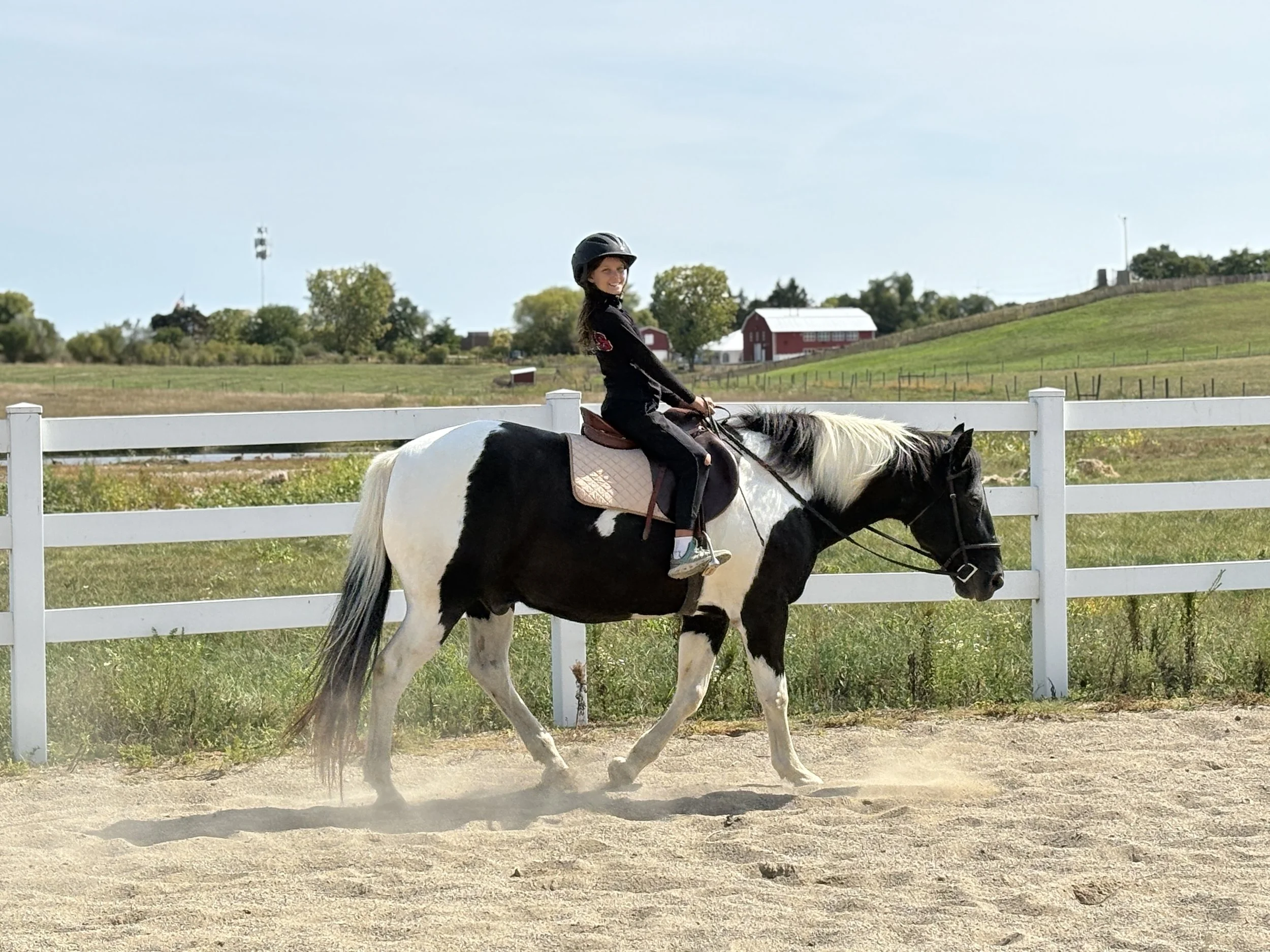
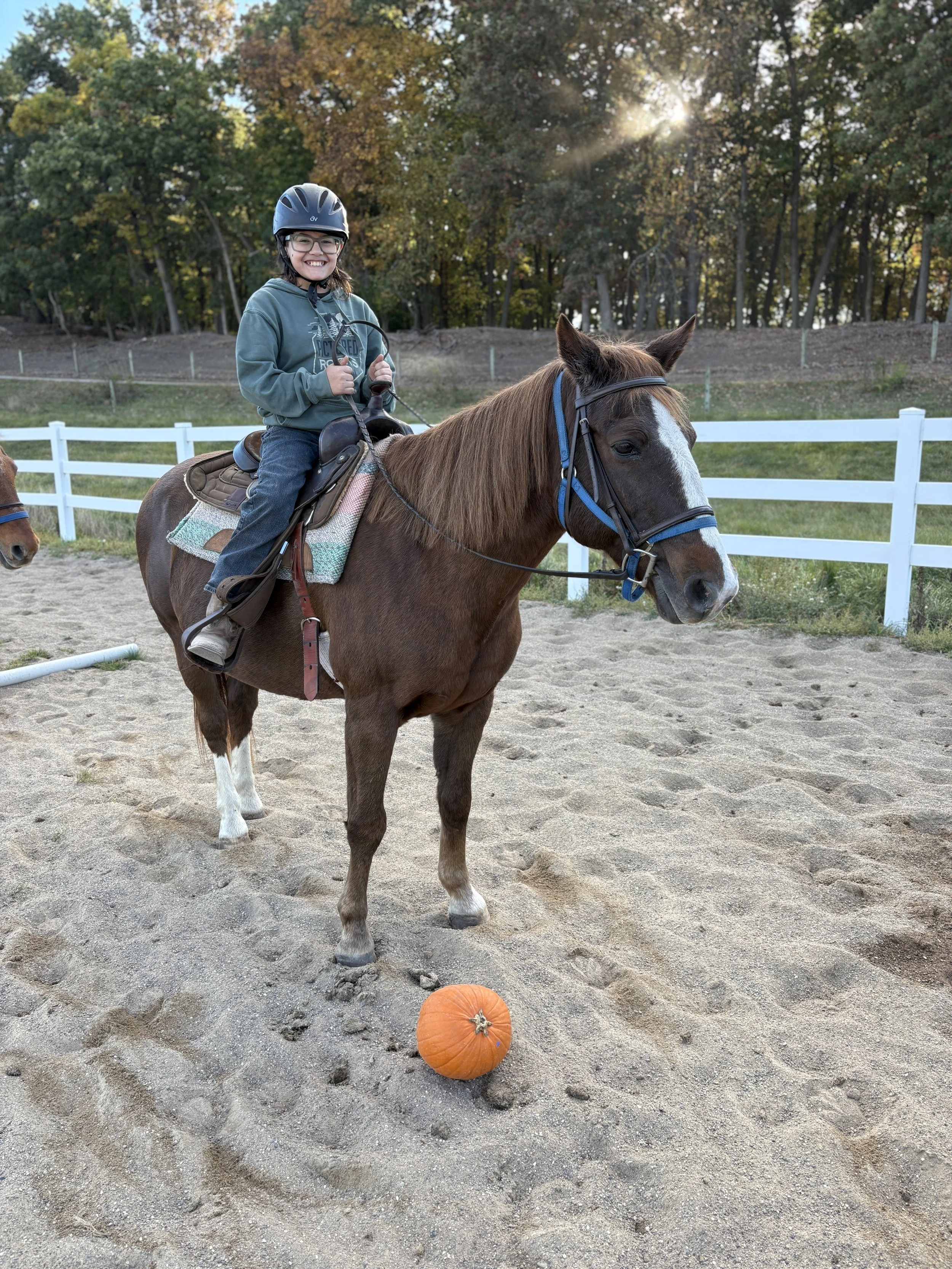
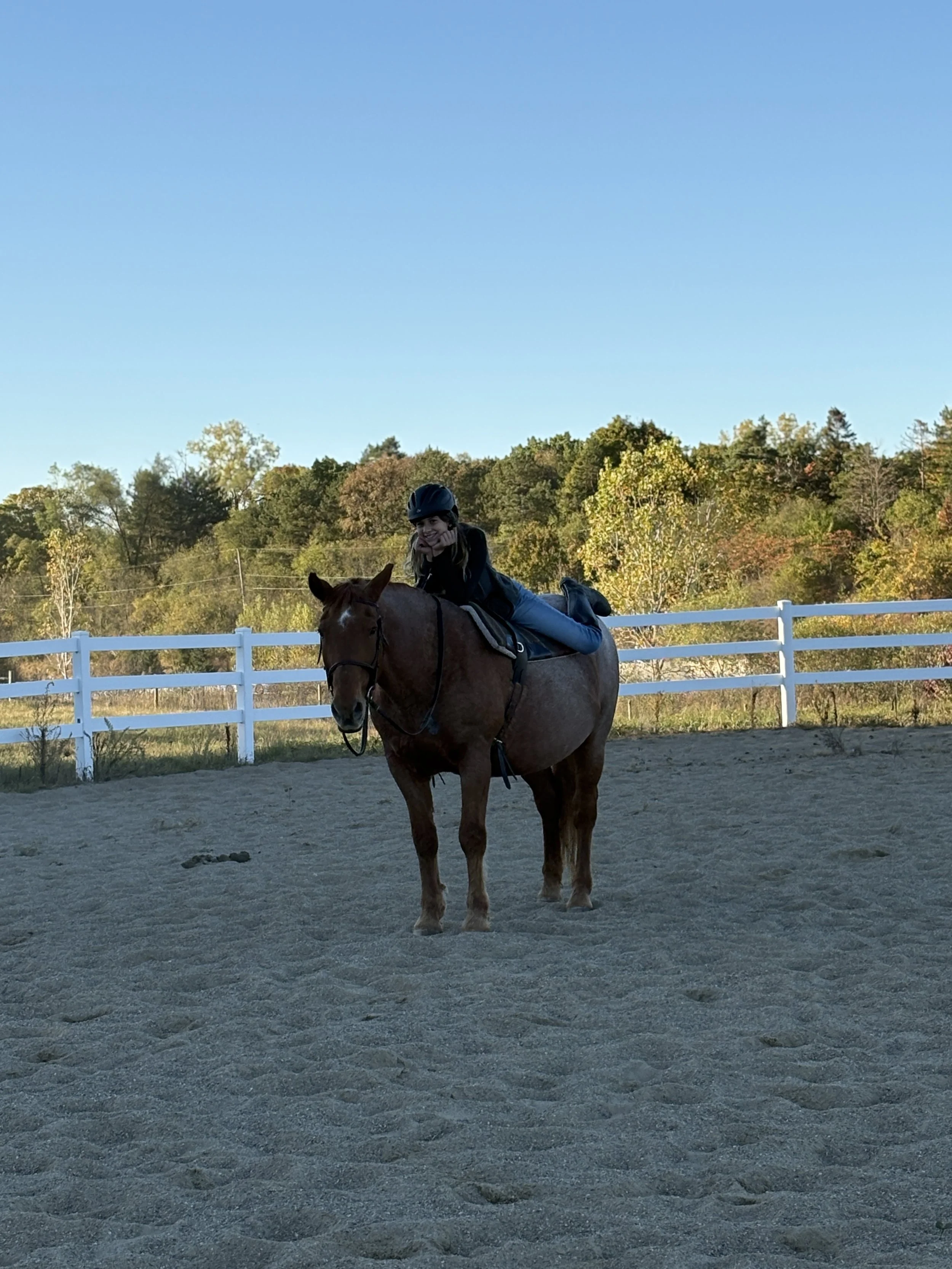
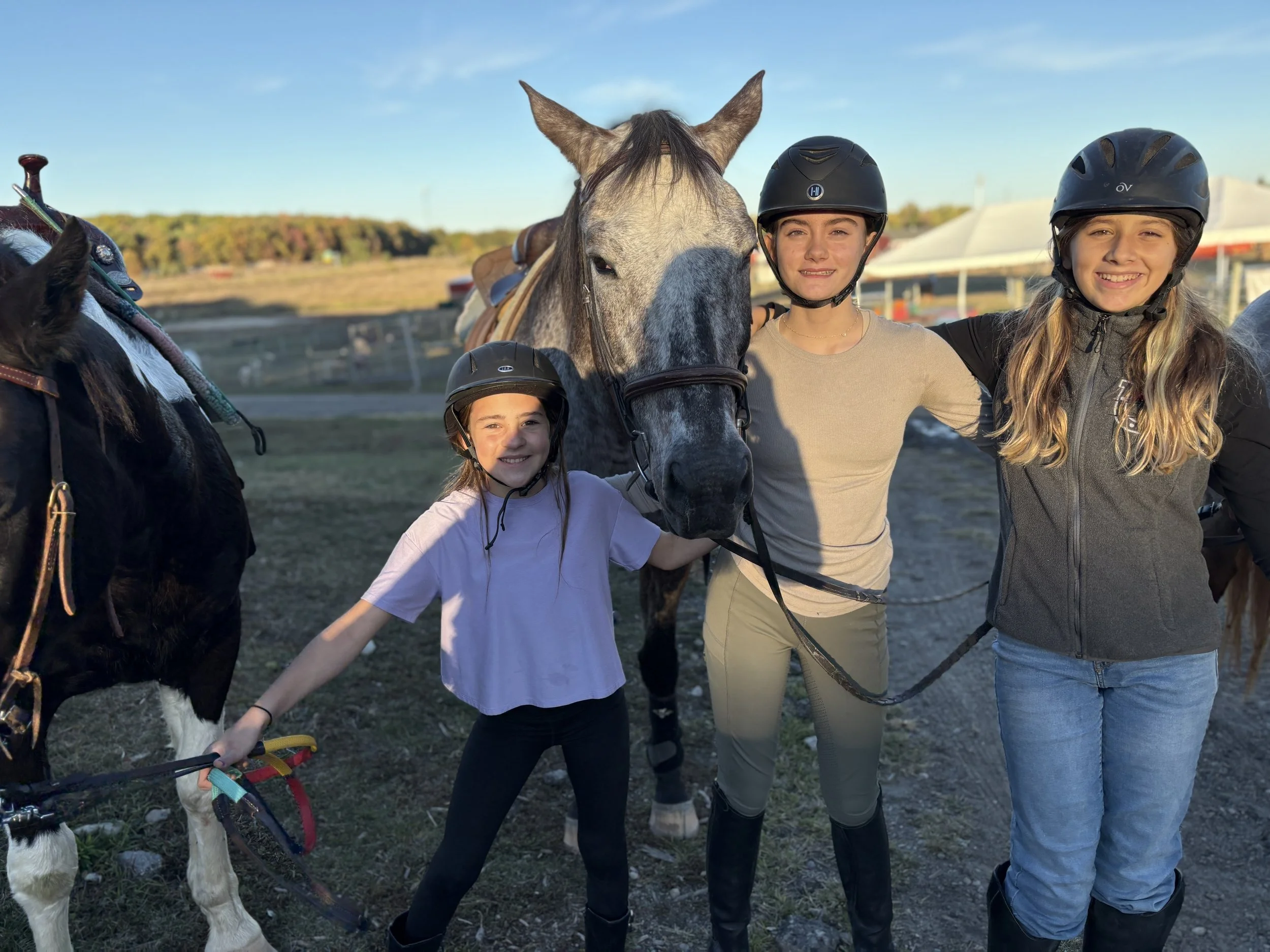
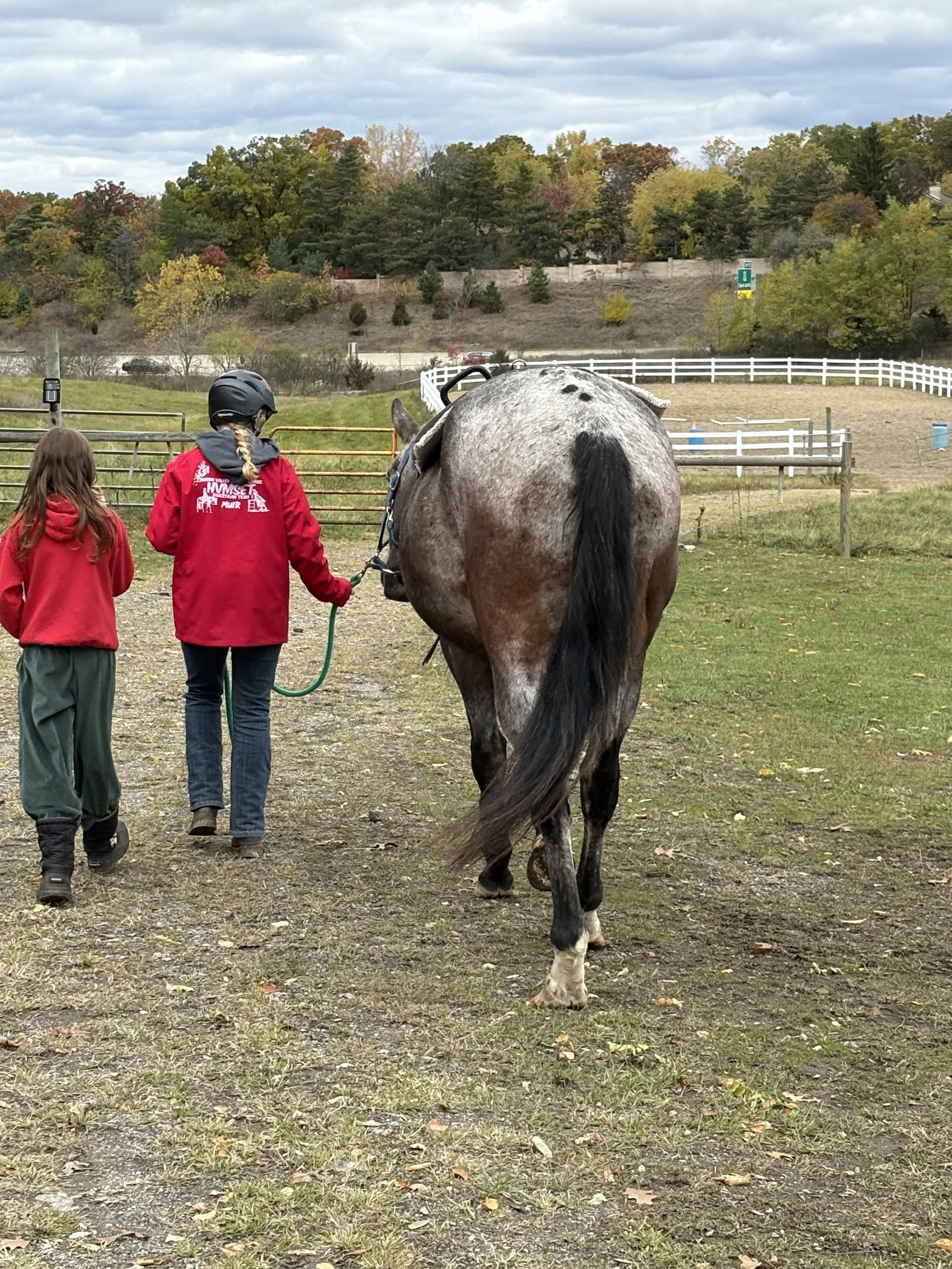
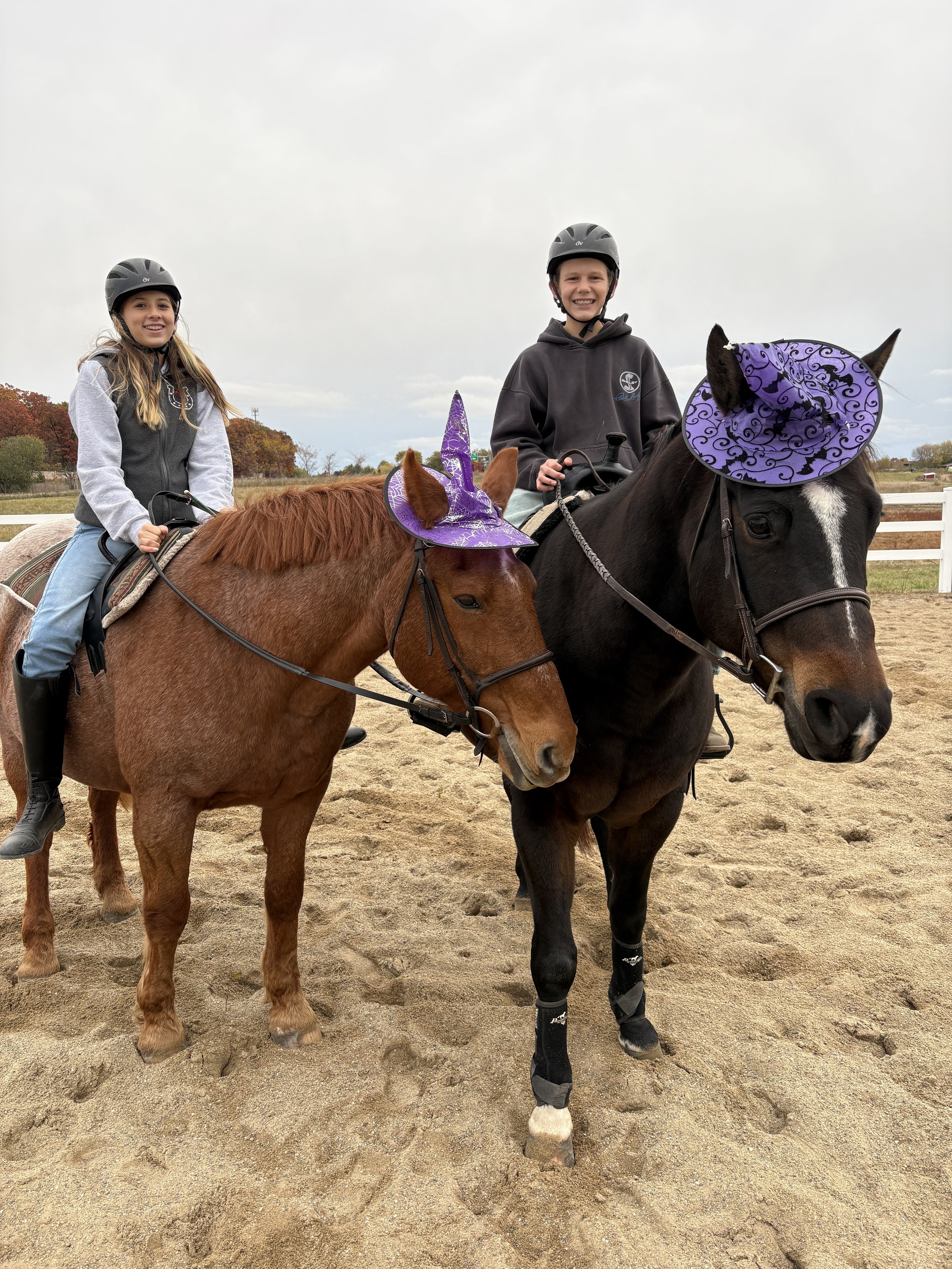
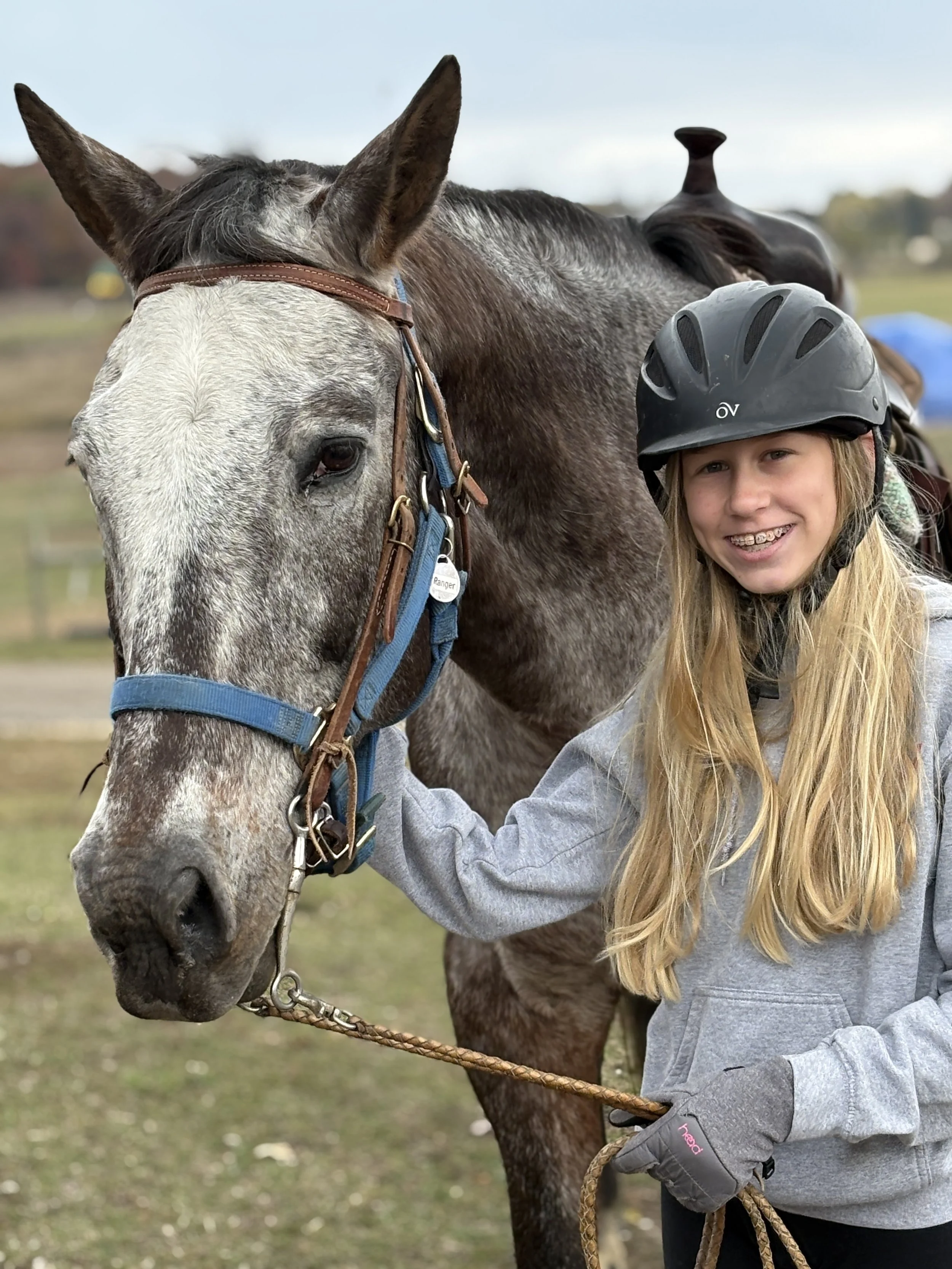
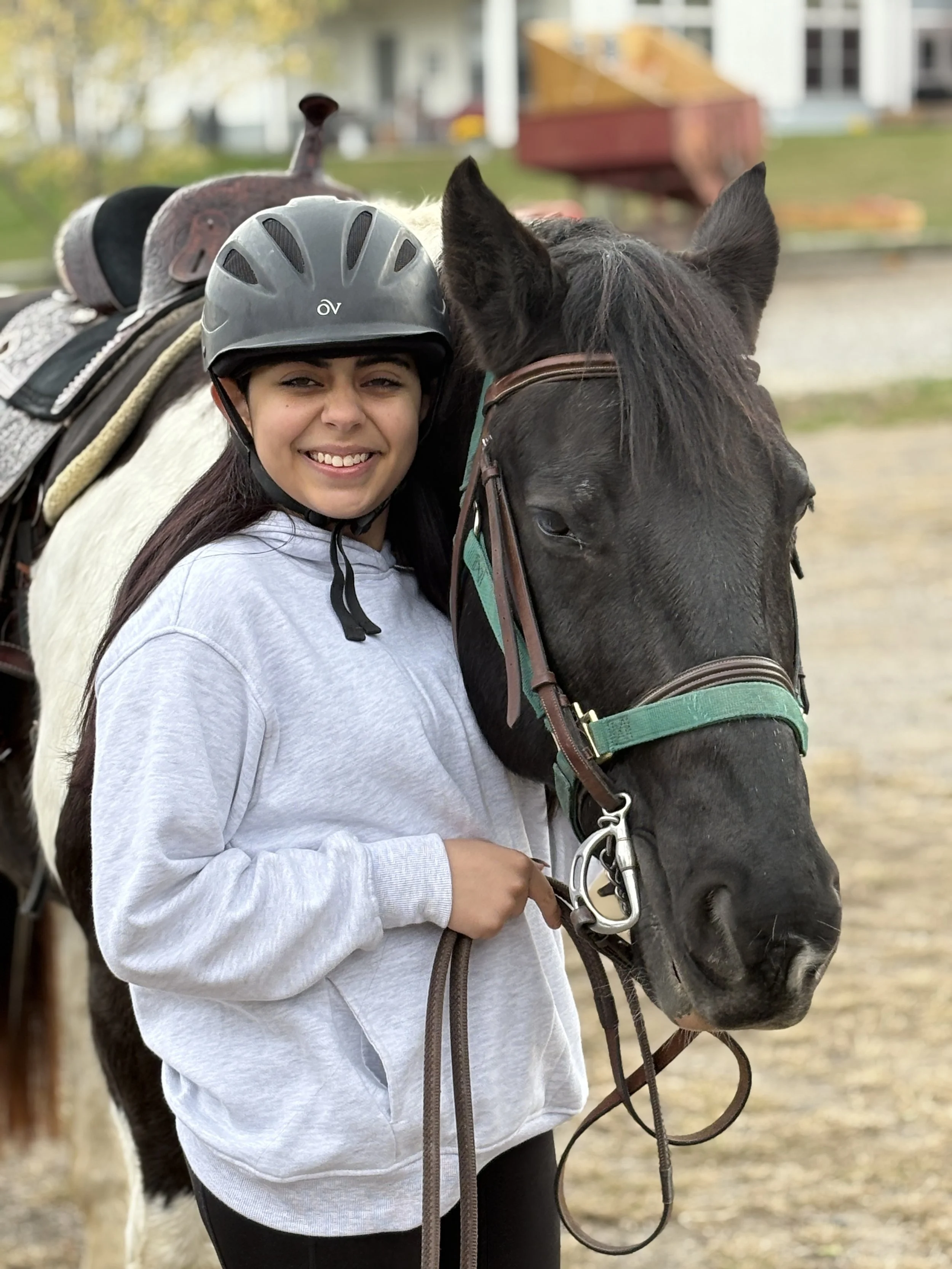
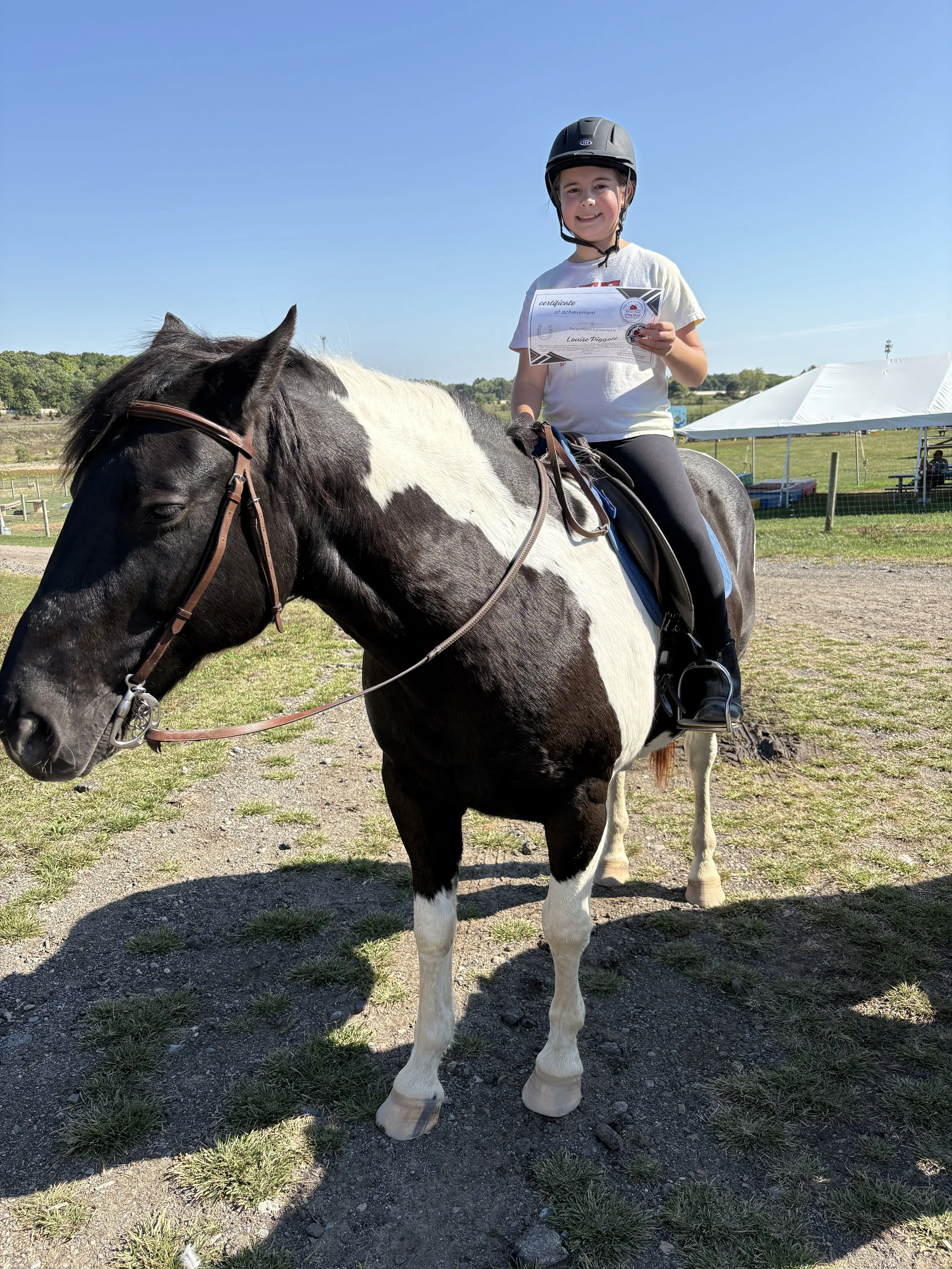
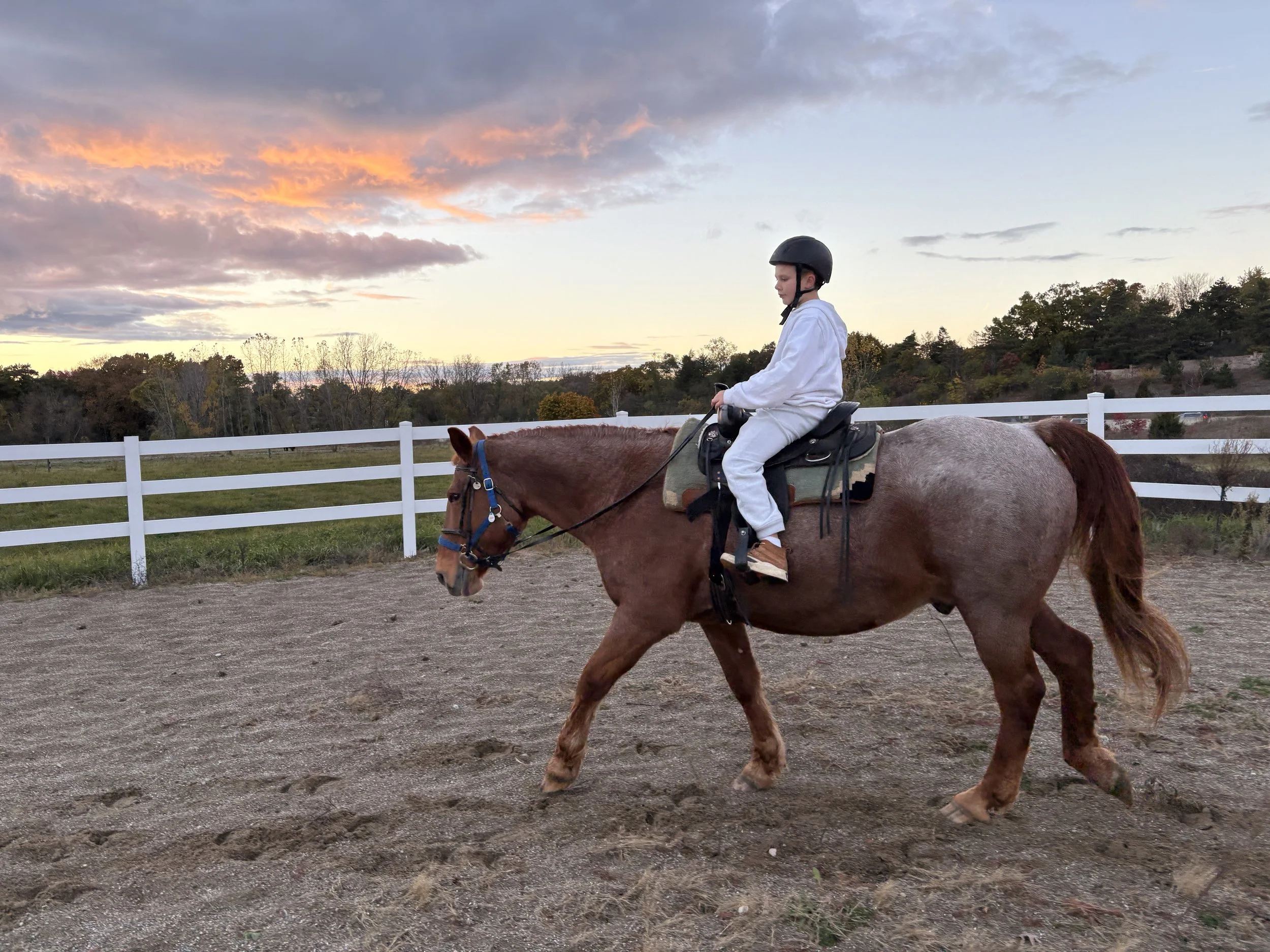
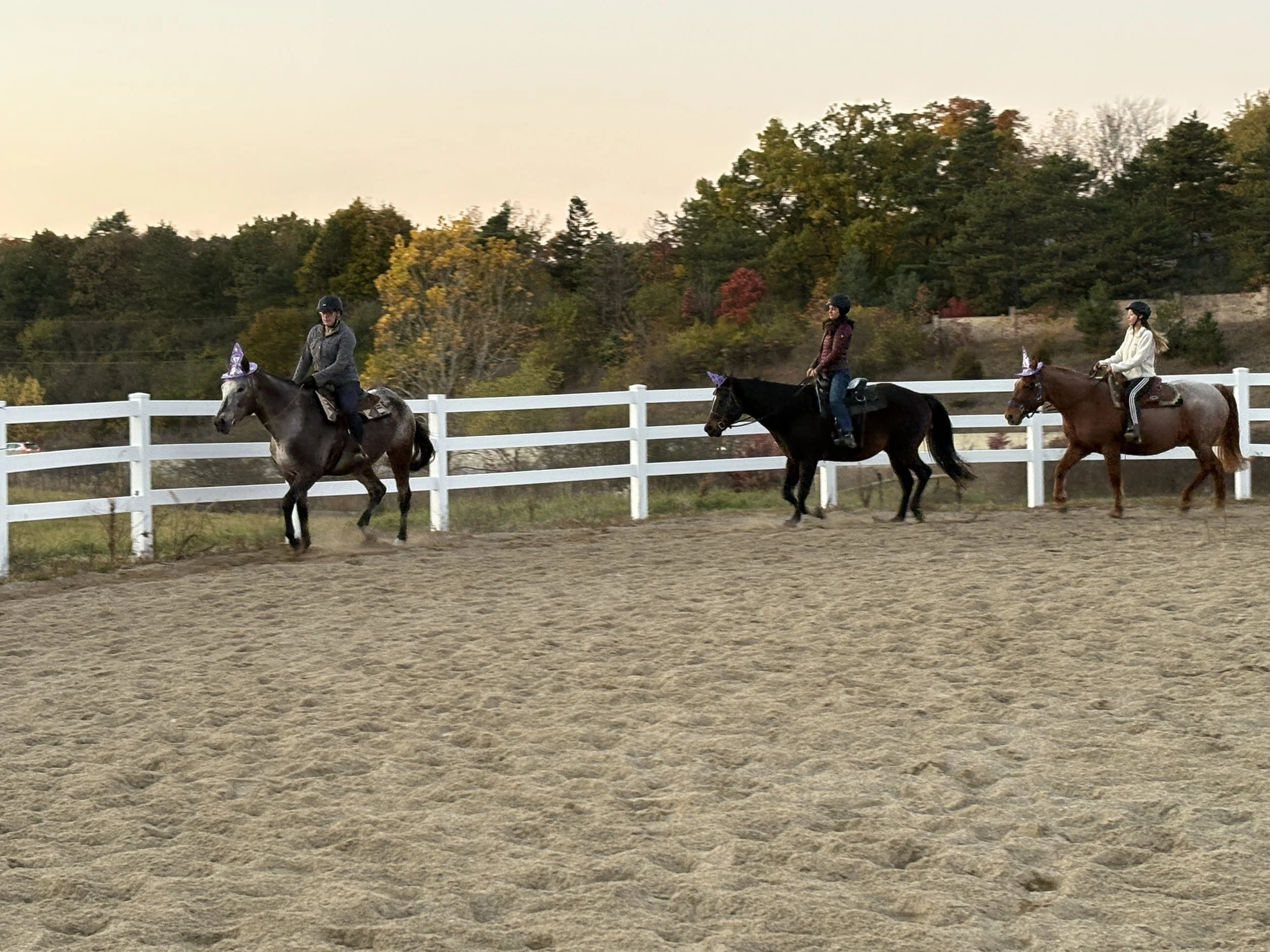
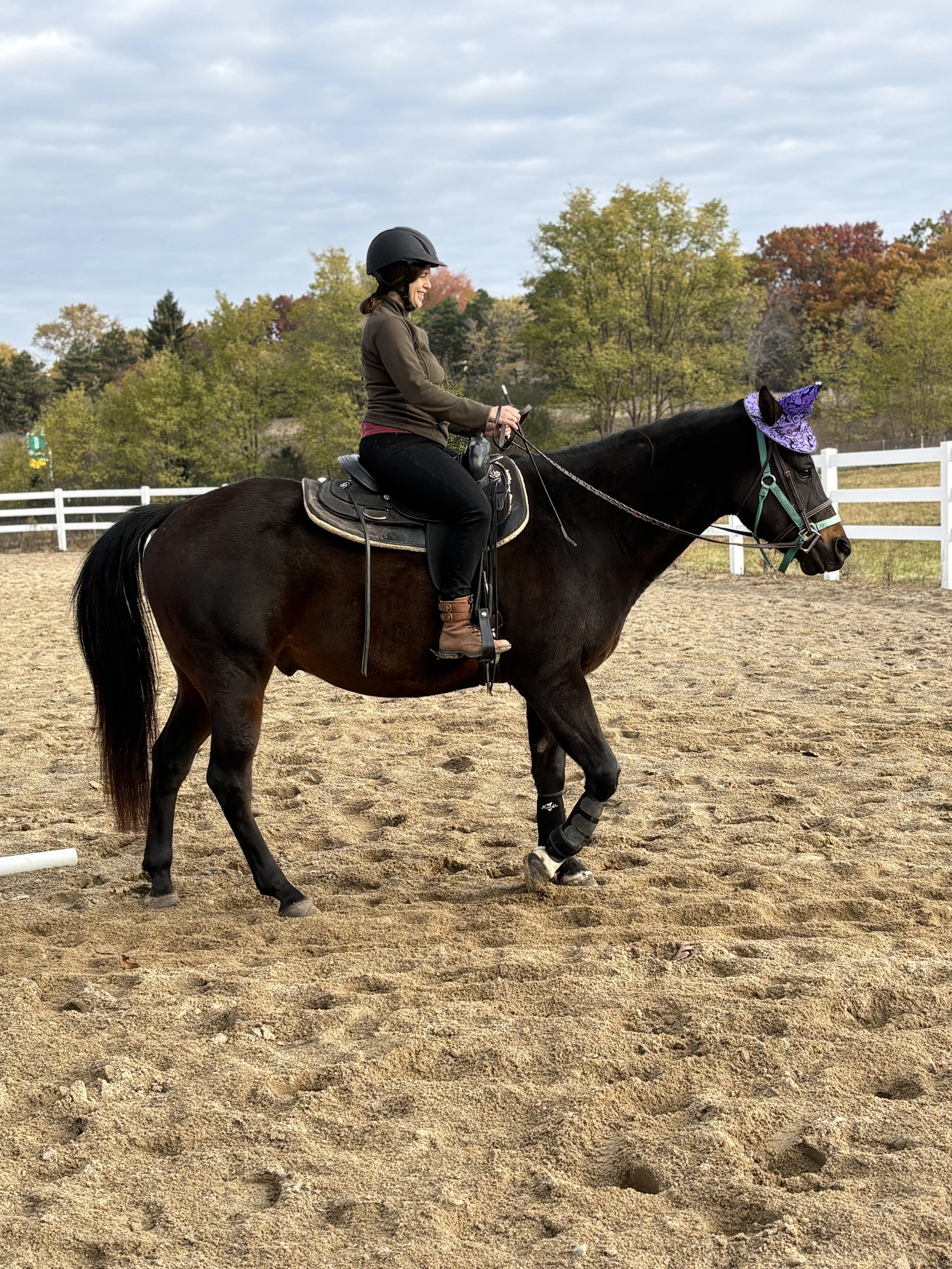

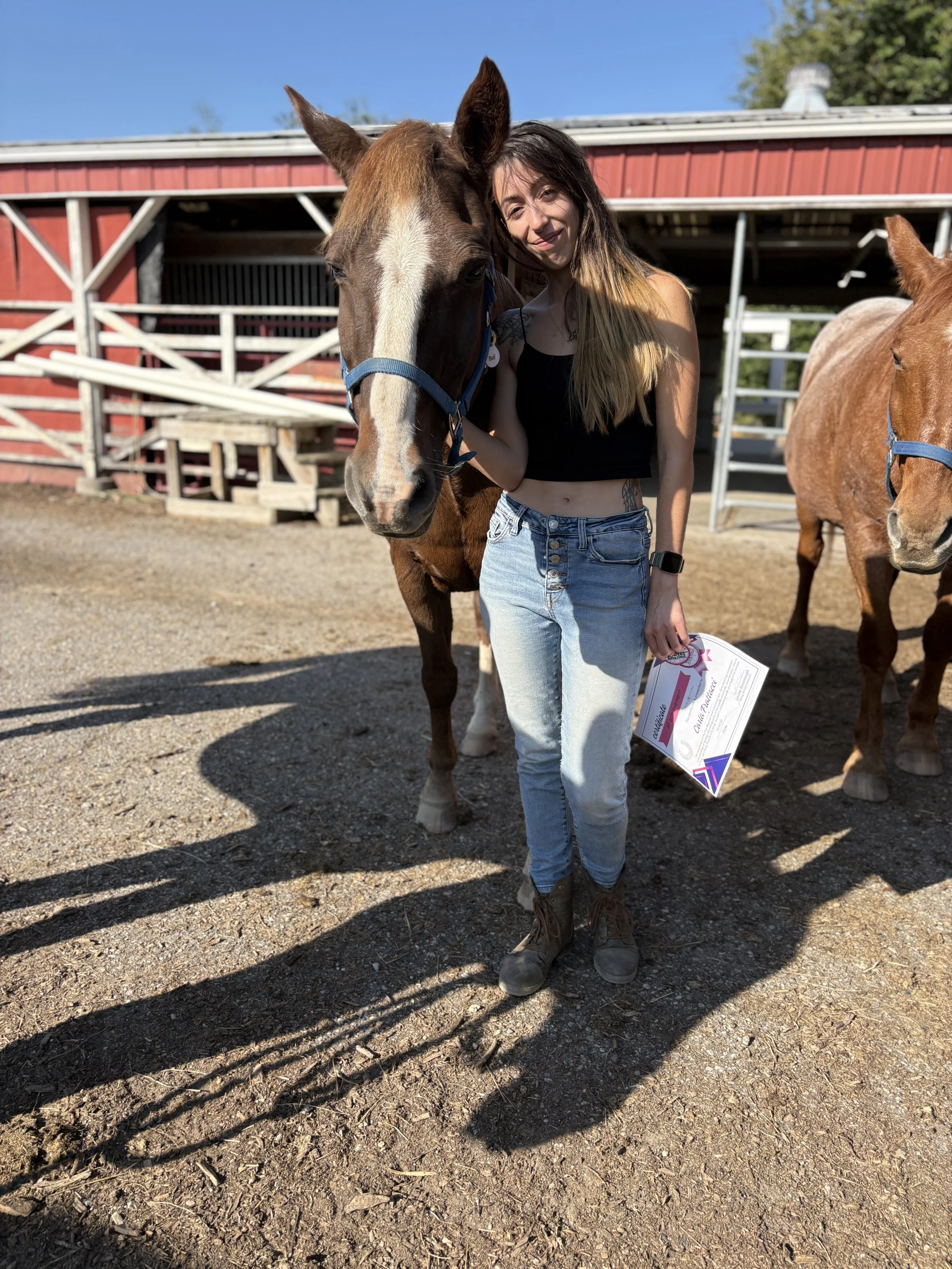
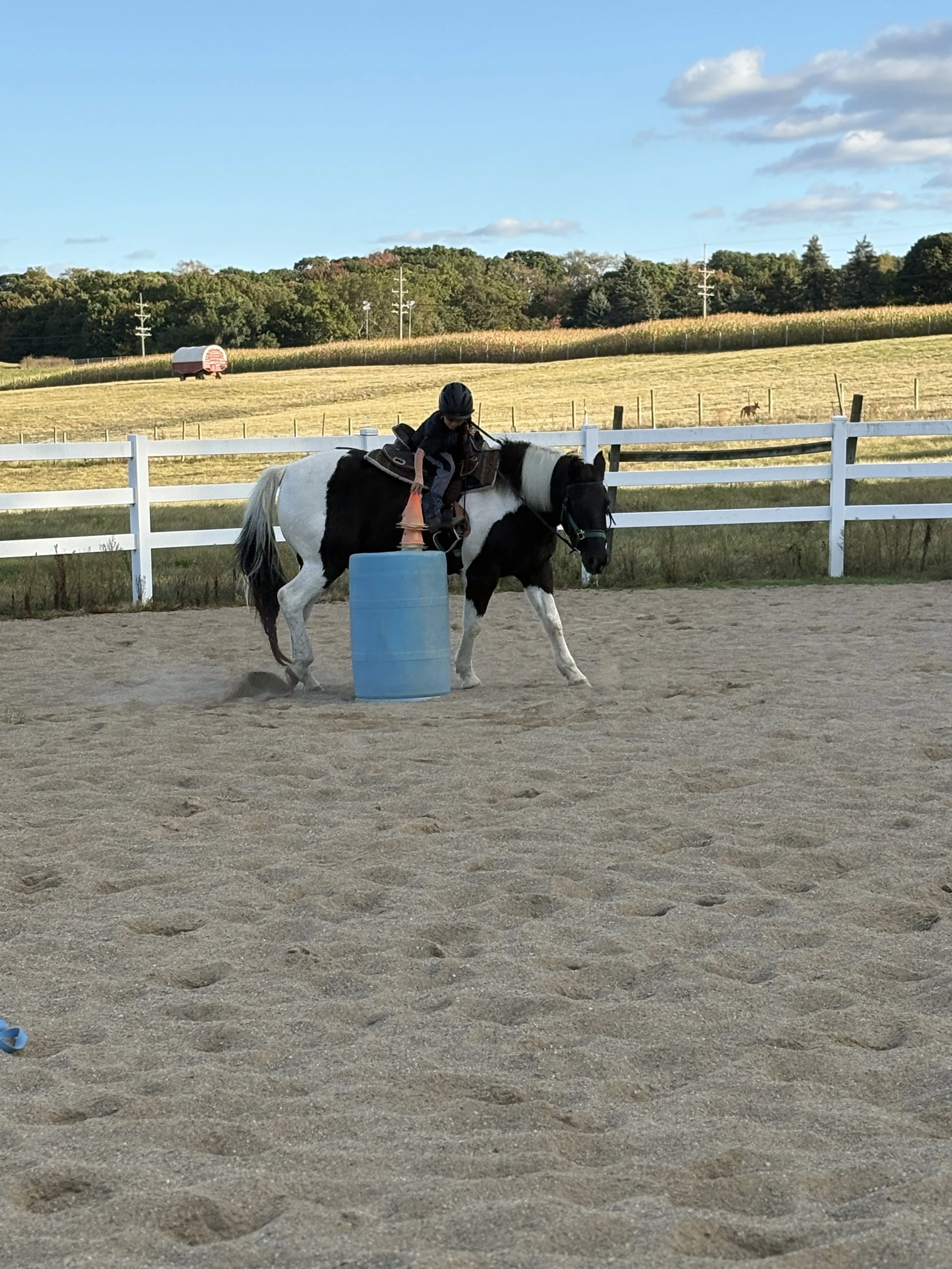
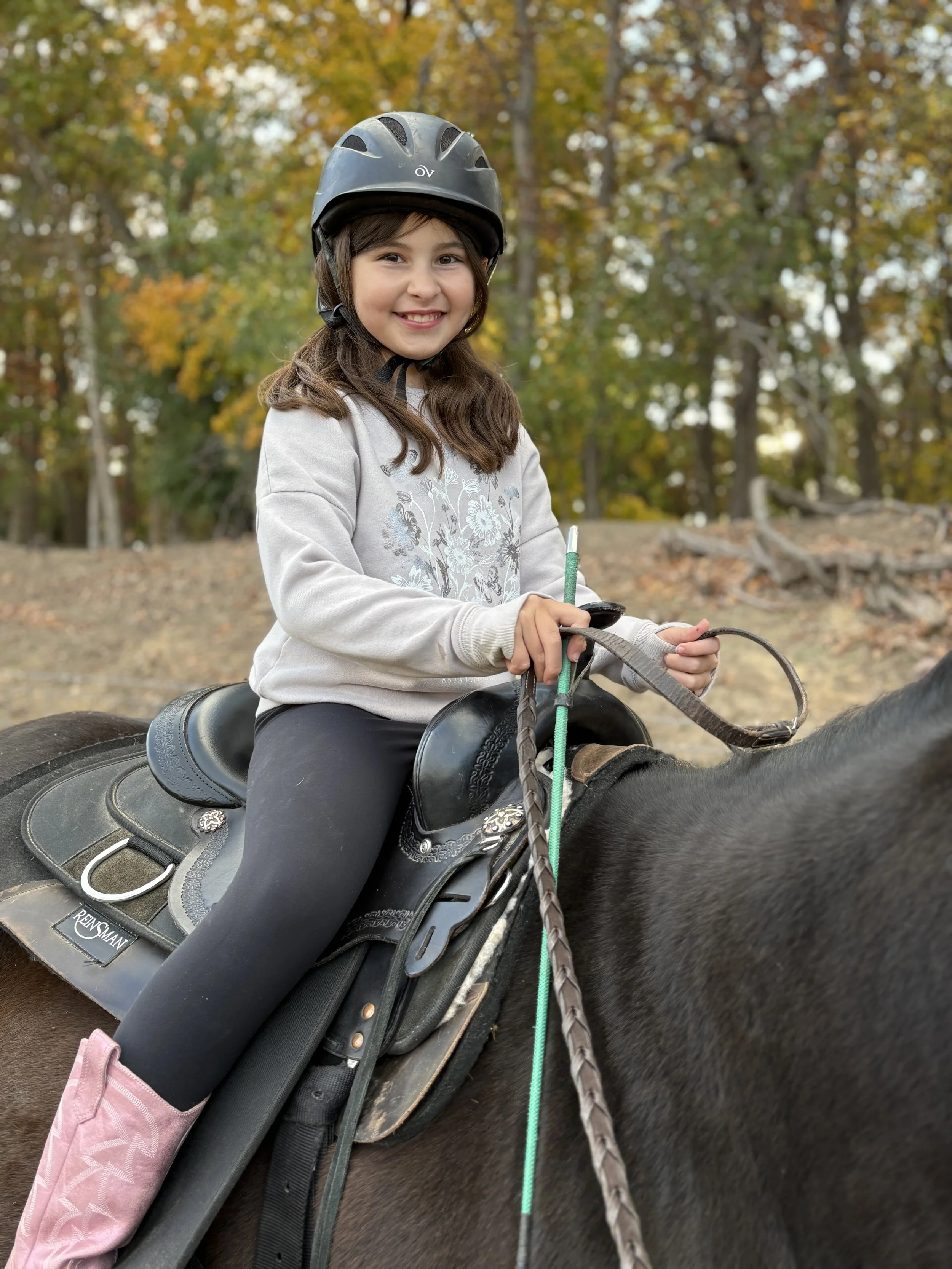
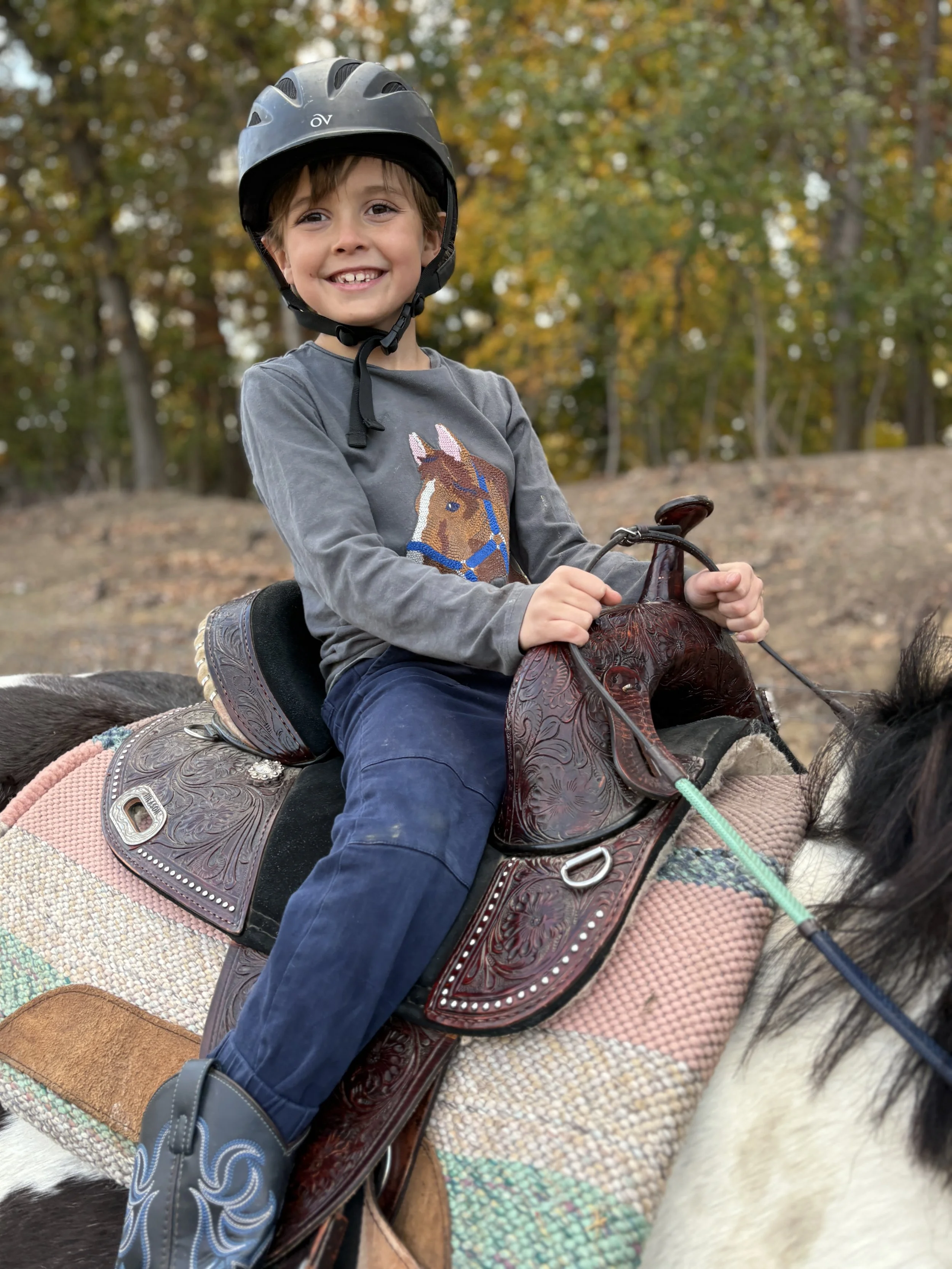
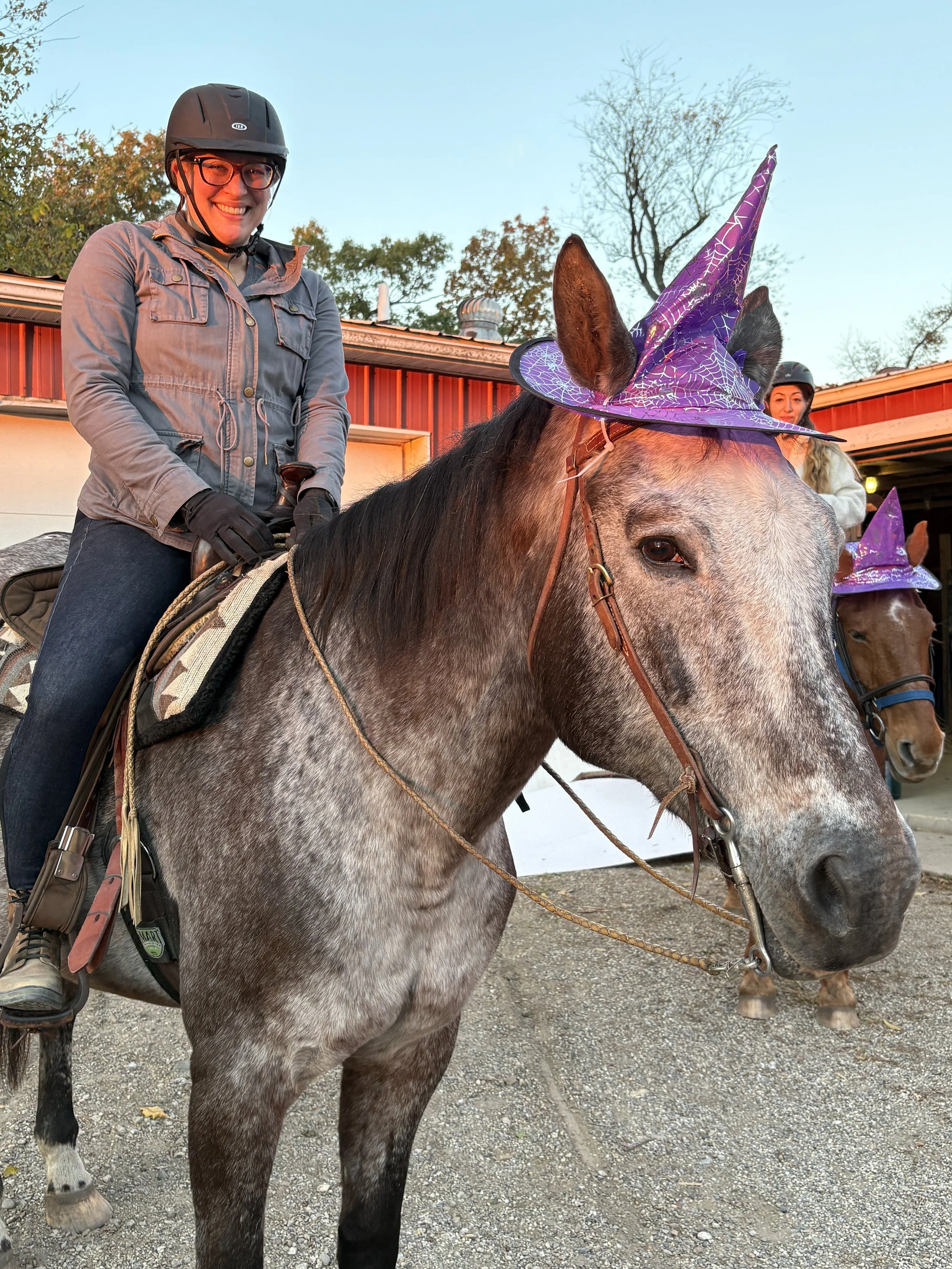
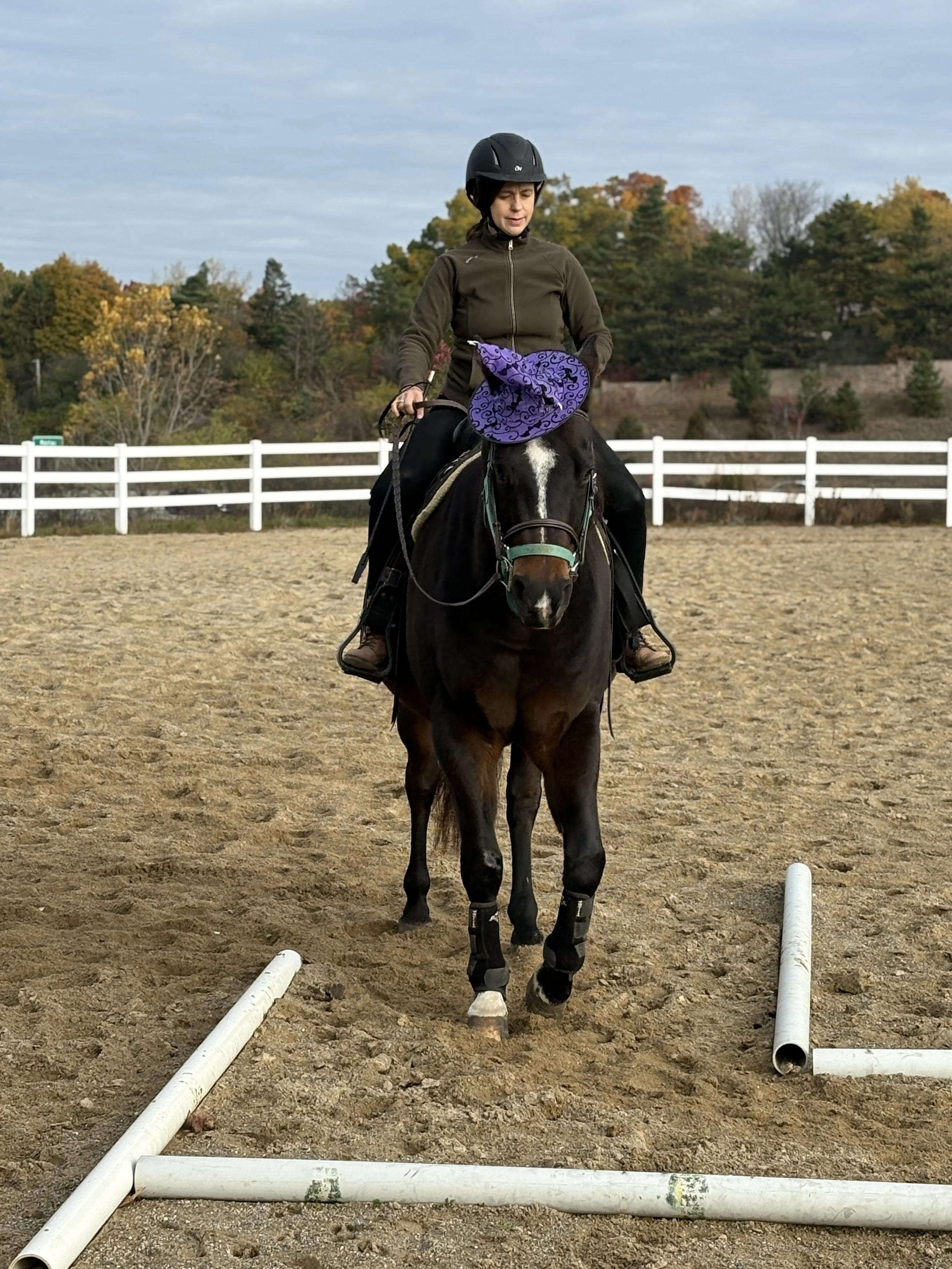
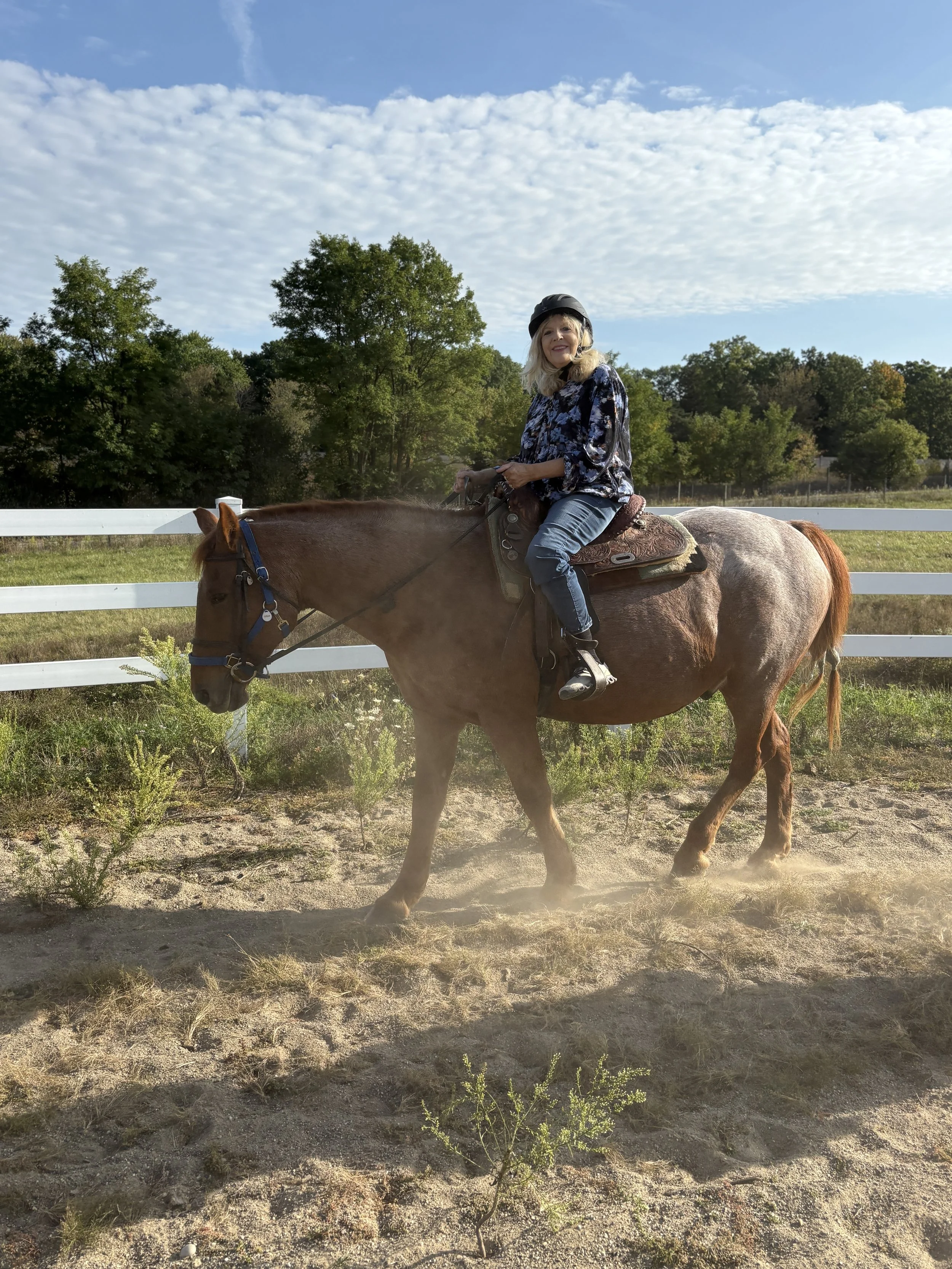
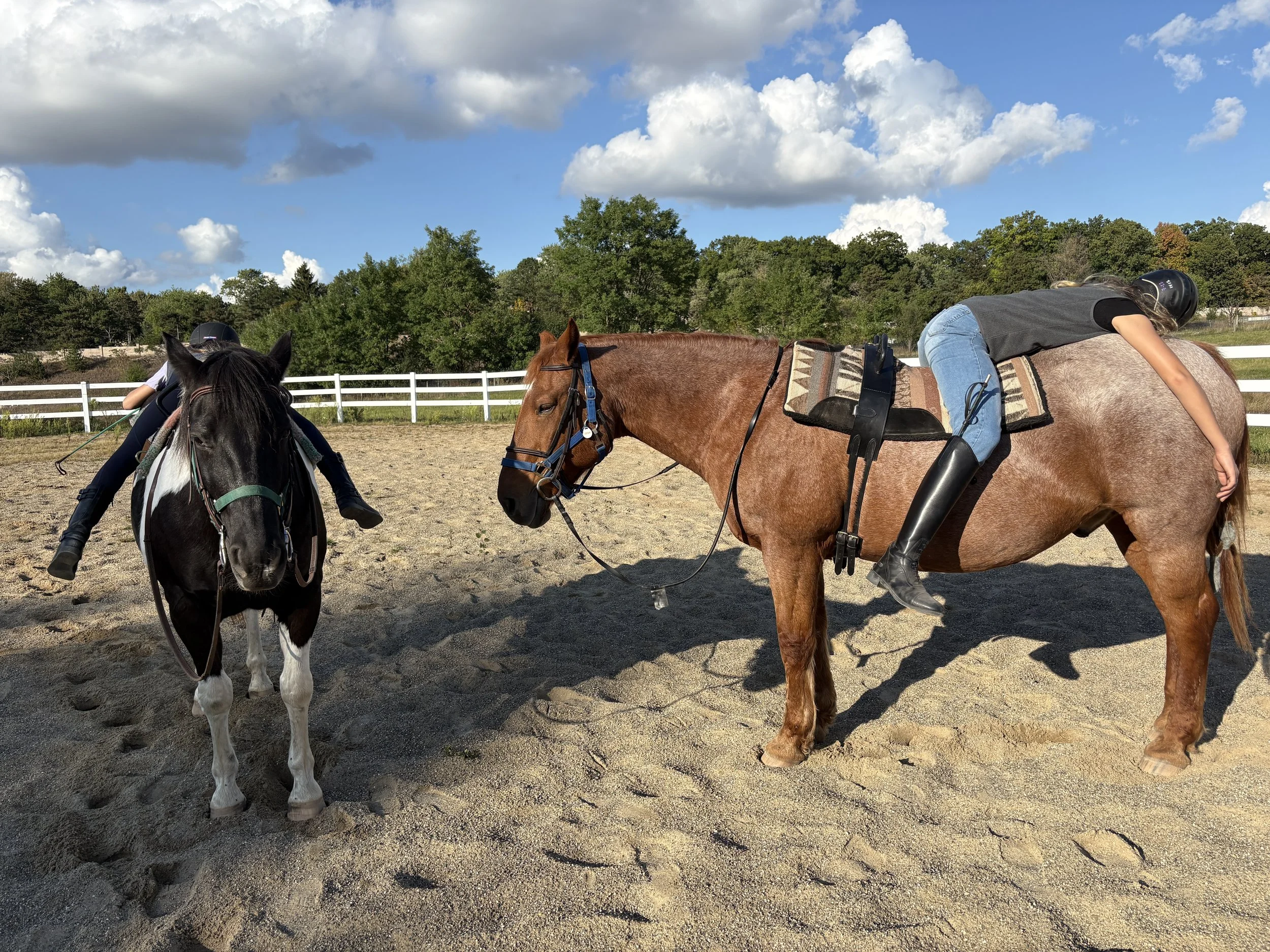
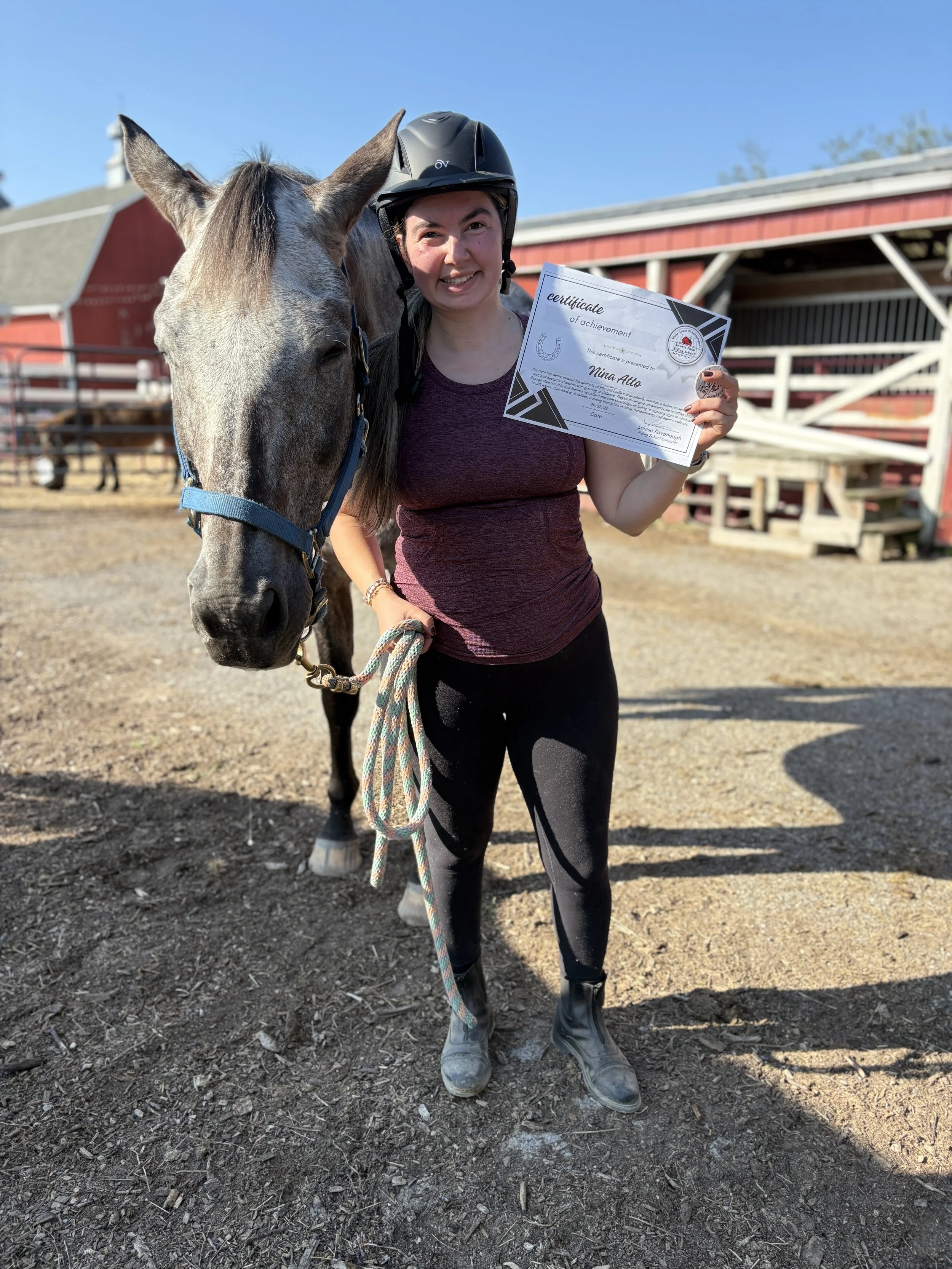
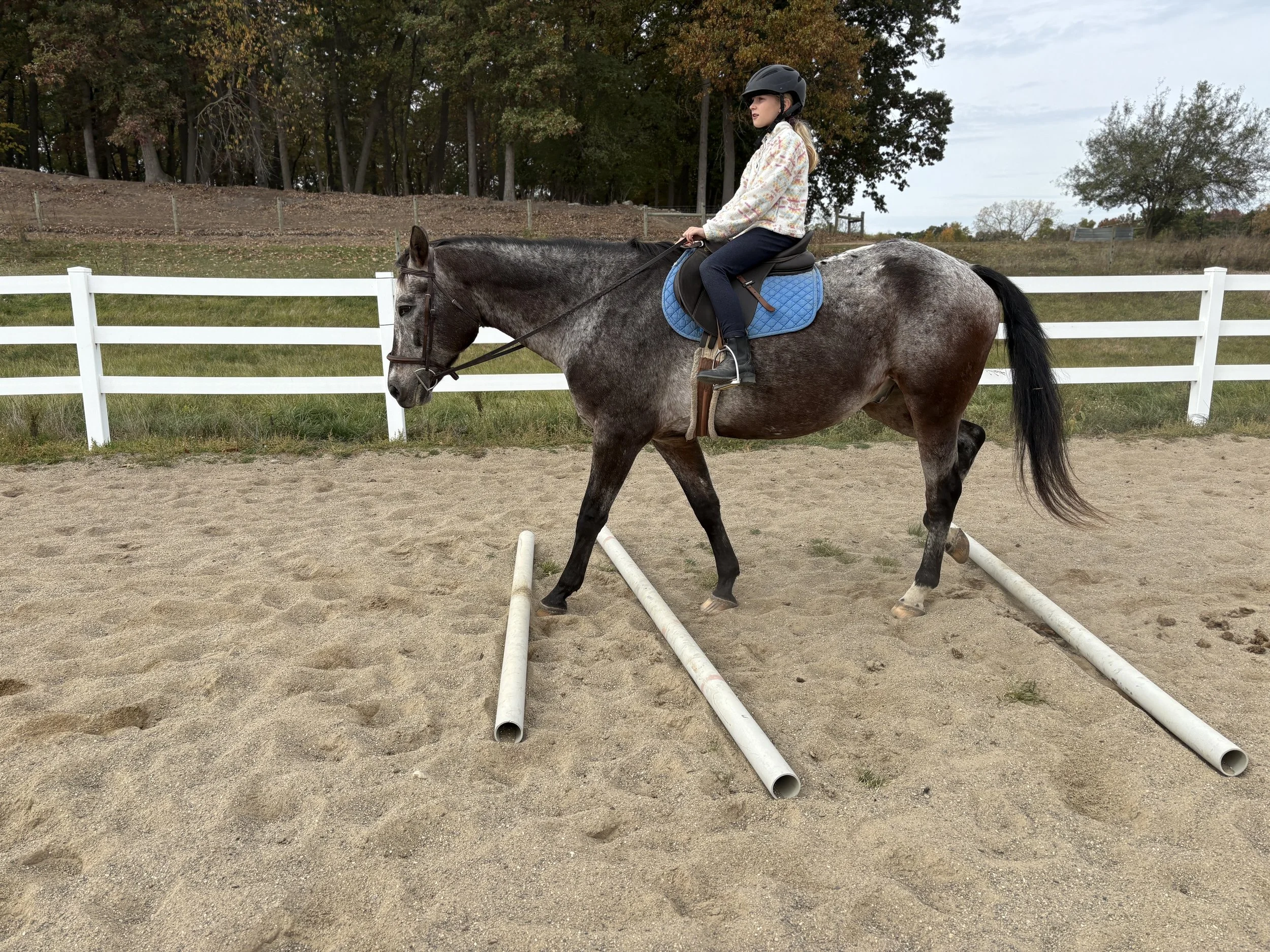
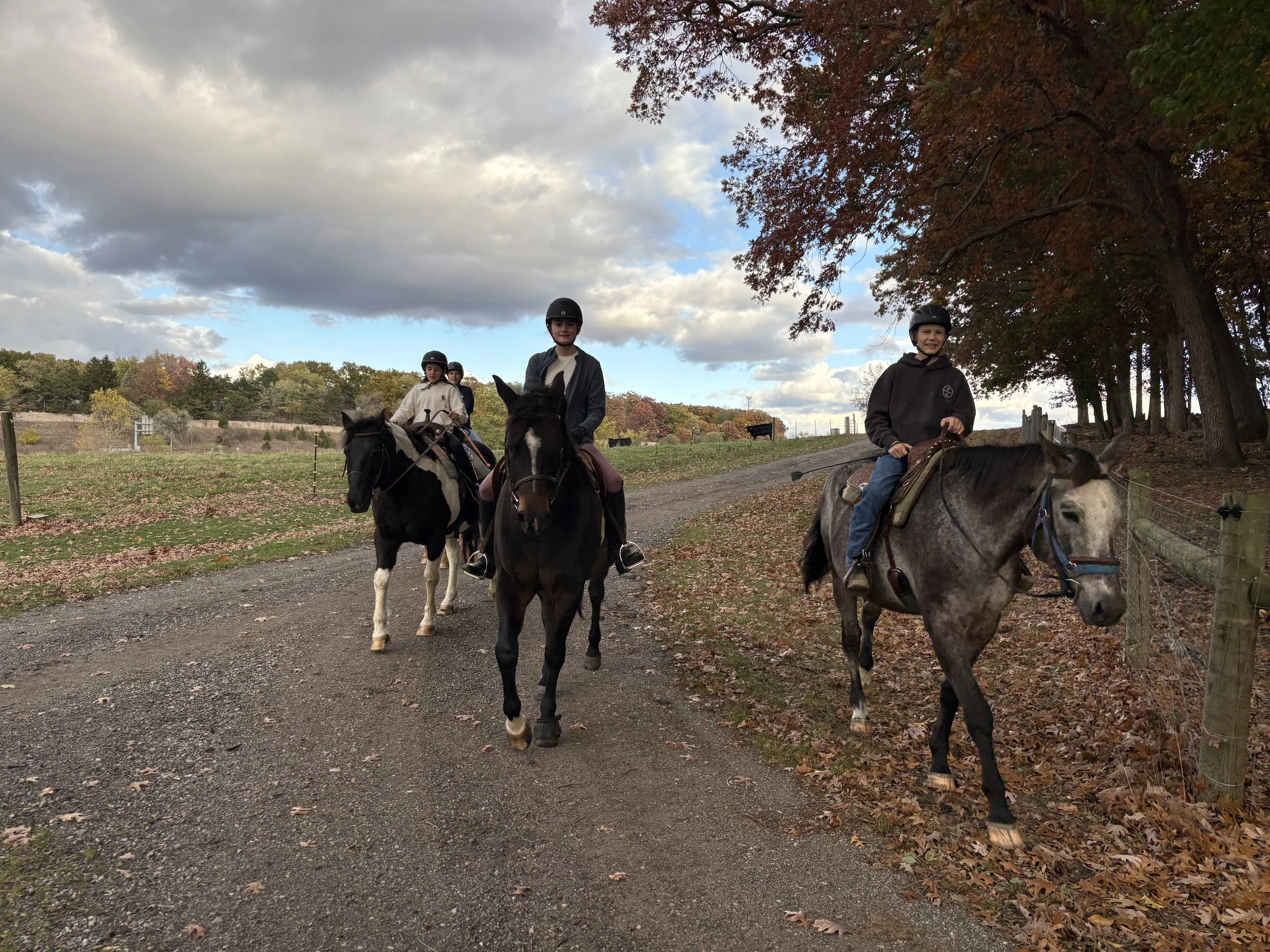
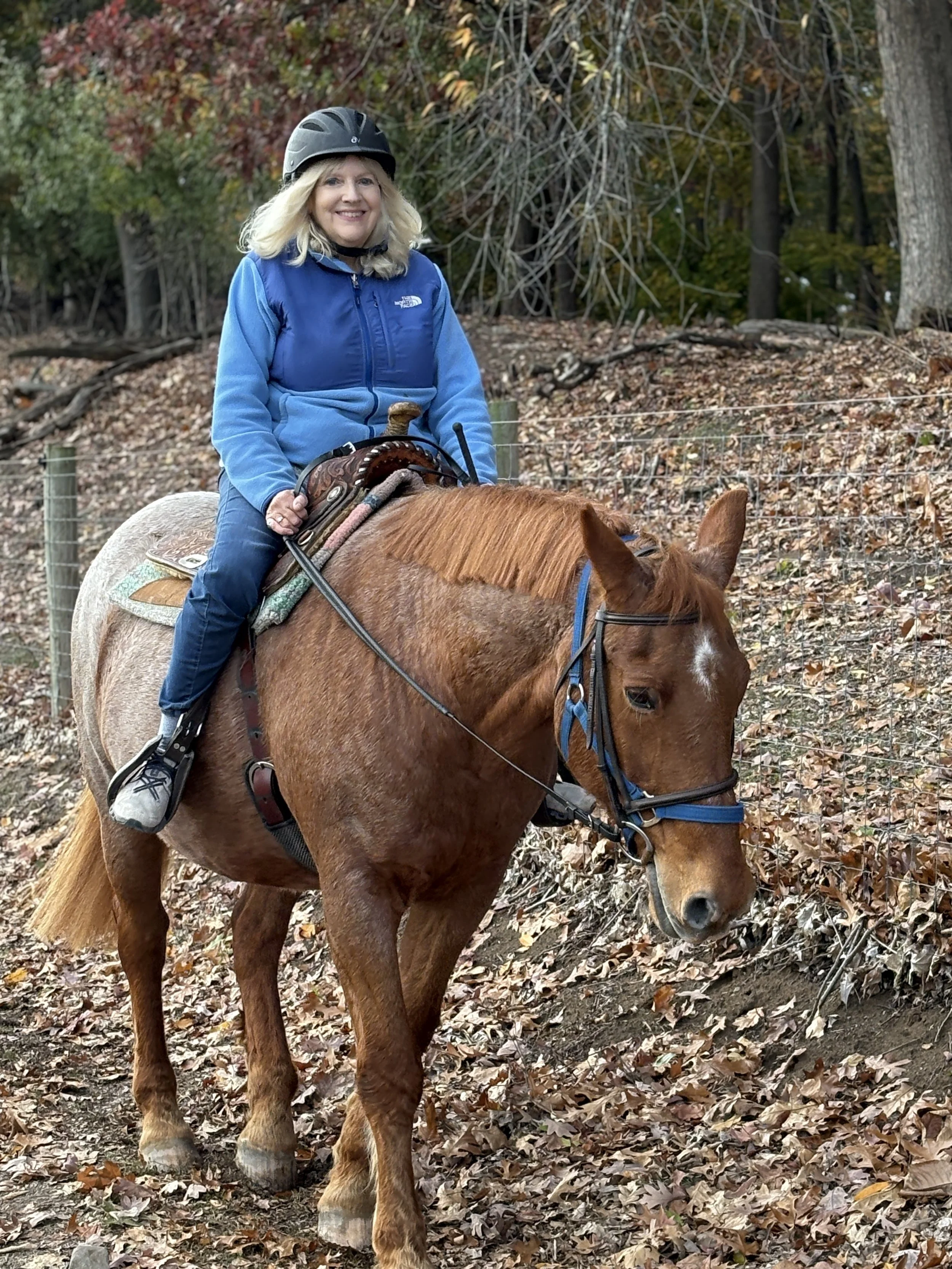
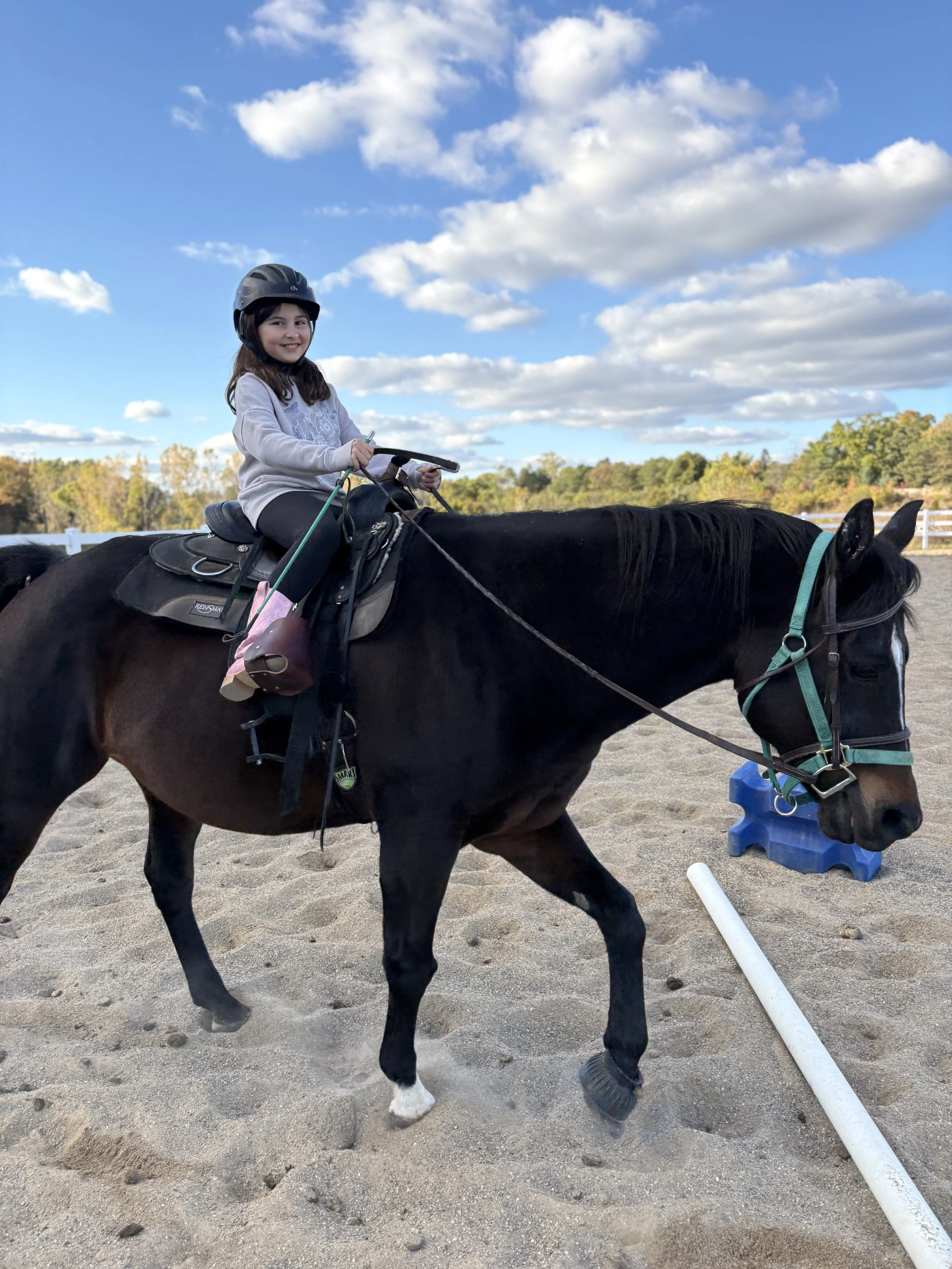
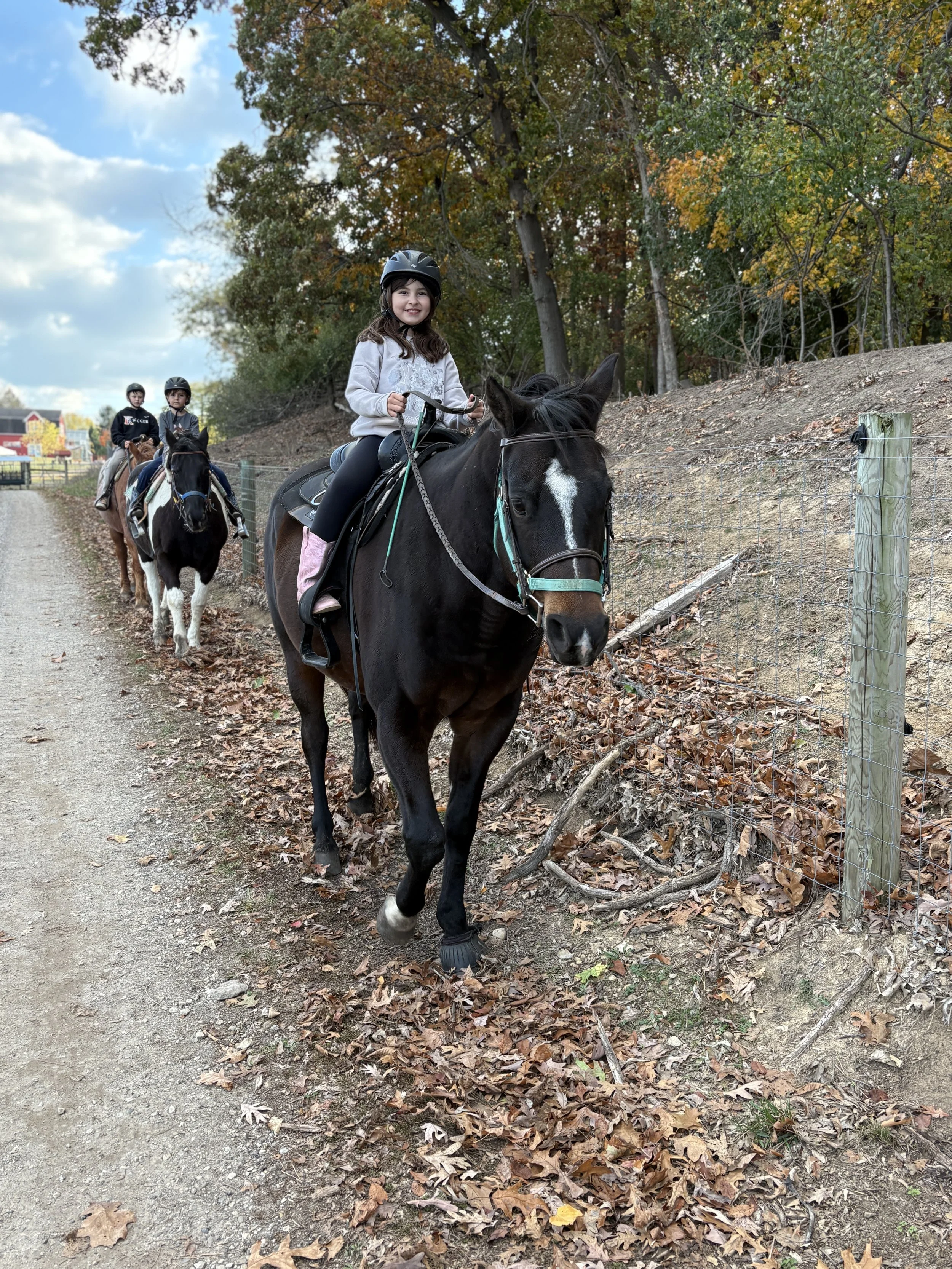
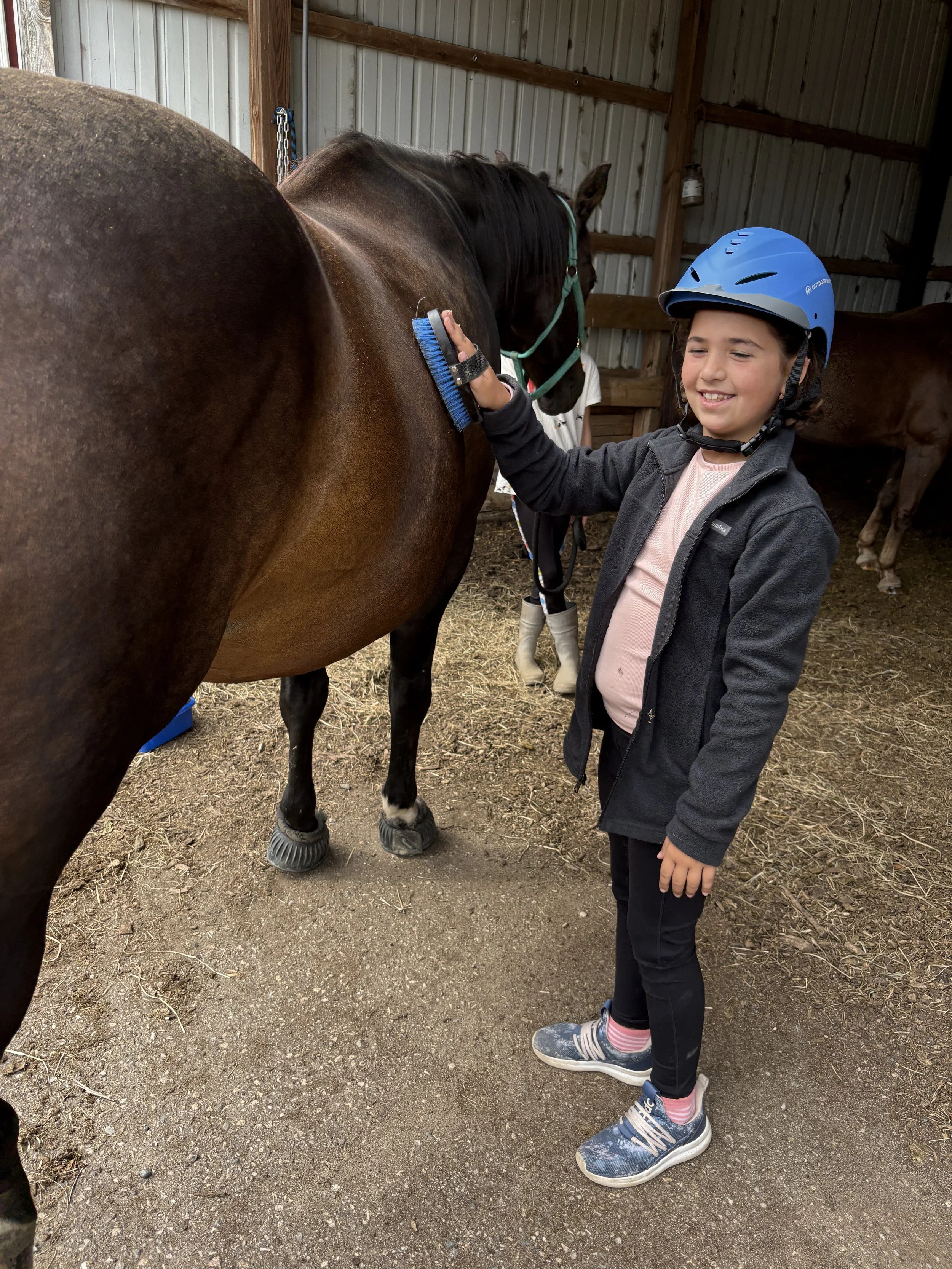

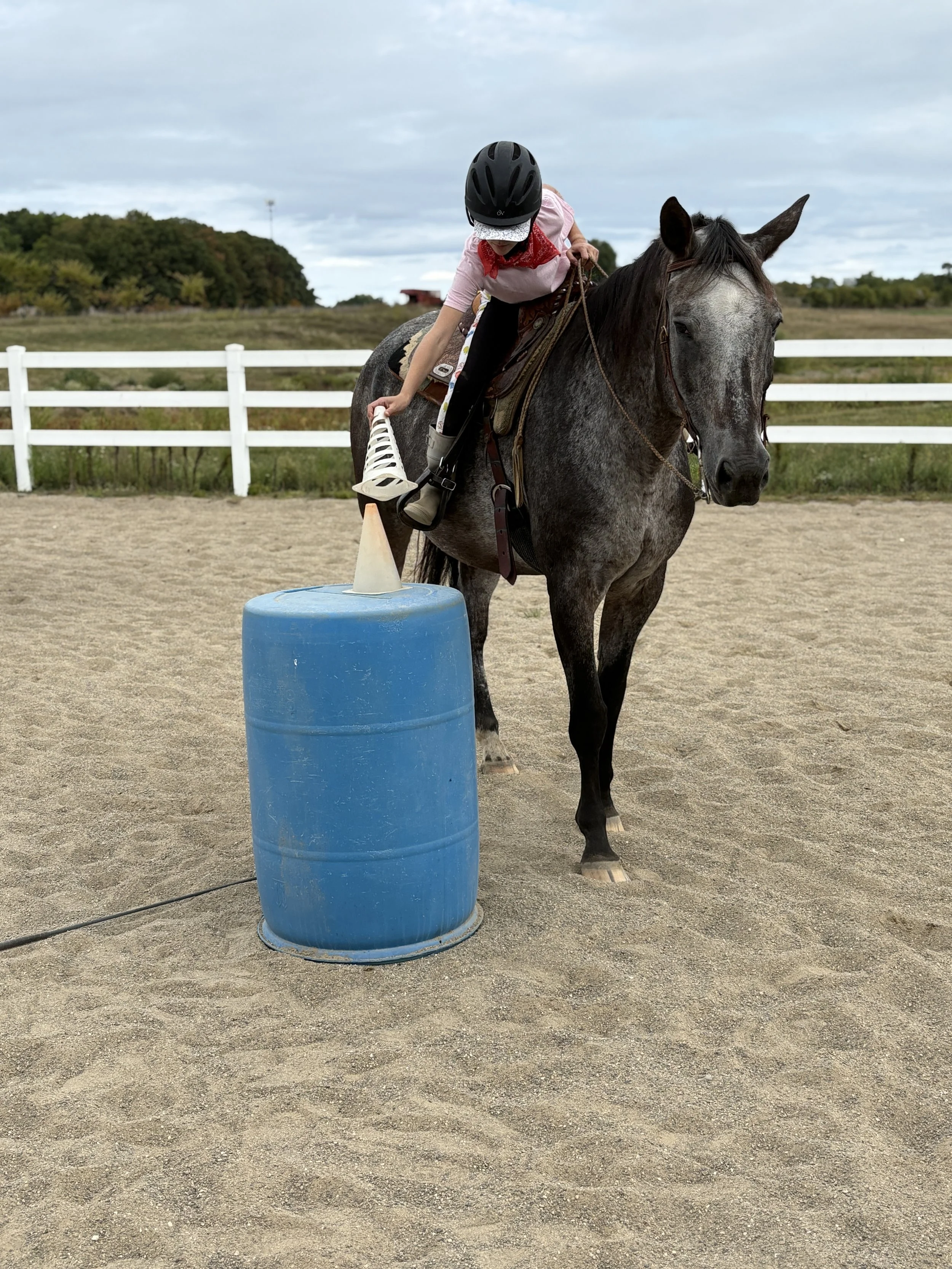
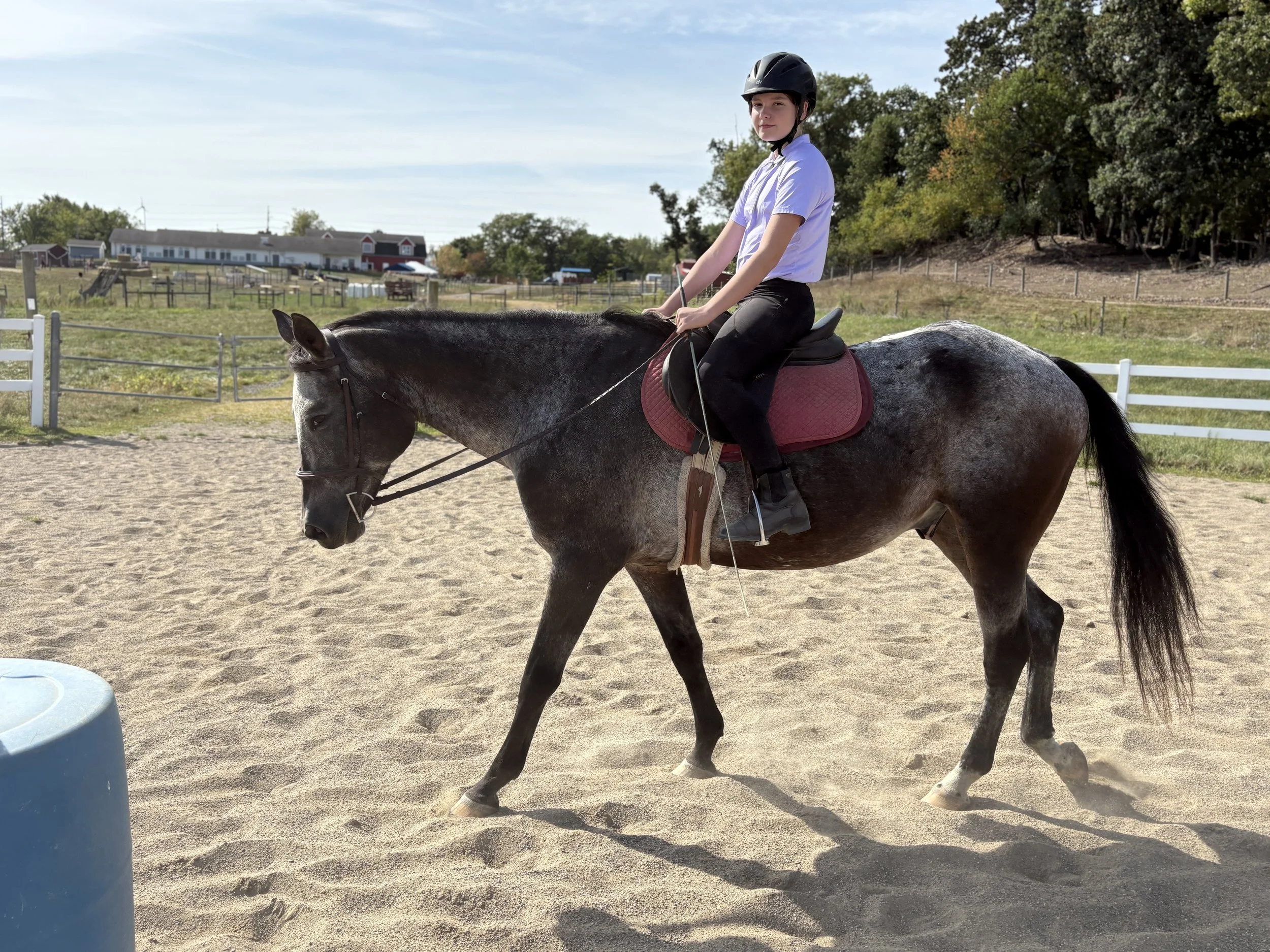
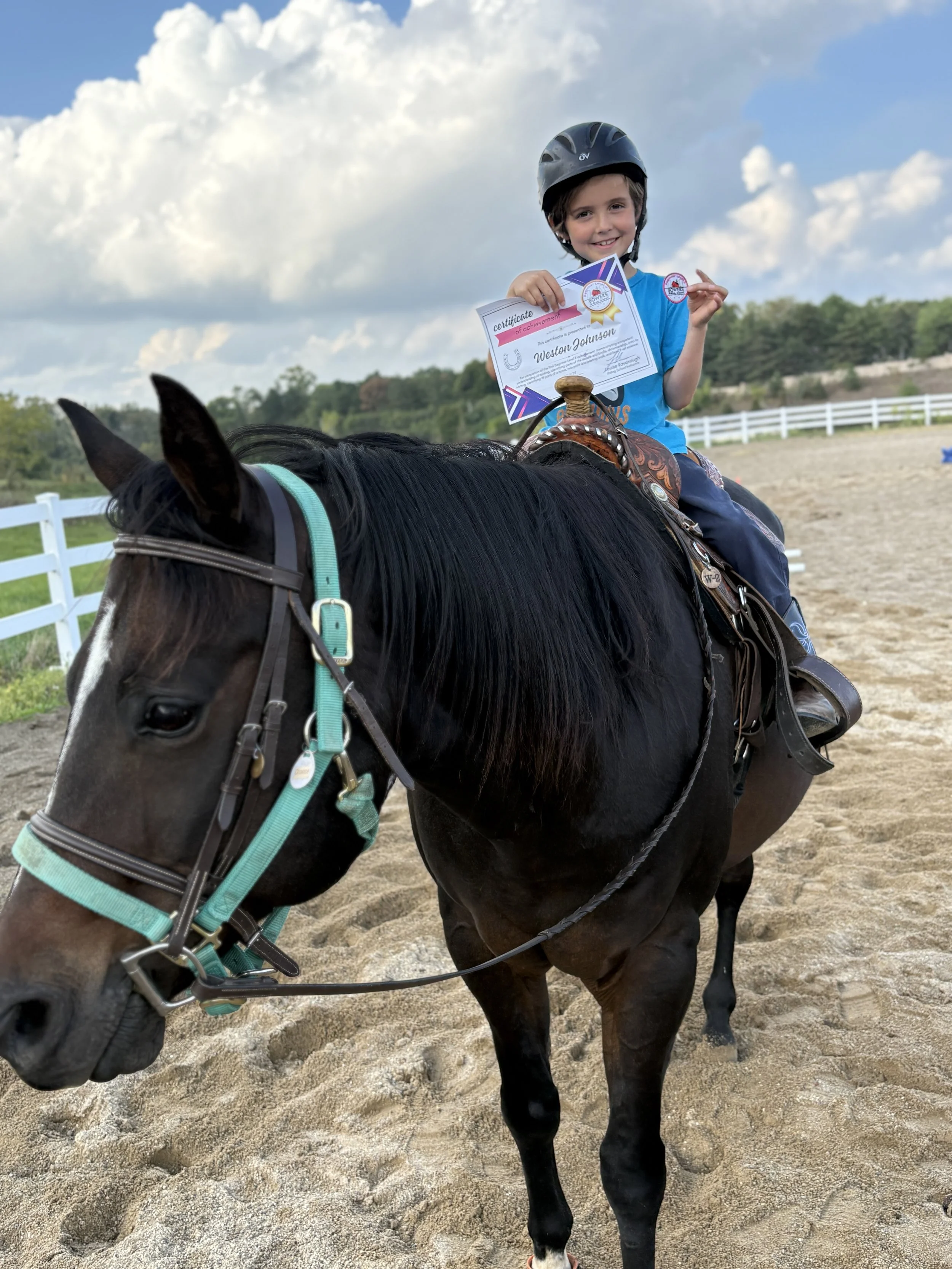
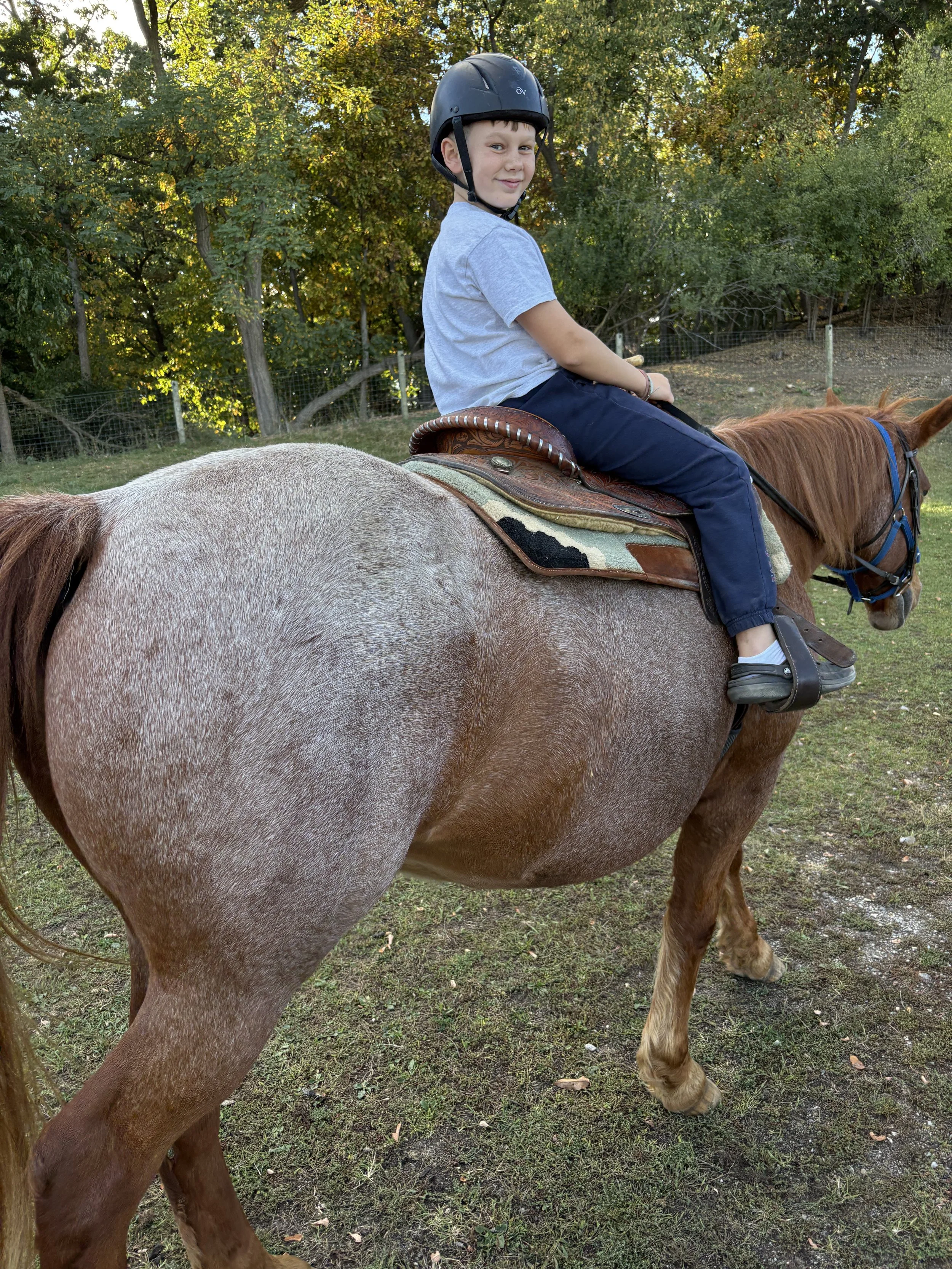
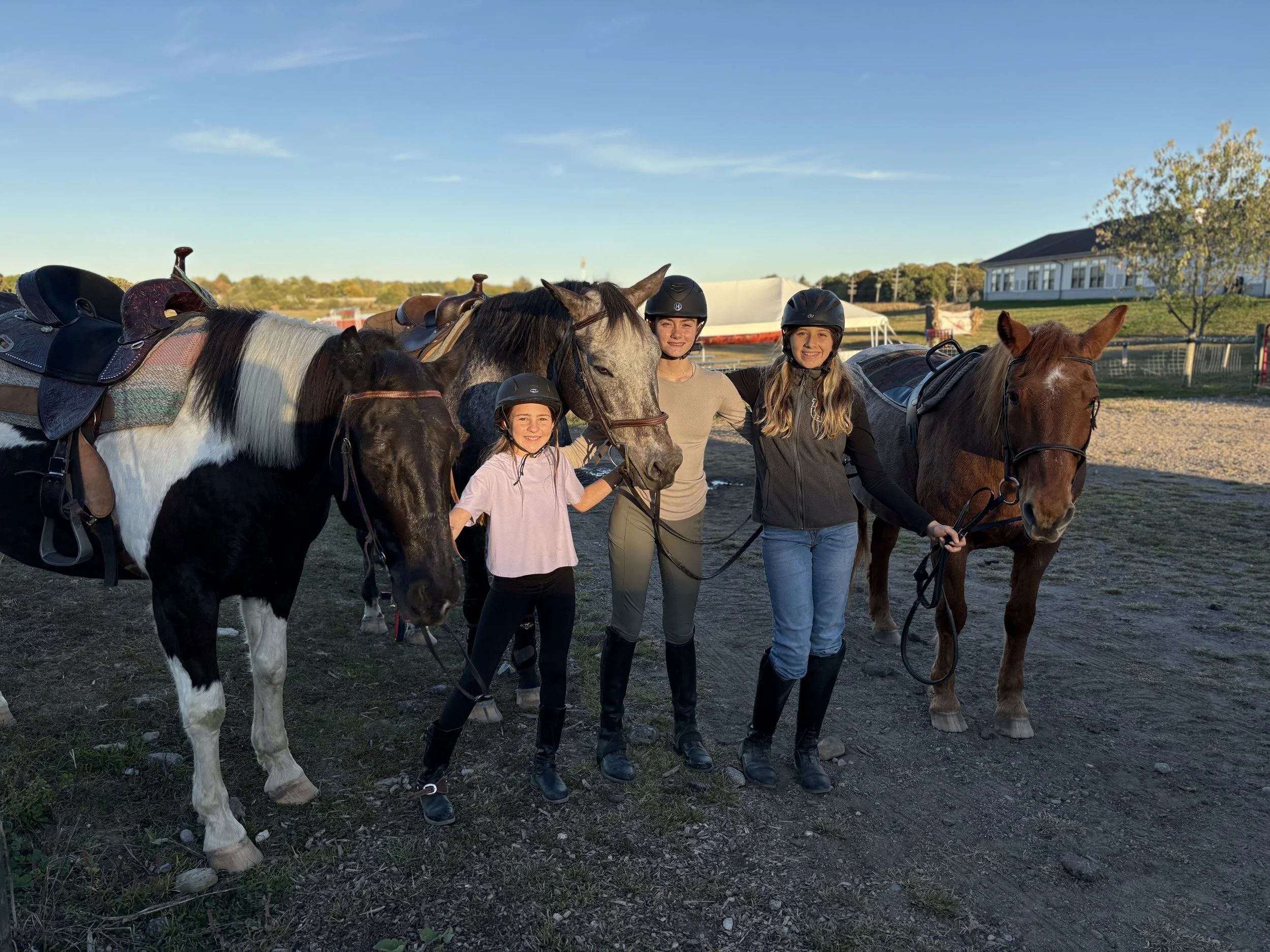
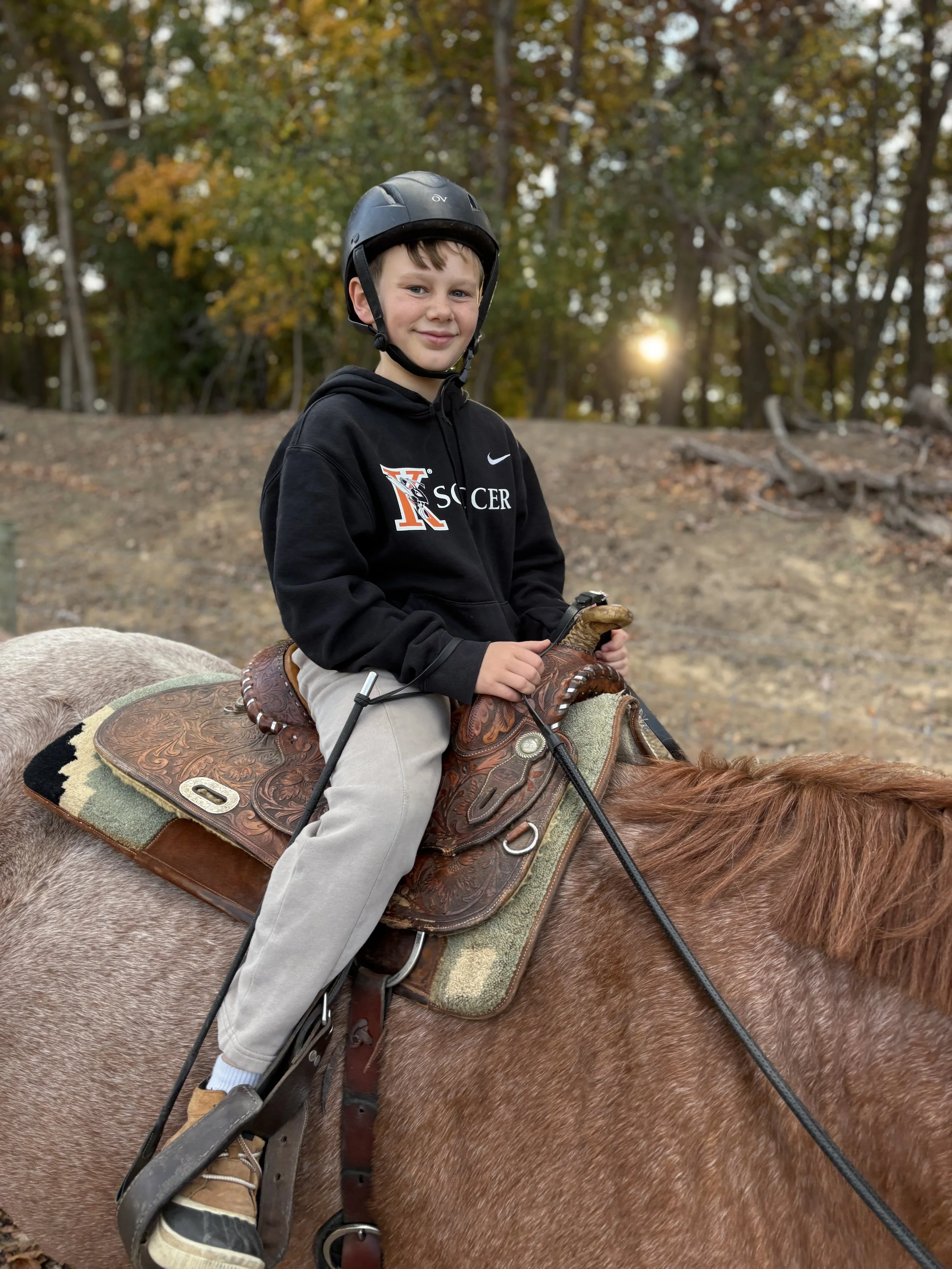
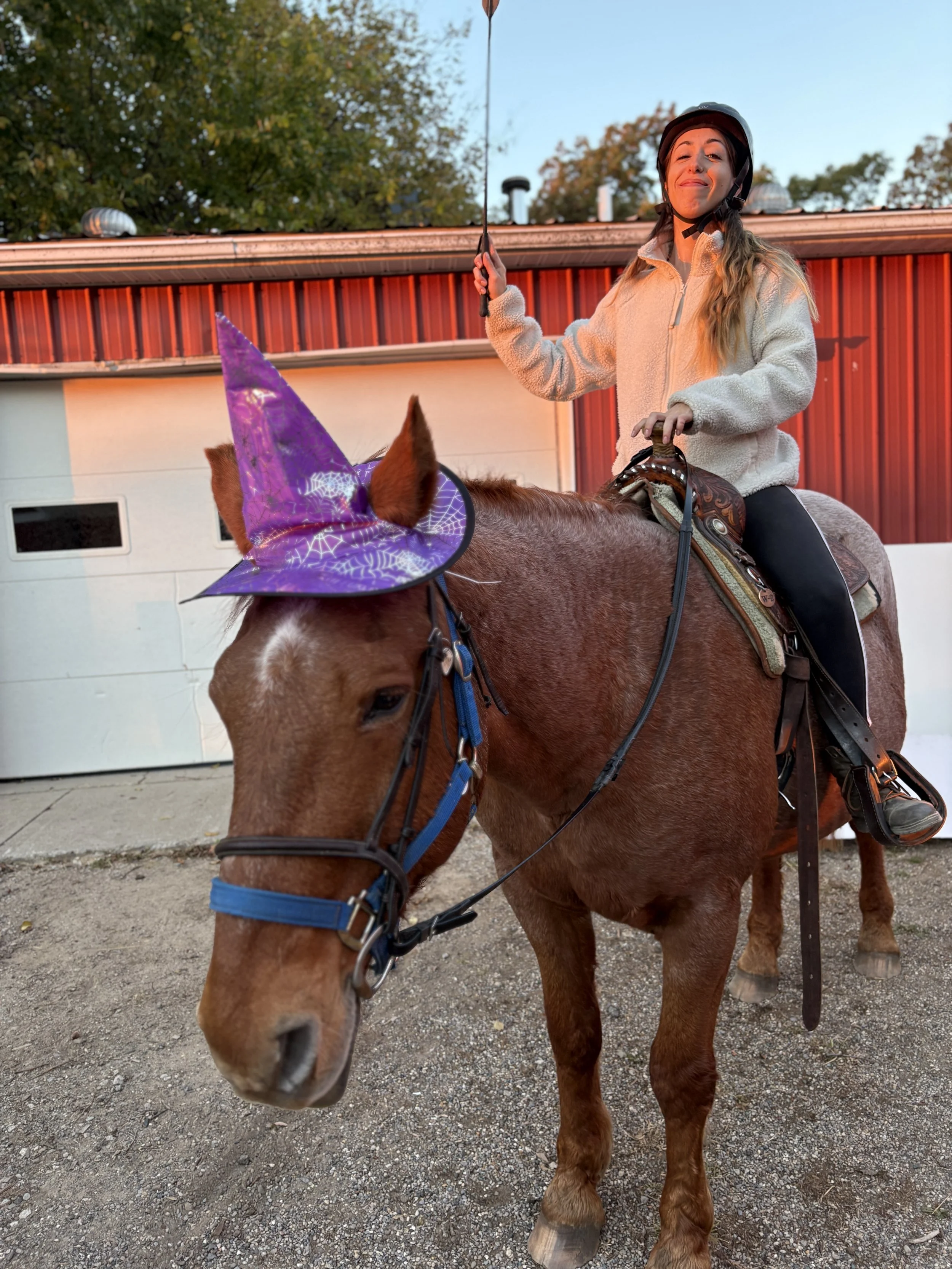
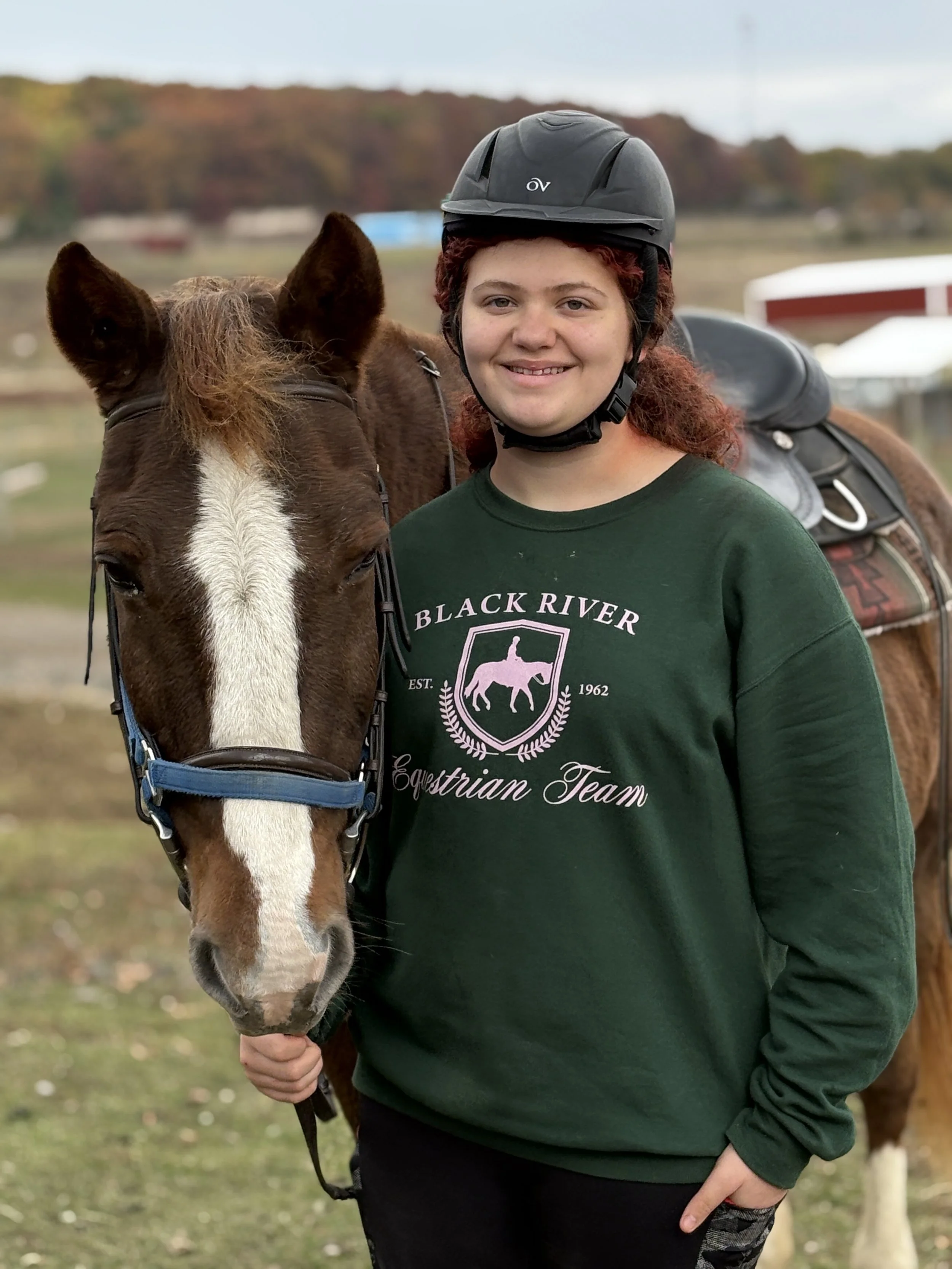
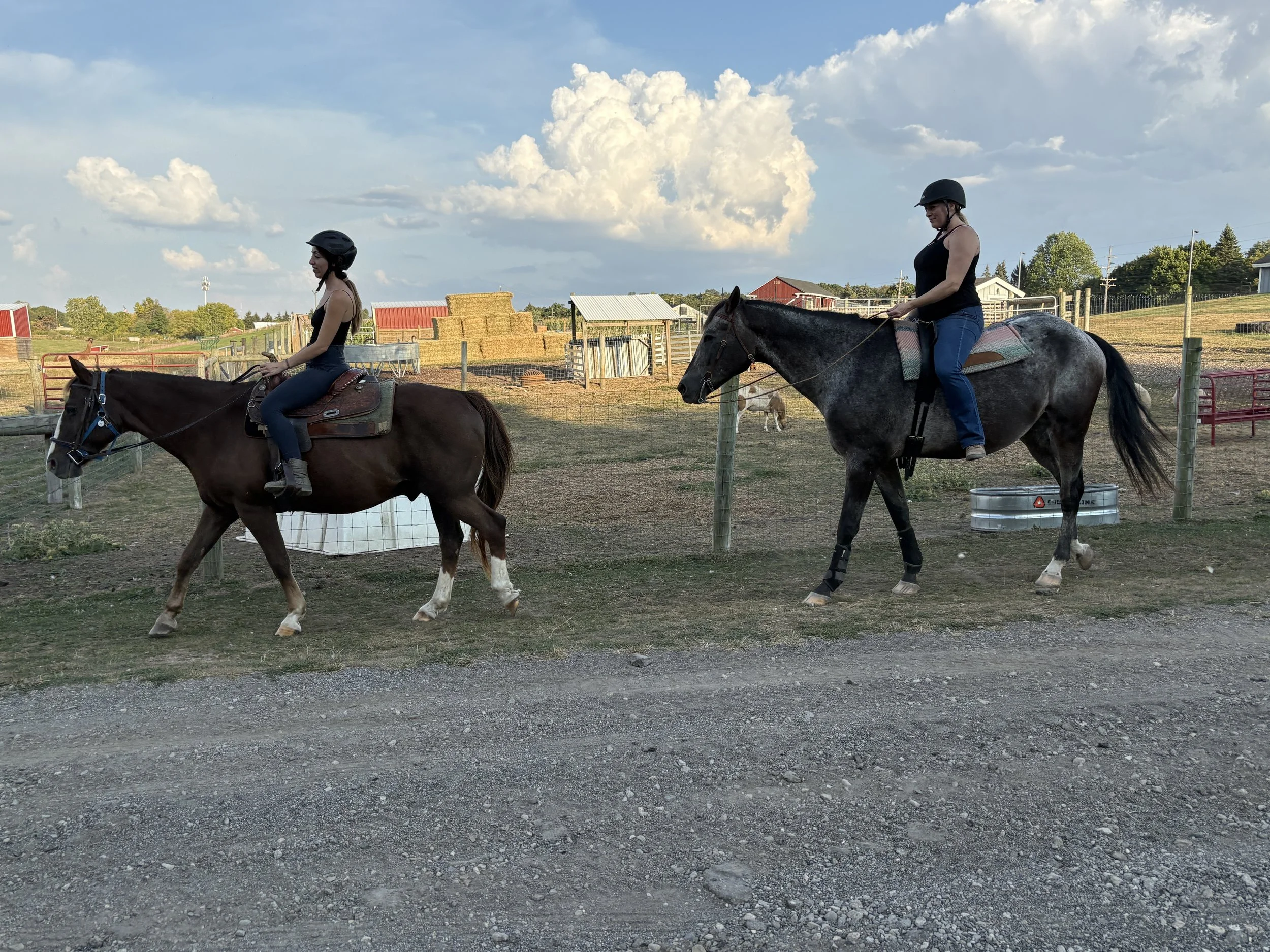
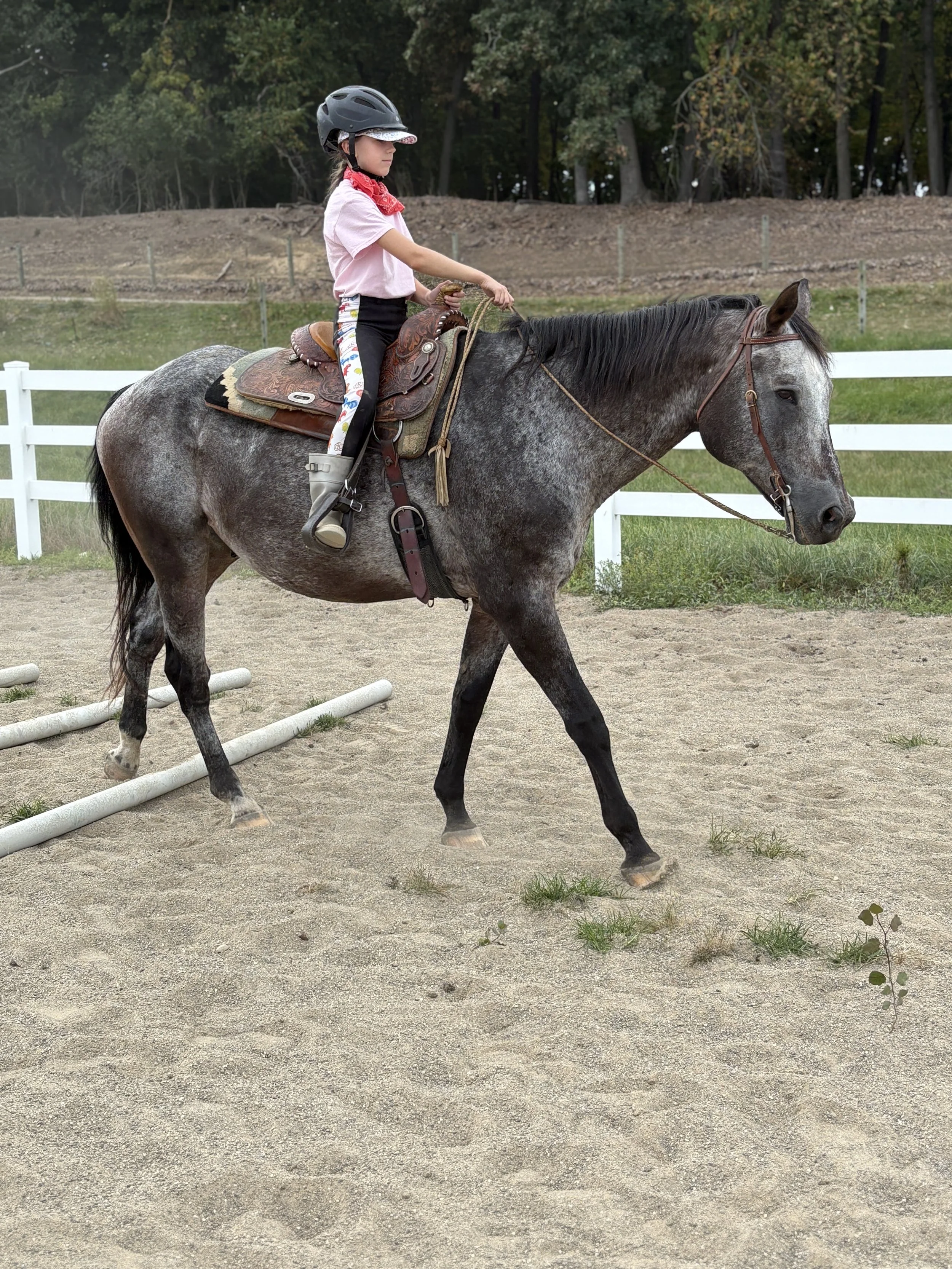
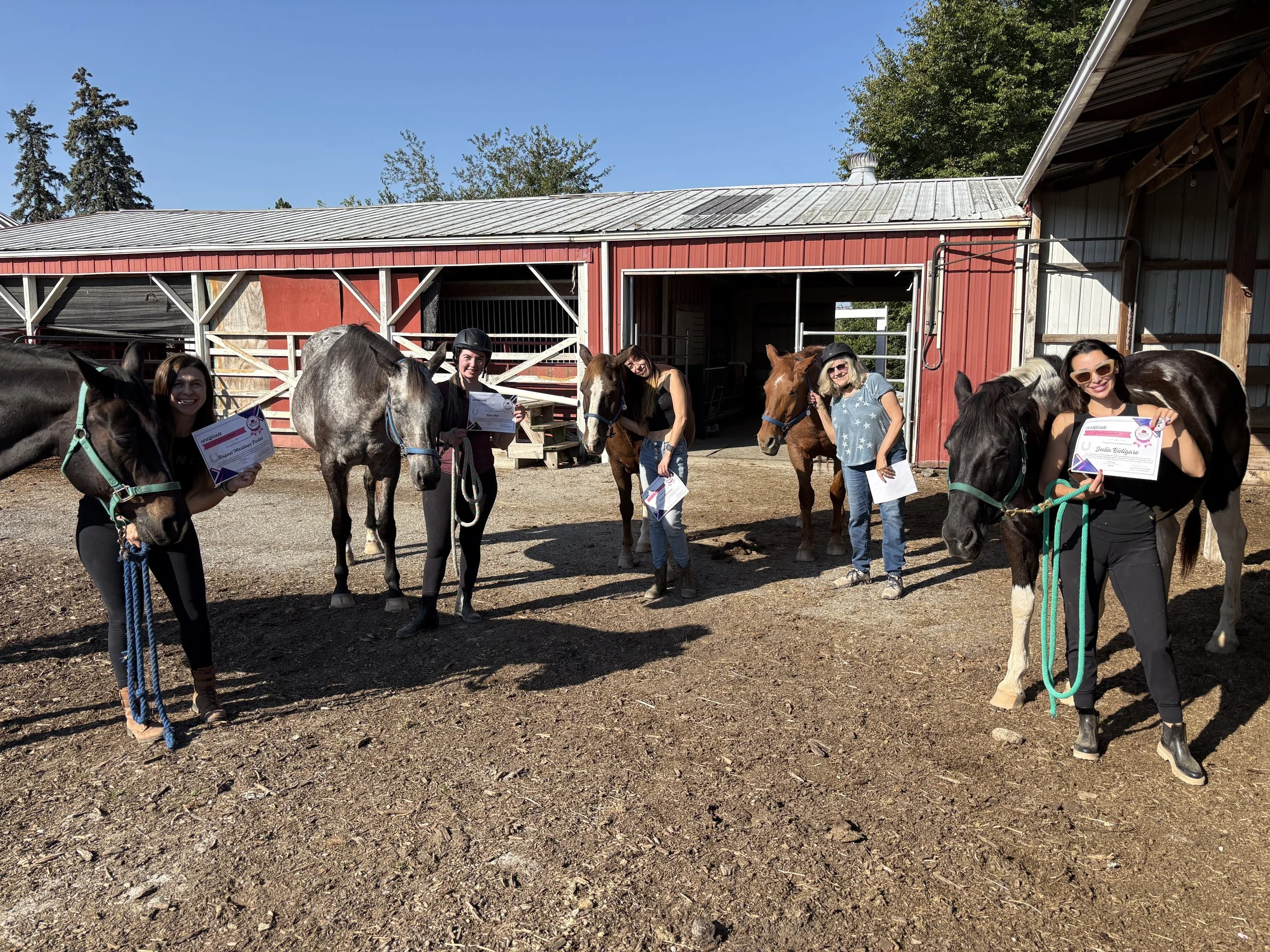
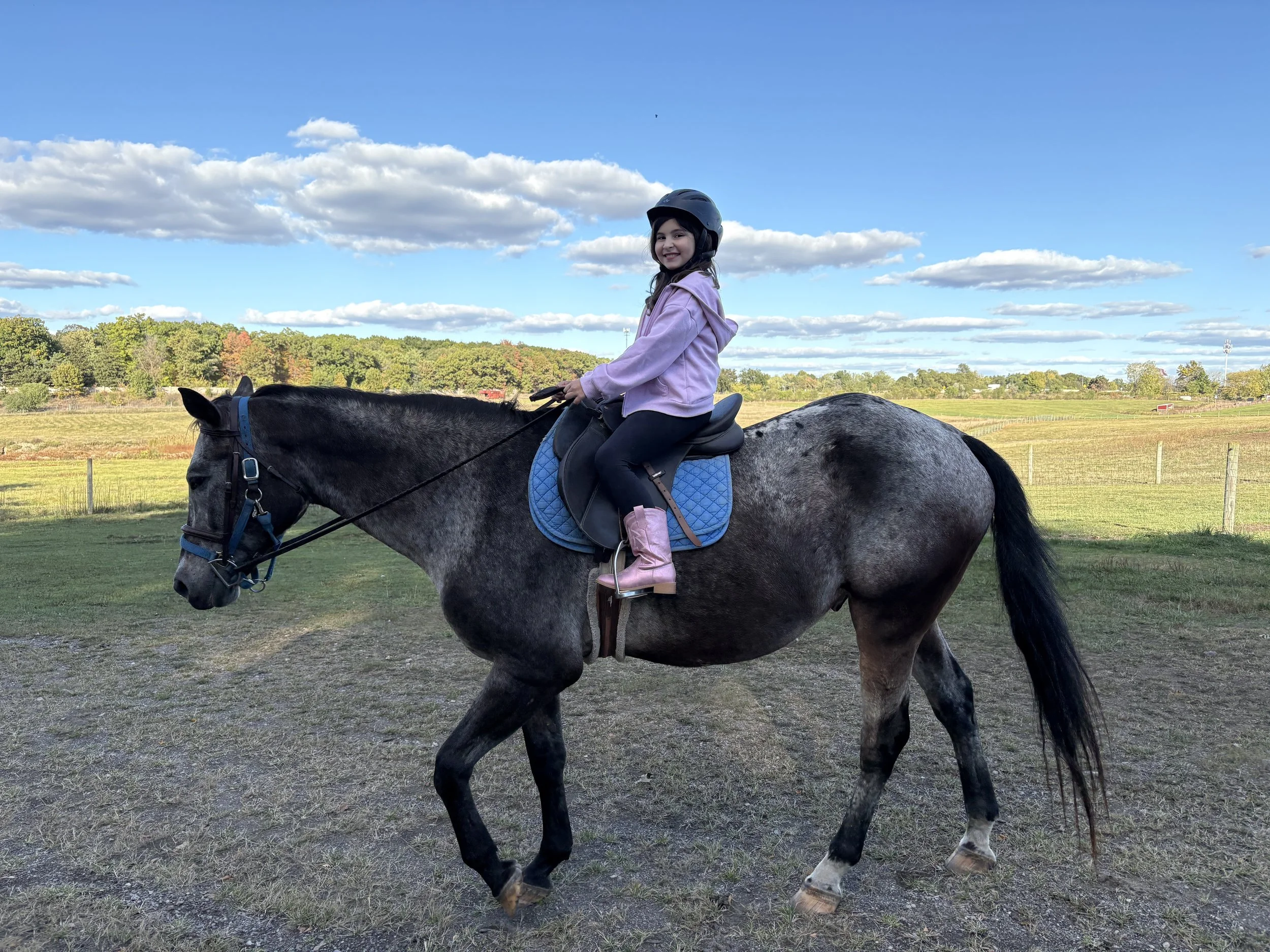
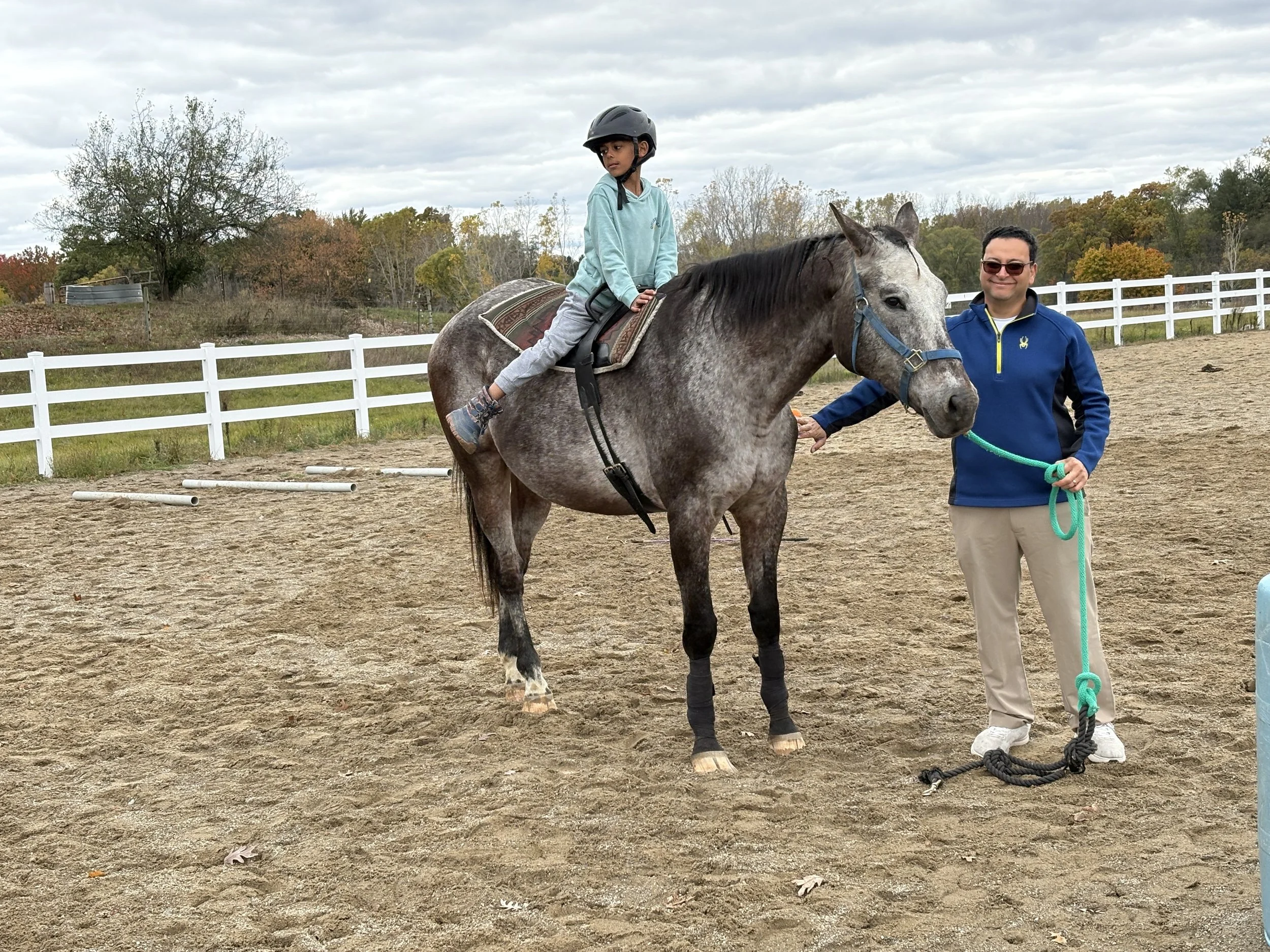
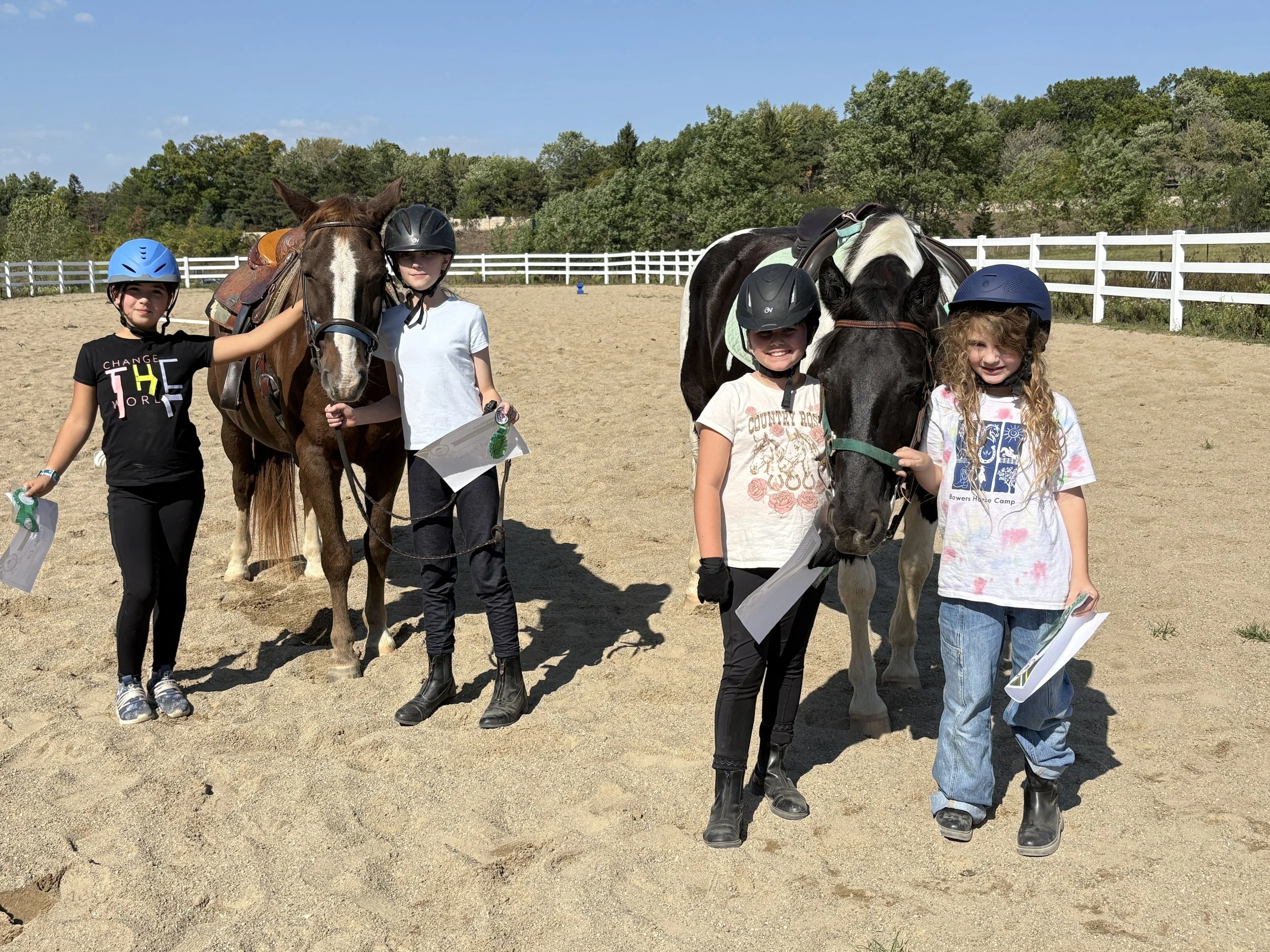
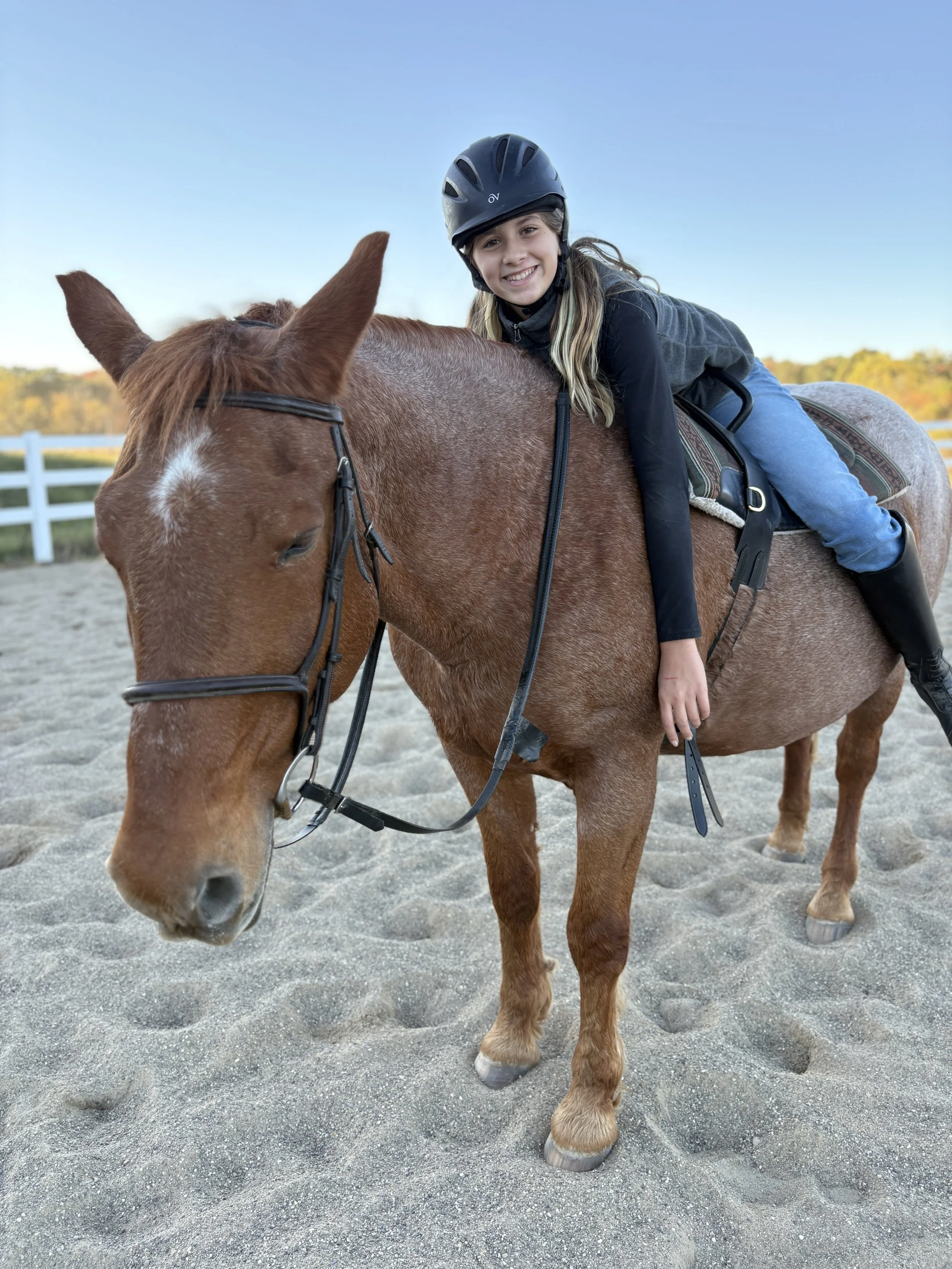
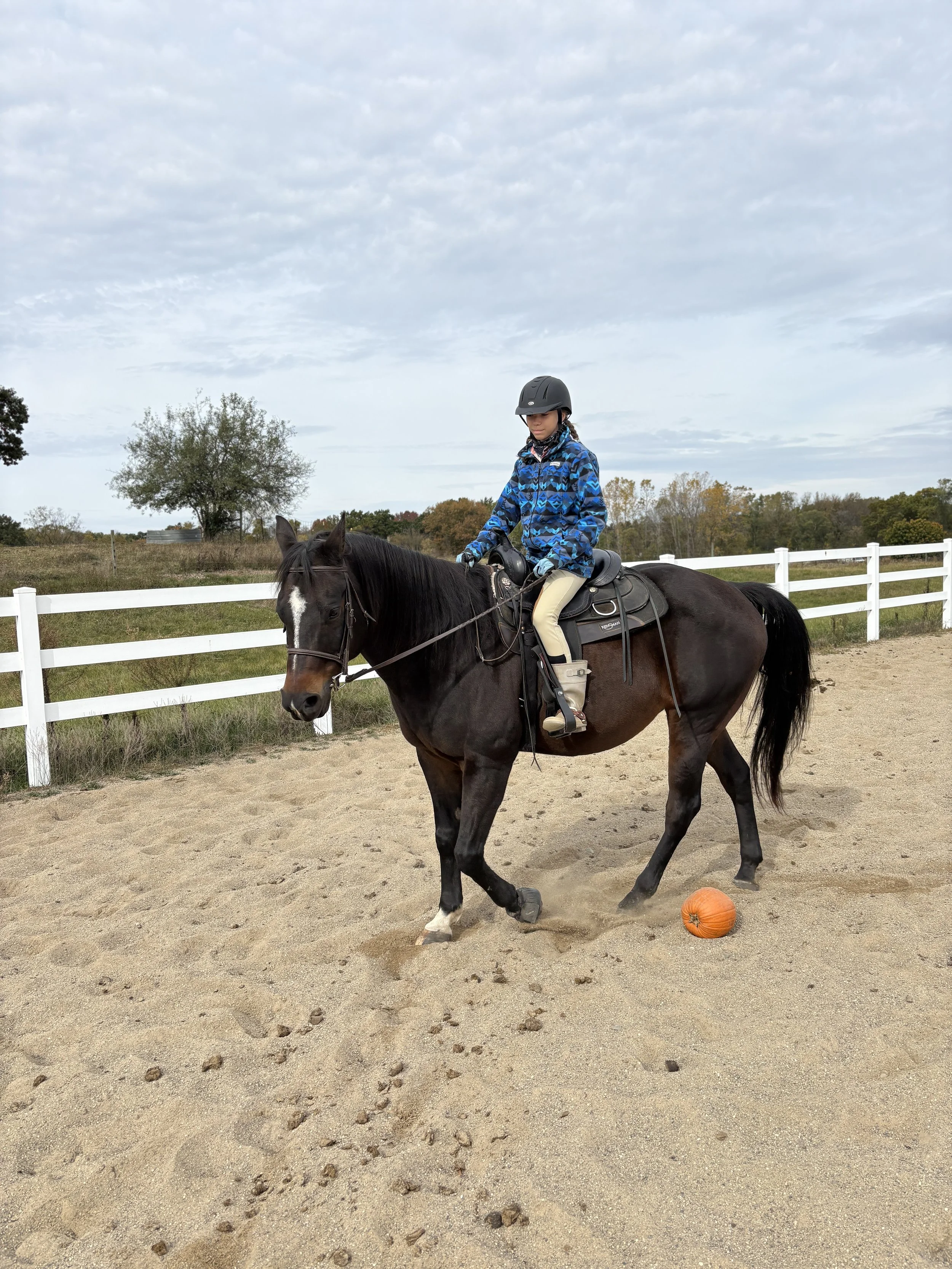
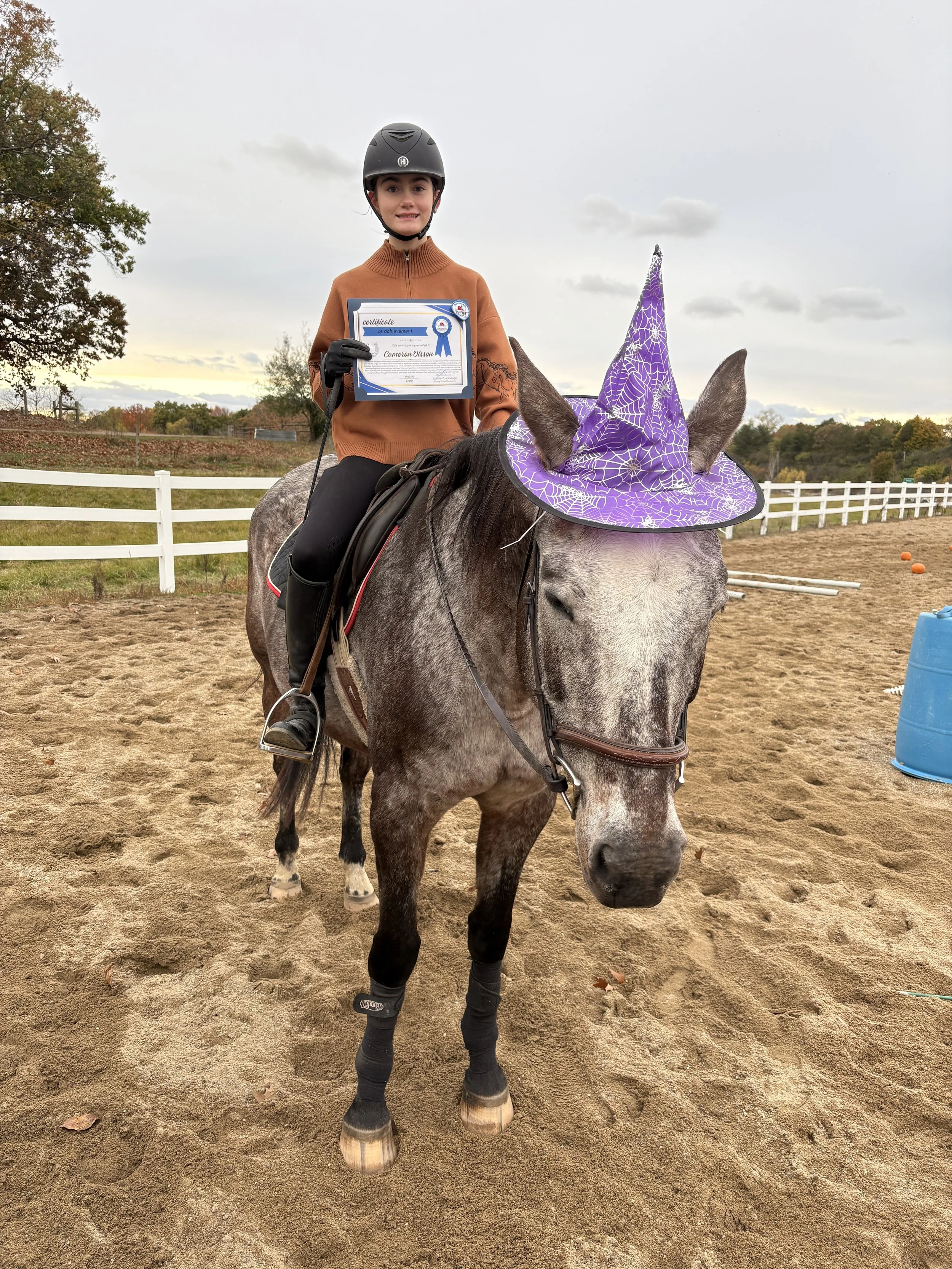
Welcome to Fall Riding School
Trail Time & Rider Growth – Week 1 Highlights
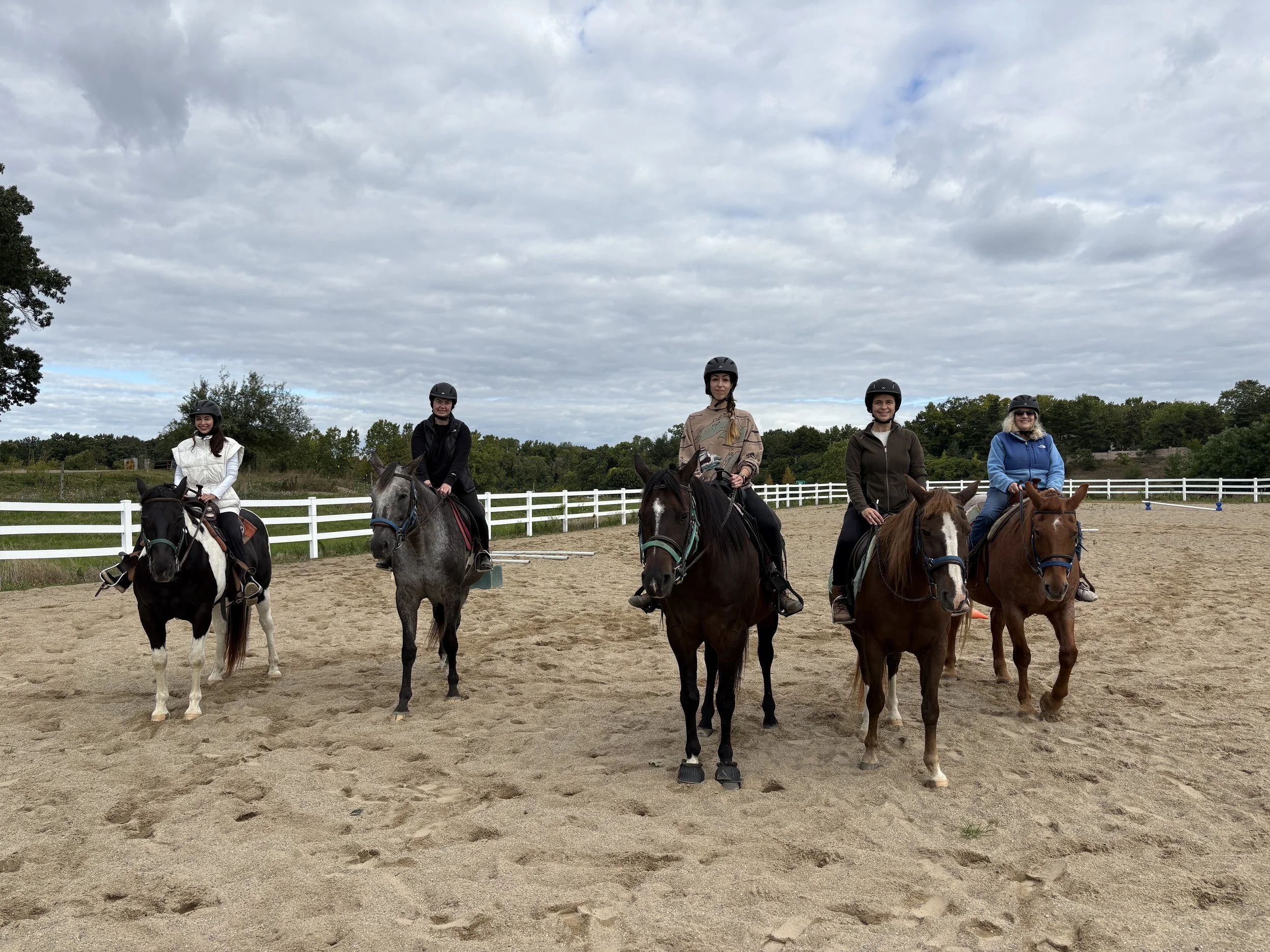
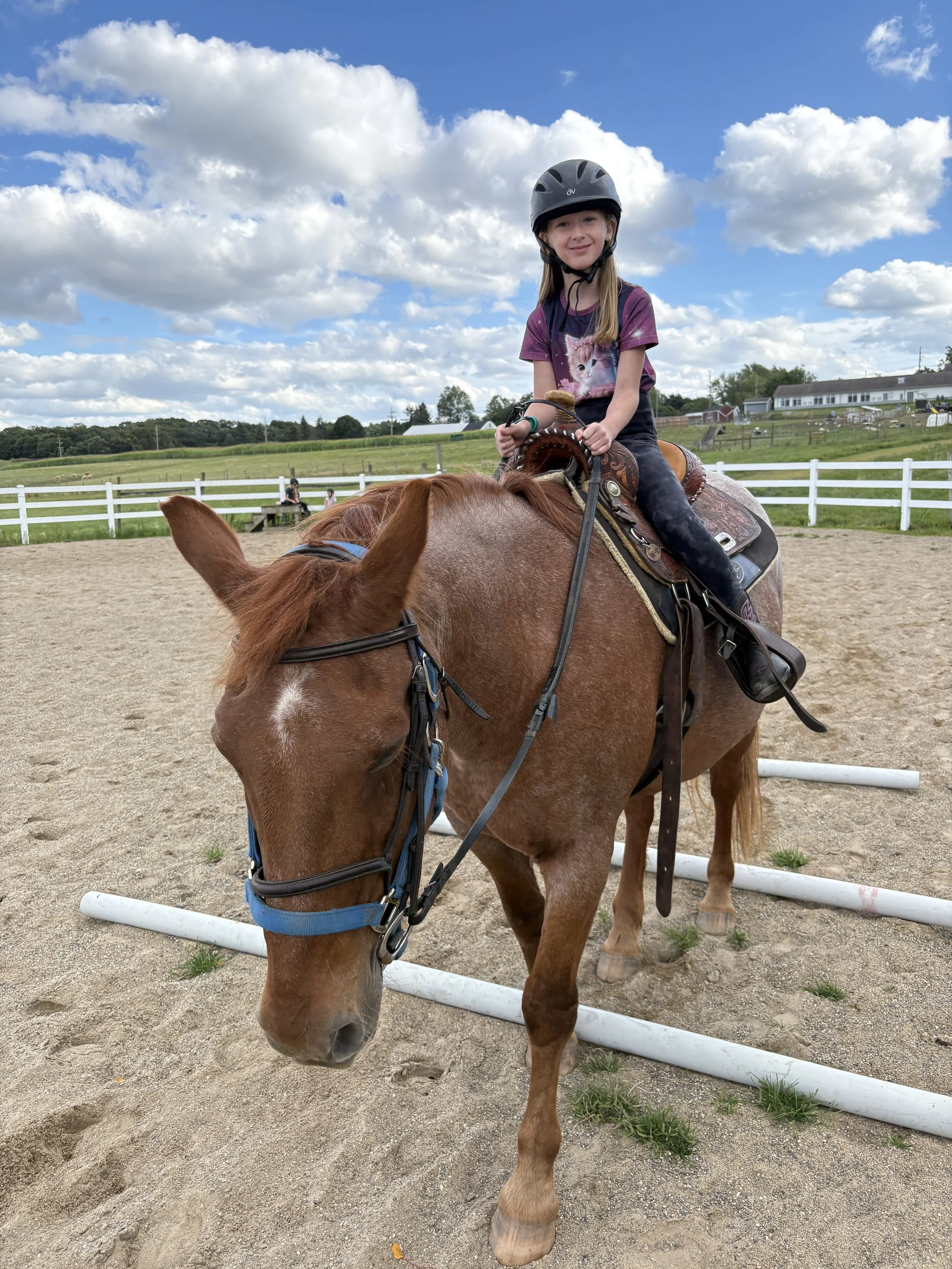
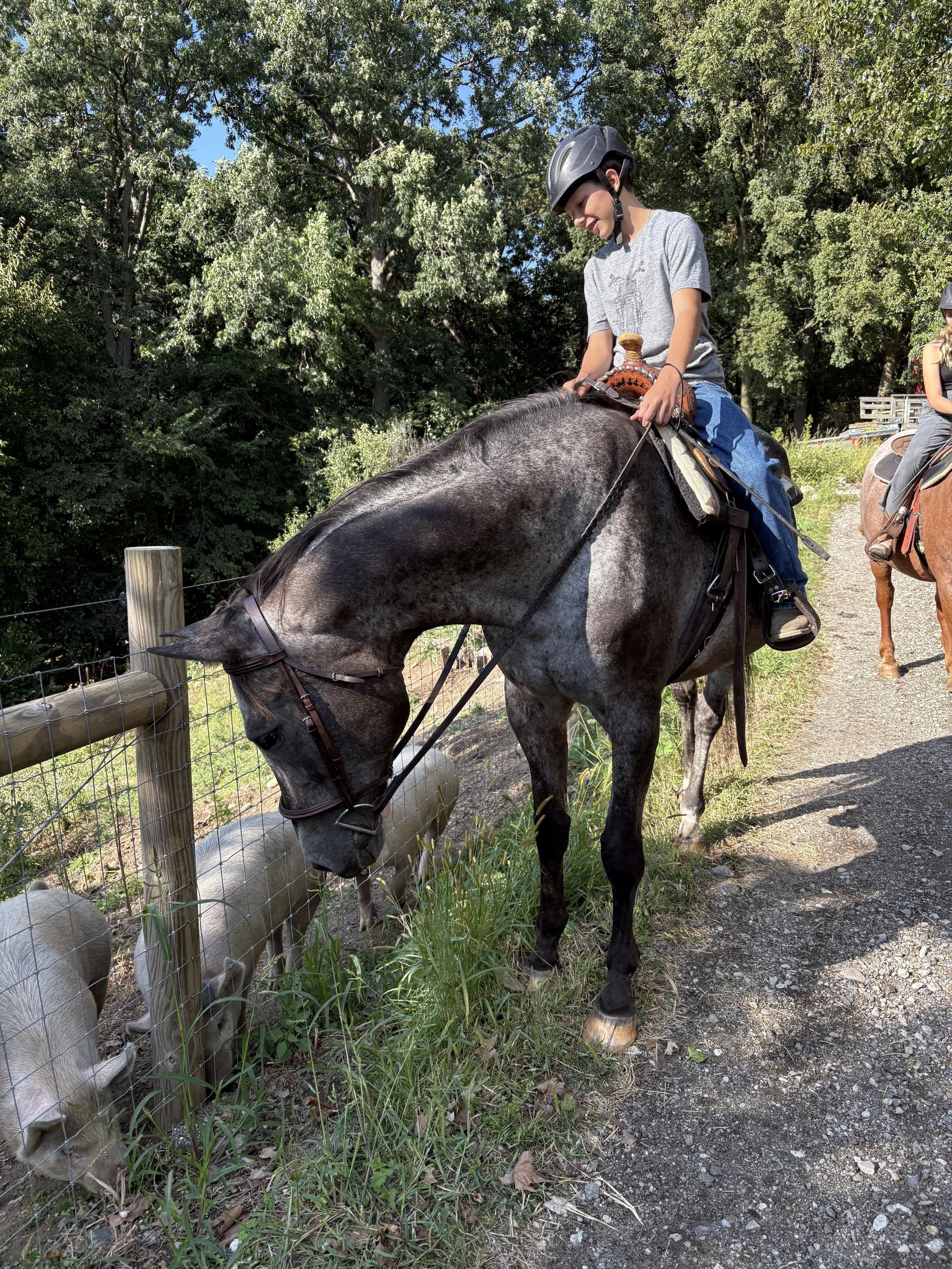
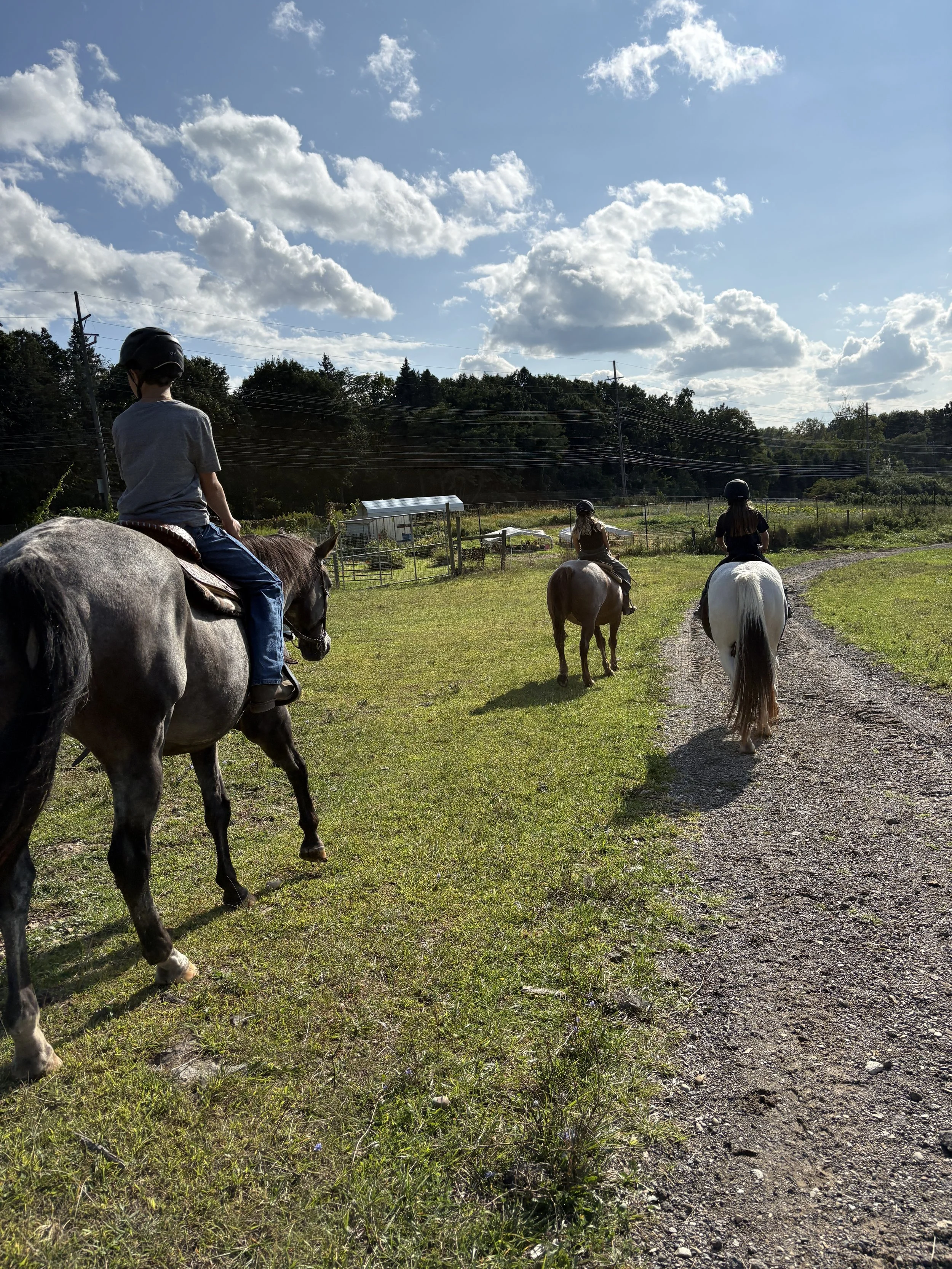
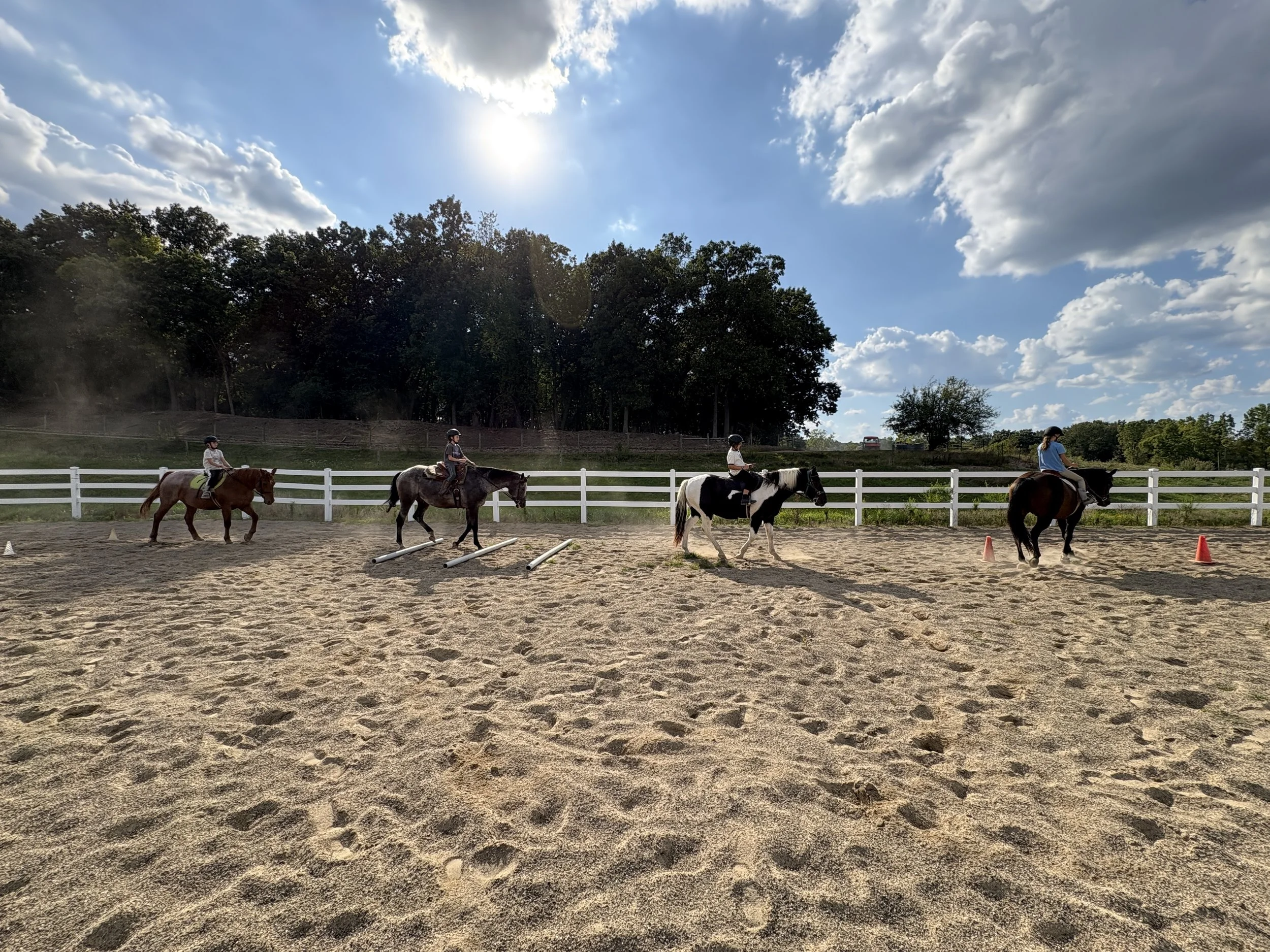
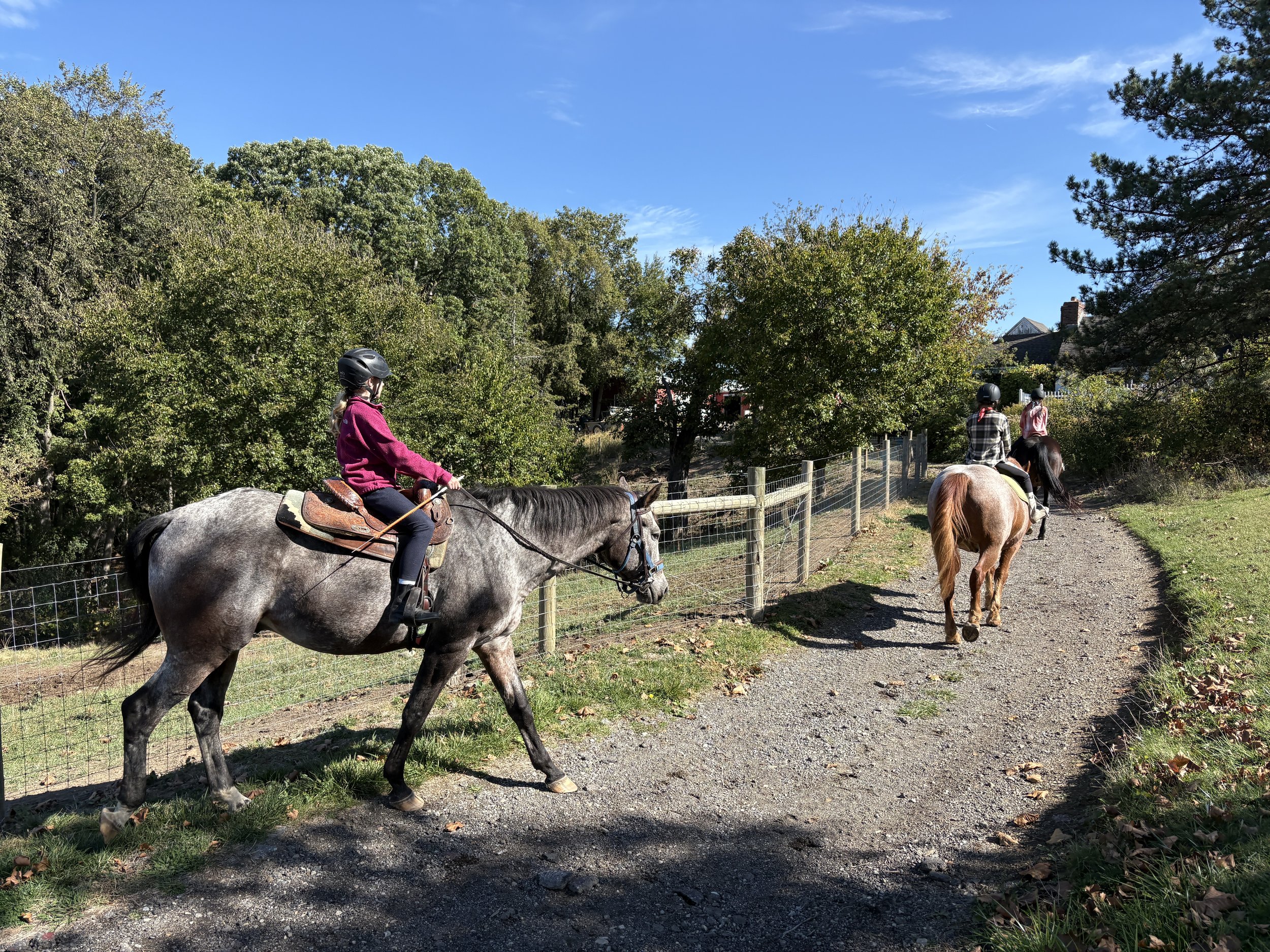
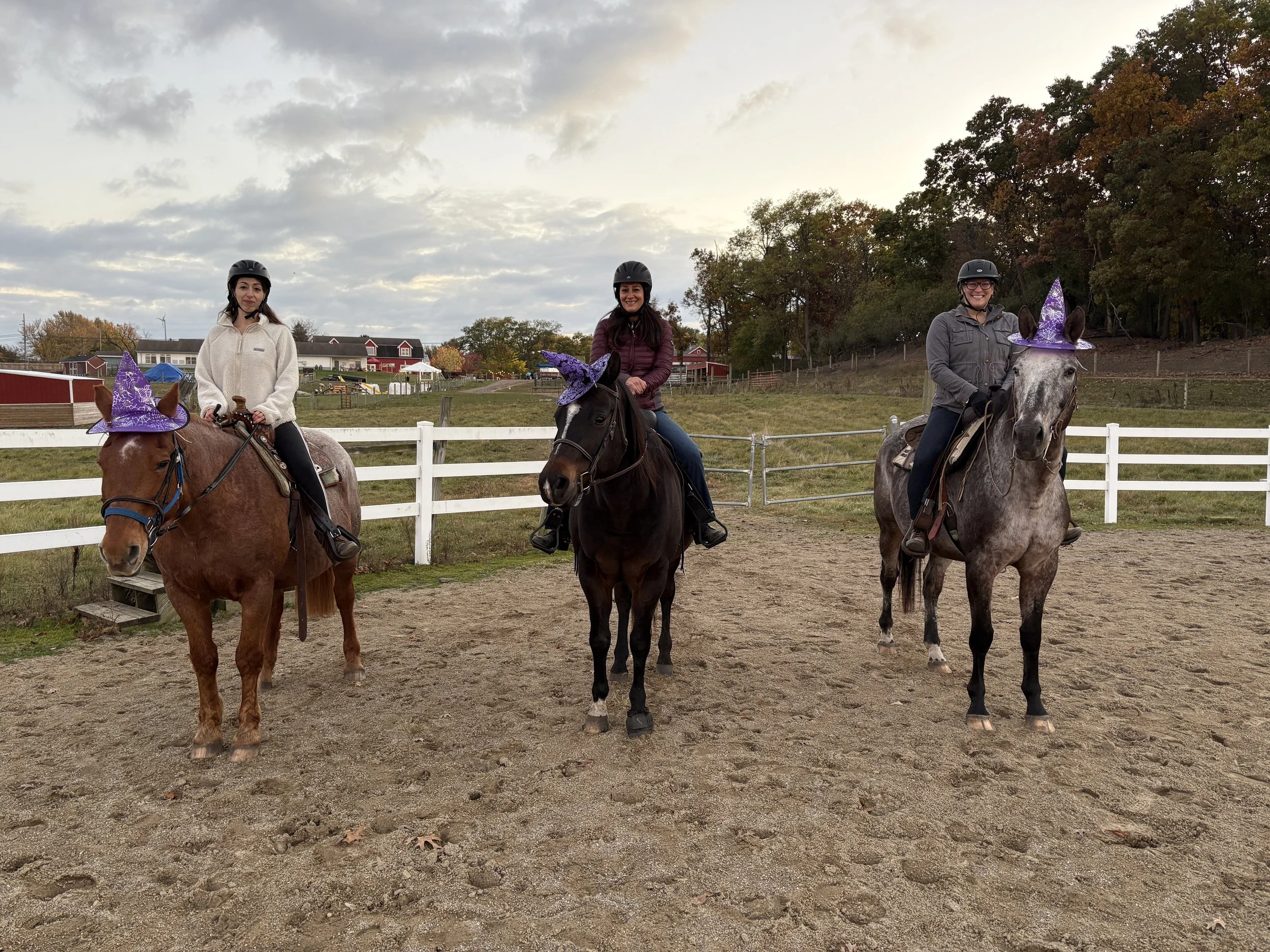
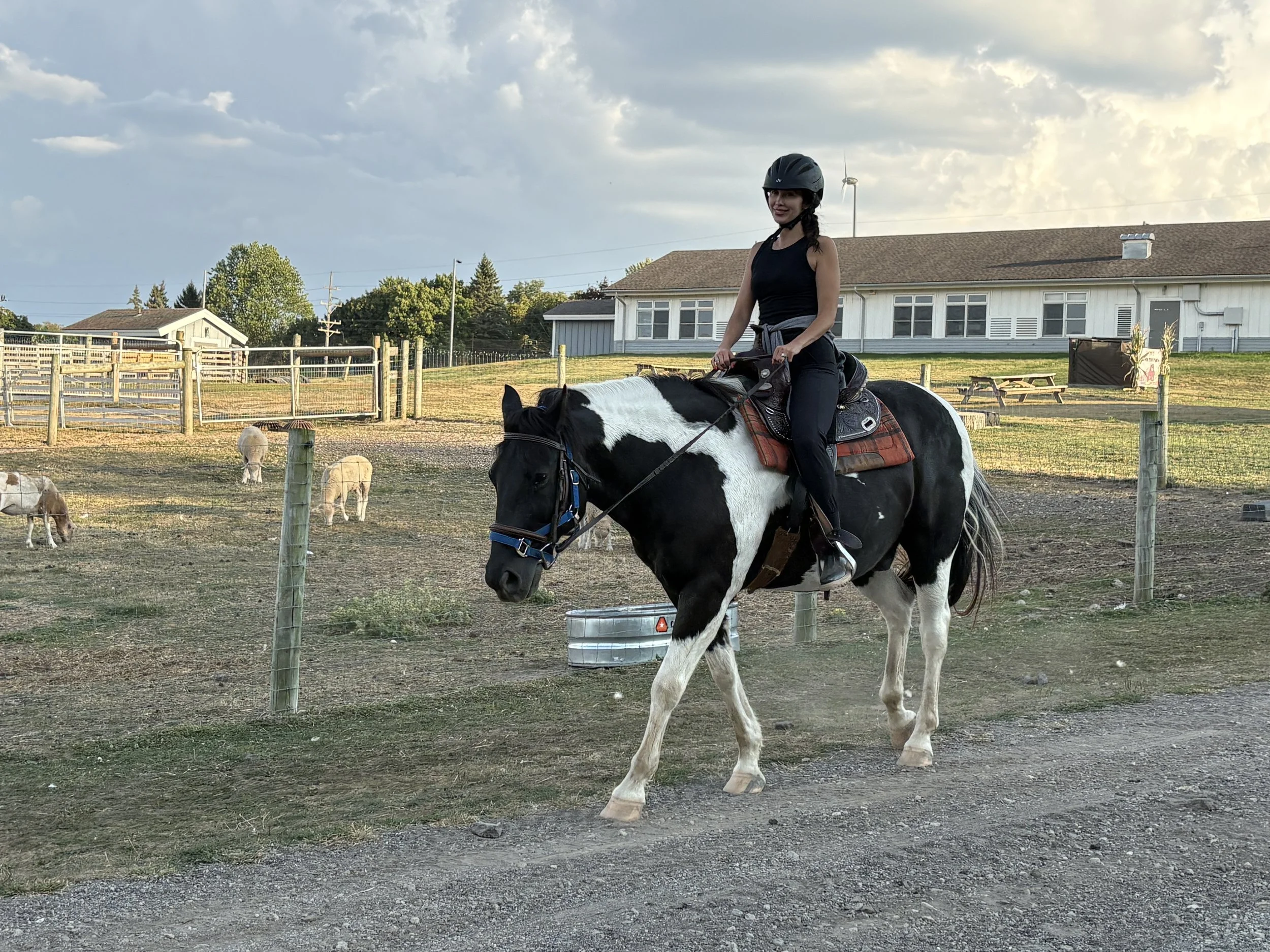
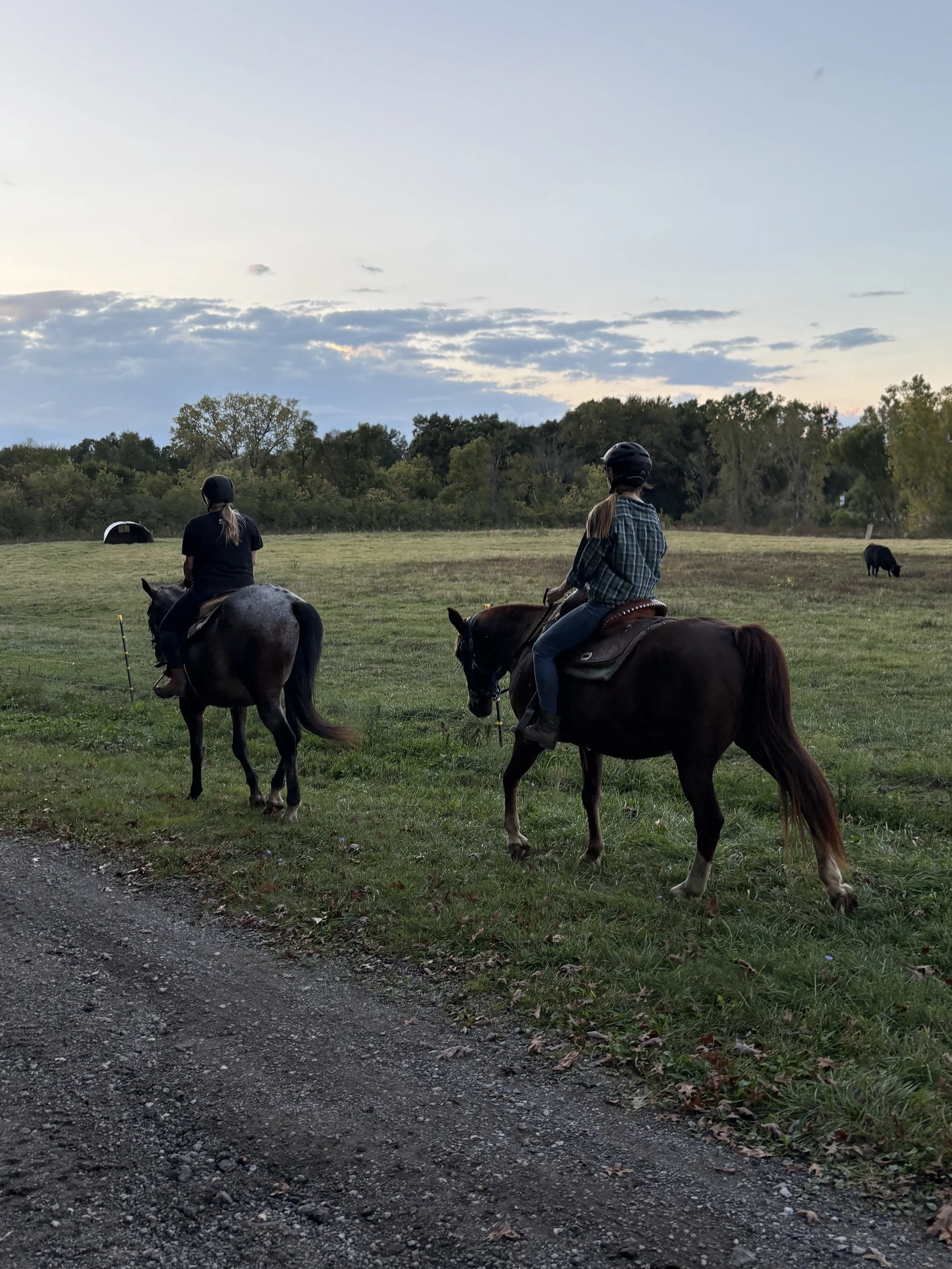
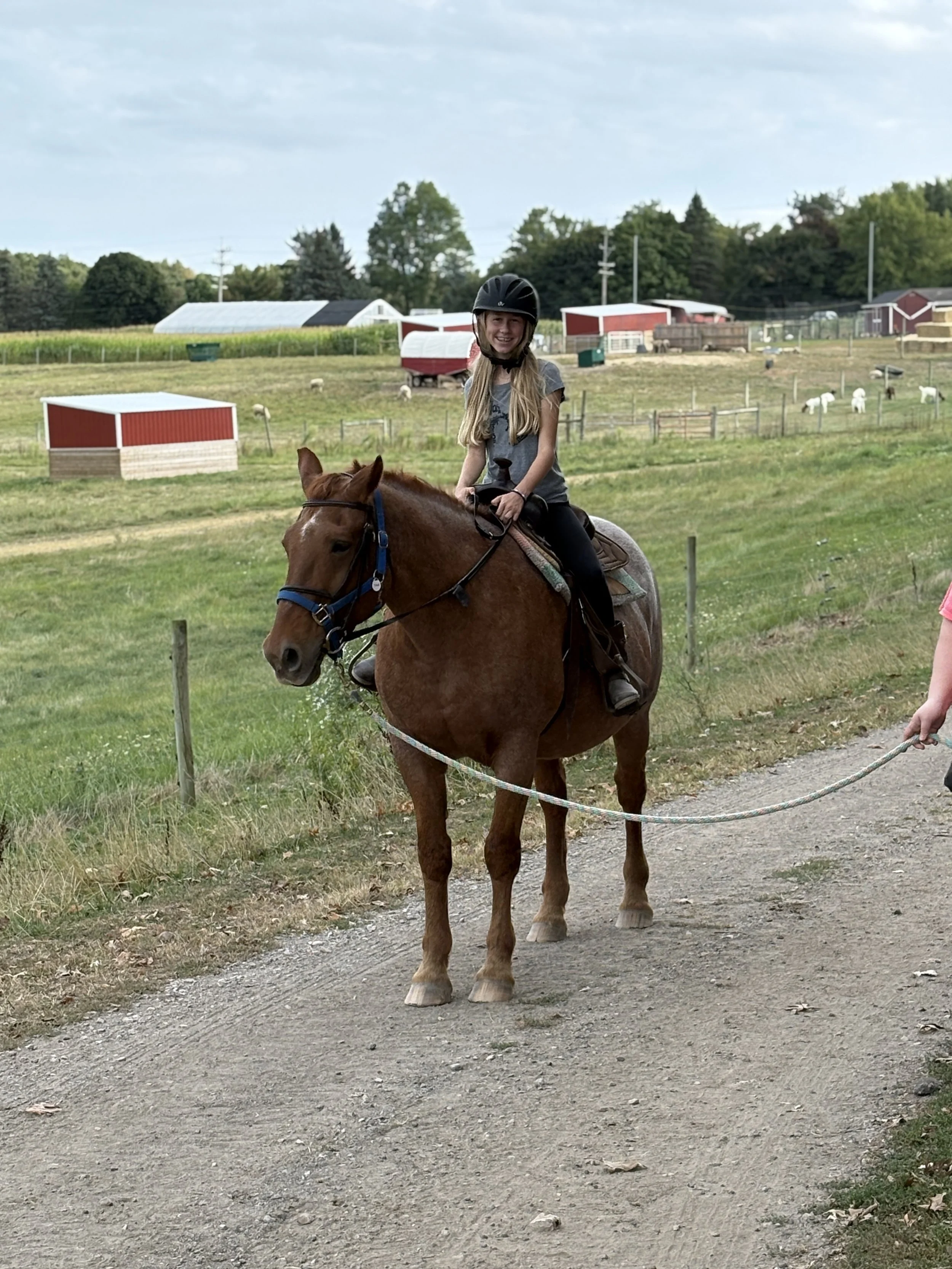
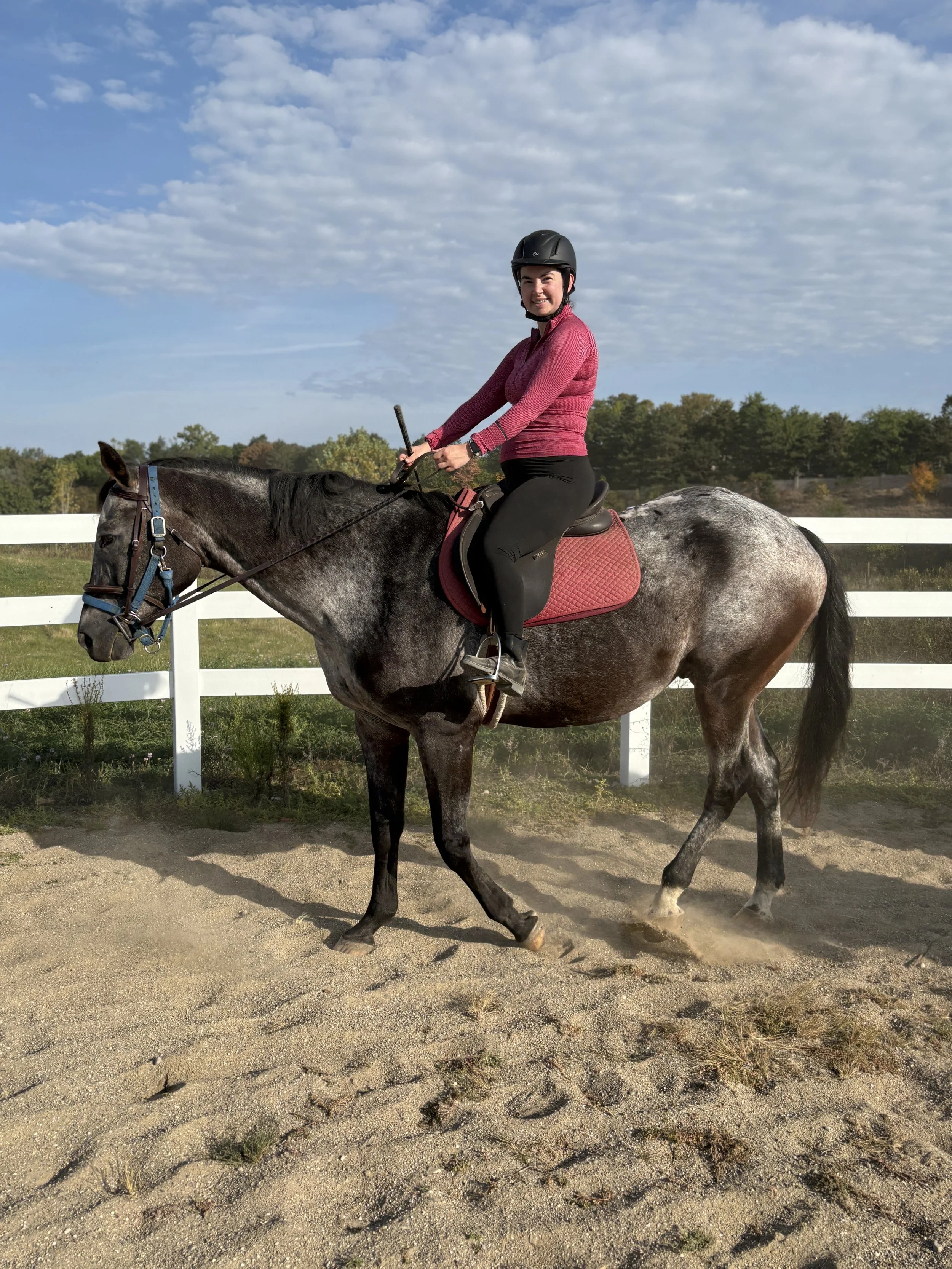
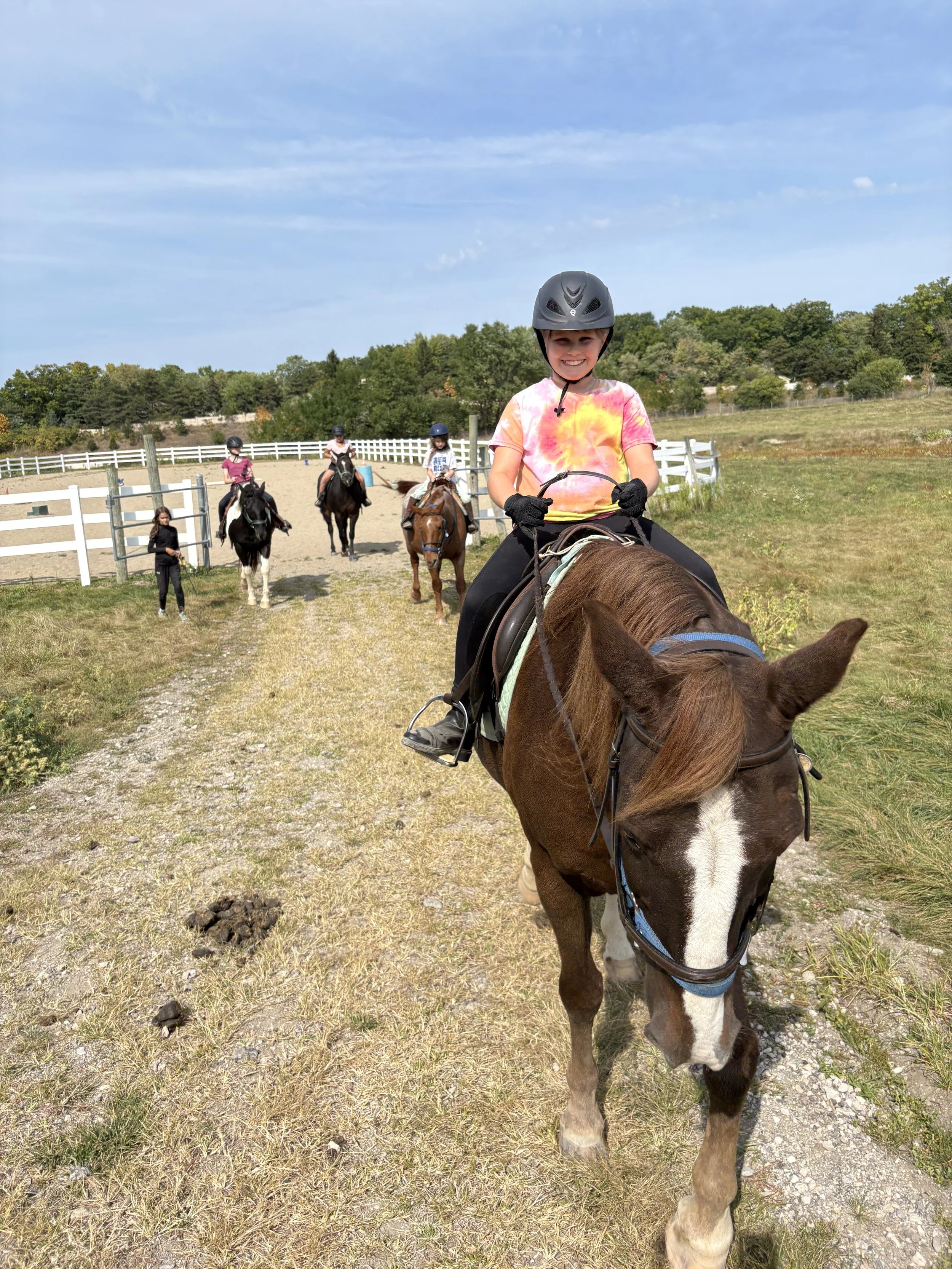
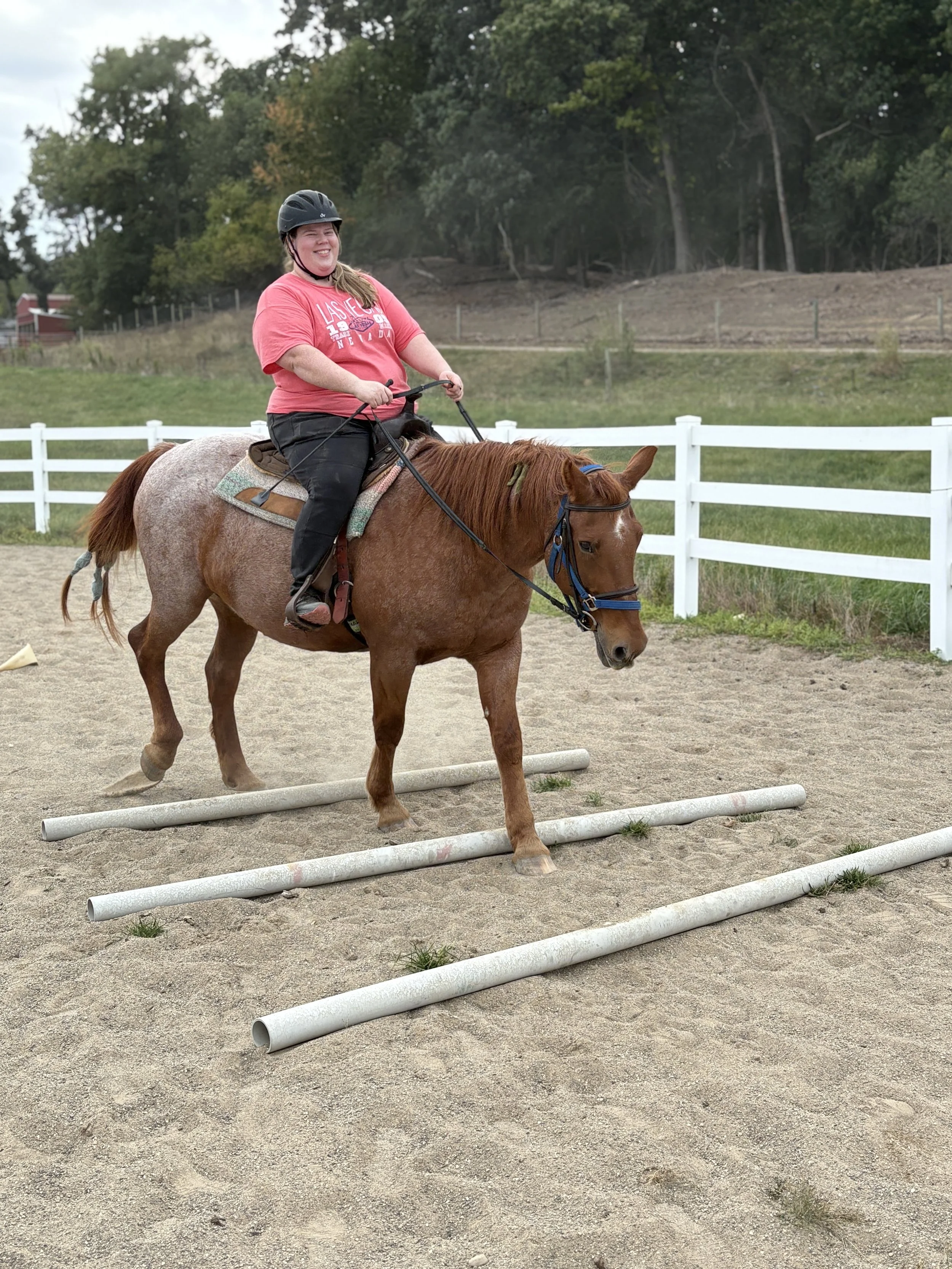
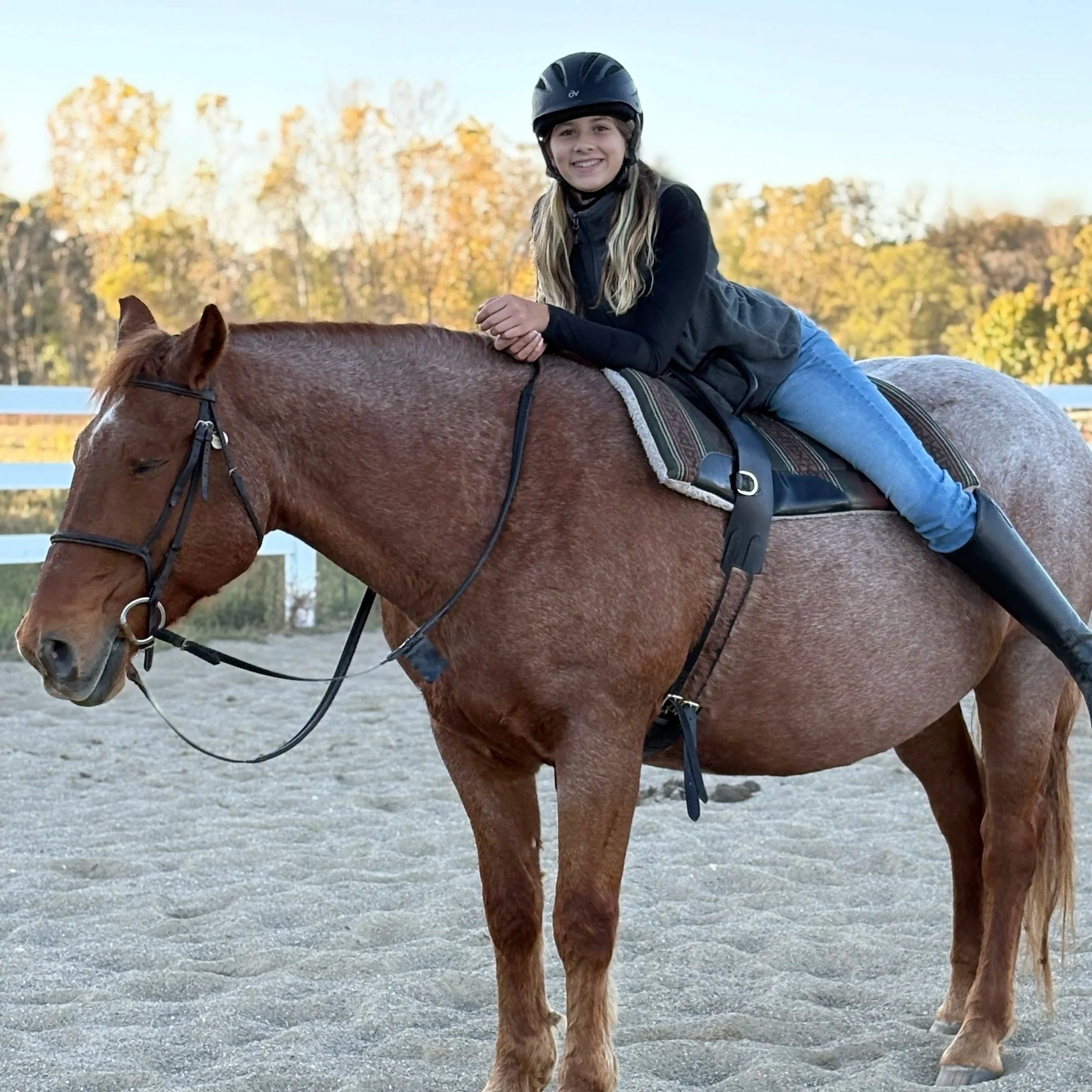
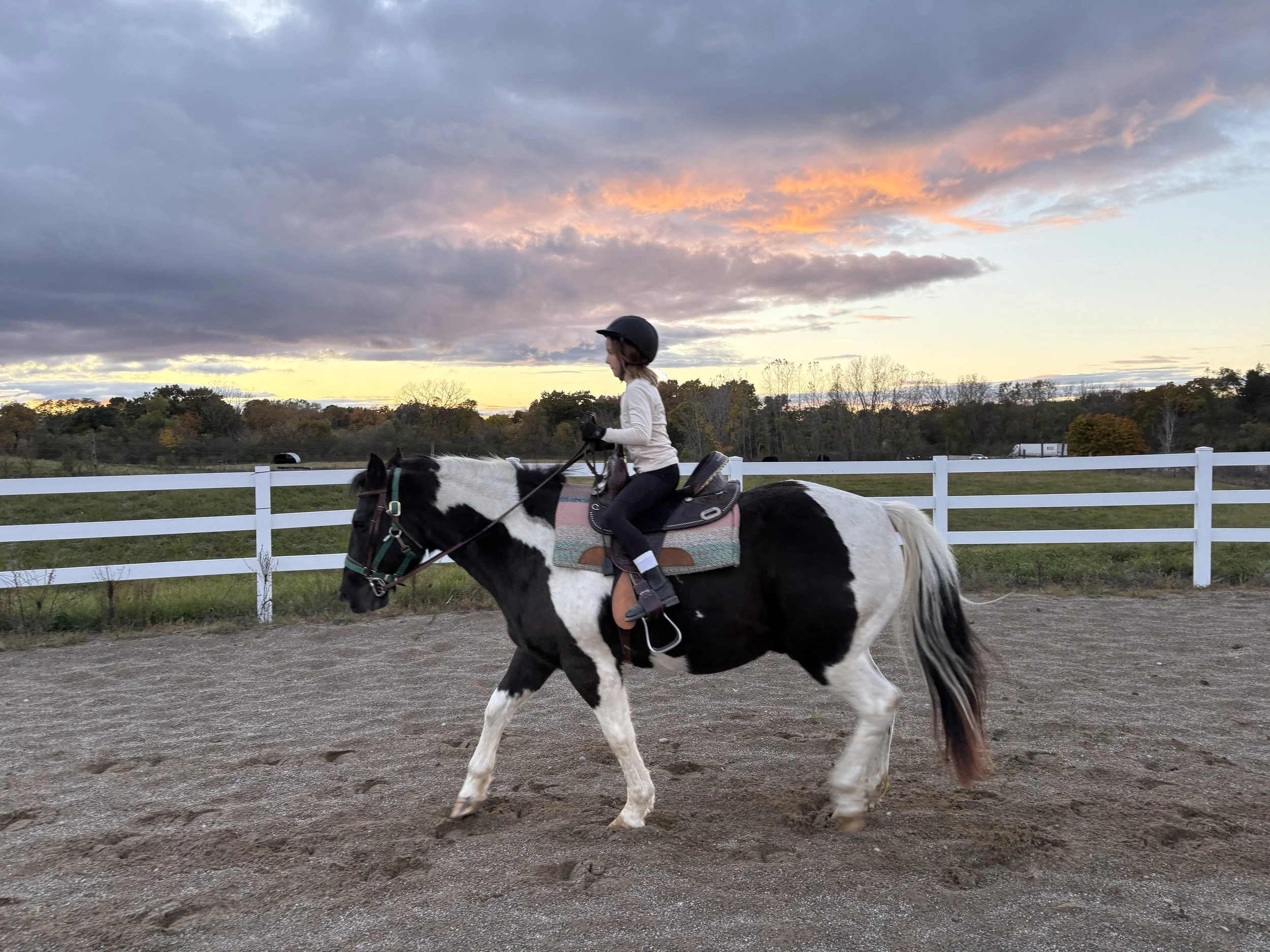
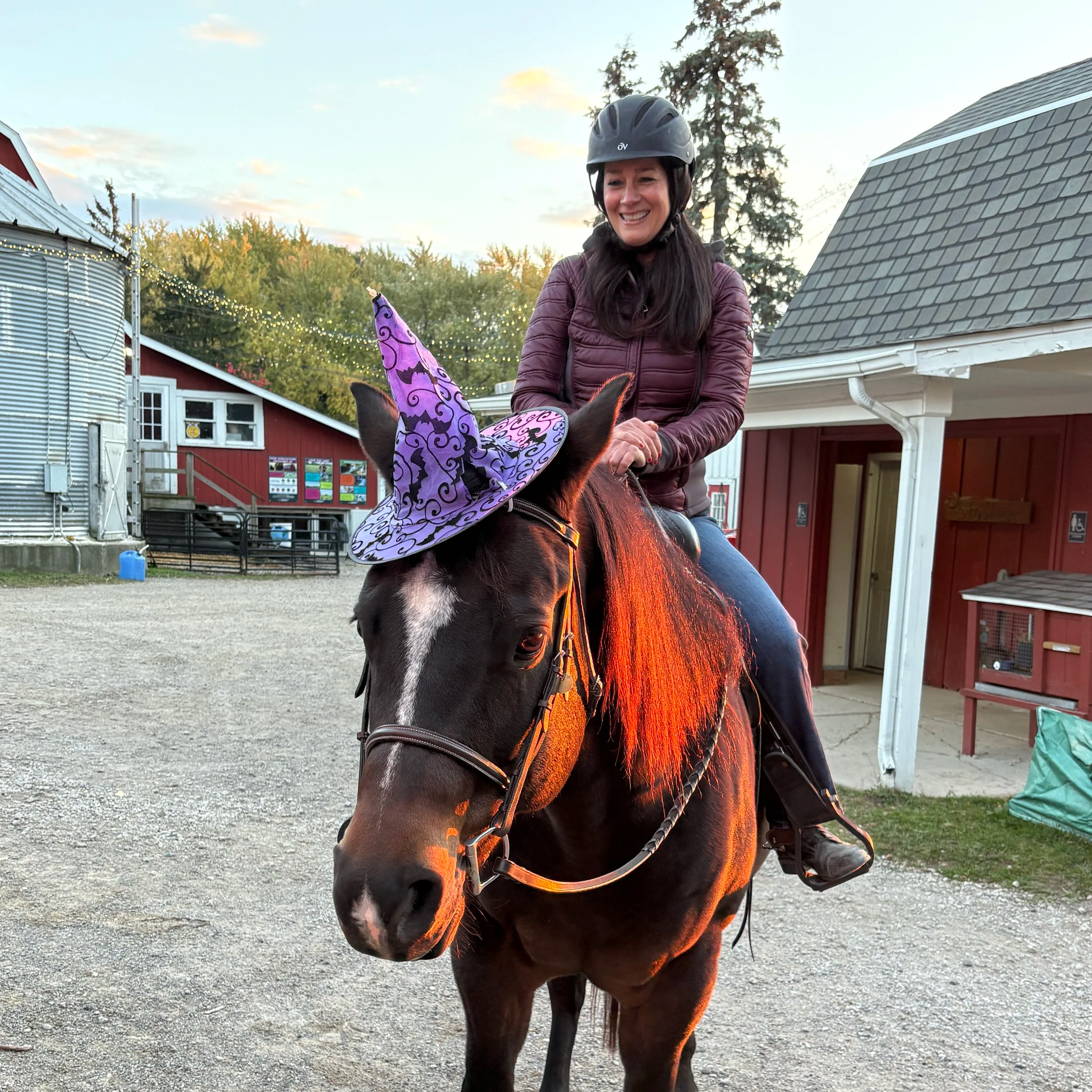
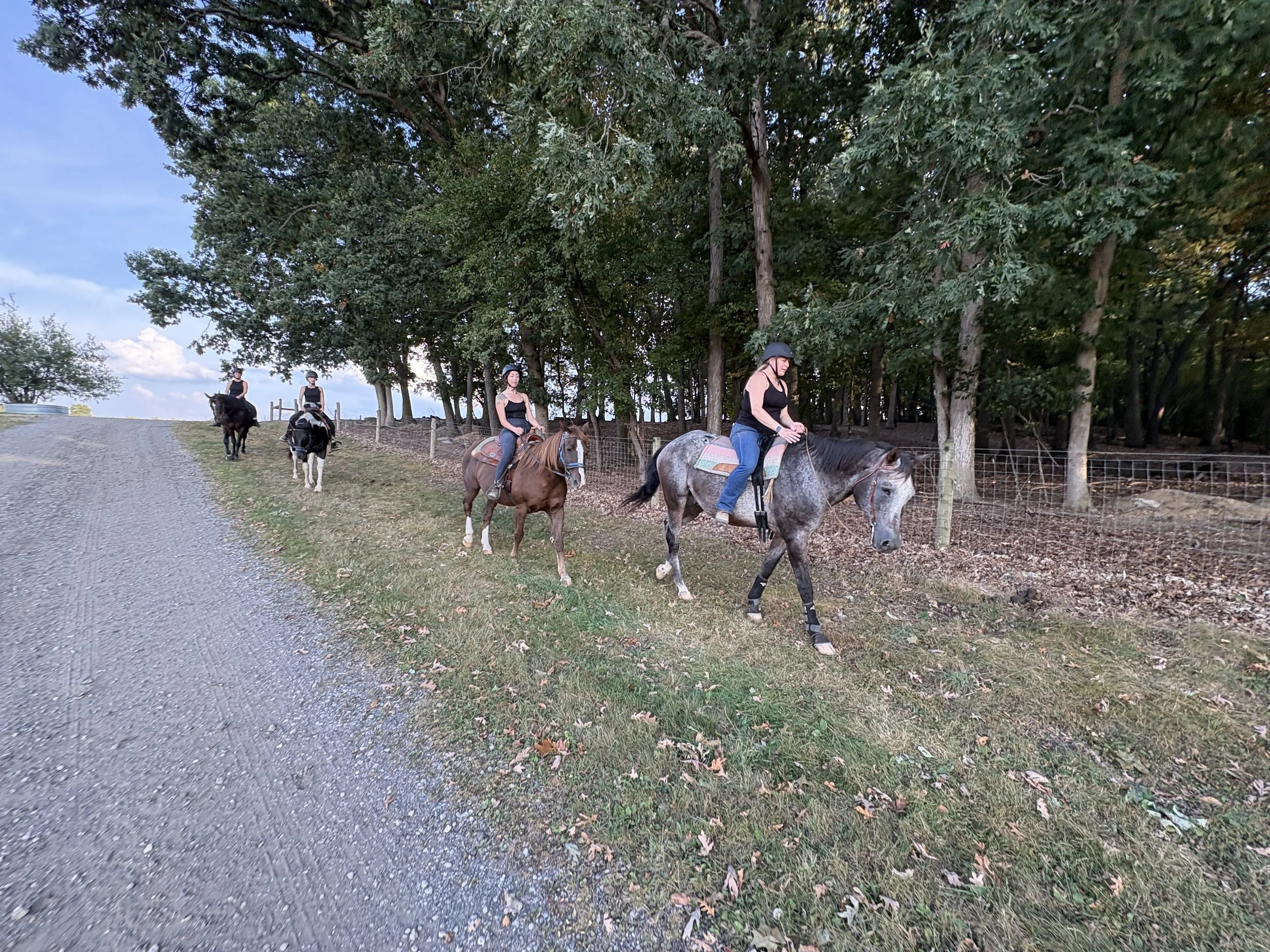
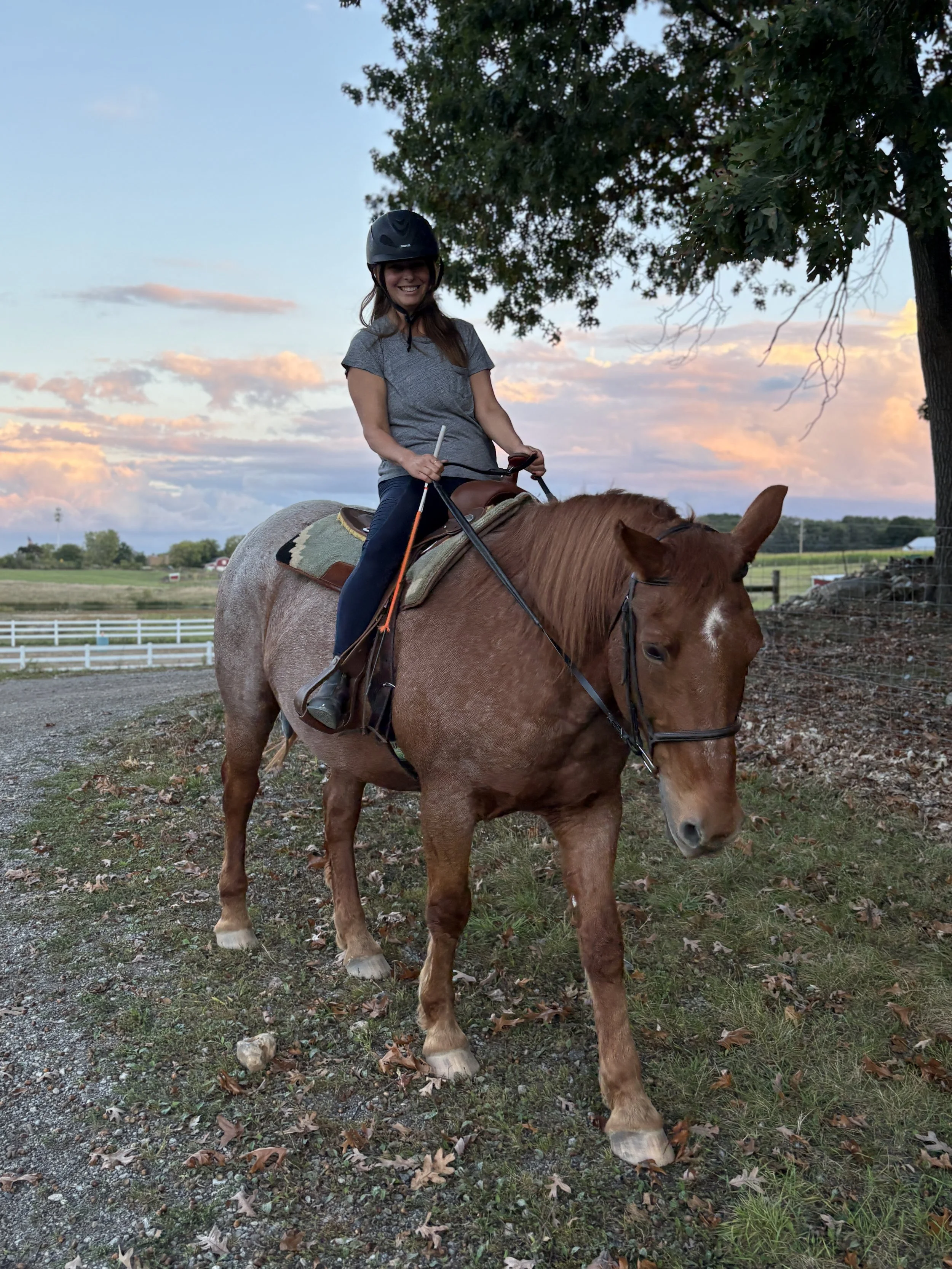
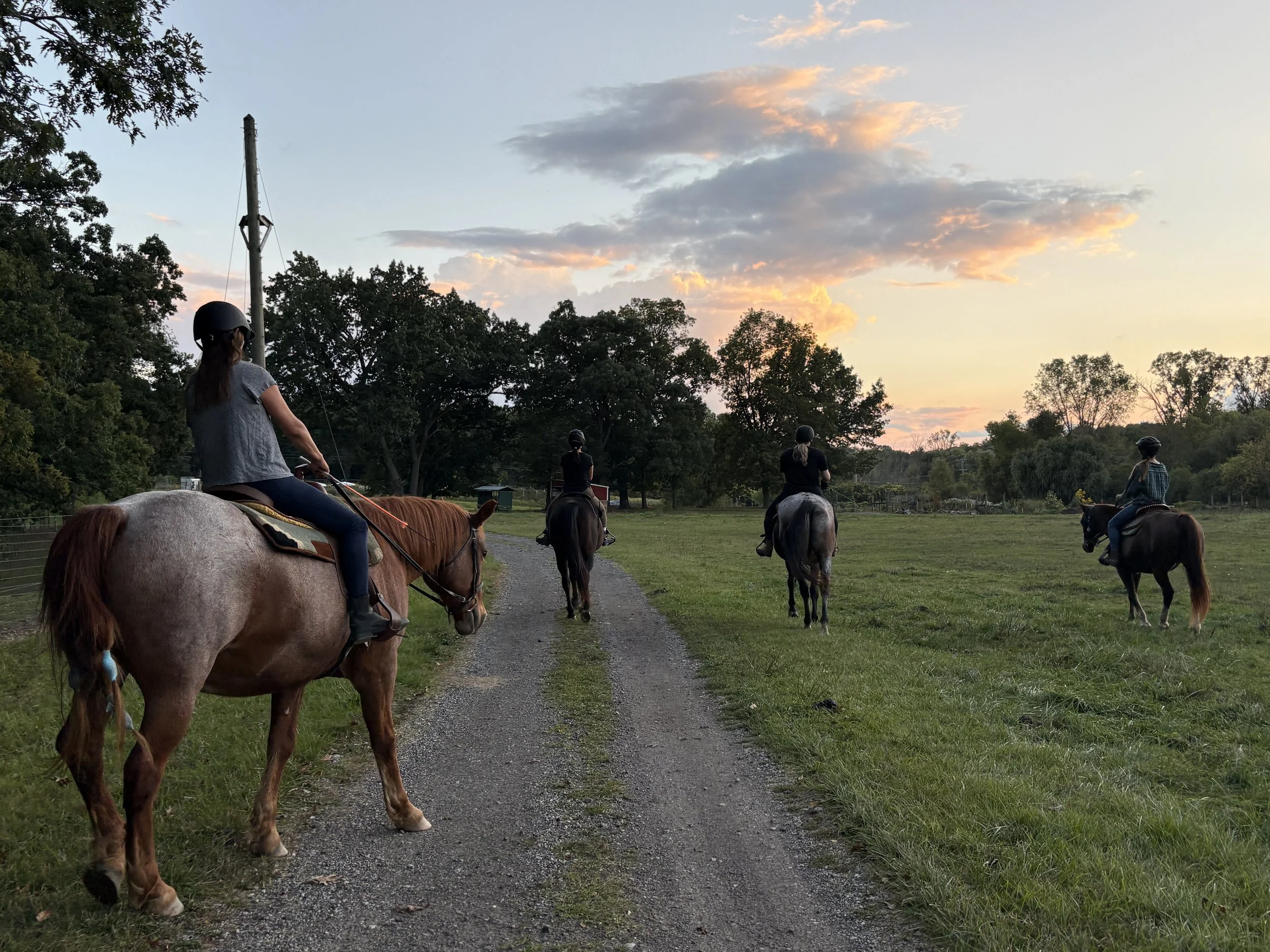
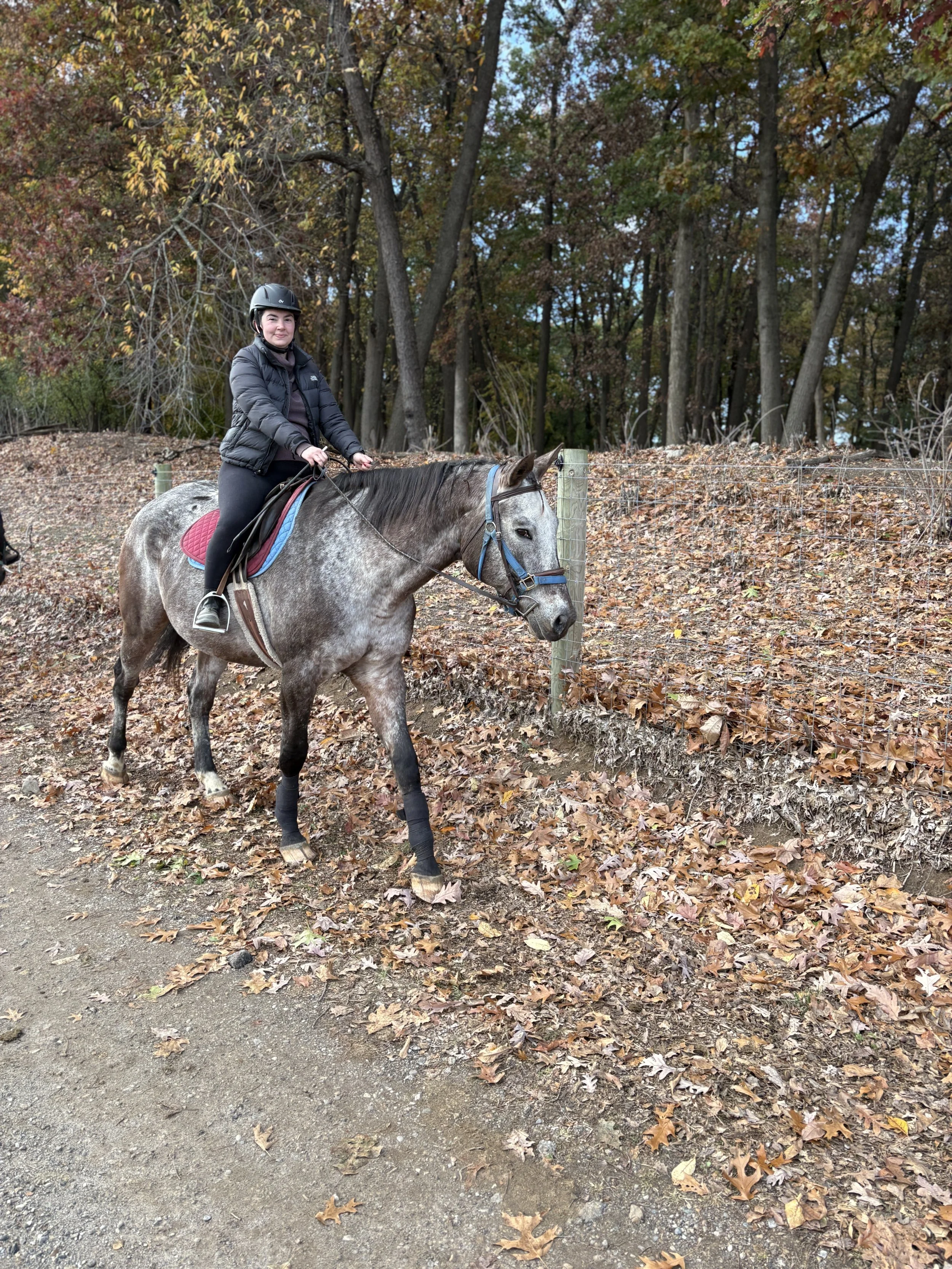
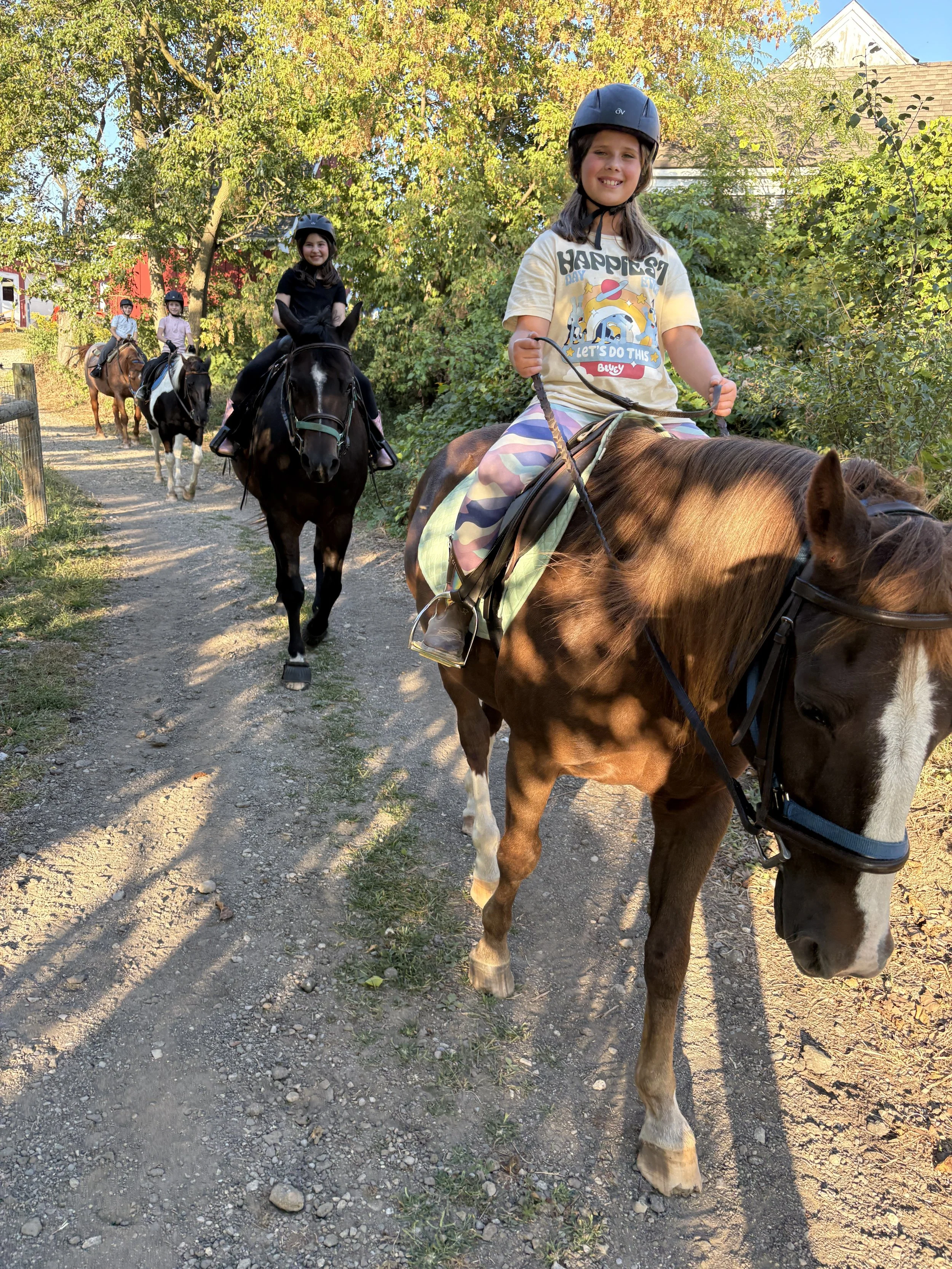
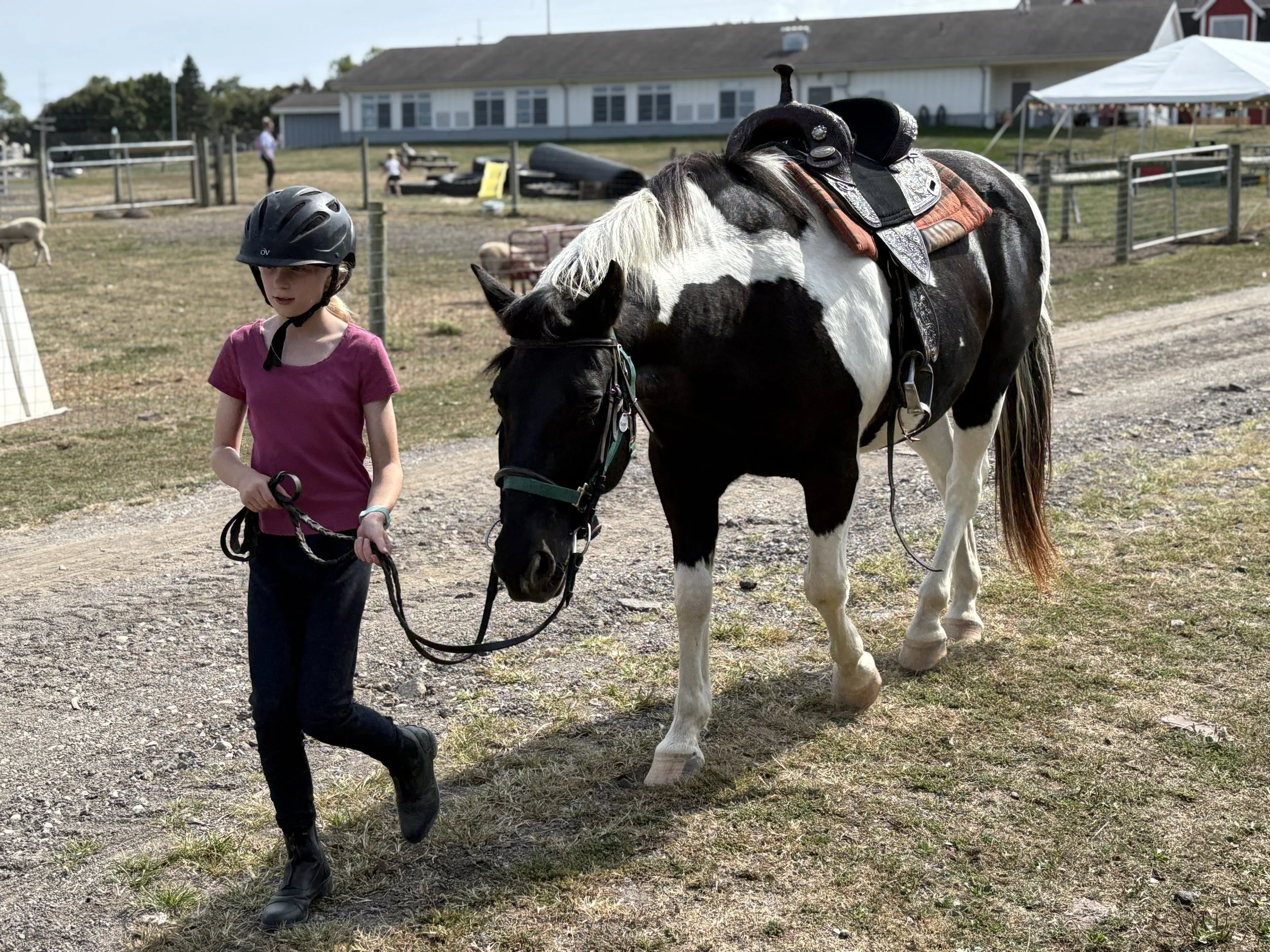
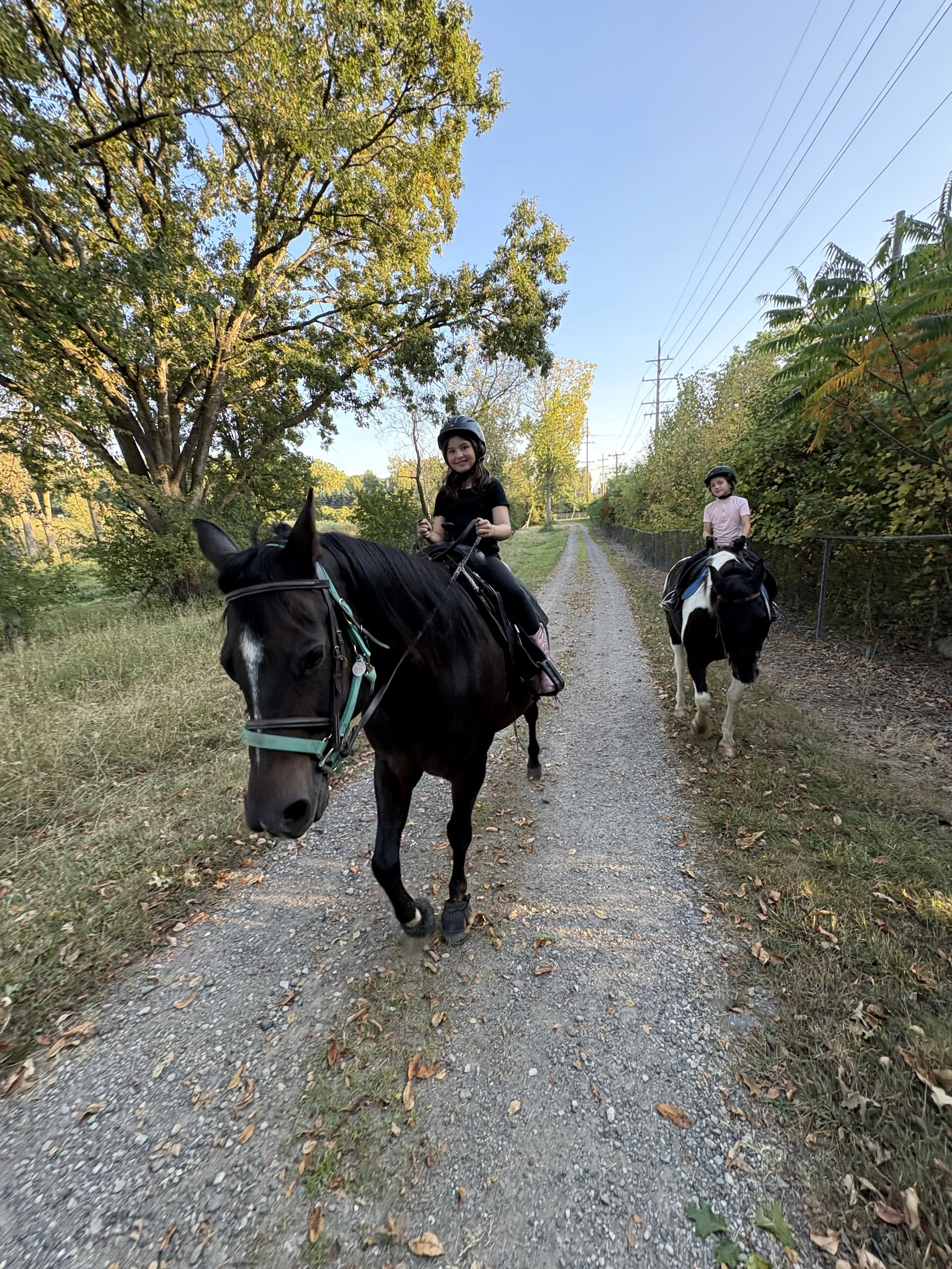
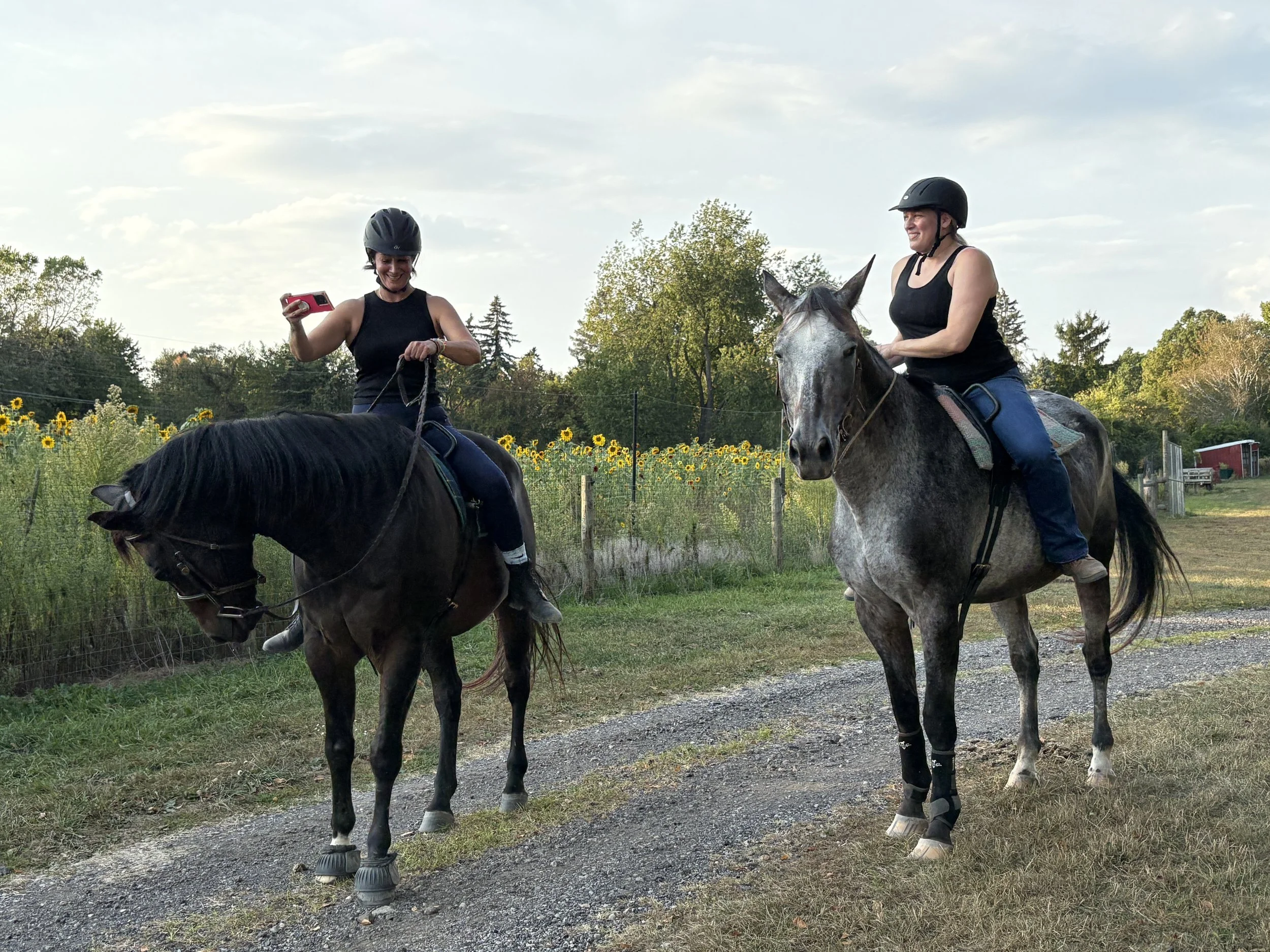
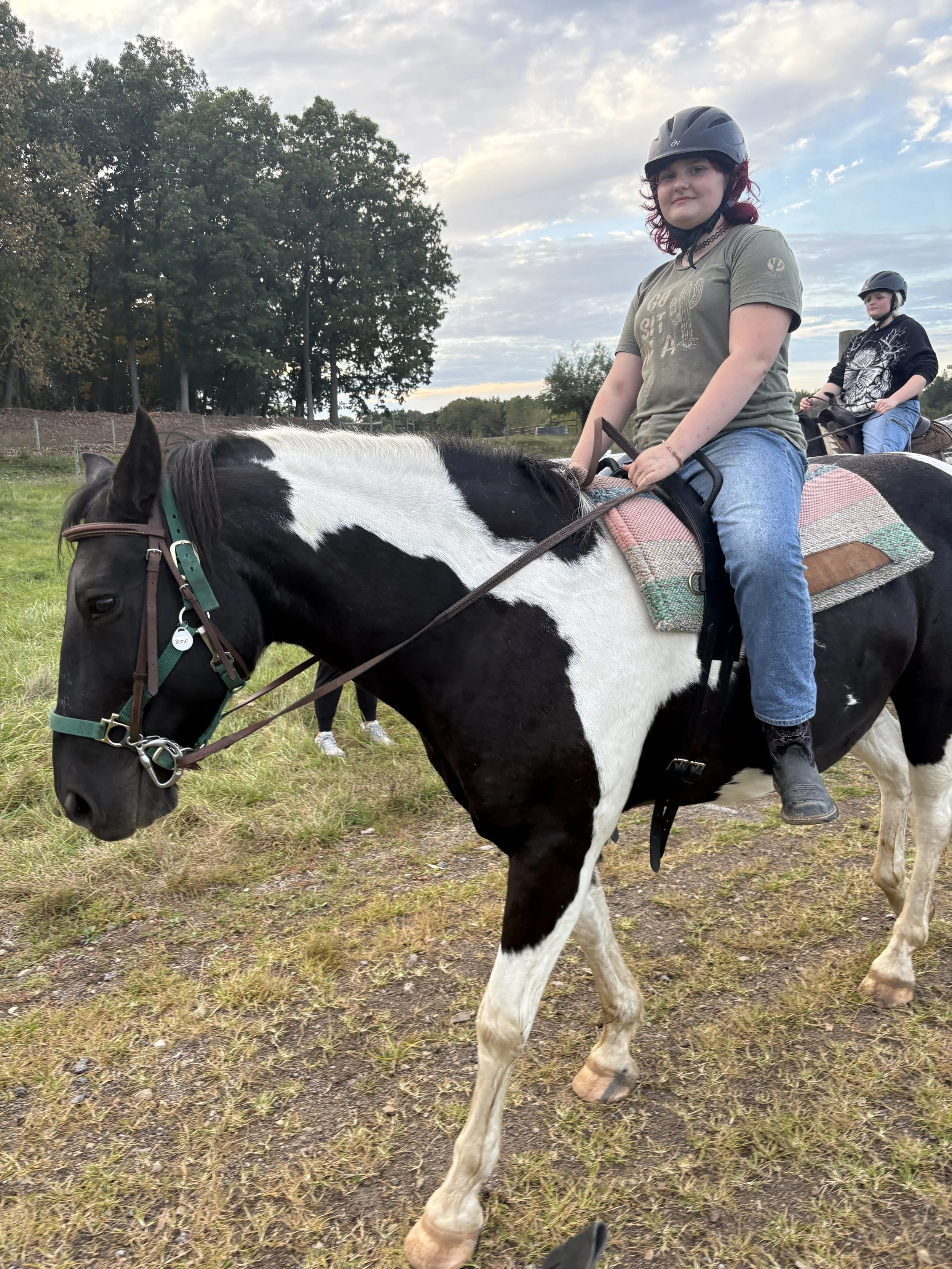
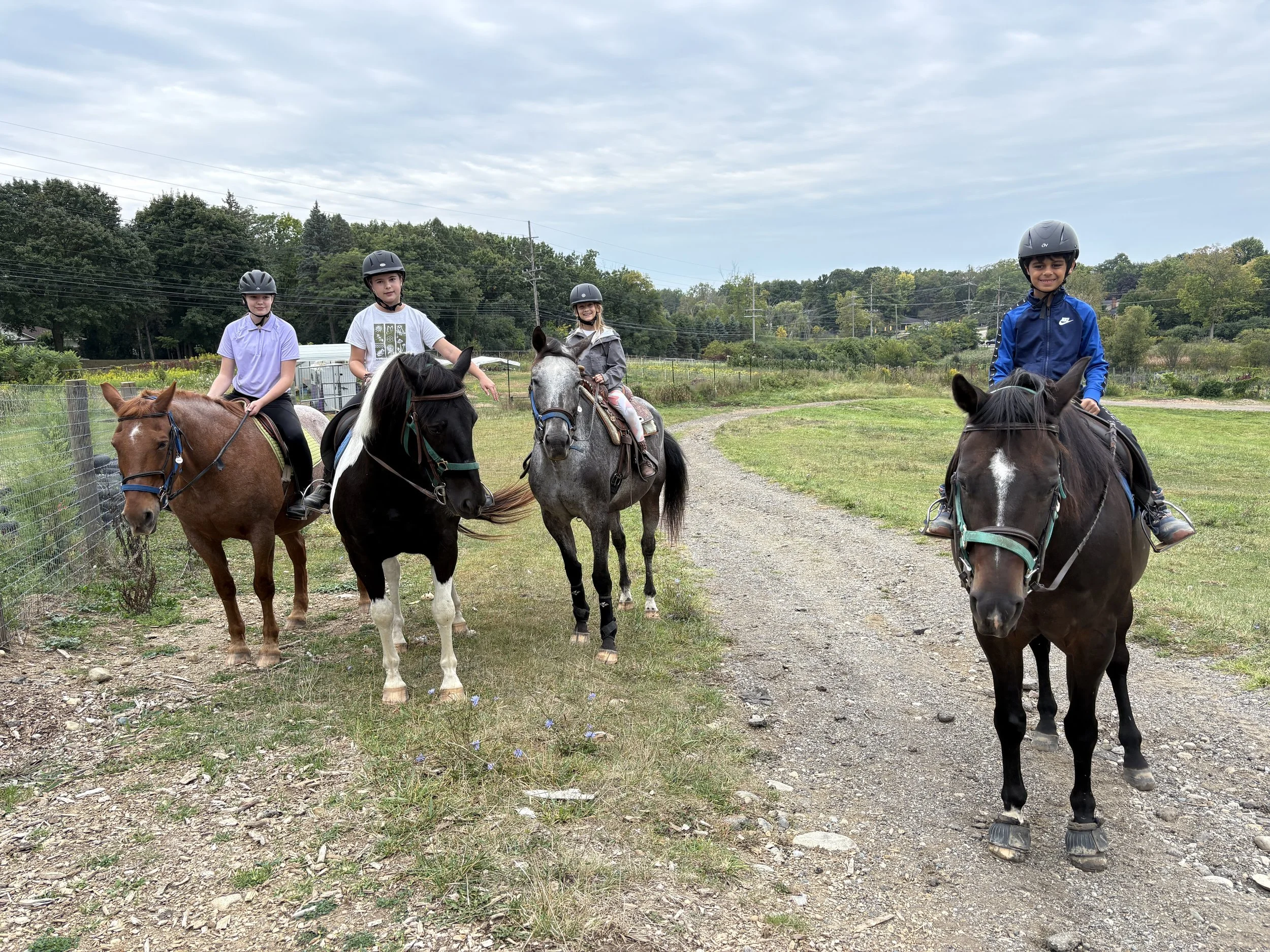
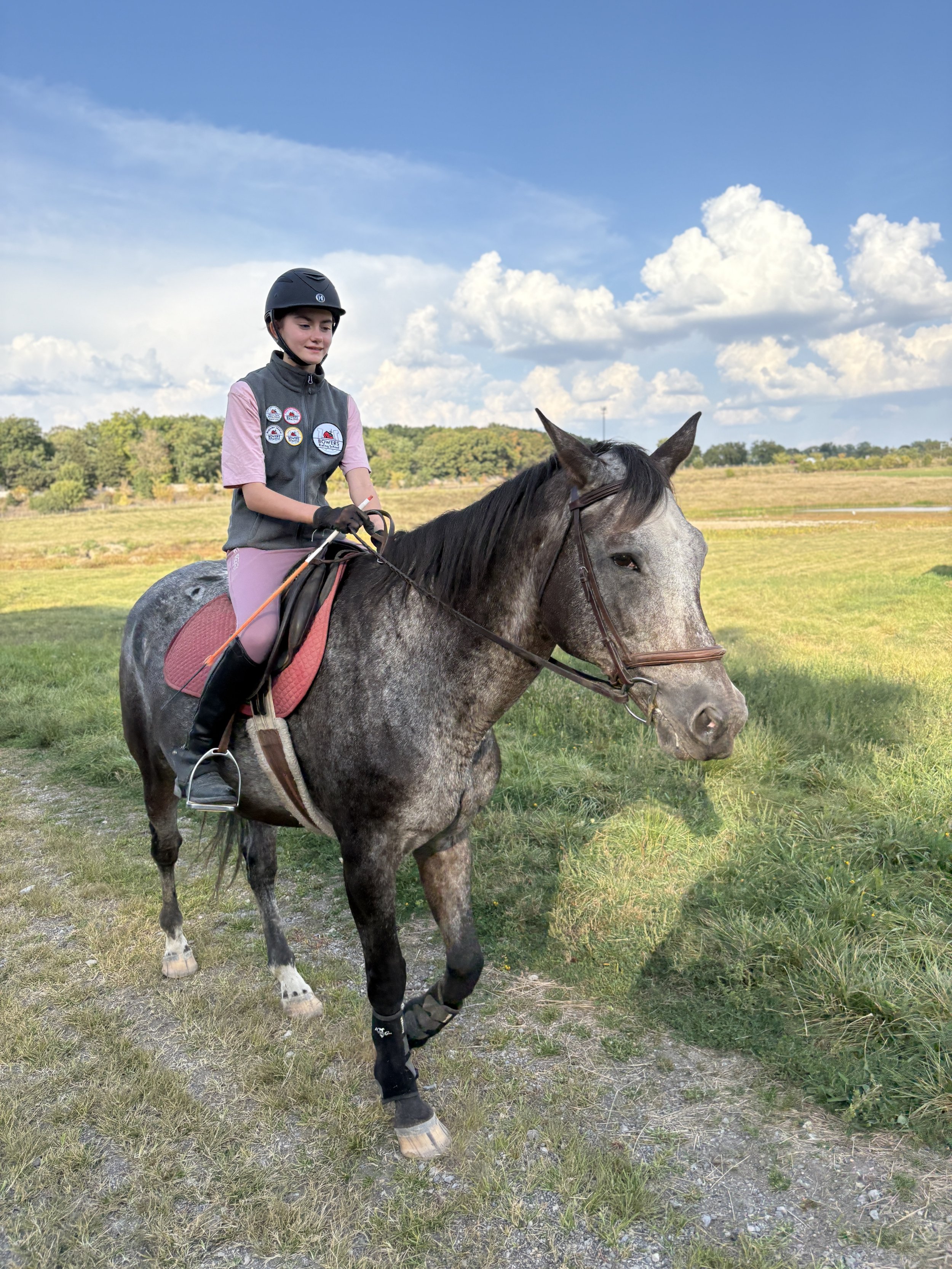
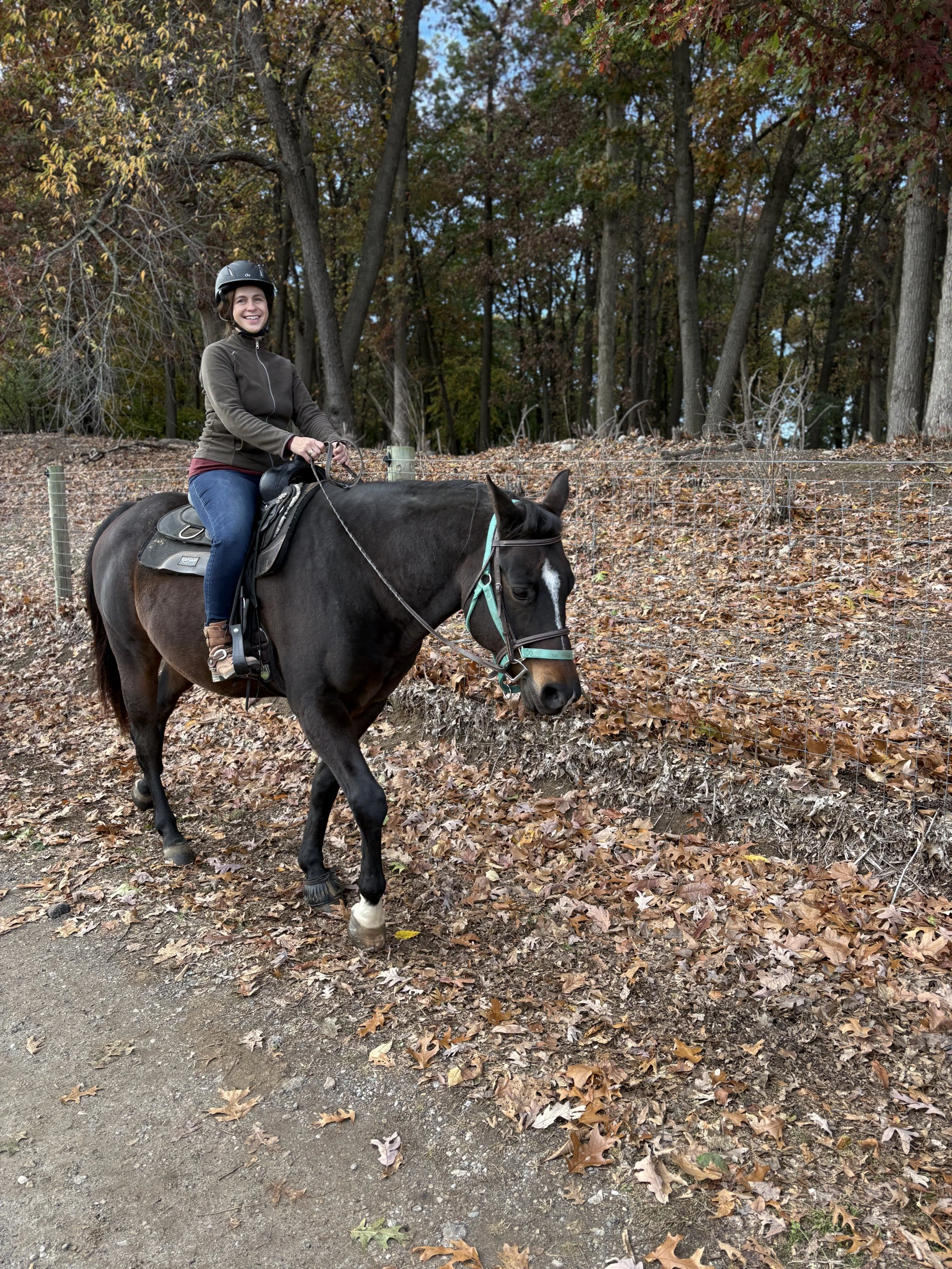
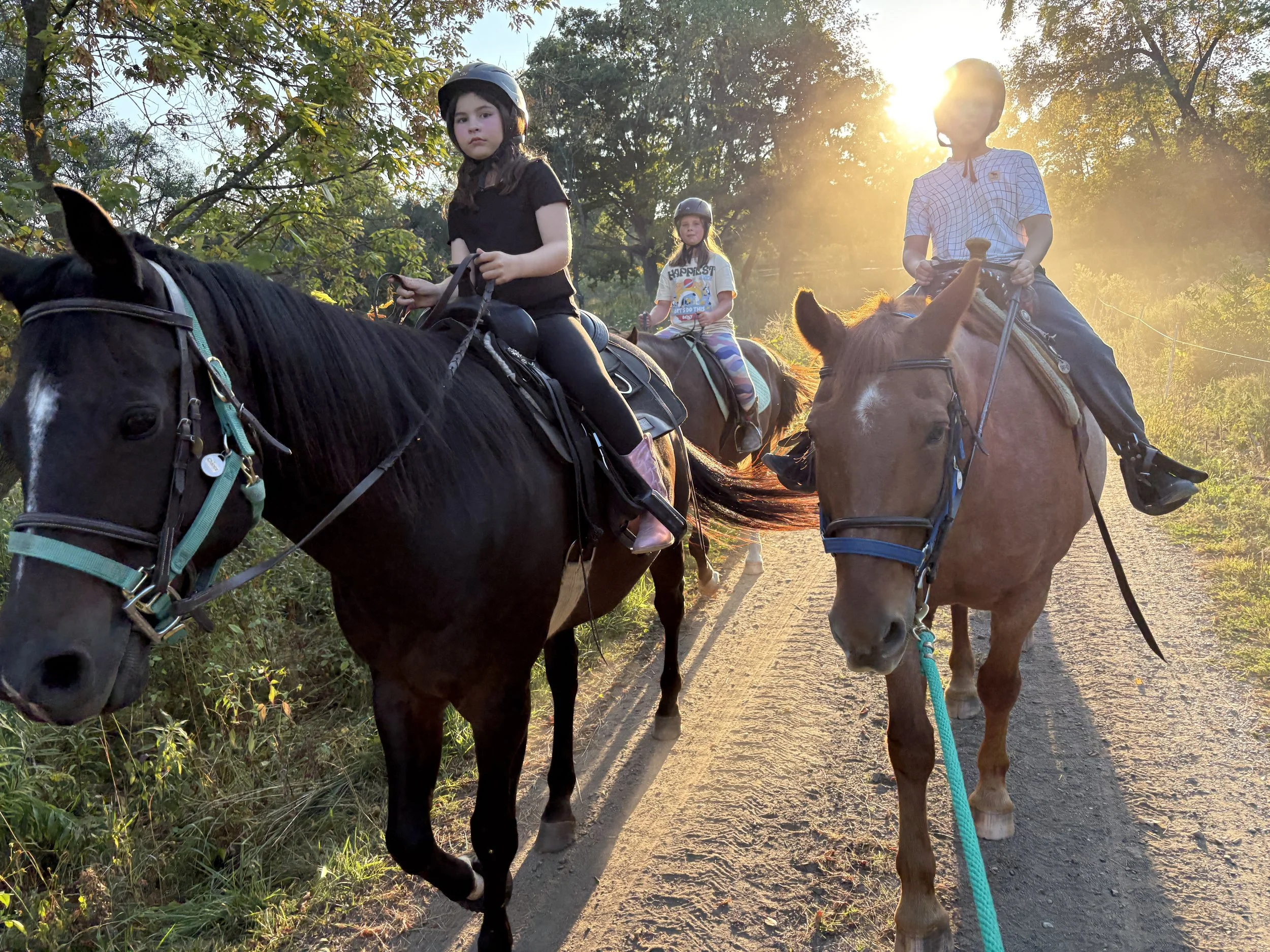
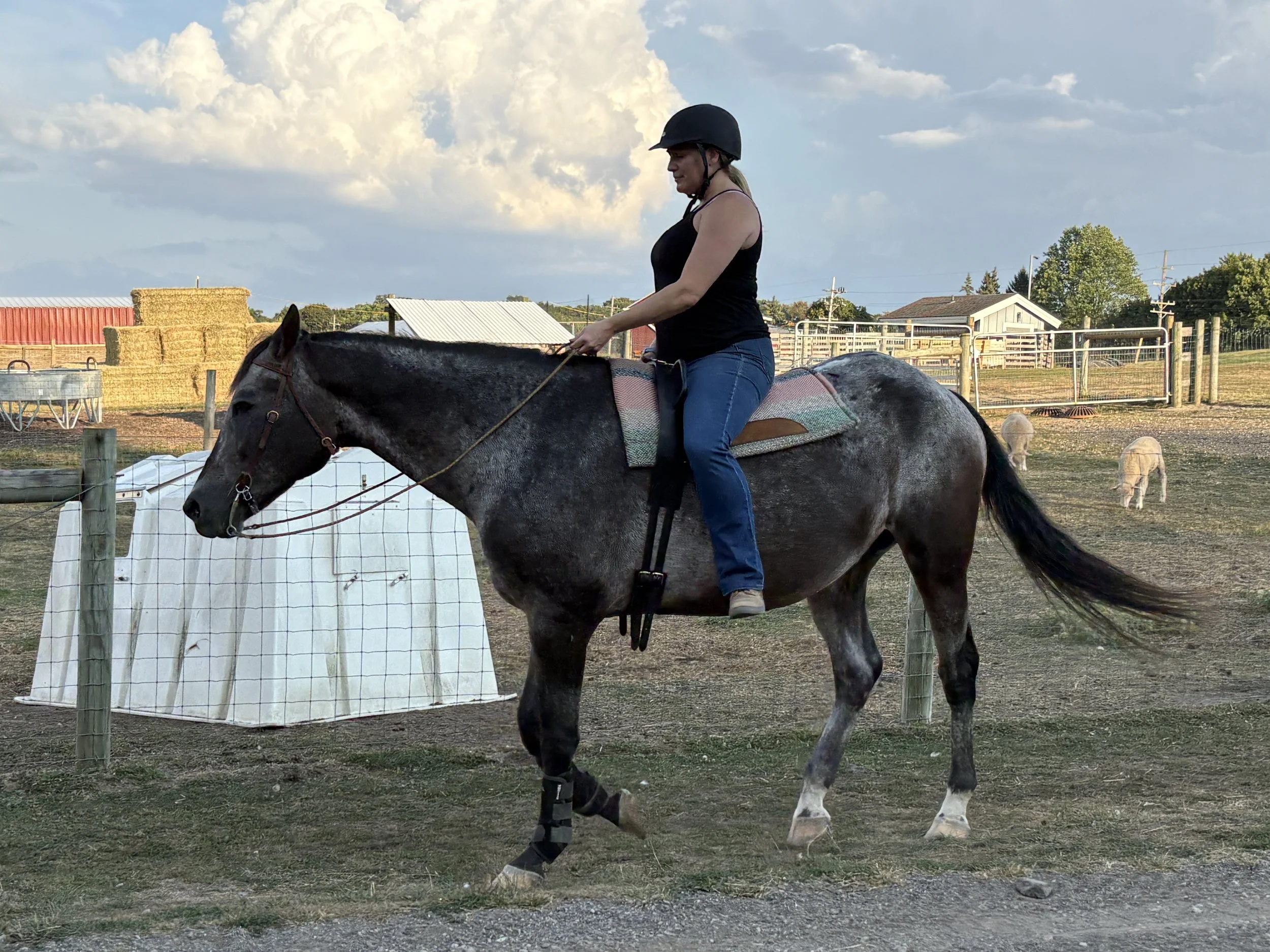
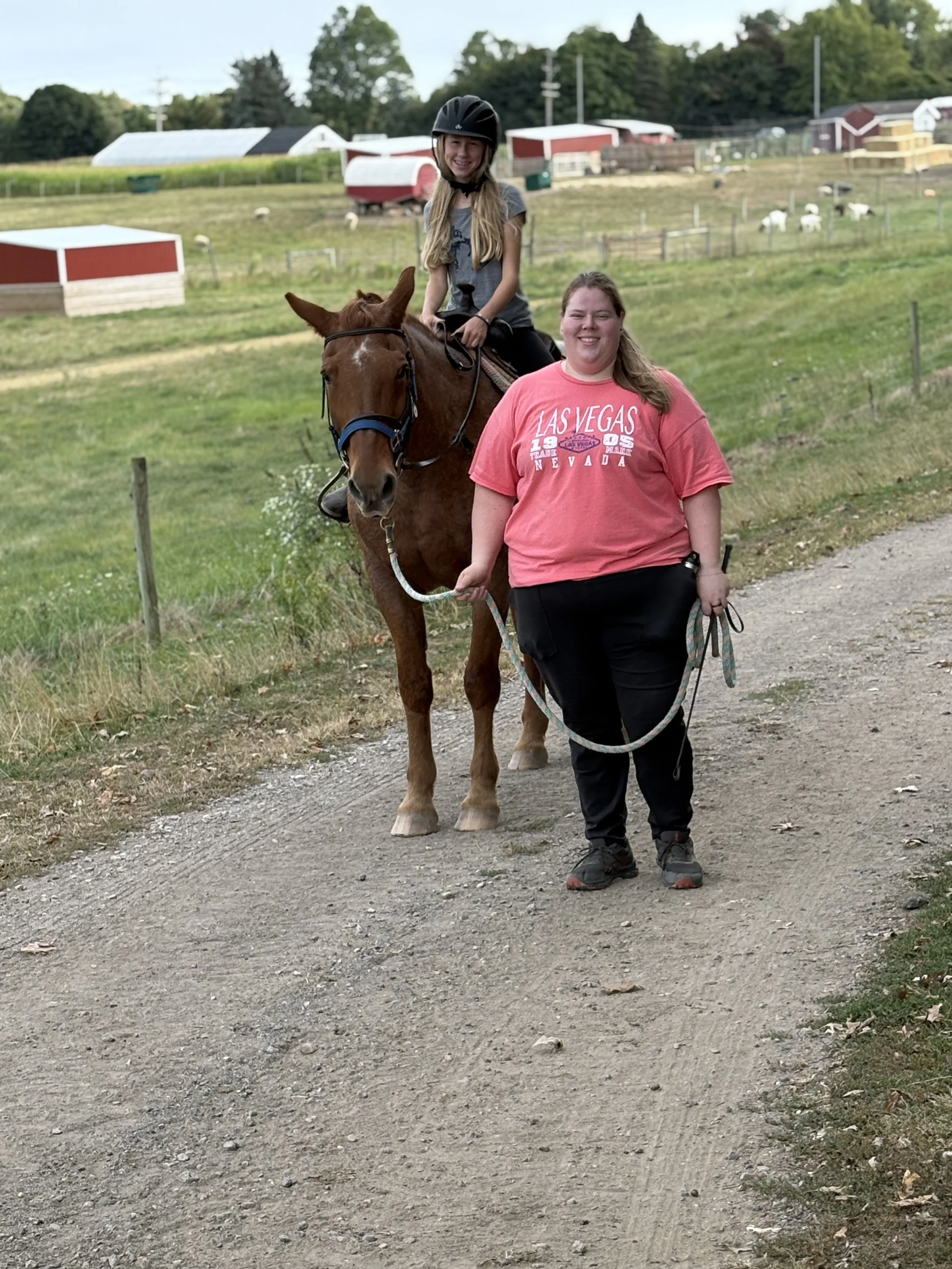
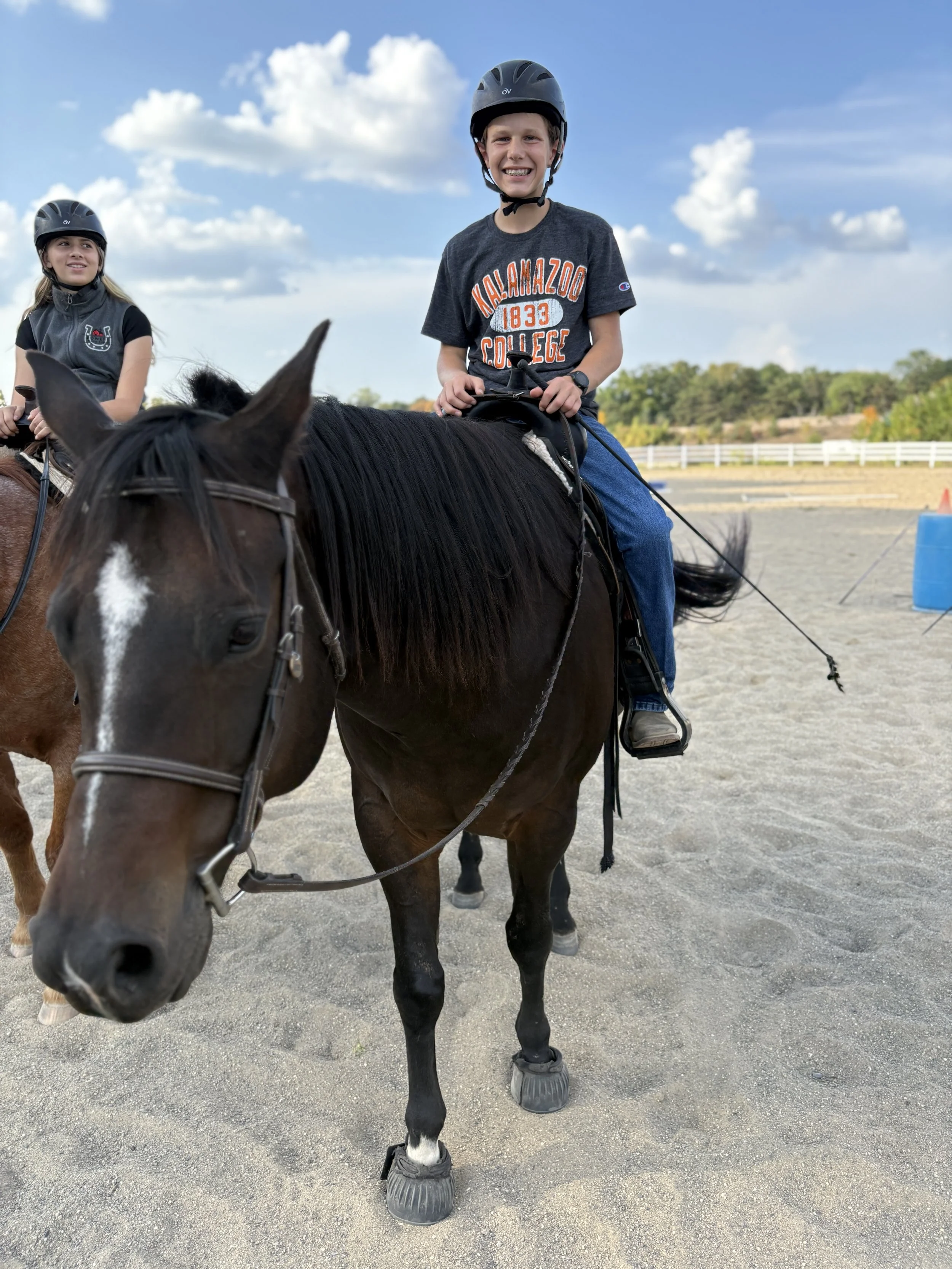
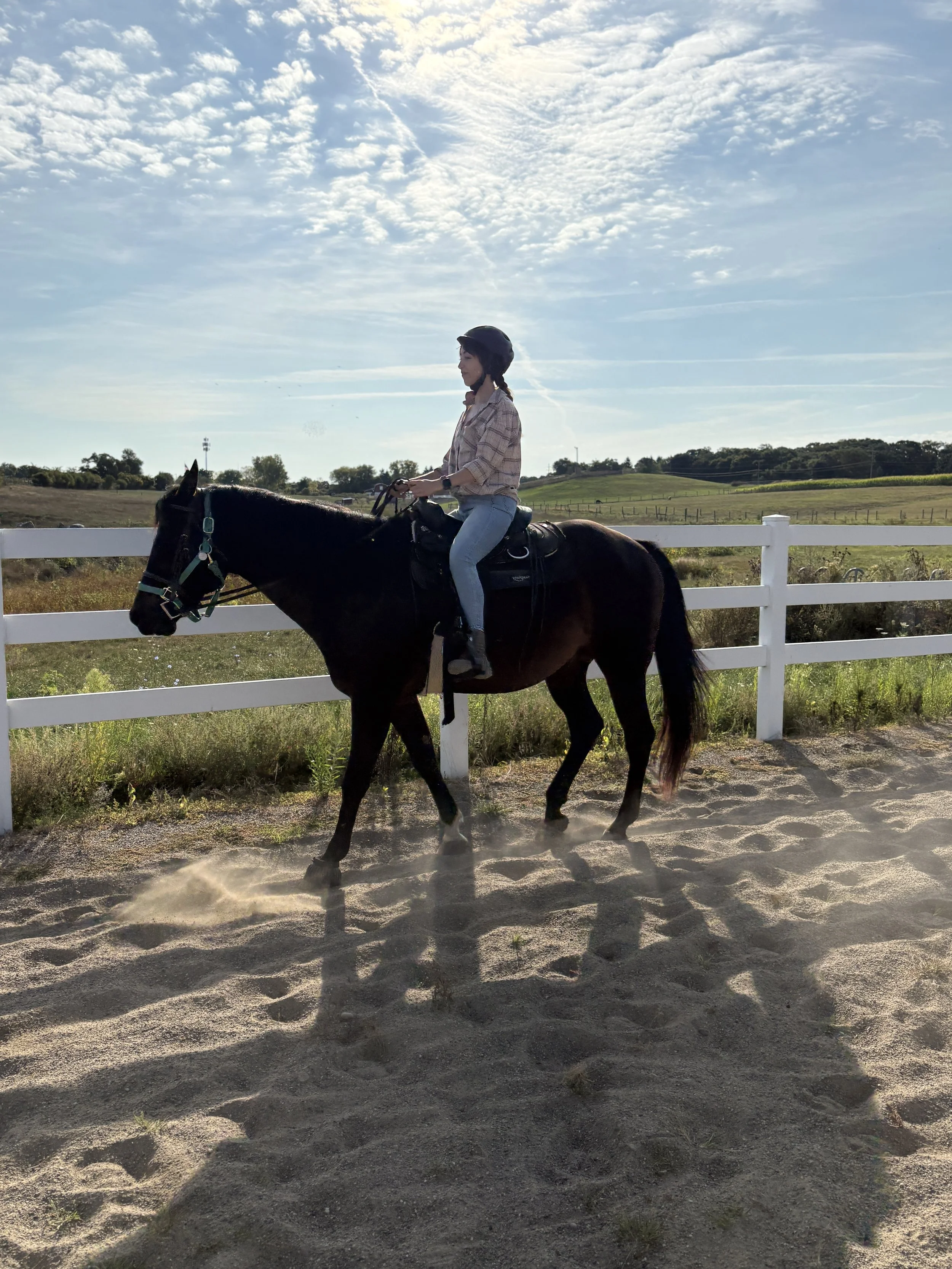
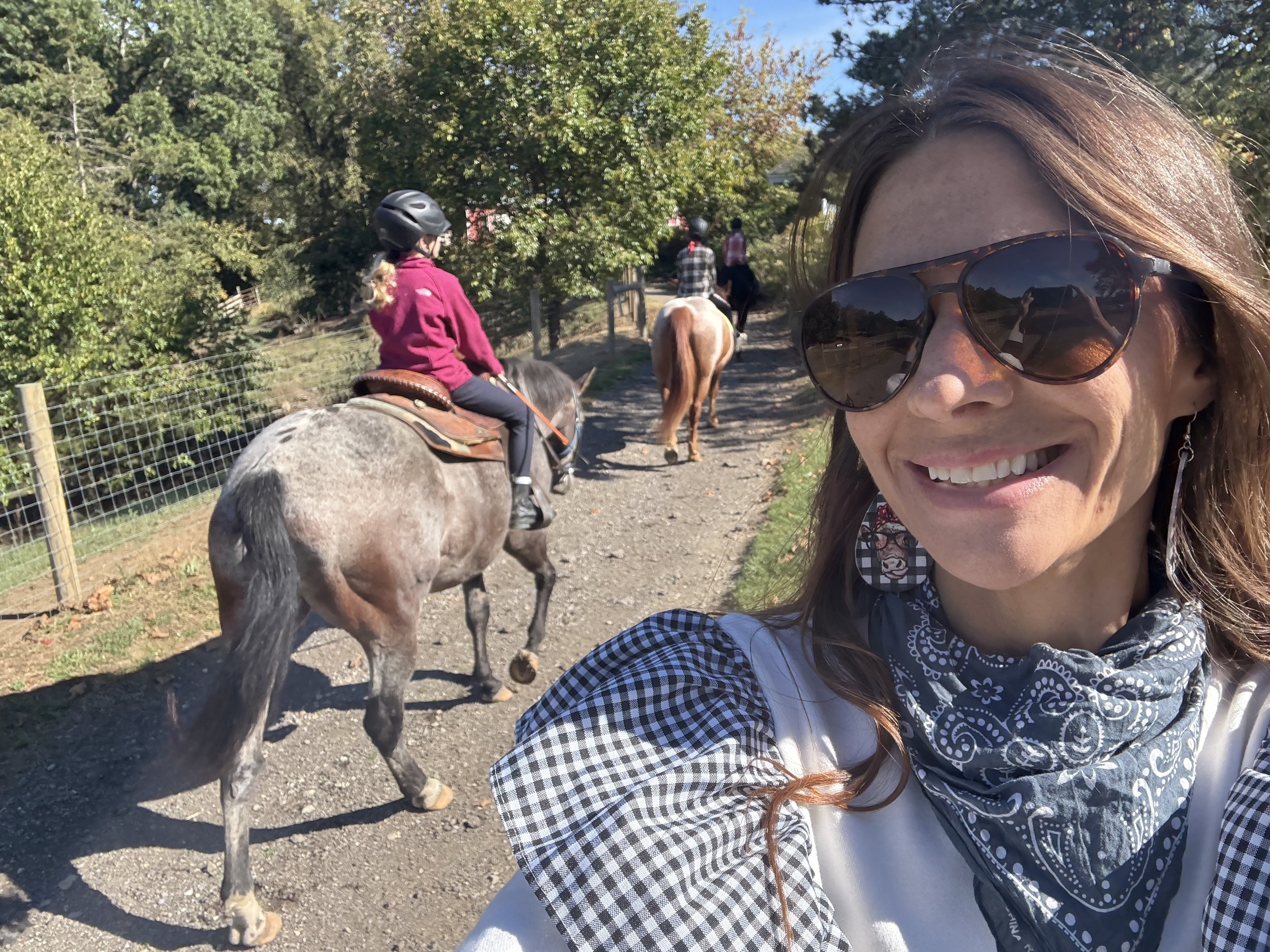
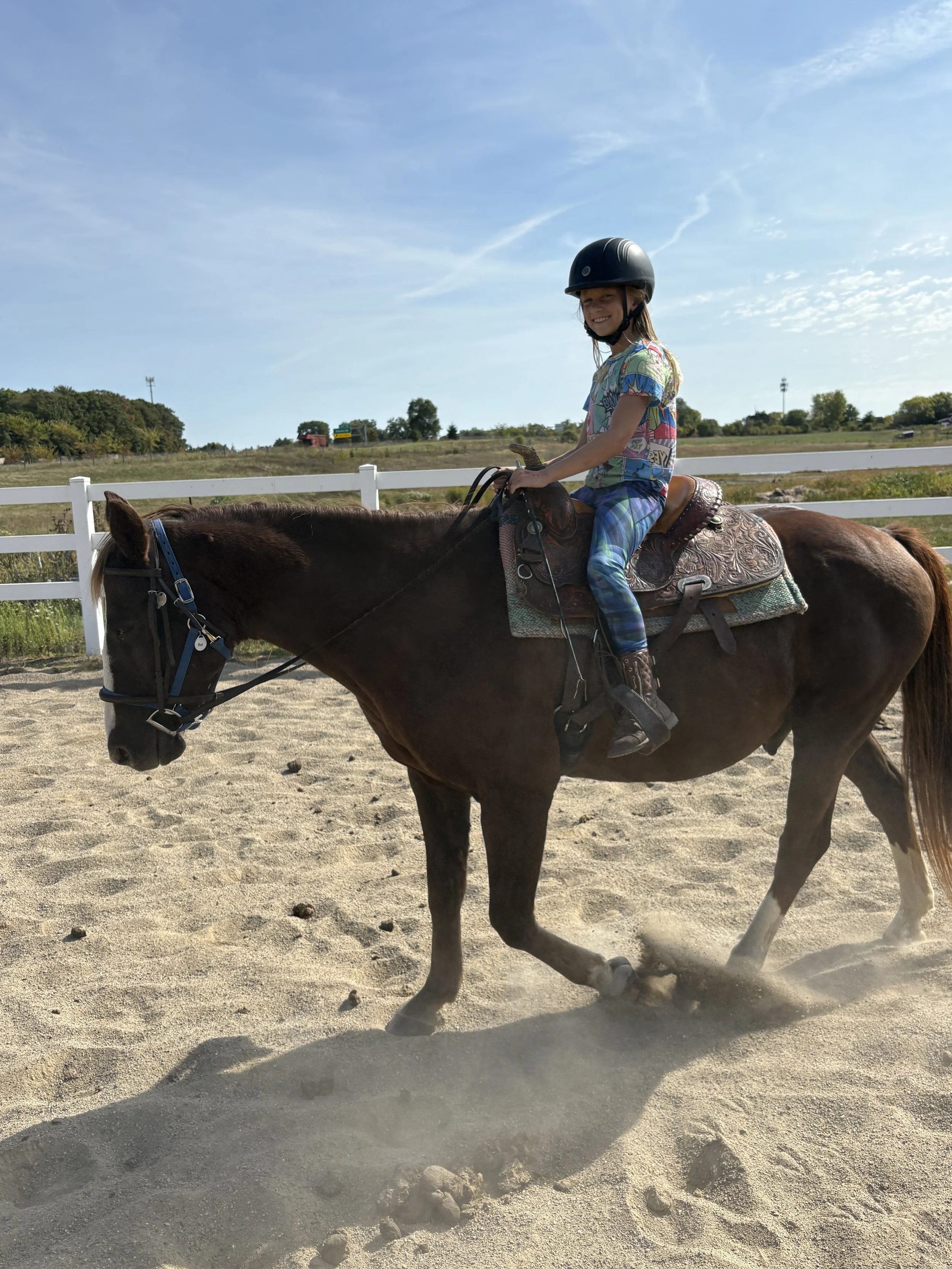
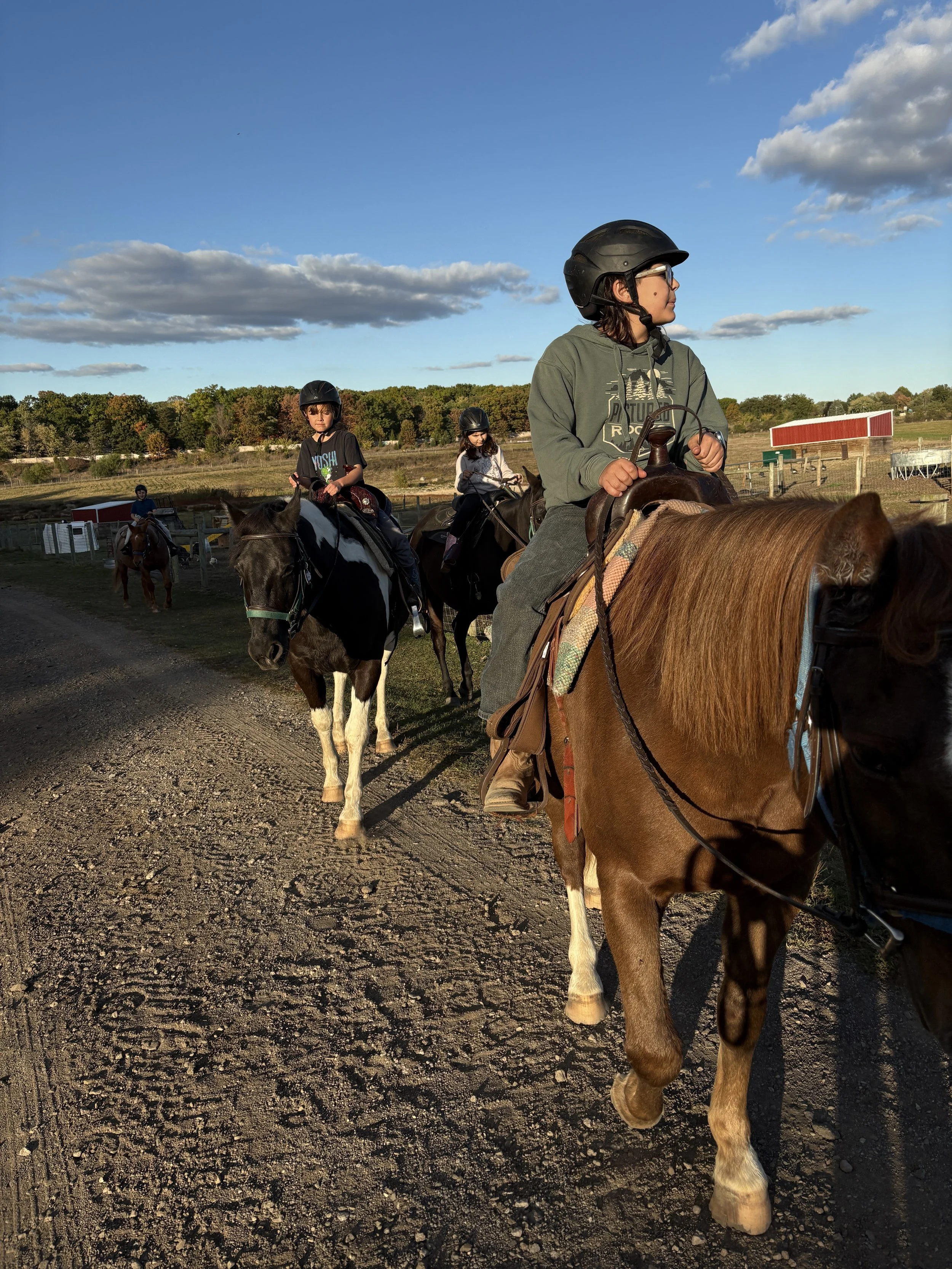
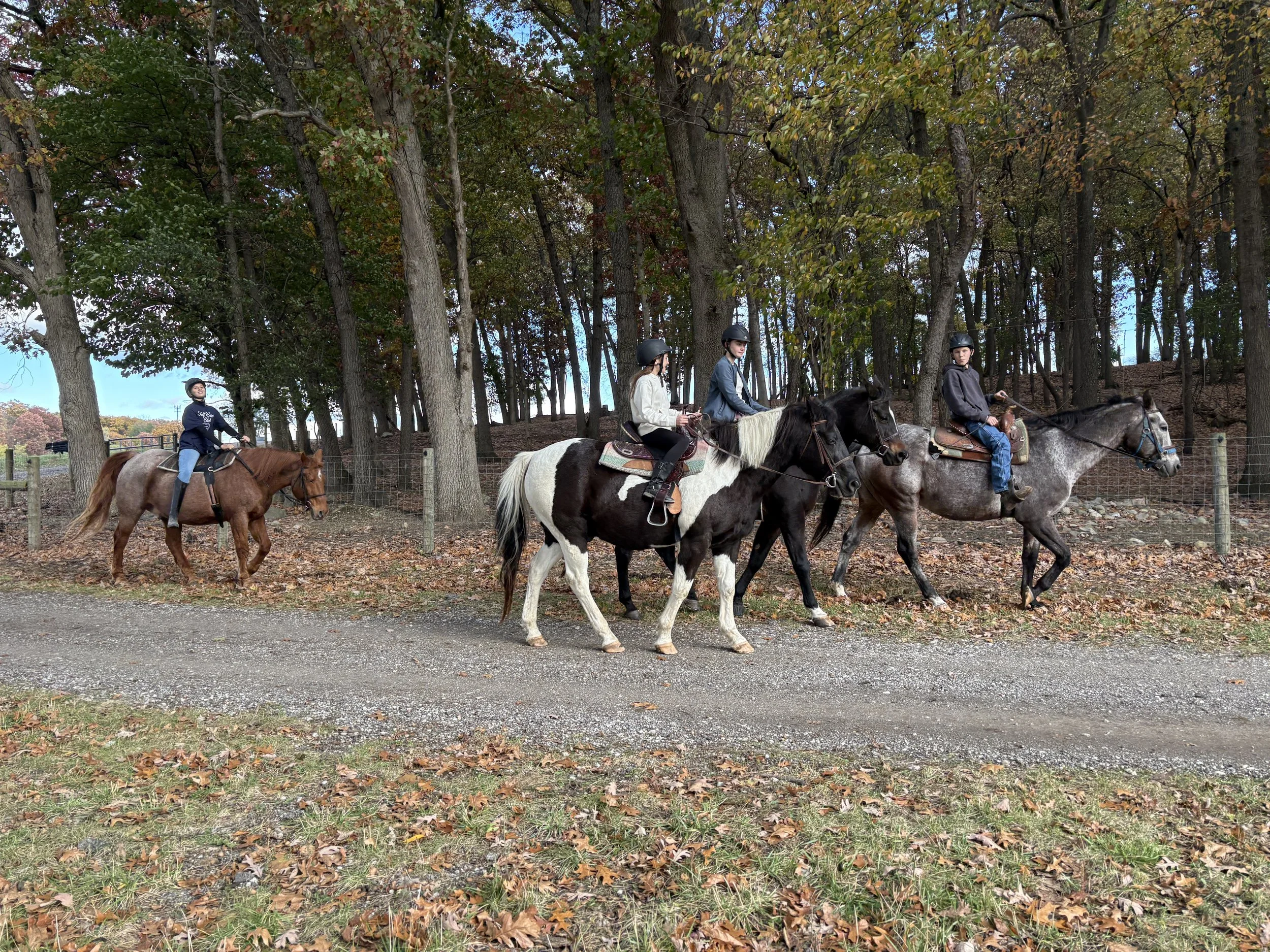
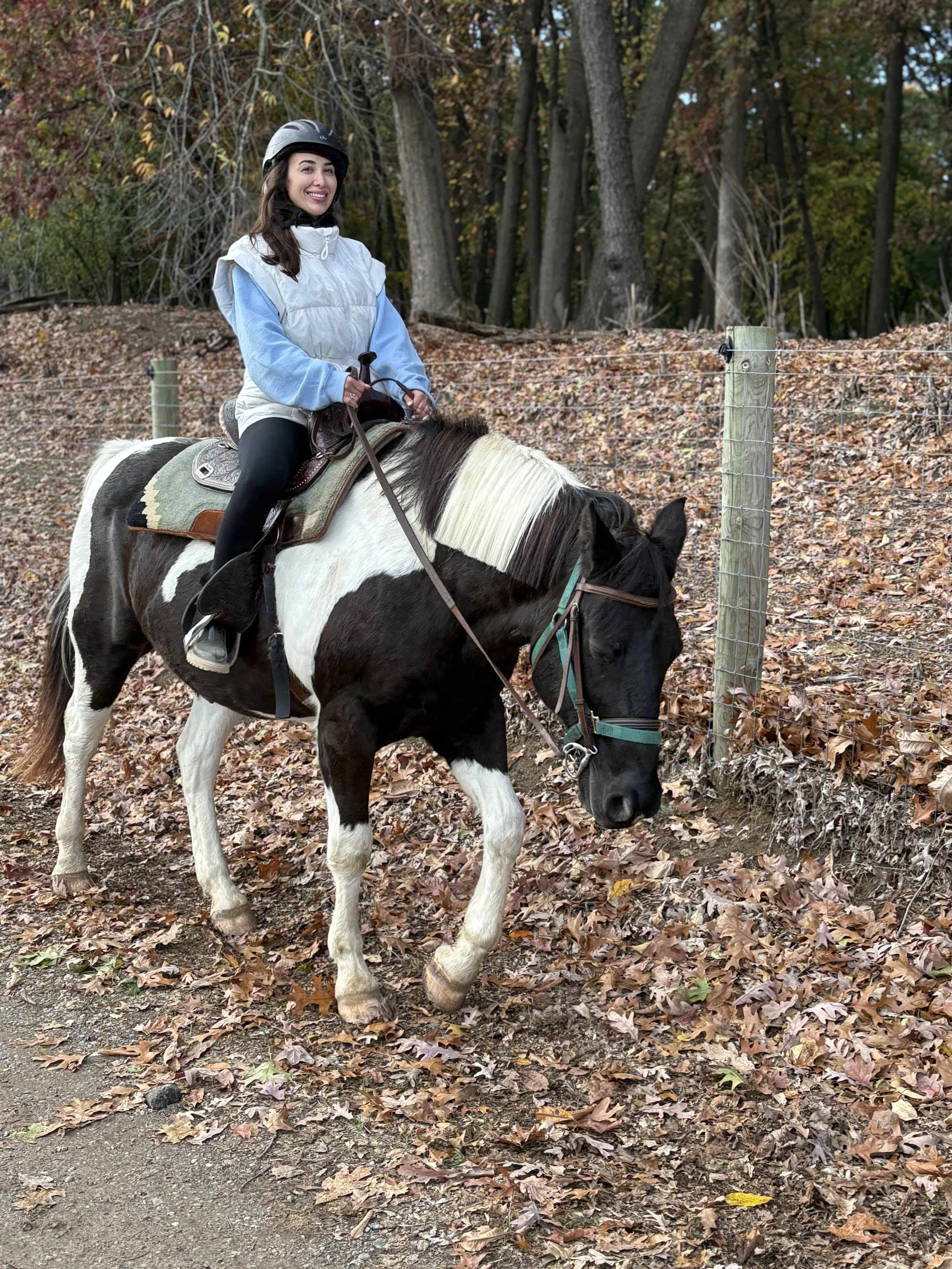
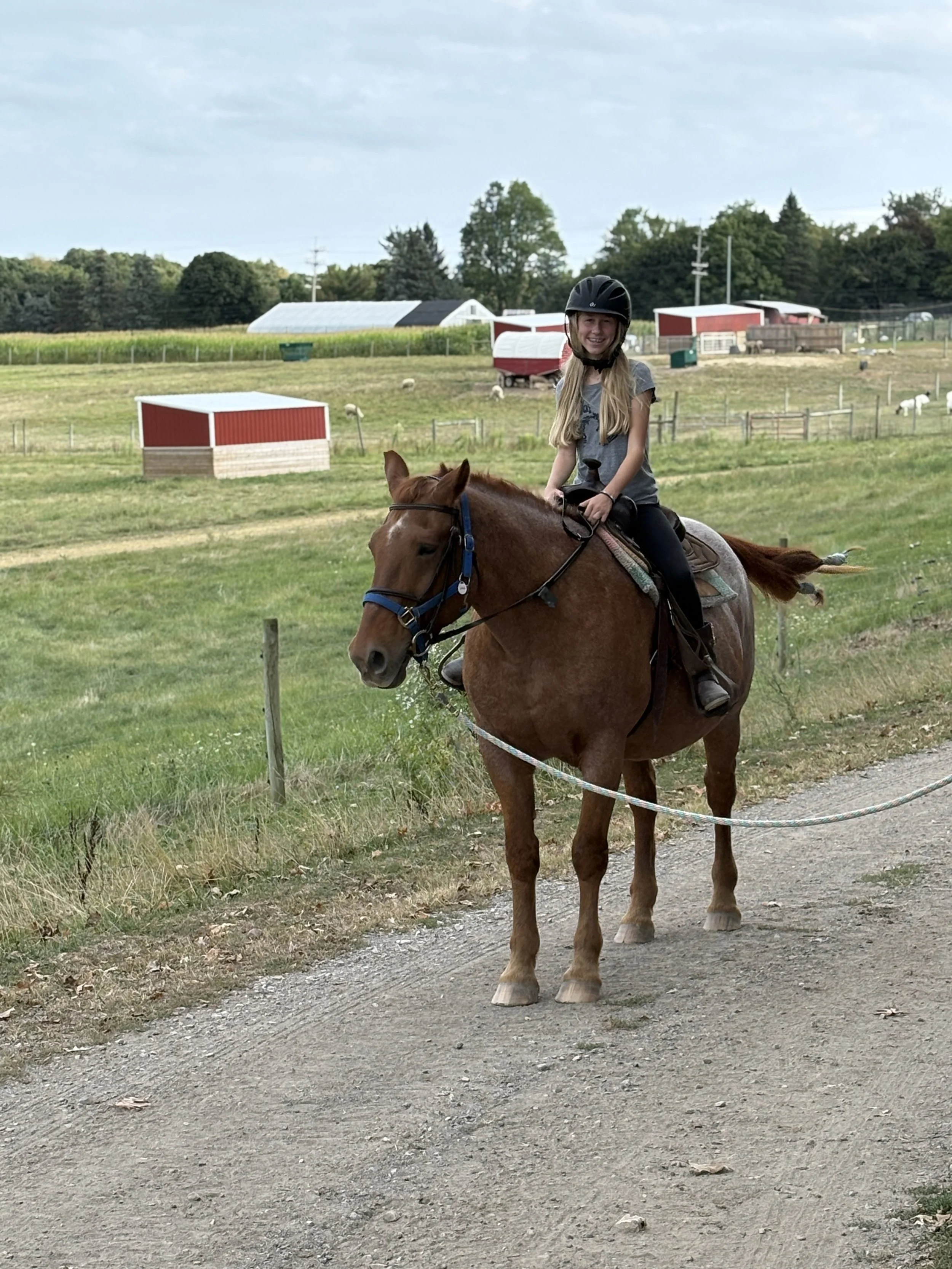
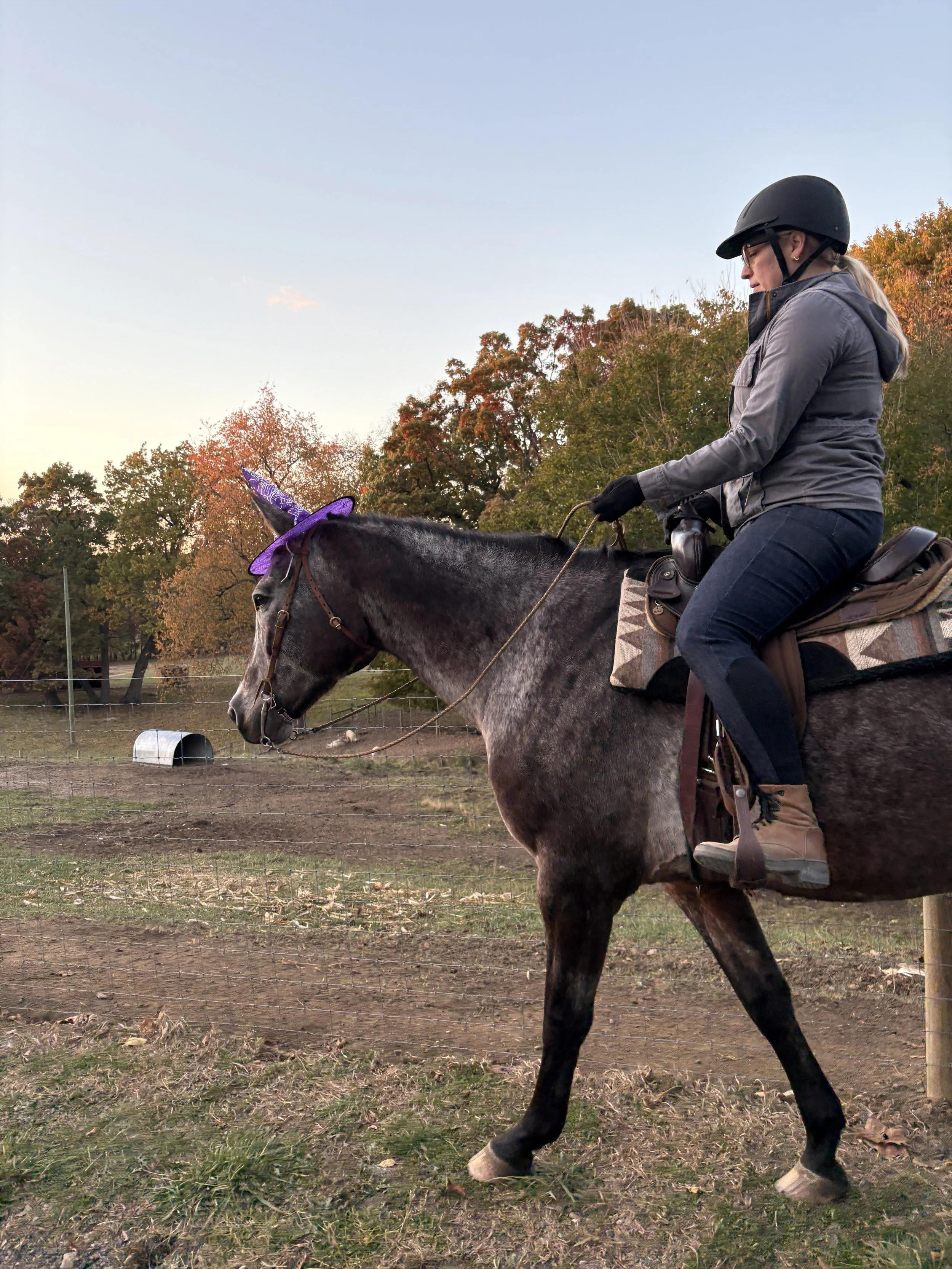
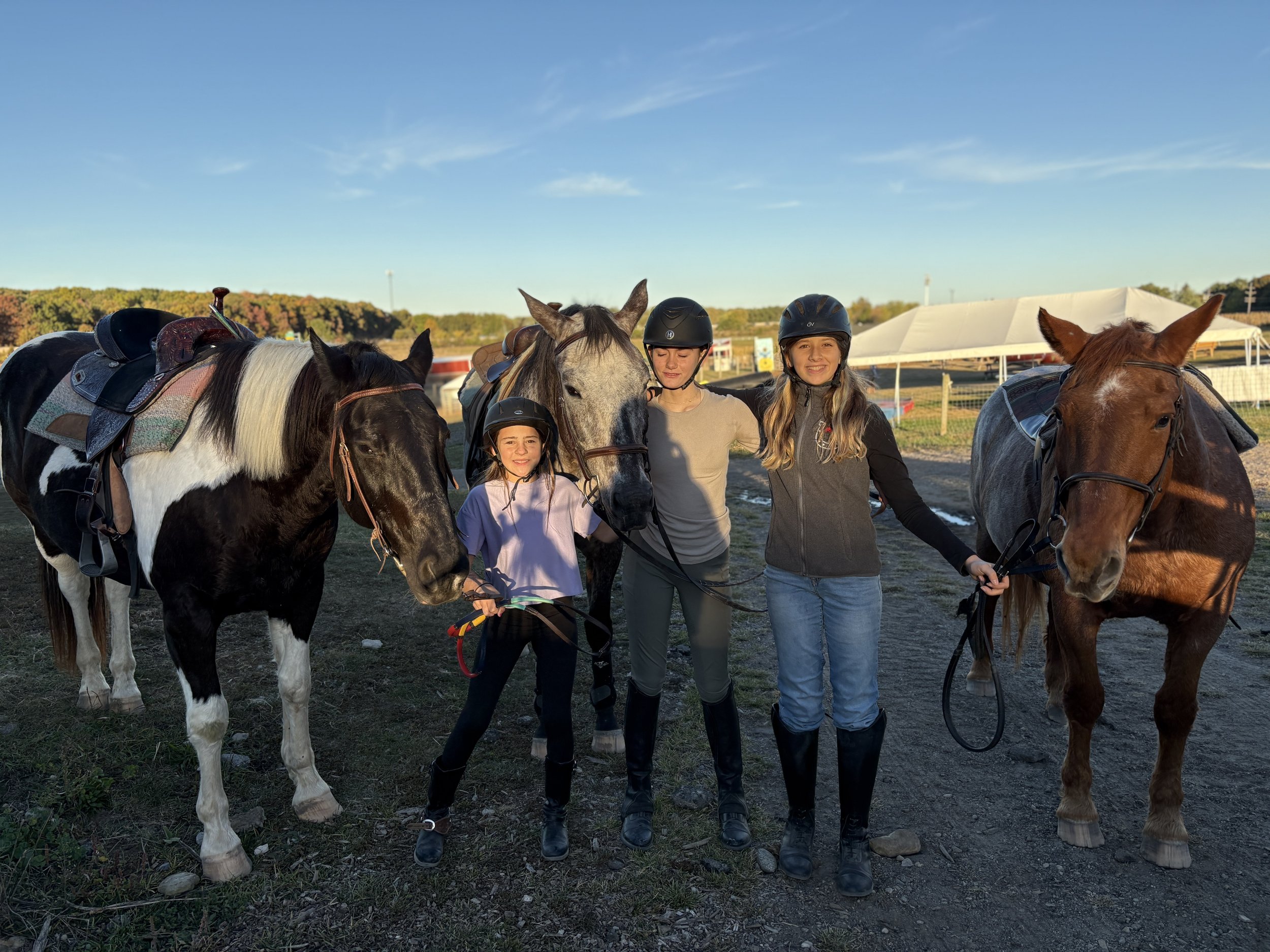
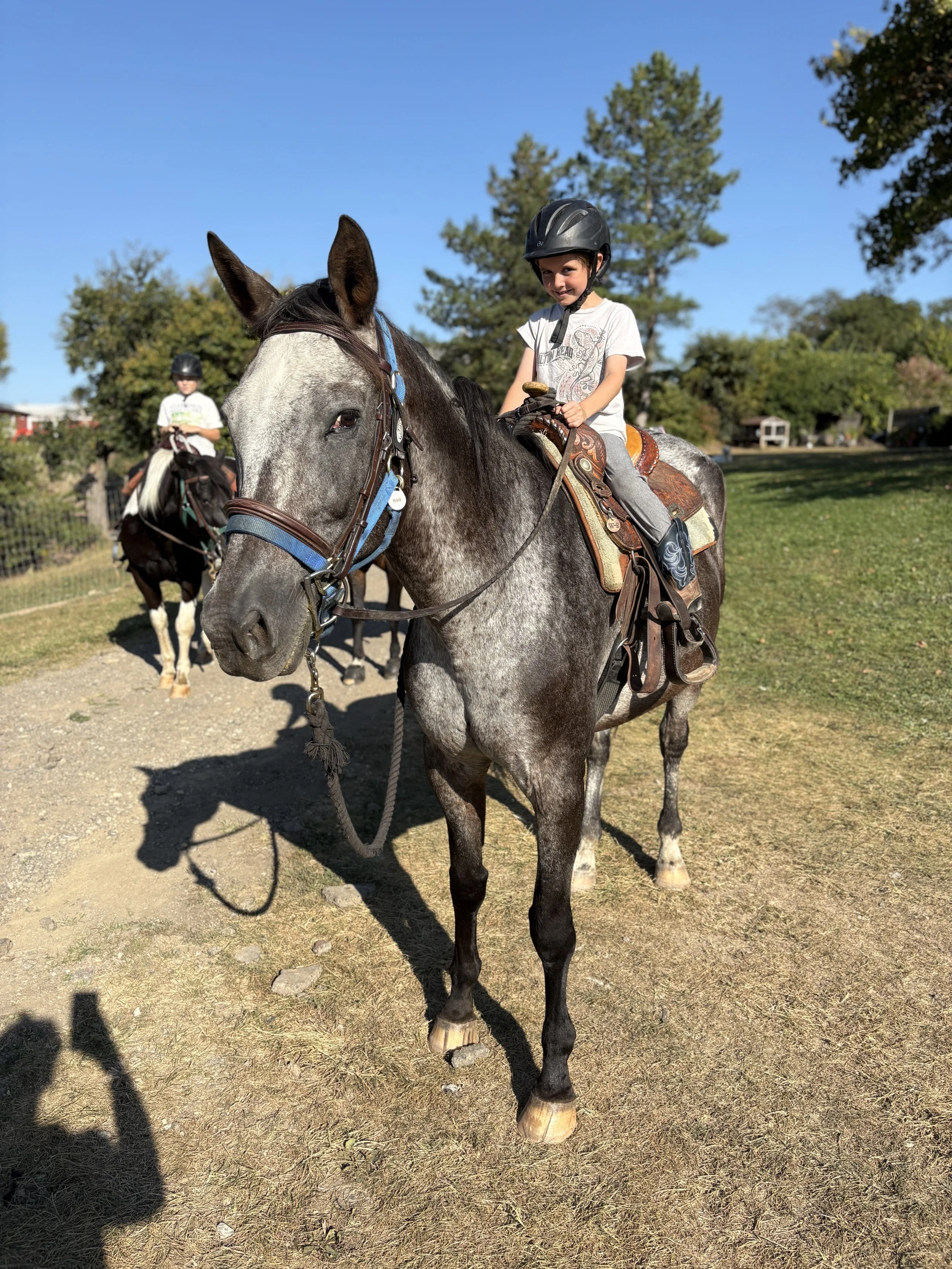
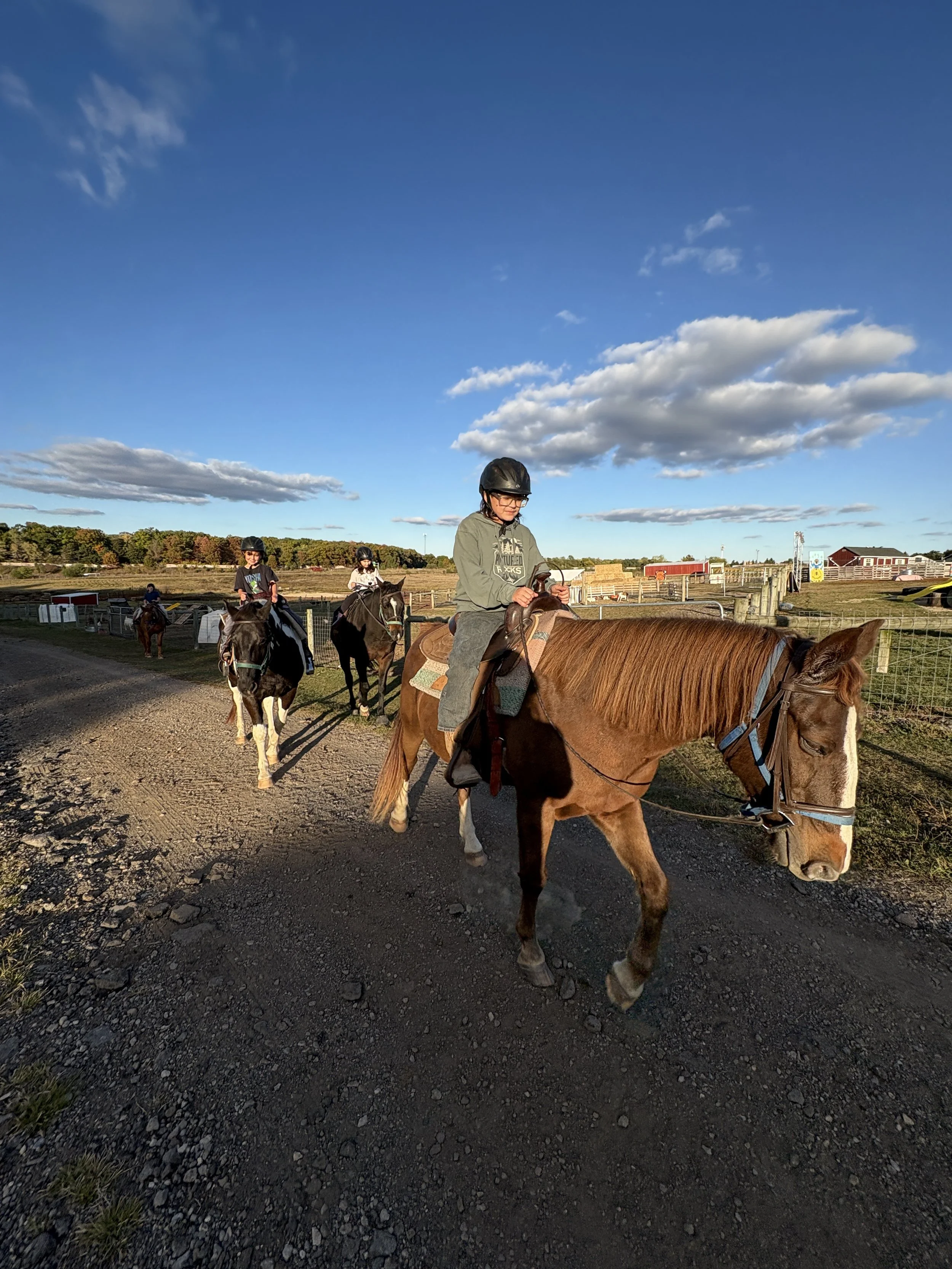
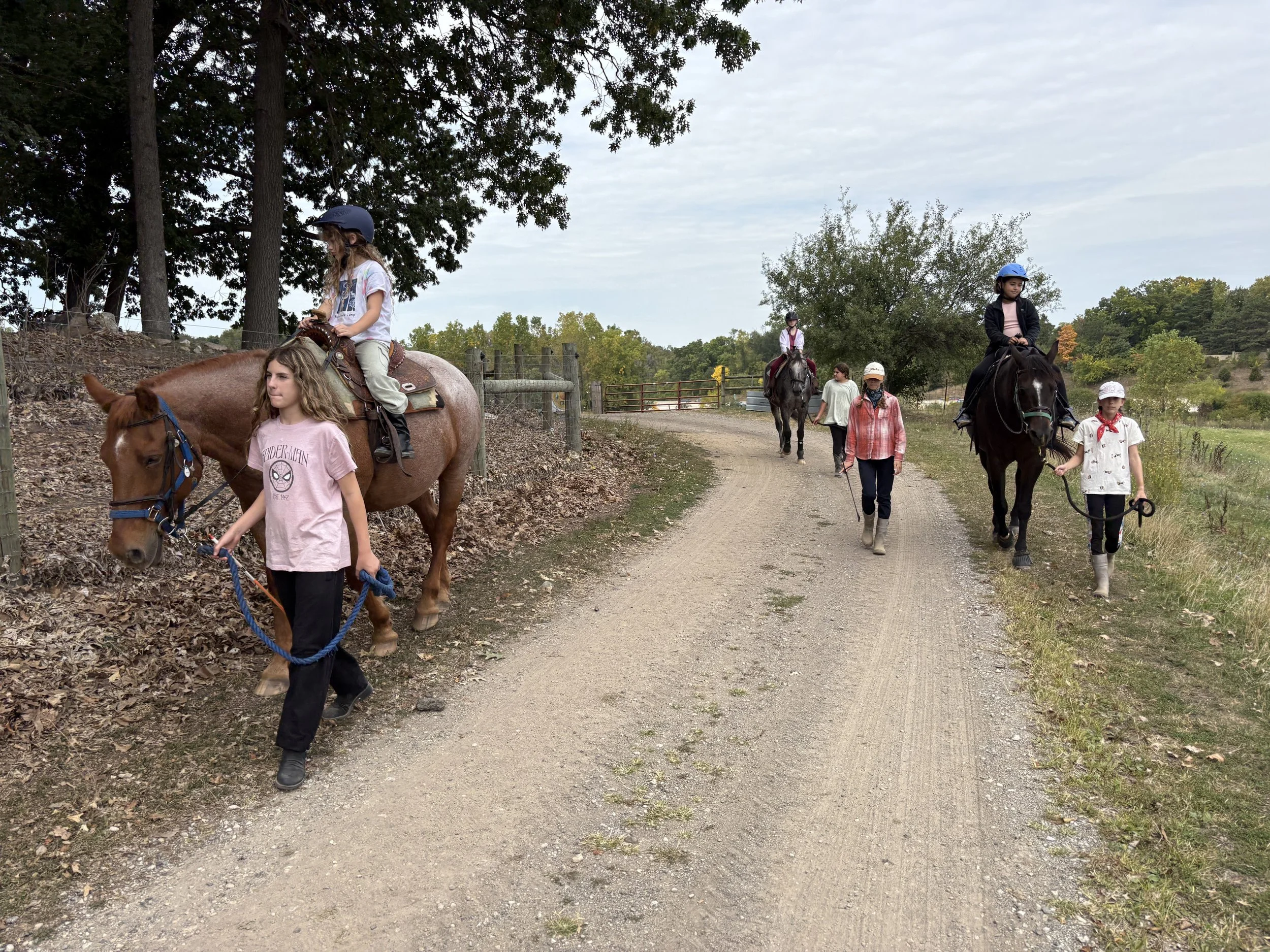
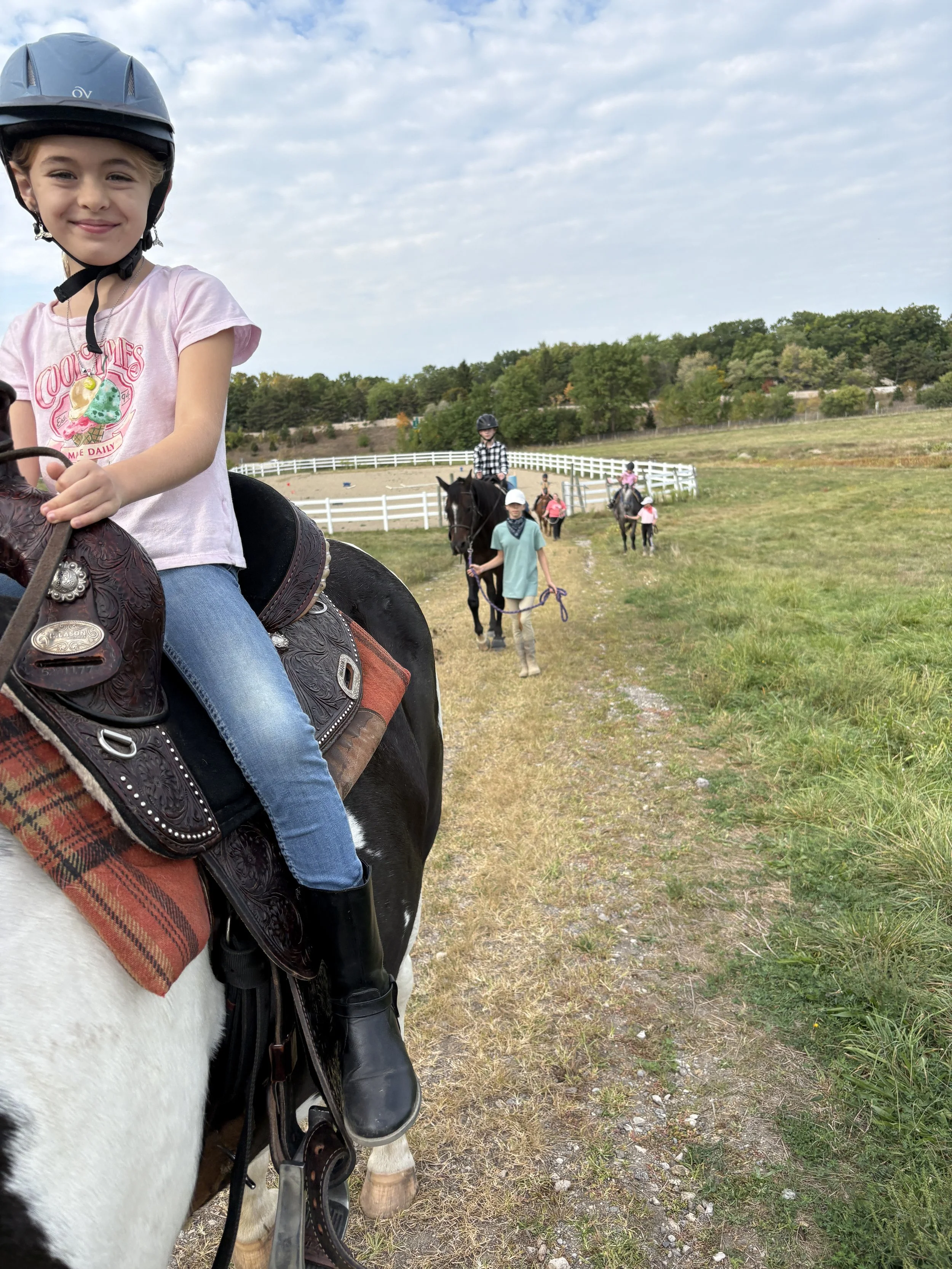
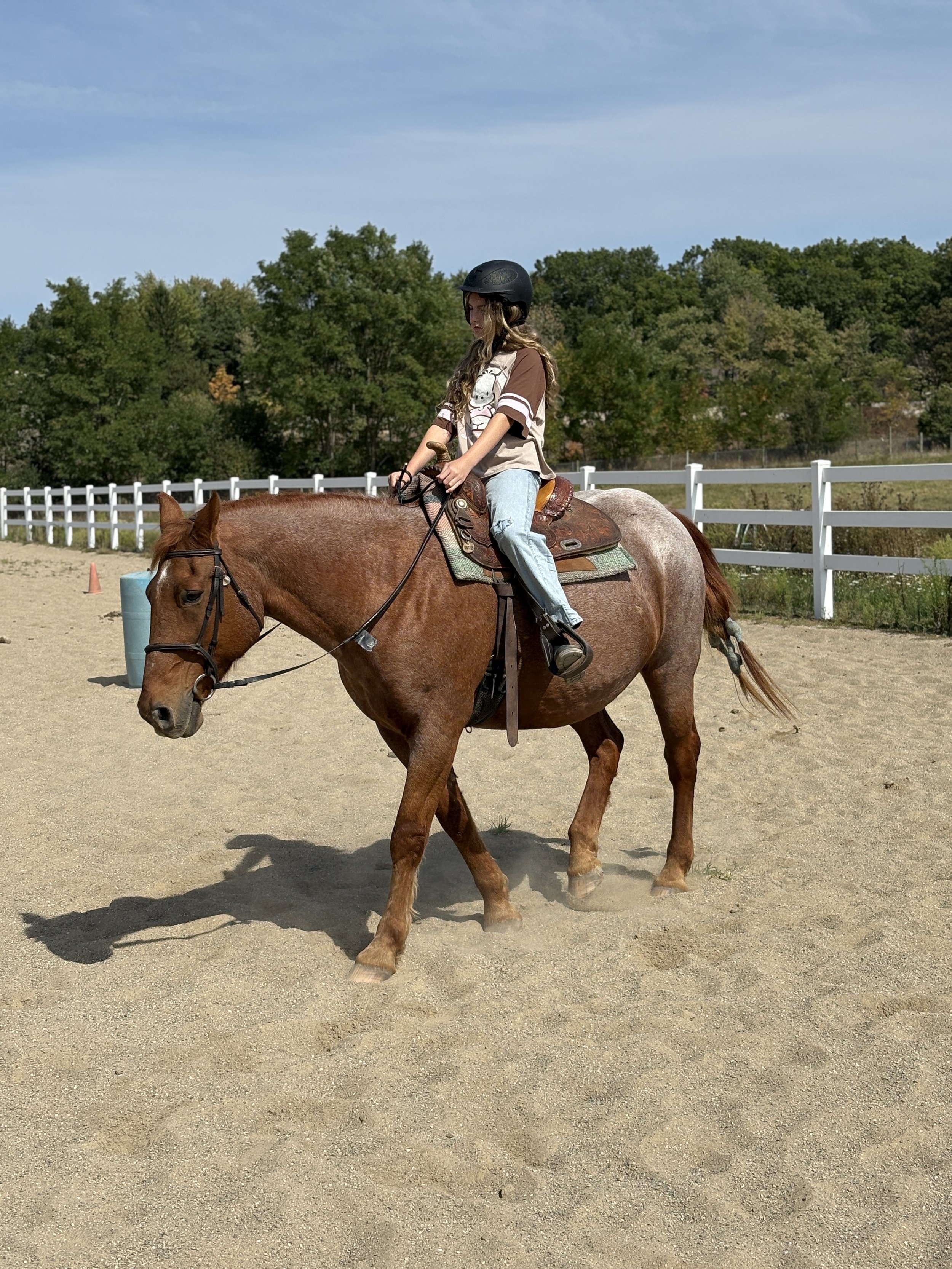
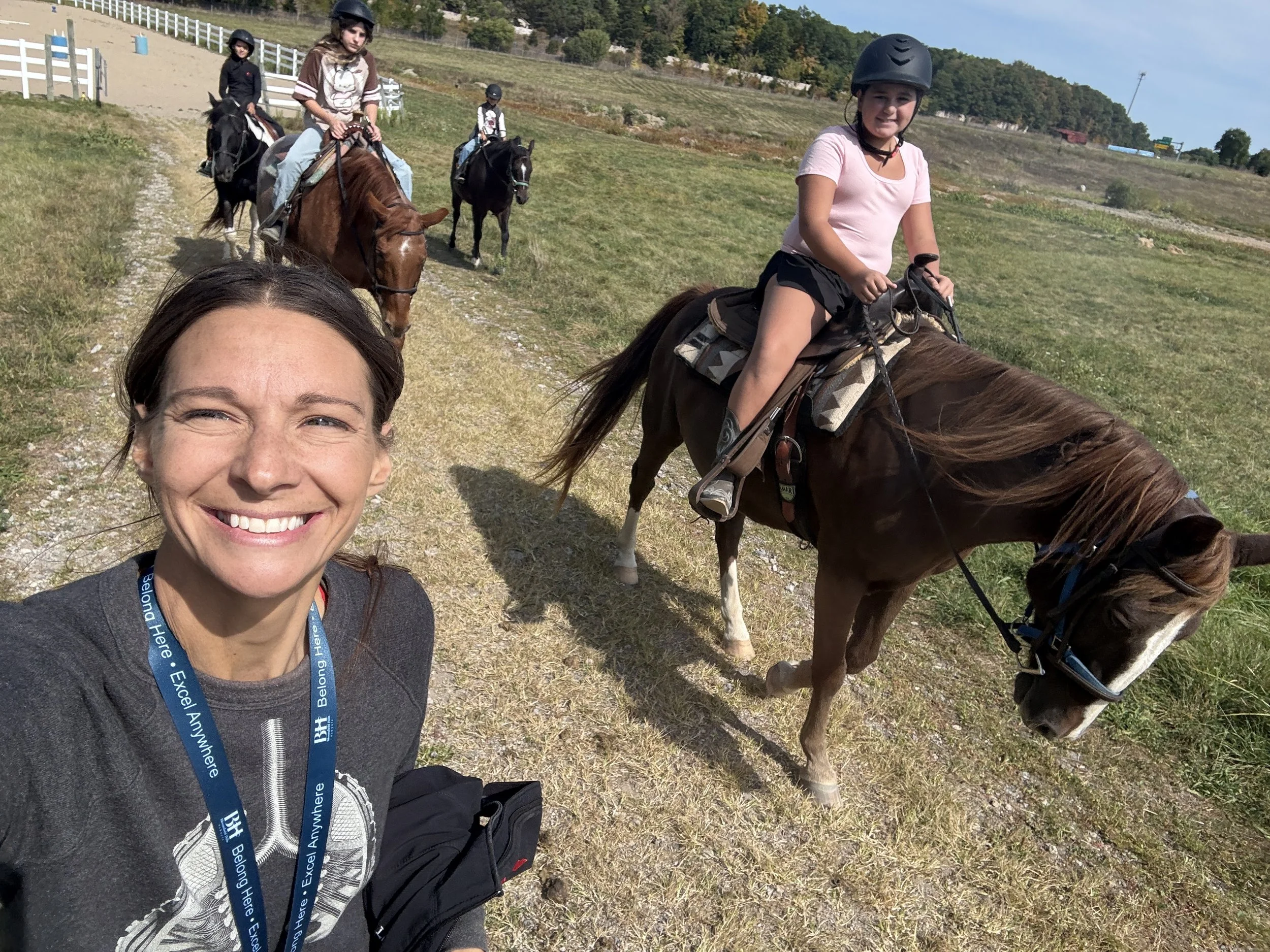
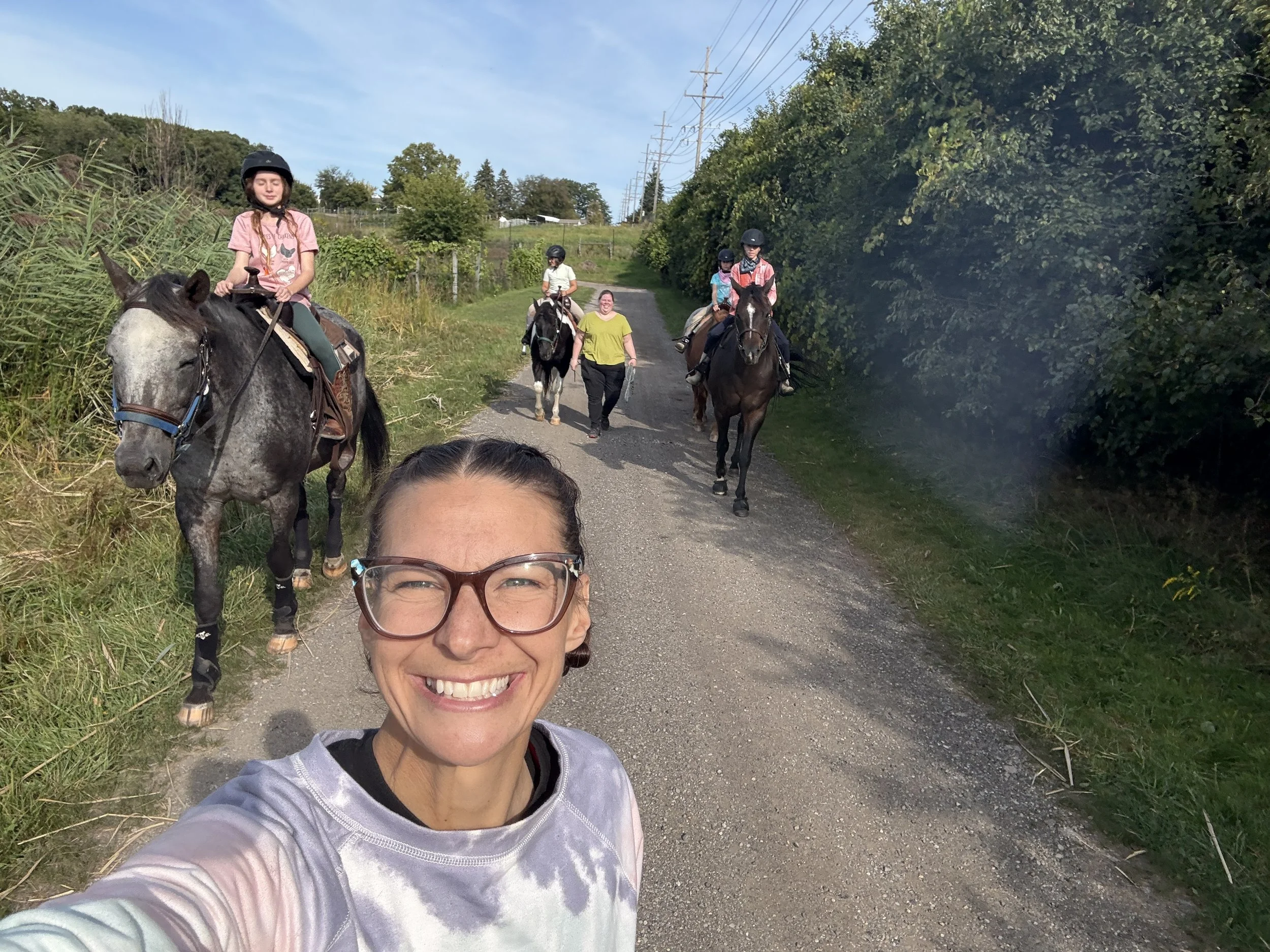
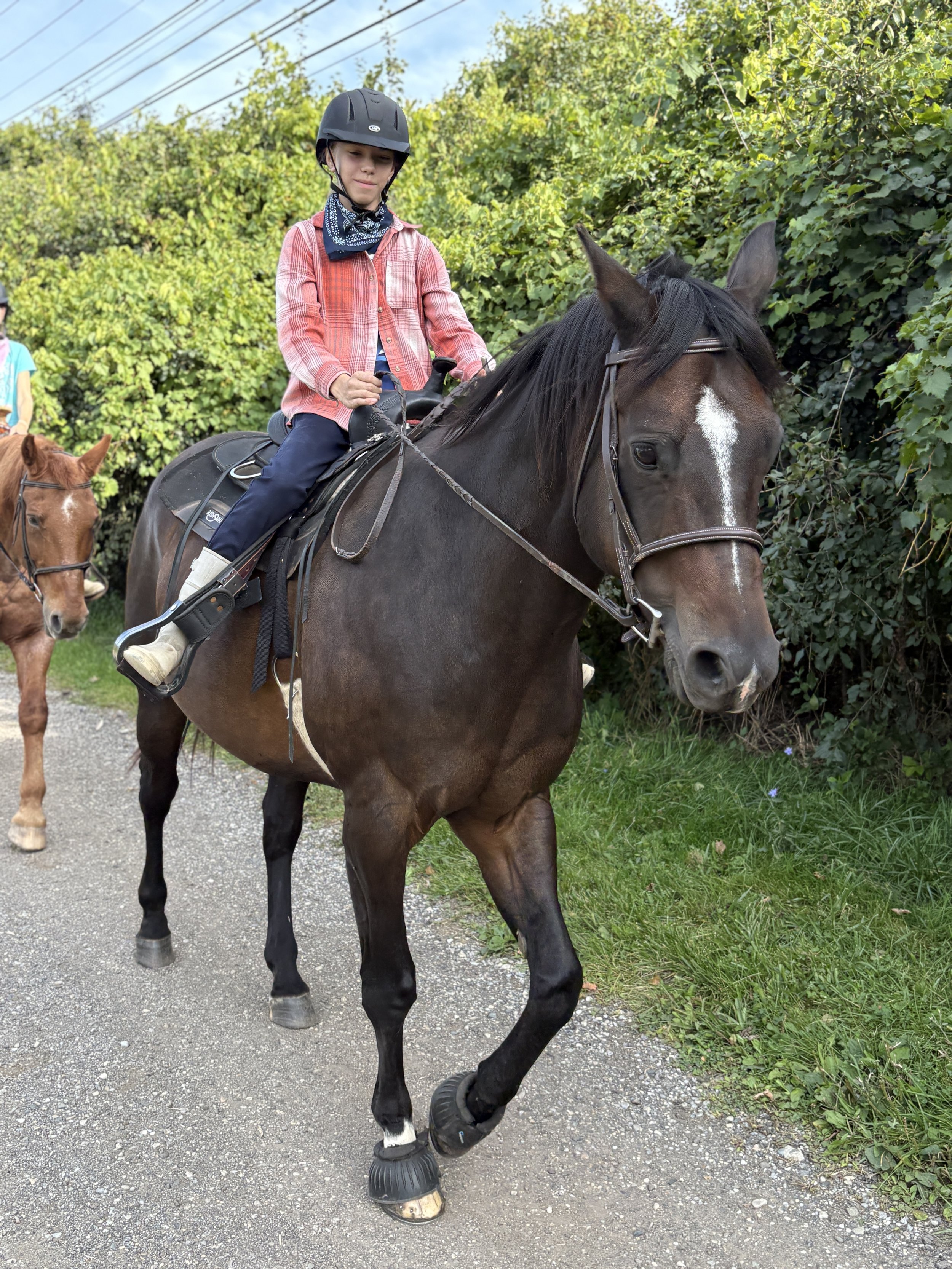
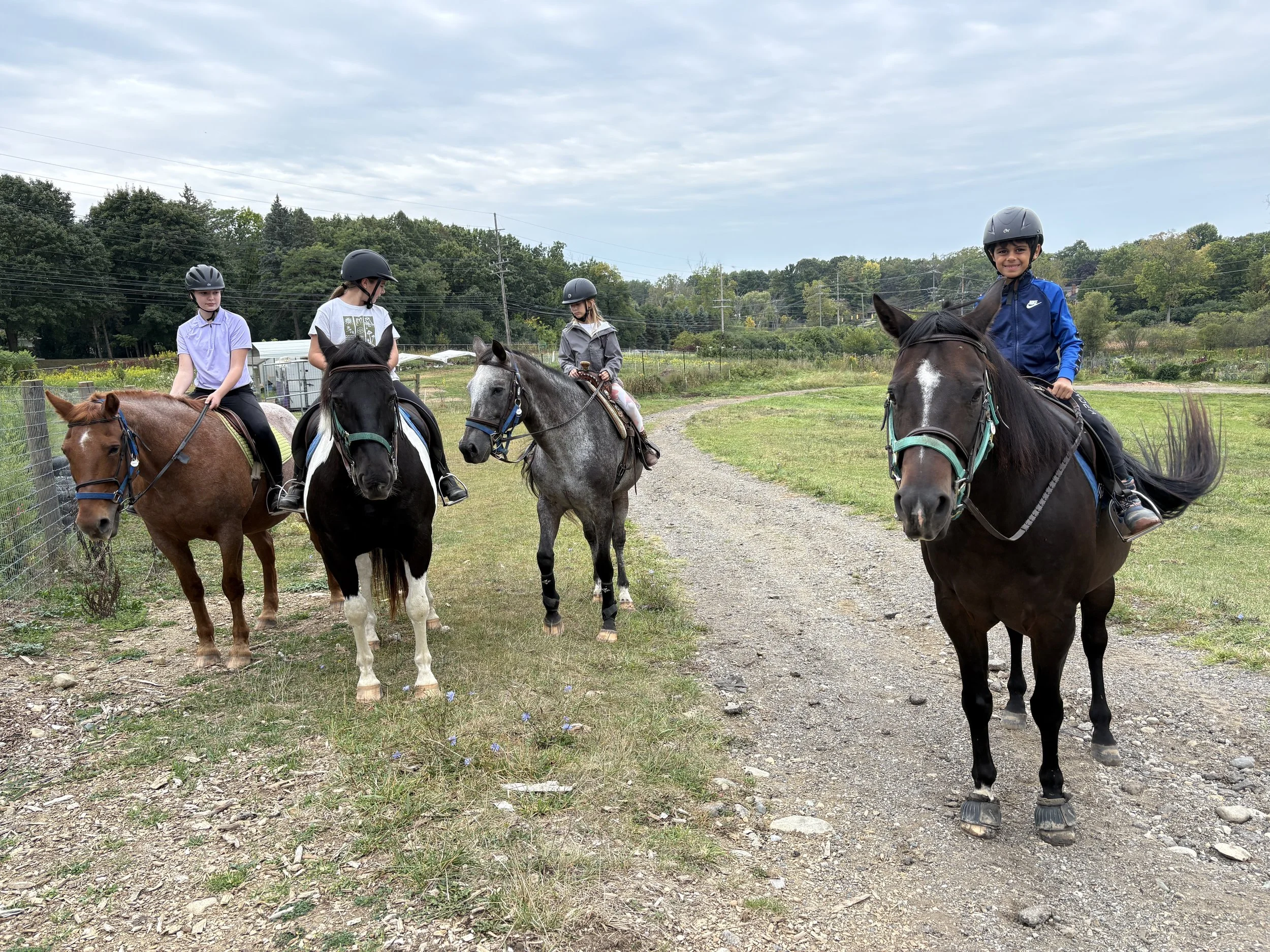
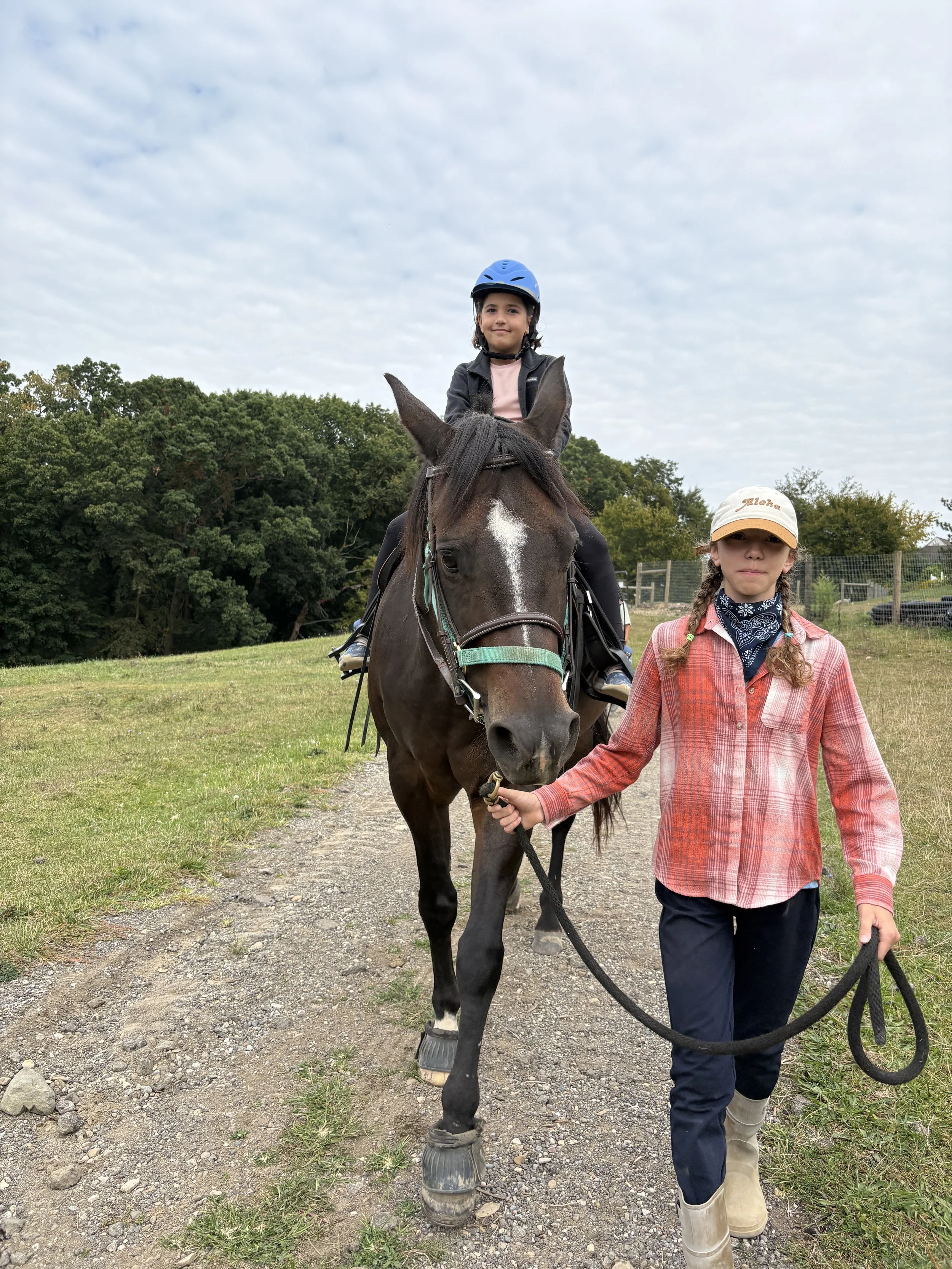
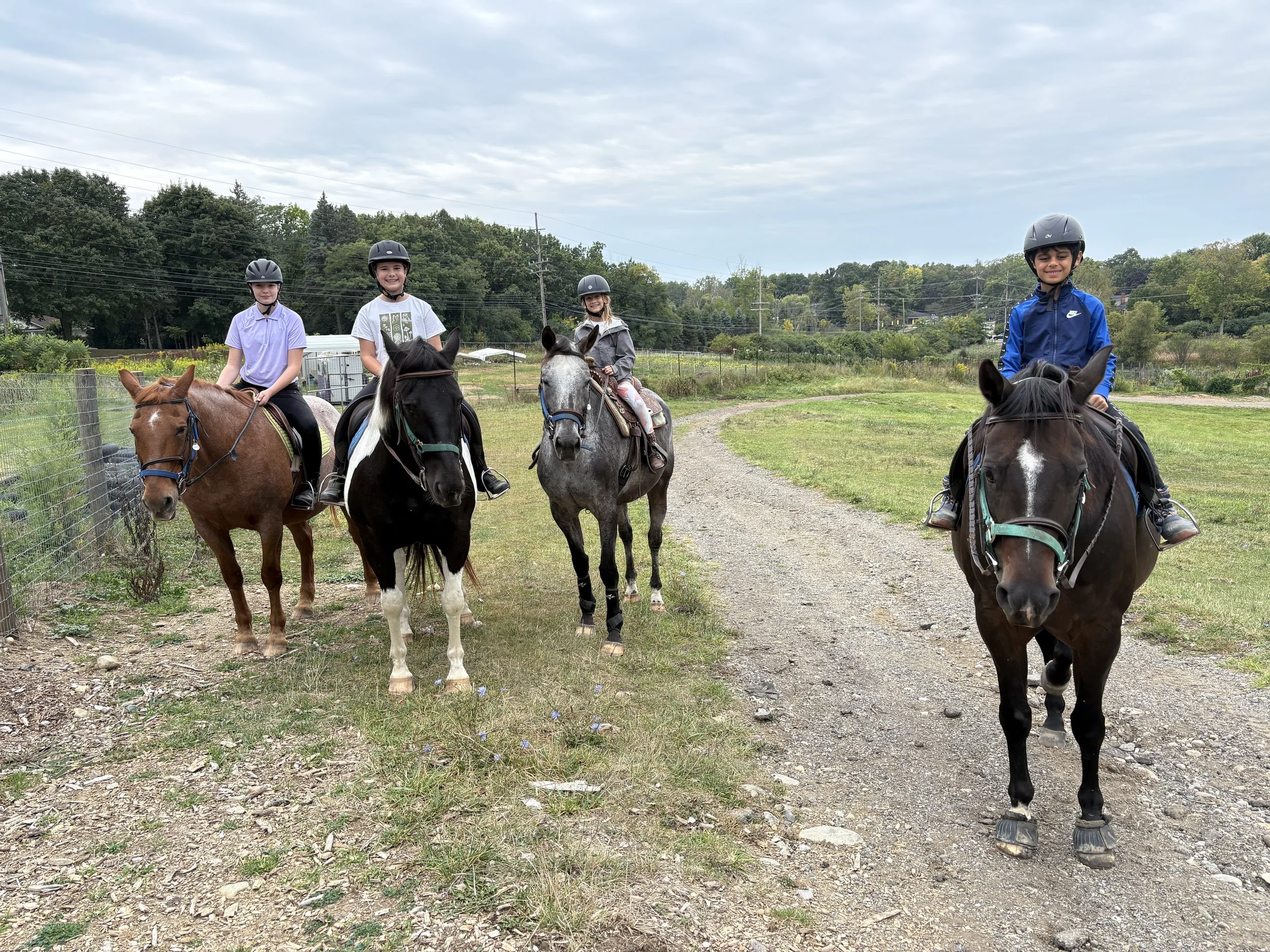
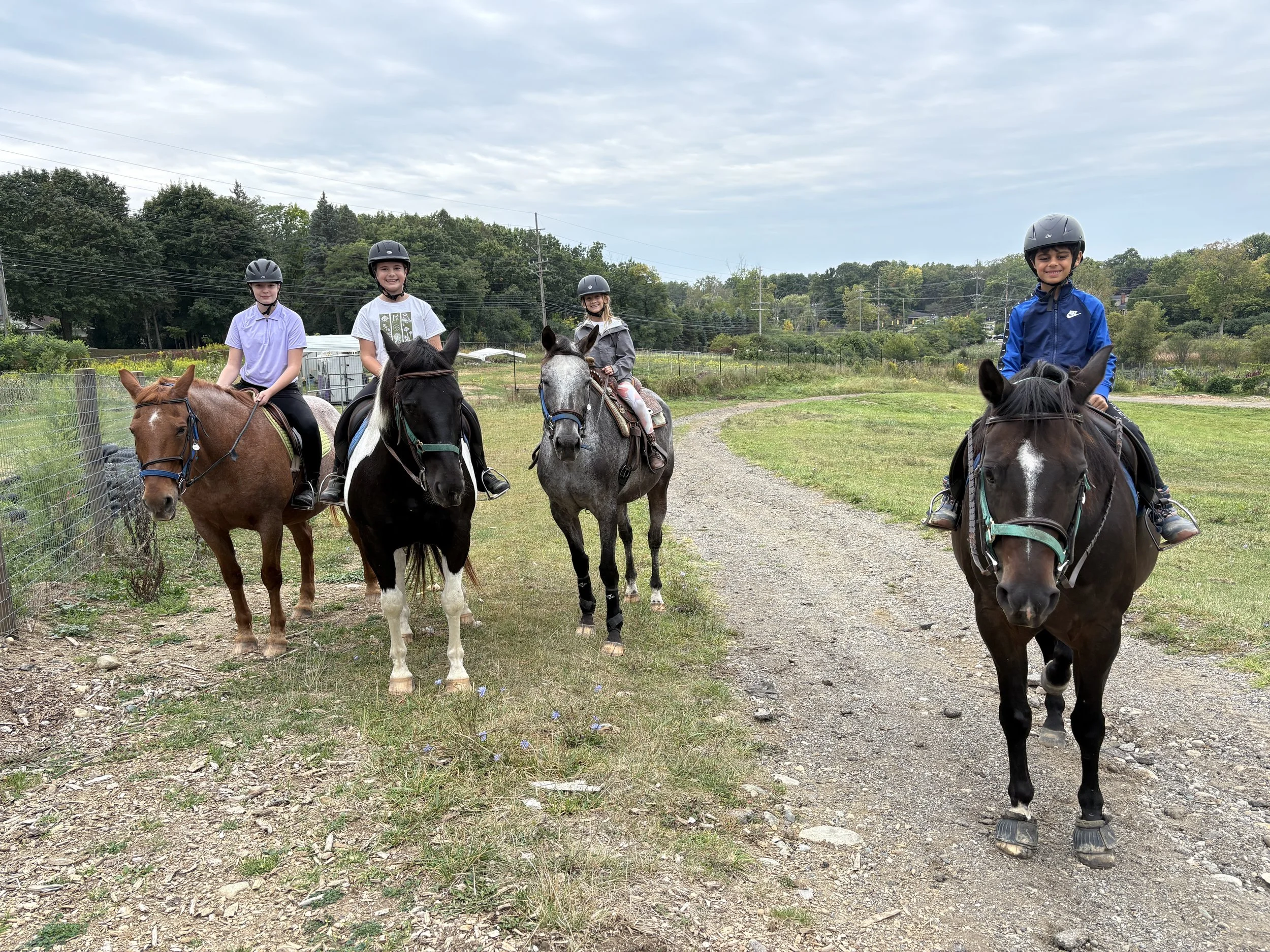
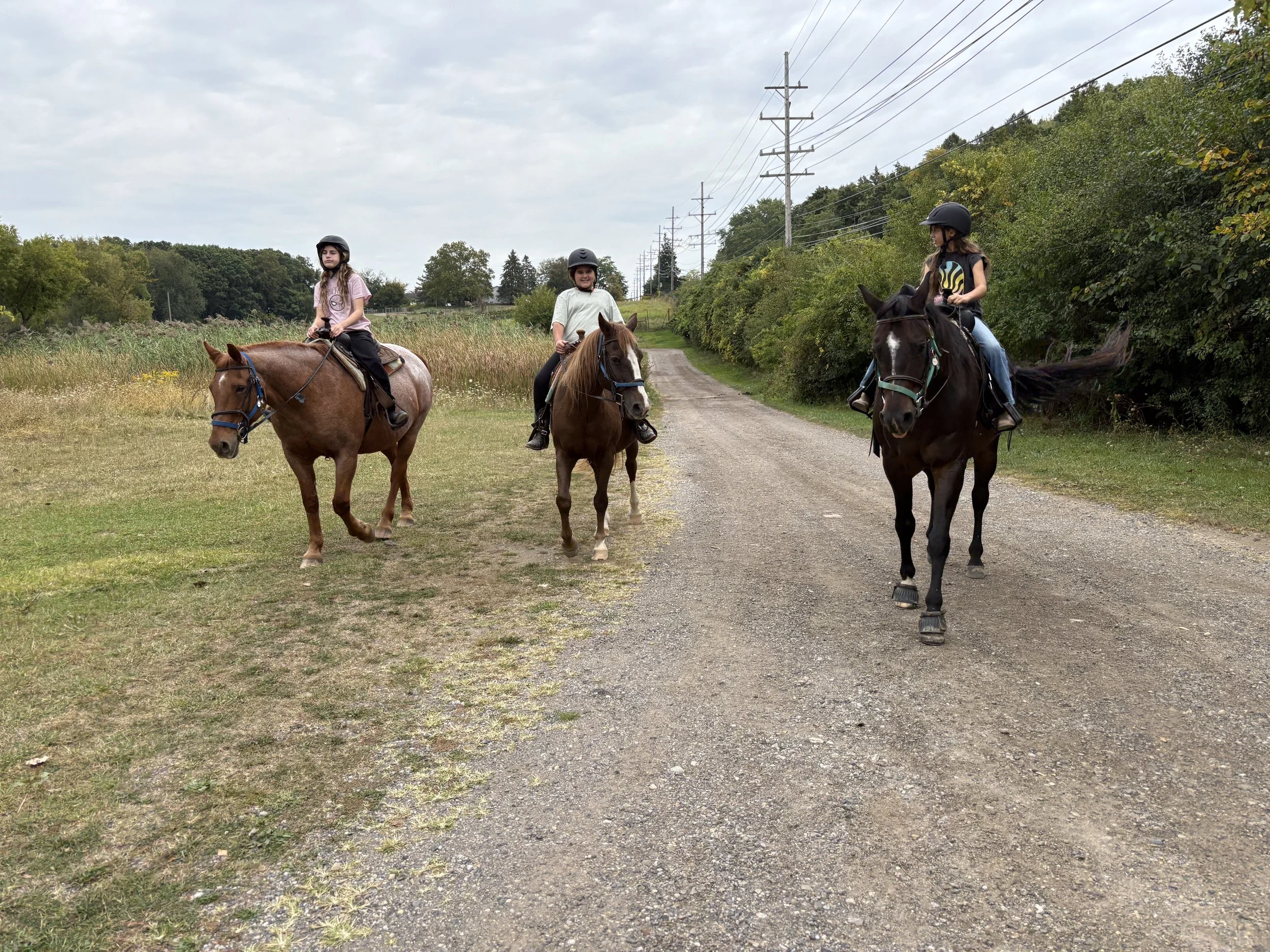
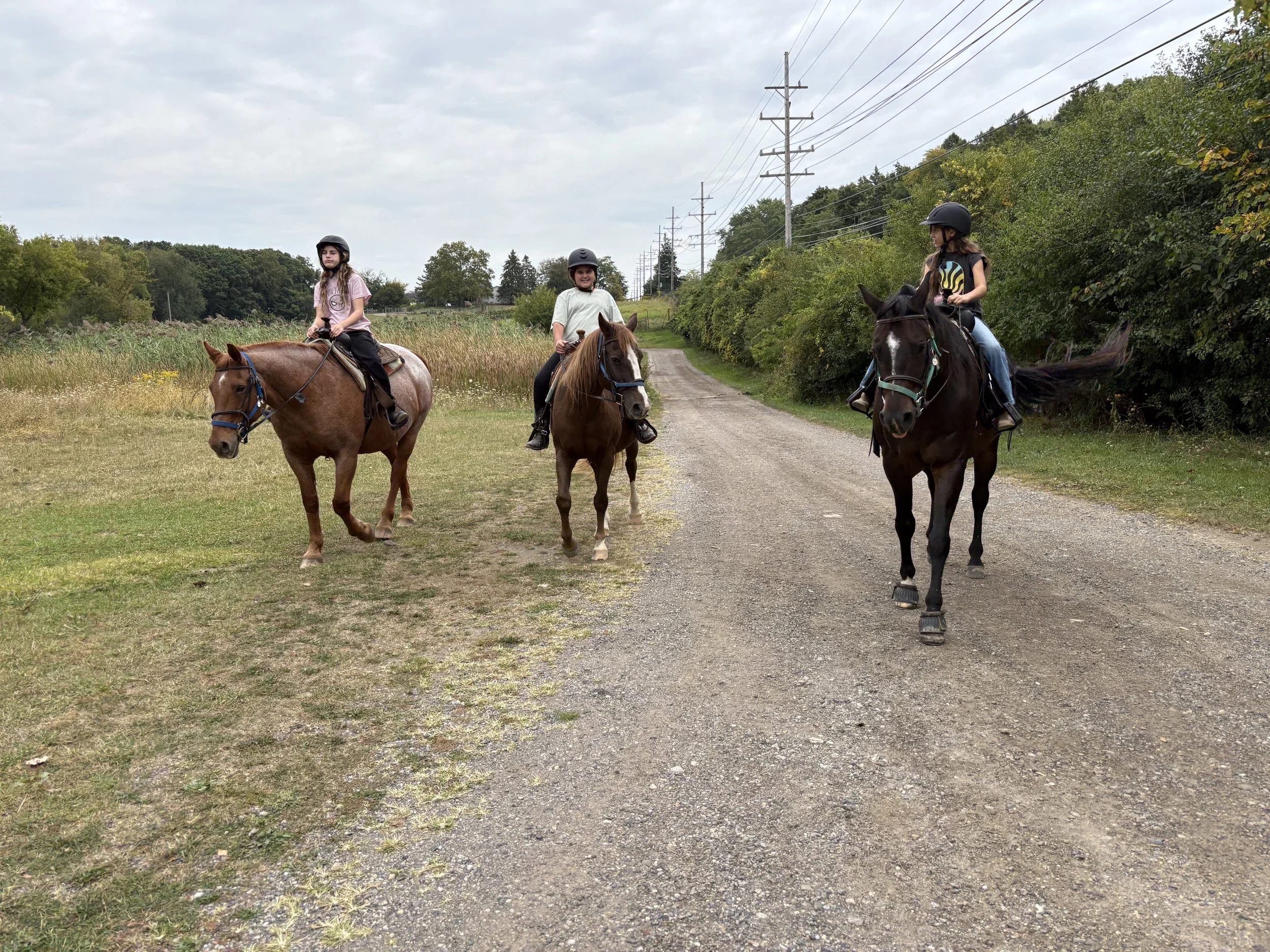
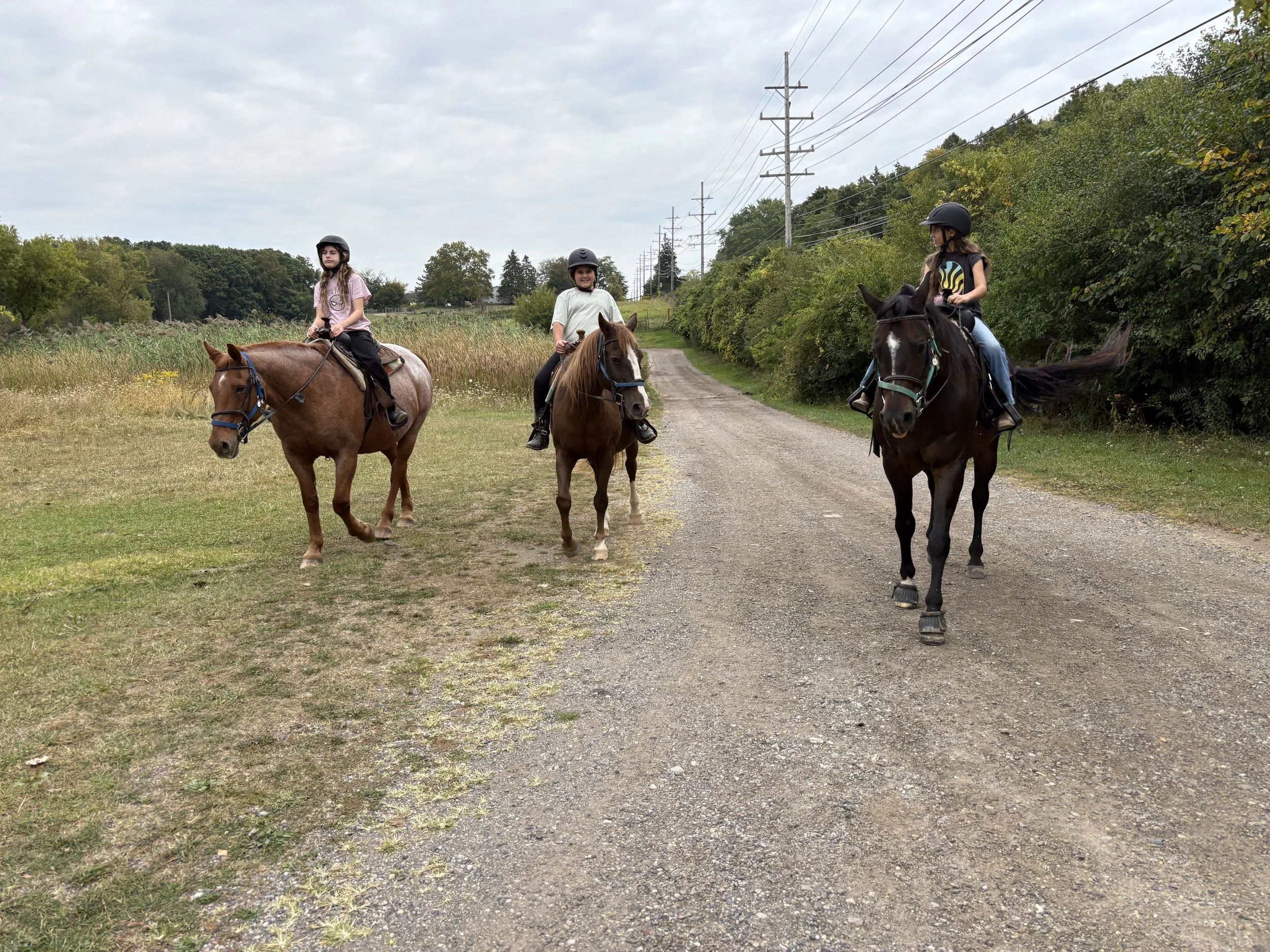
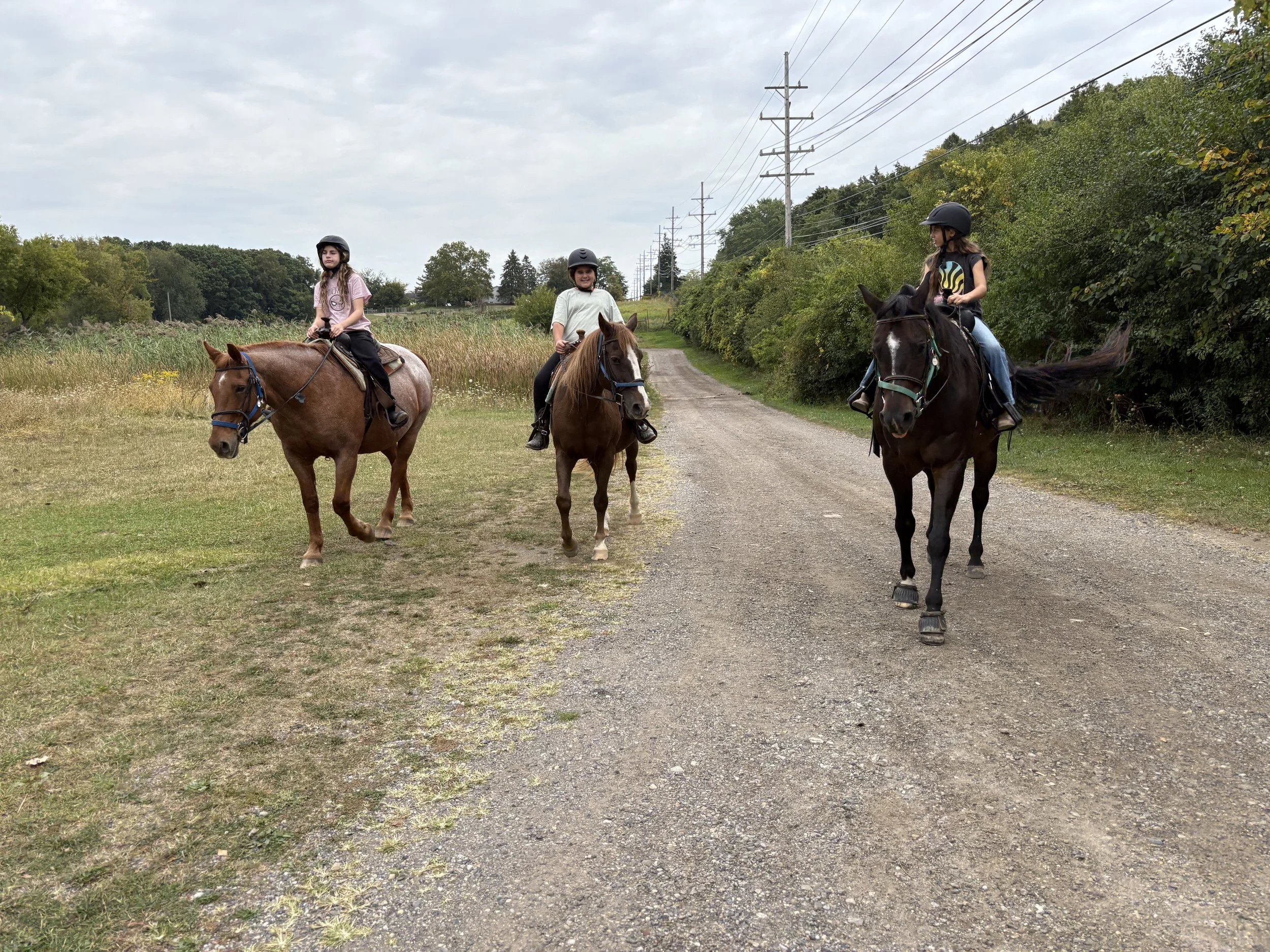
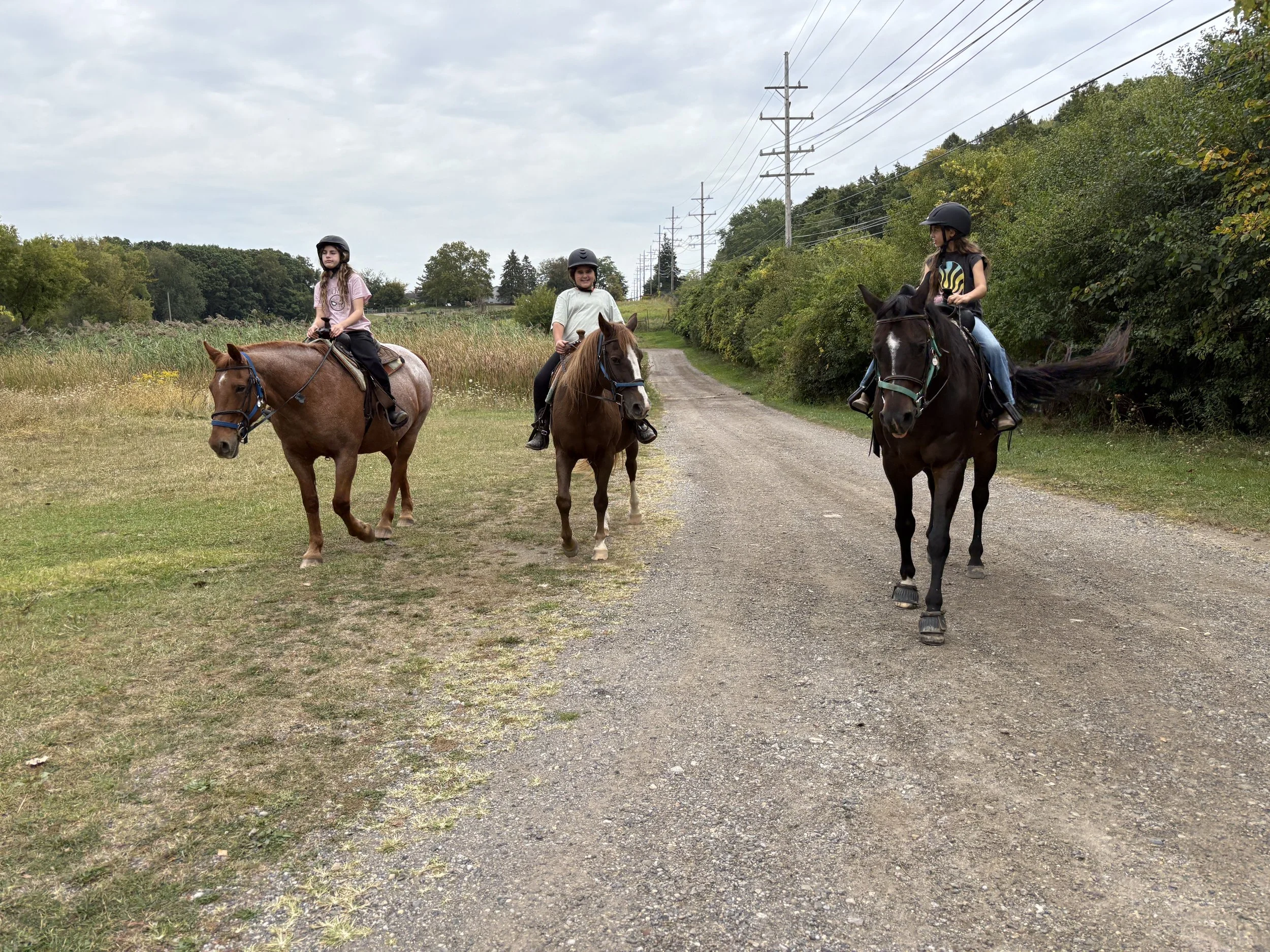
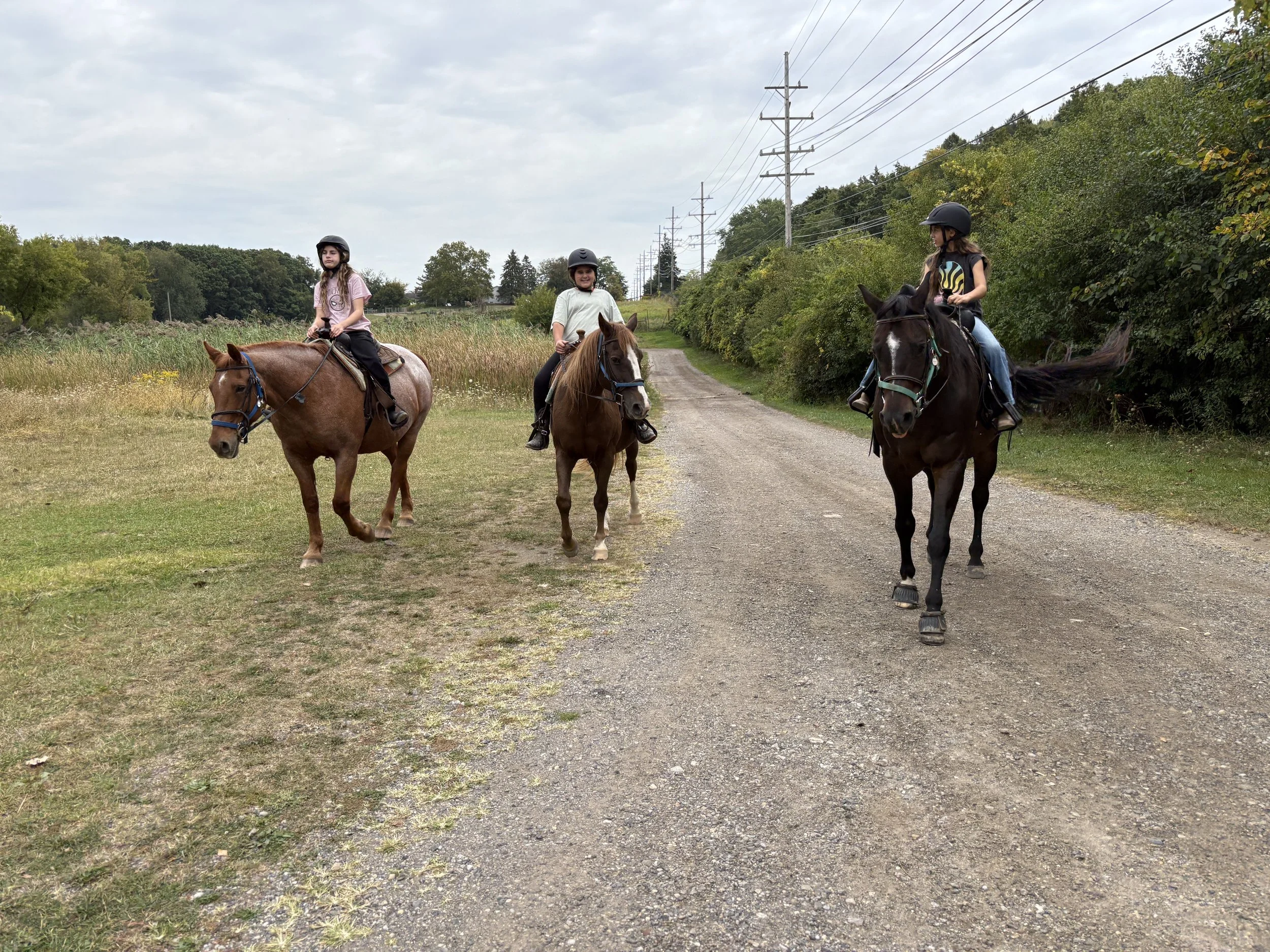
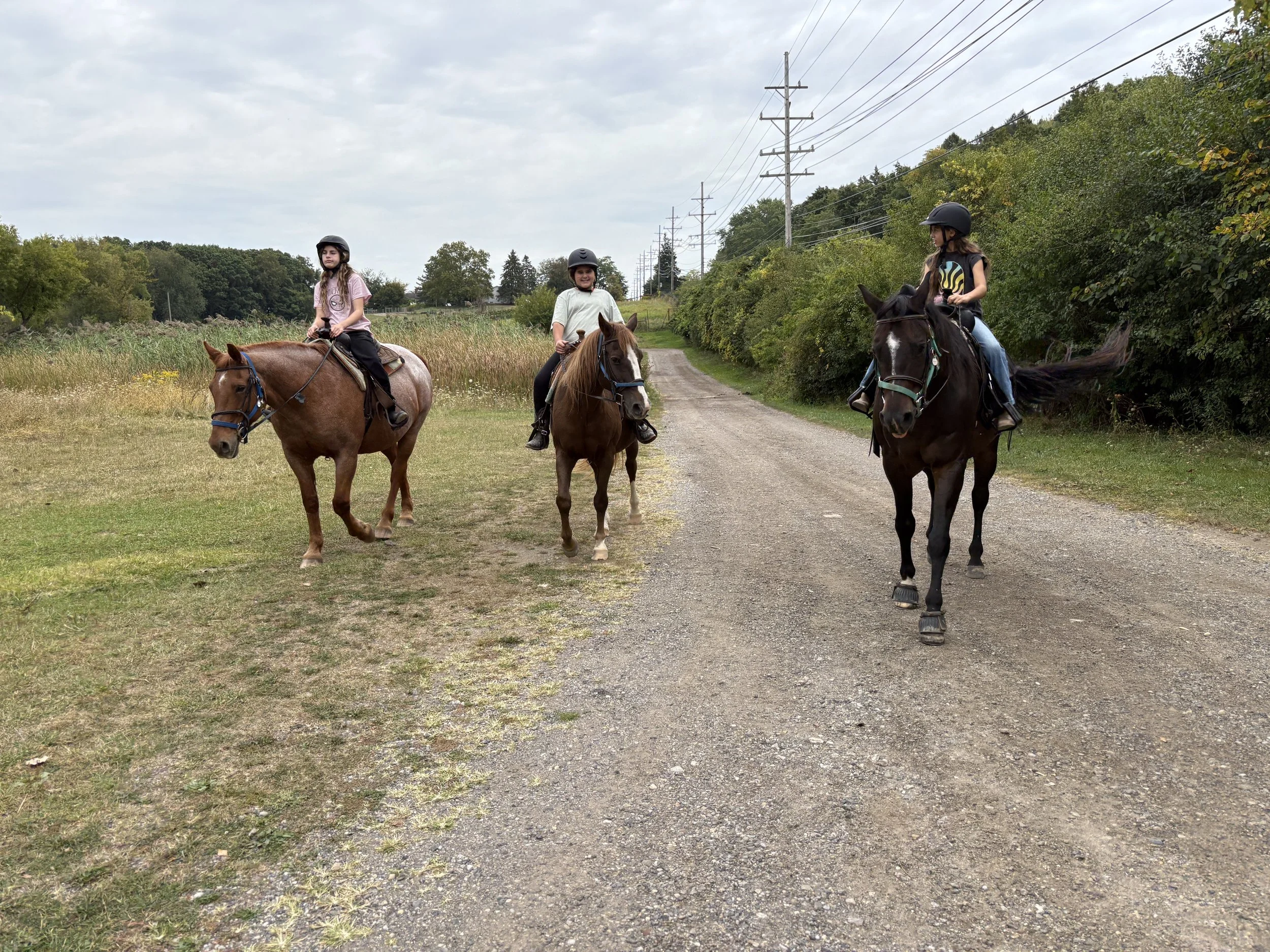
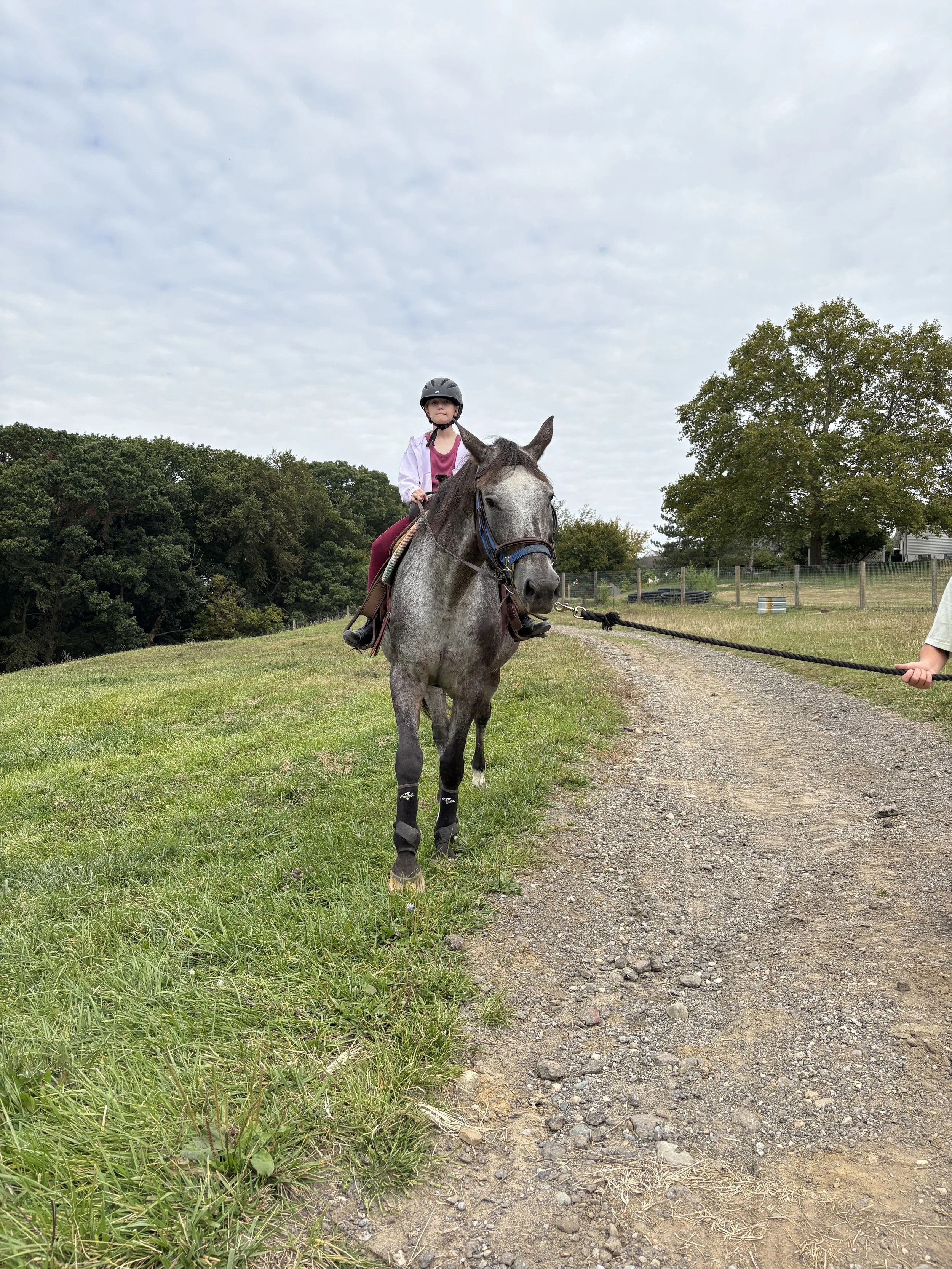
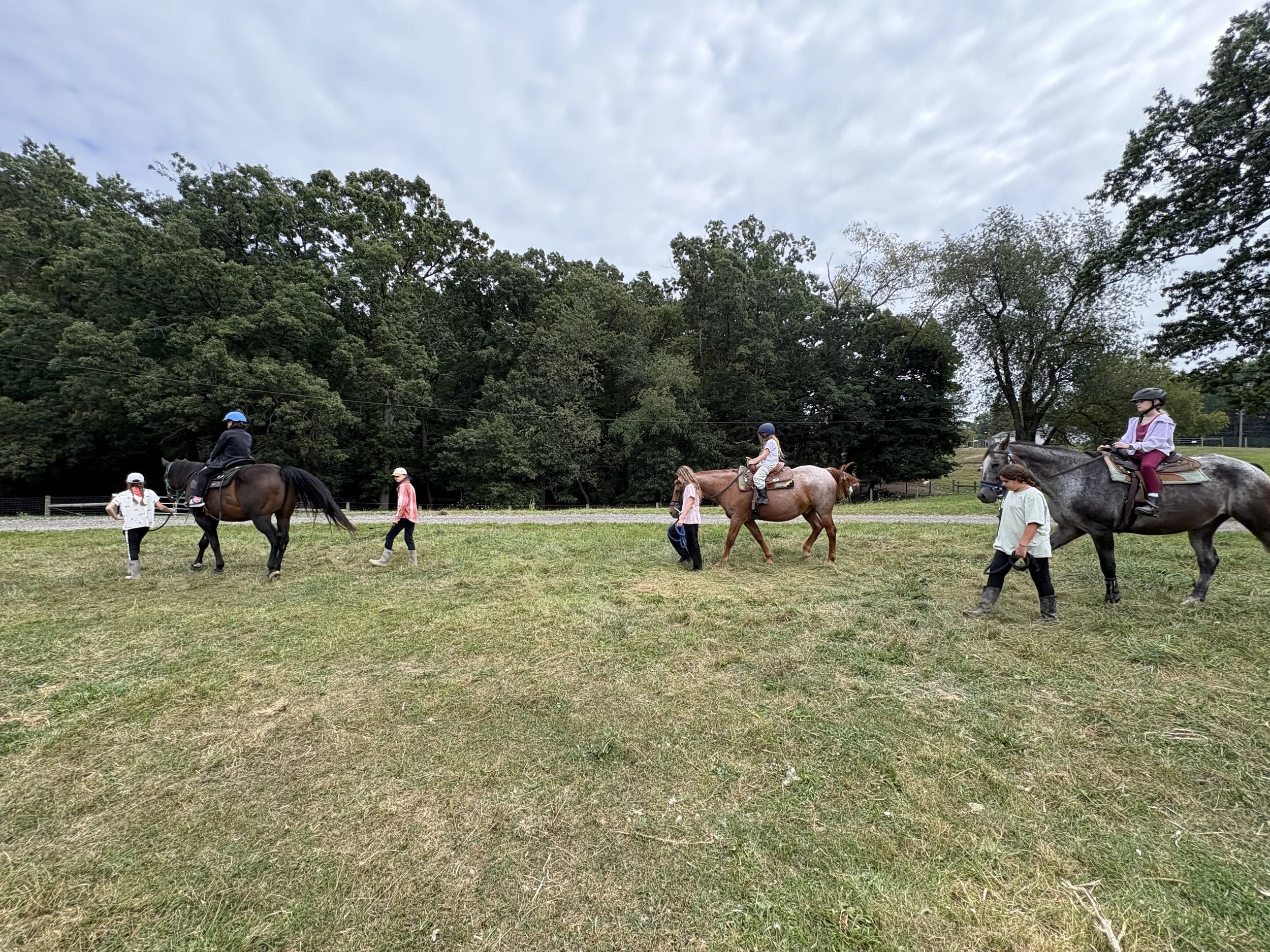
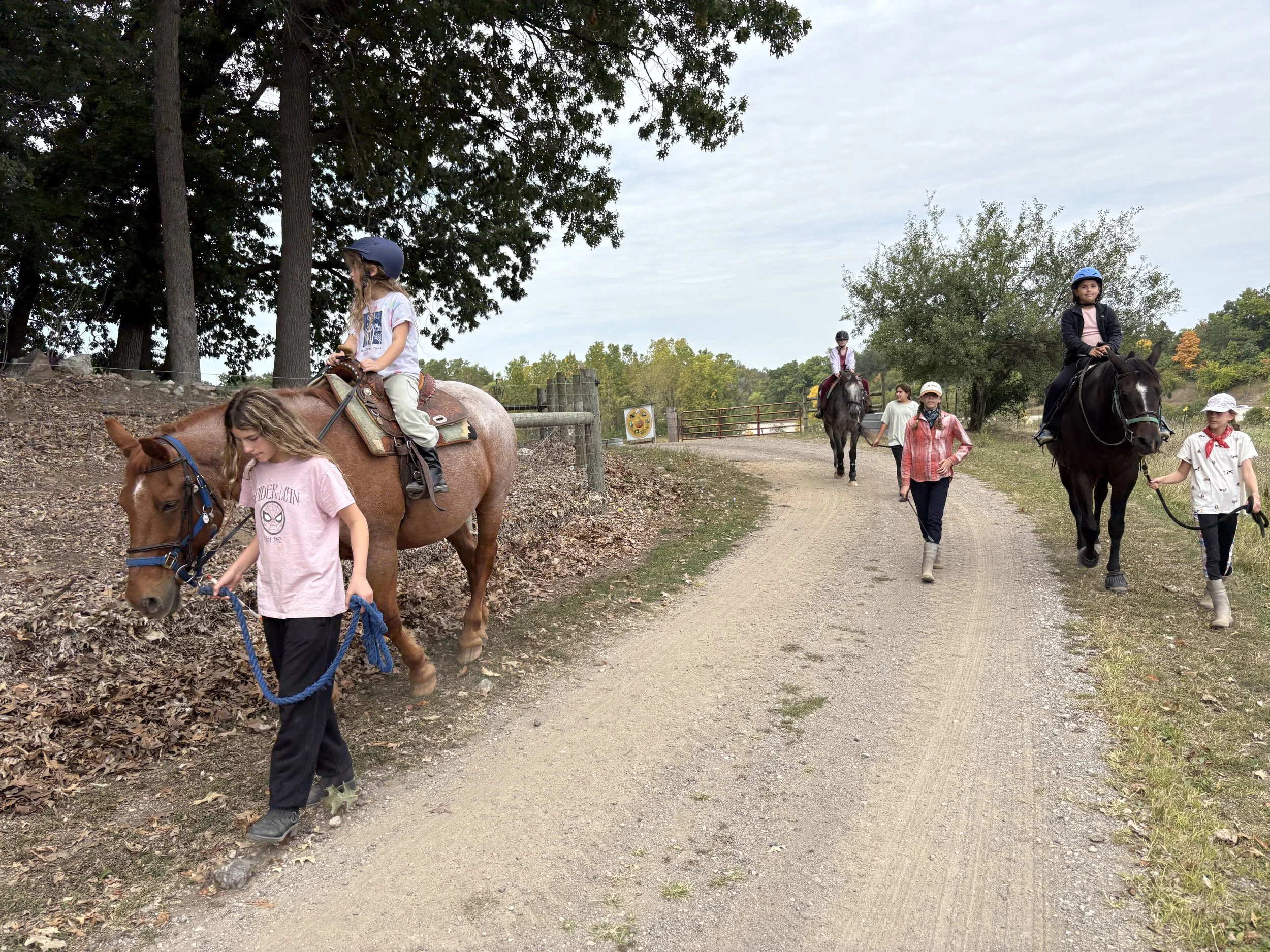
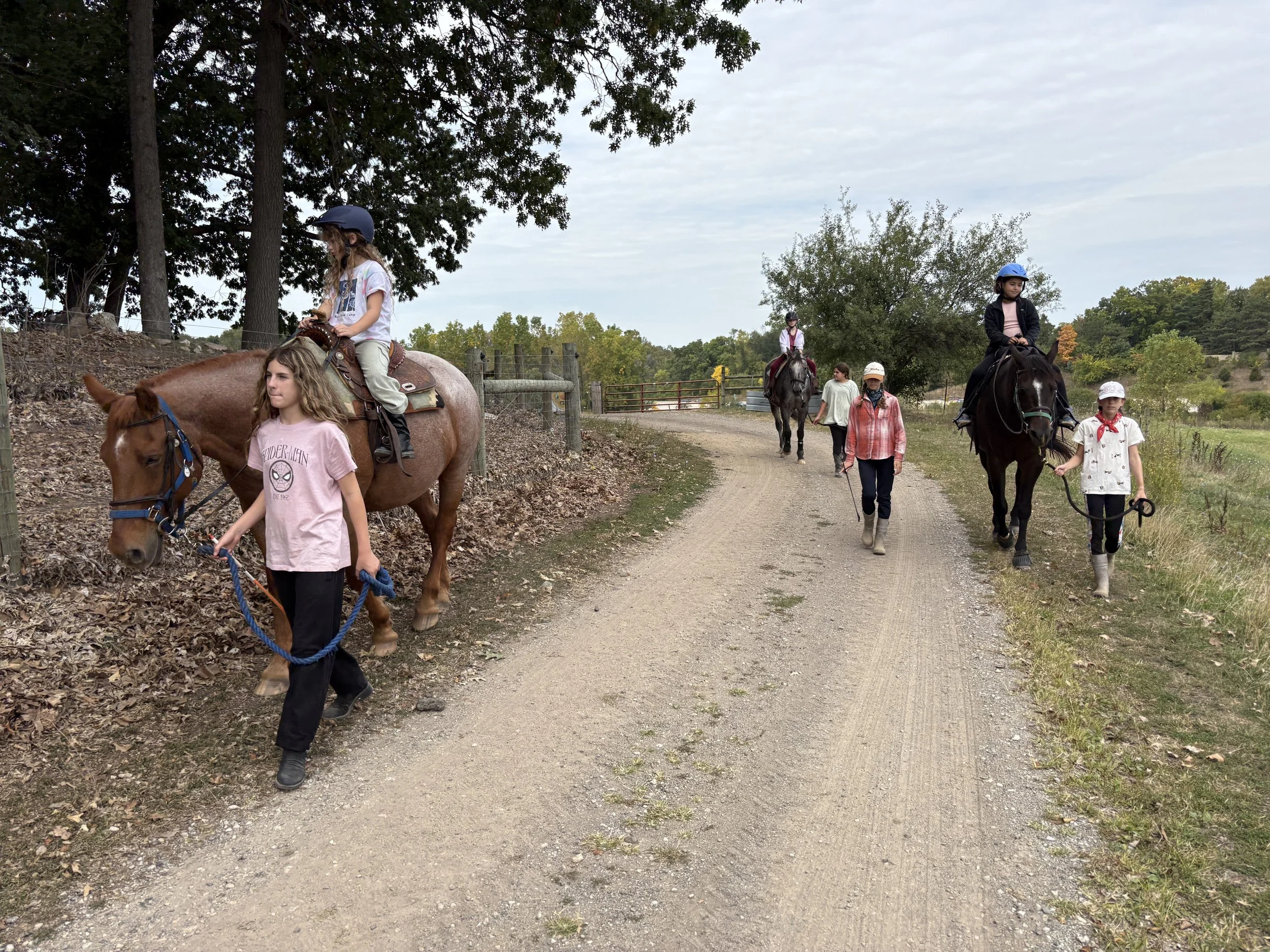
This week marked an exciting start to our four-week riding session! Some of our riders saddled up to ride the trails around the farm, enjoying both beautiful scenery and a chance to put their skills into practice outside the arena.
Trail rides offer a unique learning experience. Riders build confidence as they navigate varied terrain, learn to communicate more effectively with their horses in new environments, and develop a deeper sense of balance and control. It’s an incredible opportunity for both horse and rider to bond in a more natural, relaxed setting—something we love to see at the start of a session.
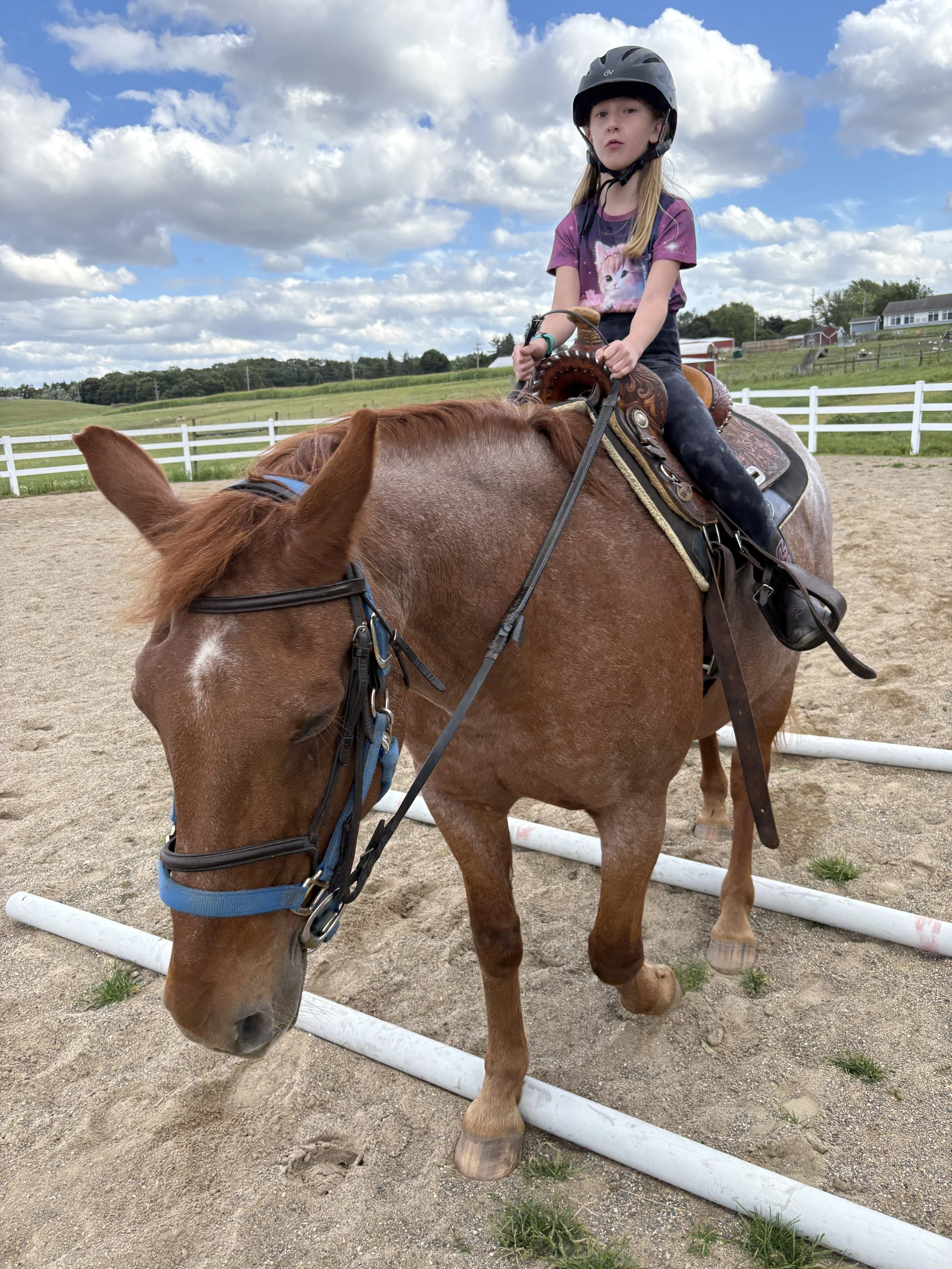
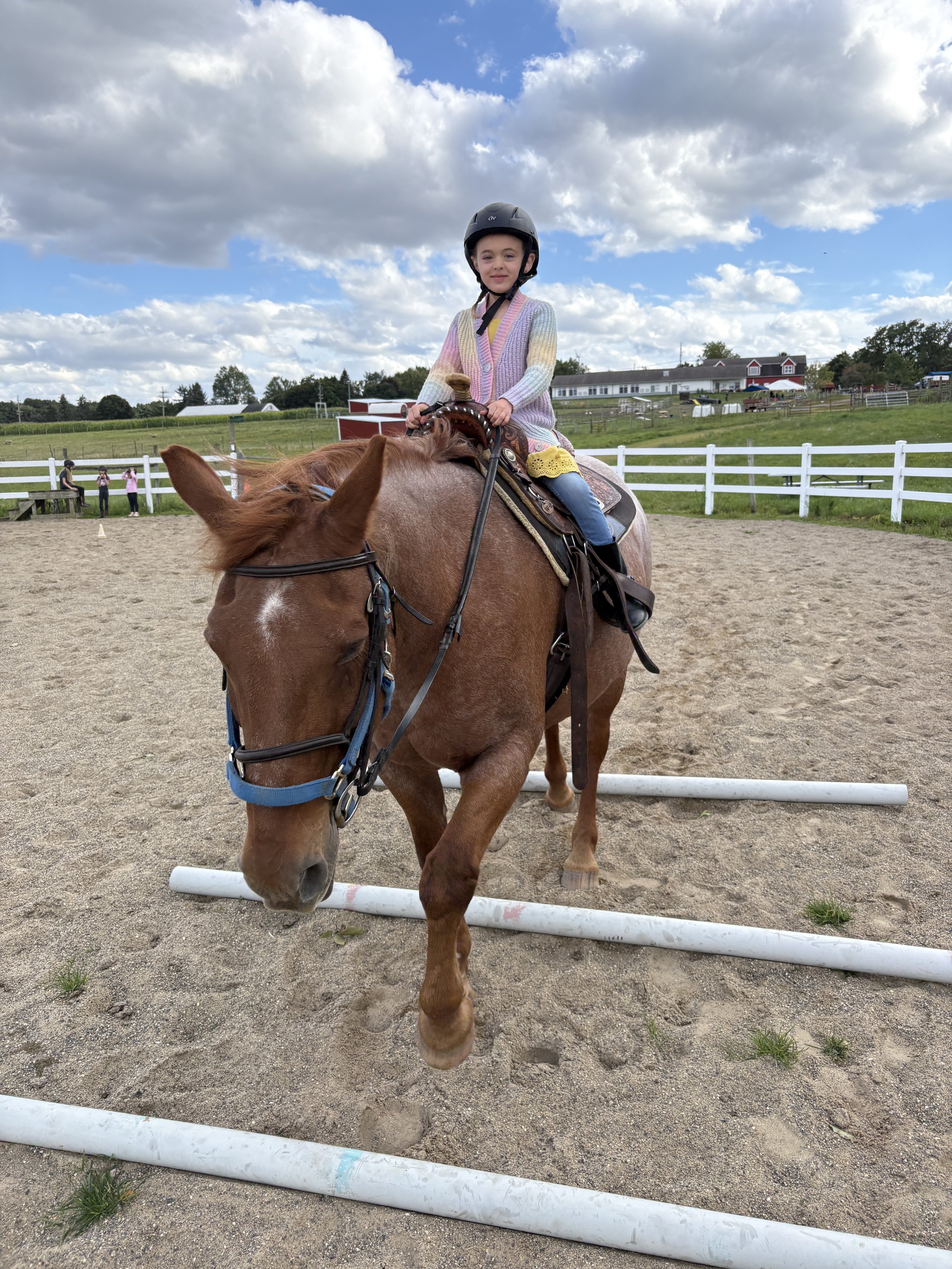
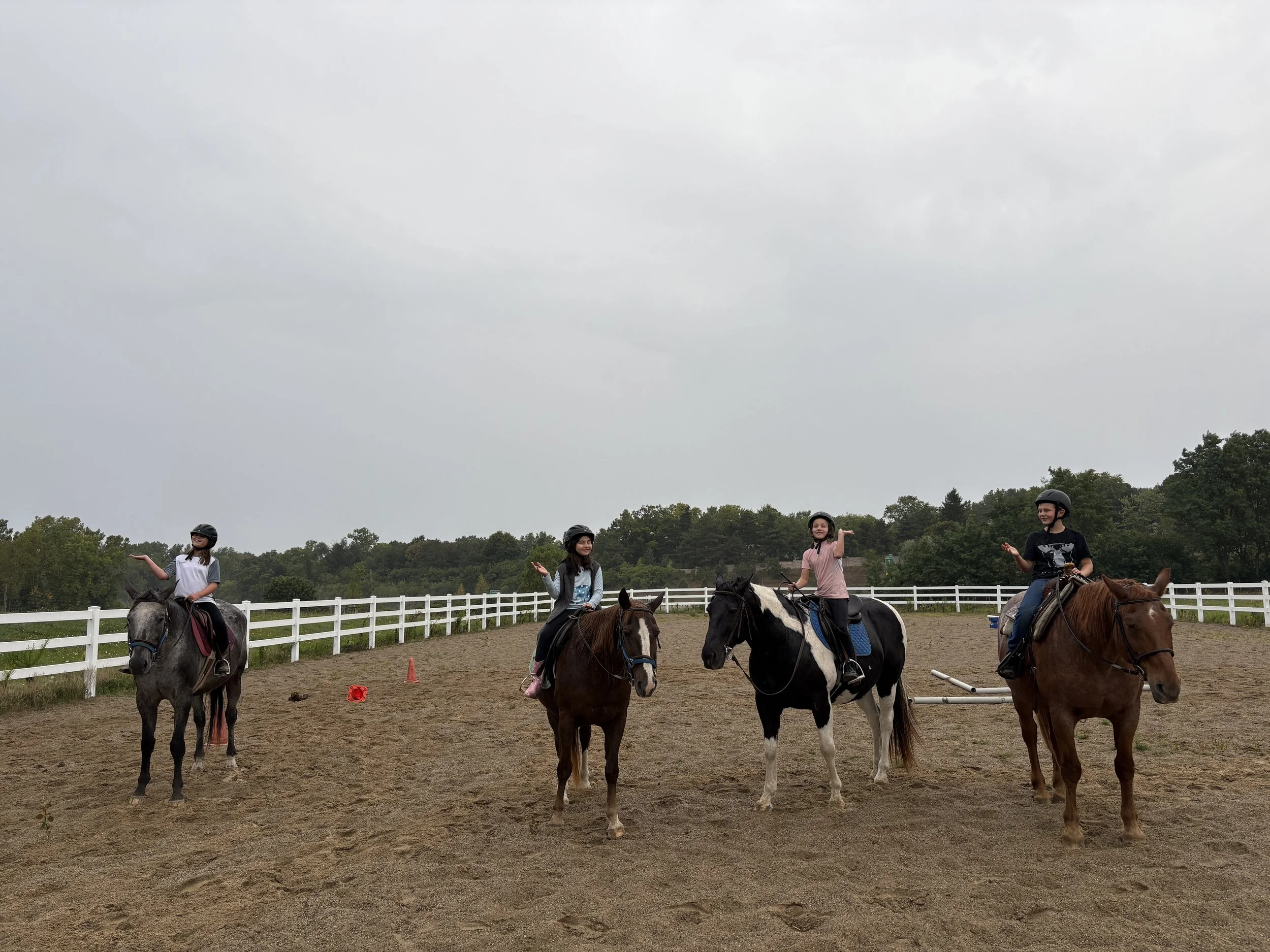
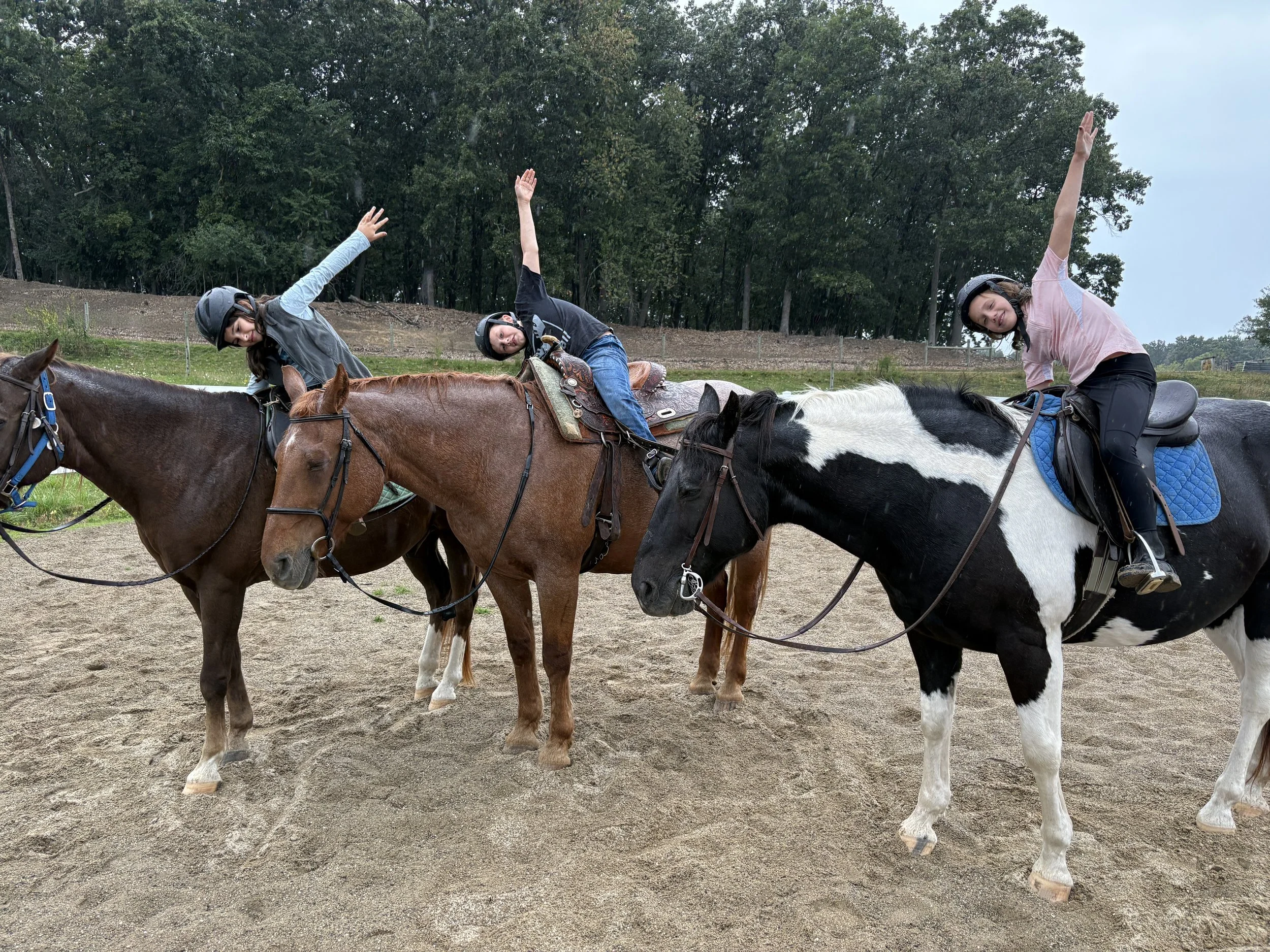
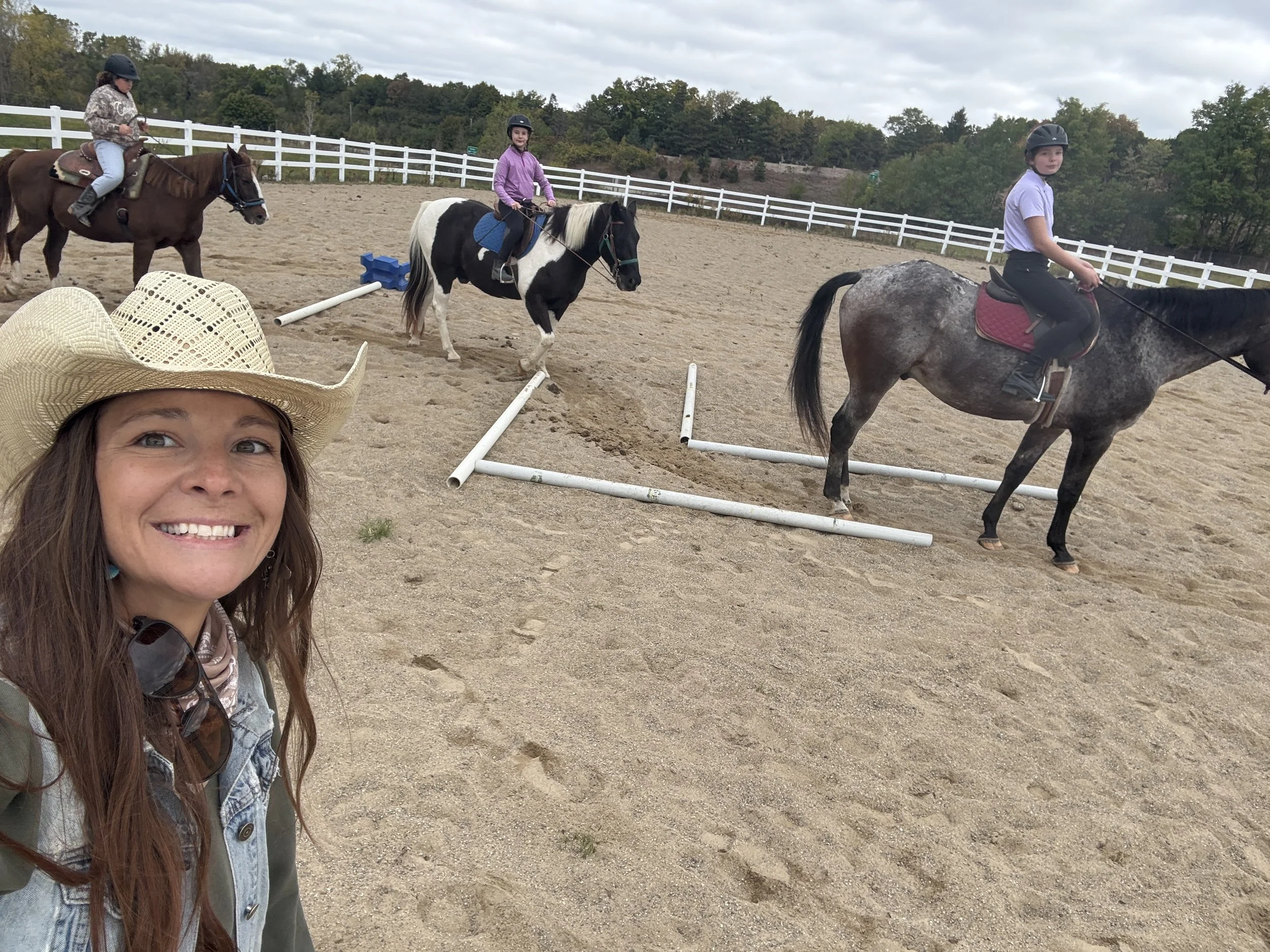
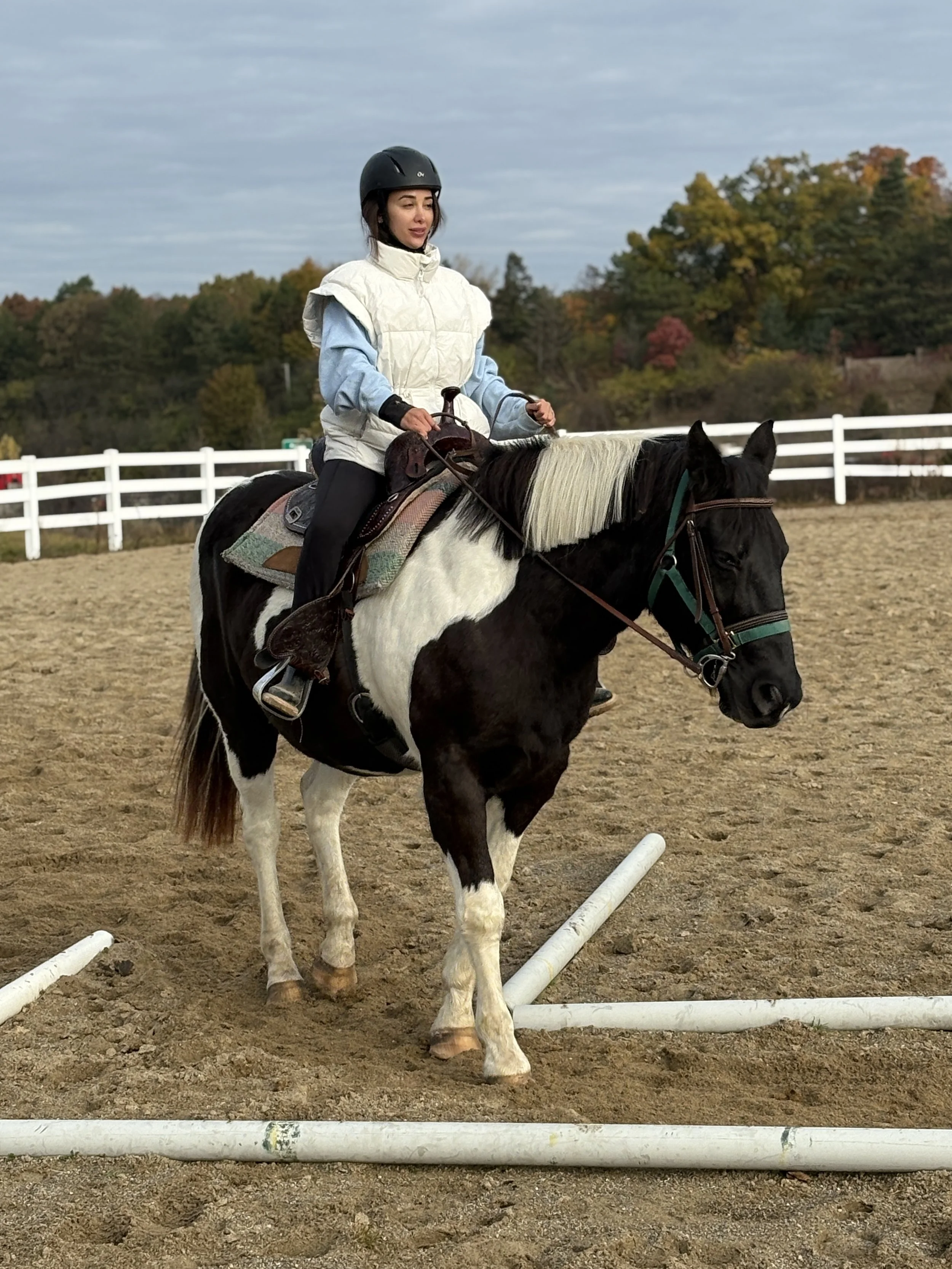
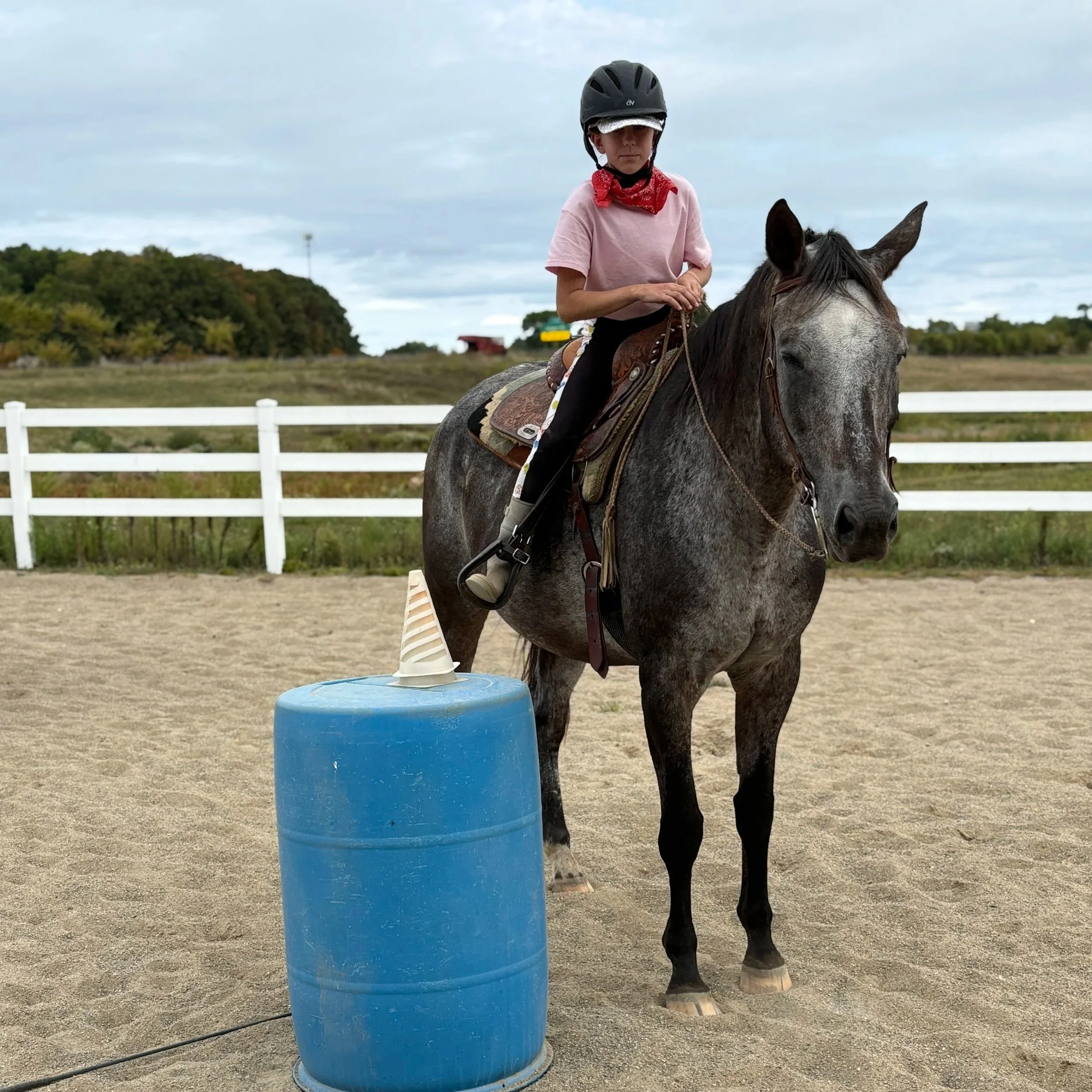
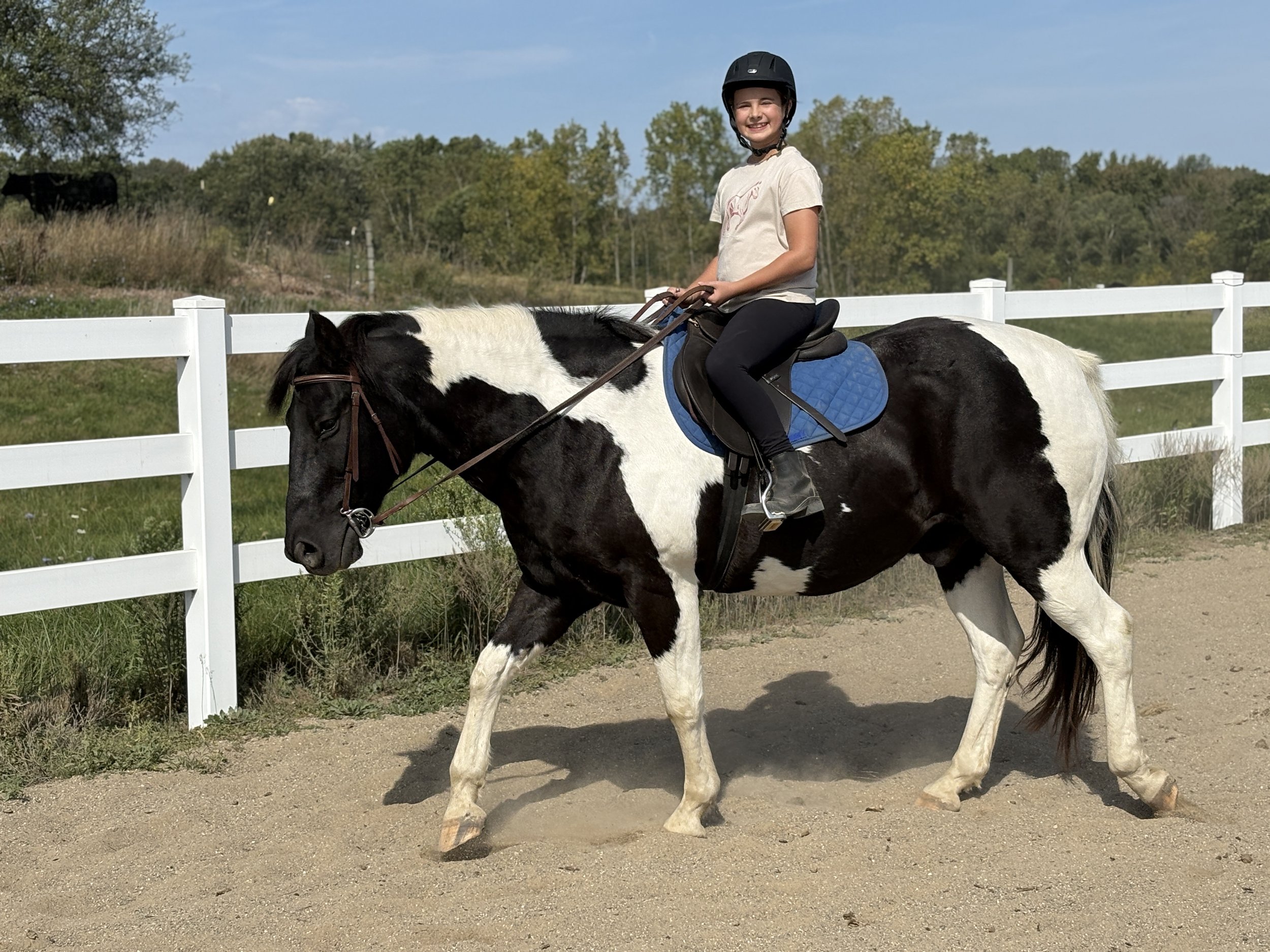
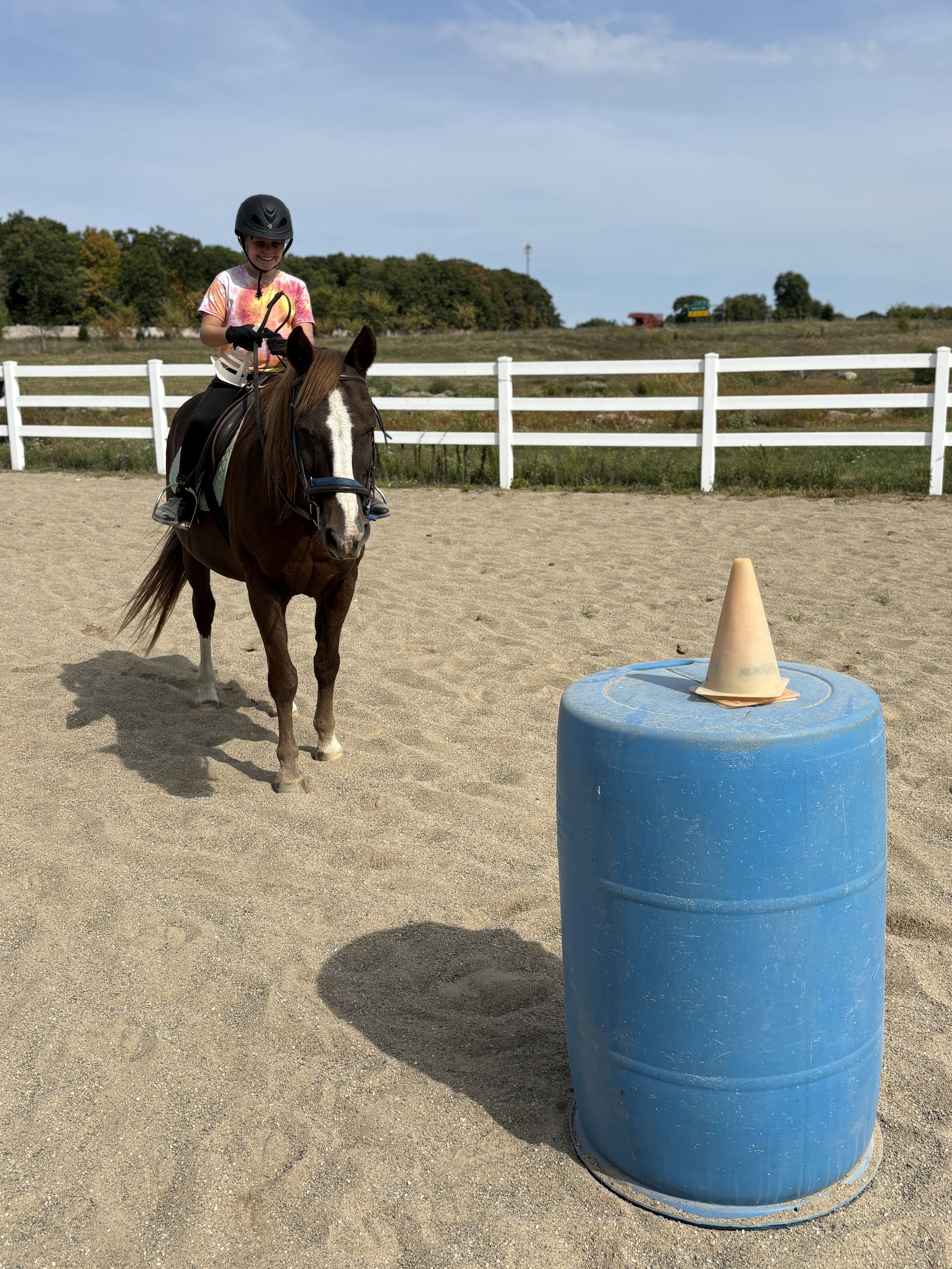
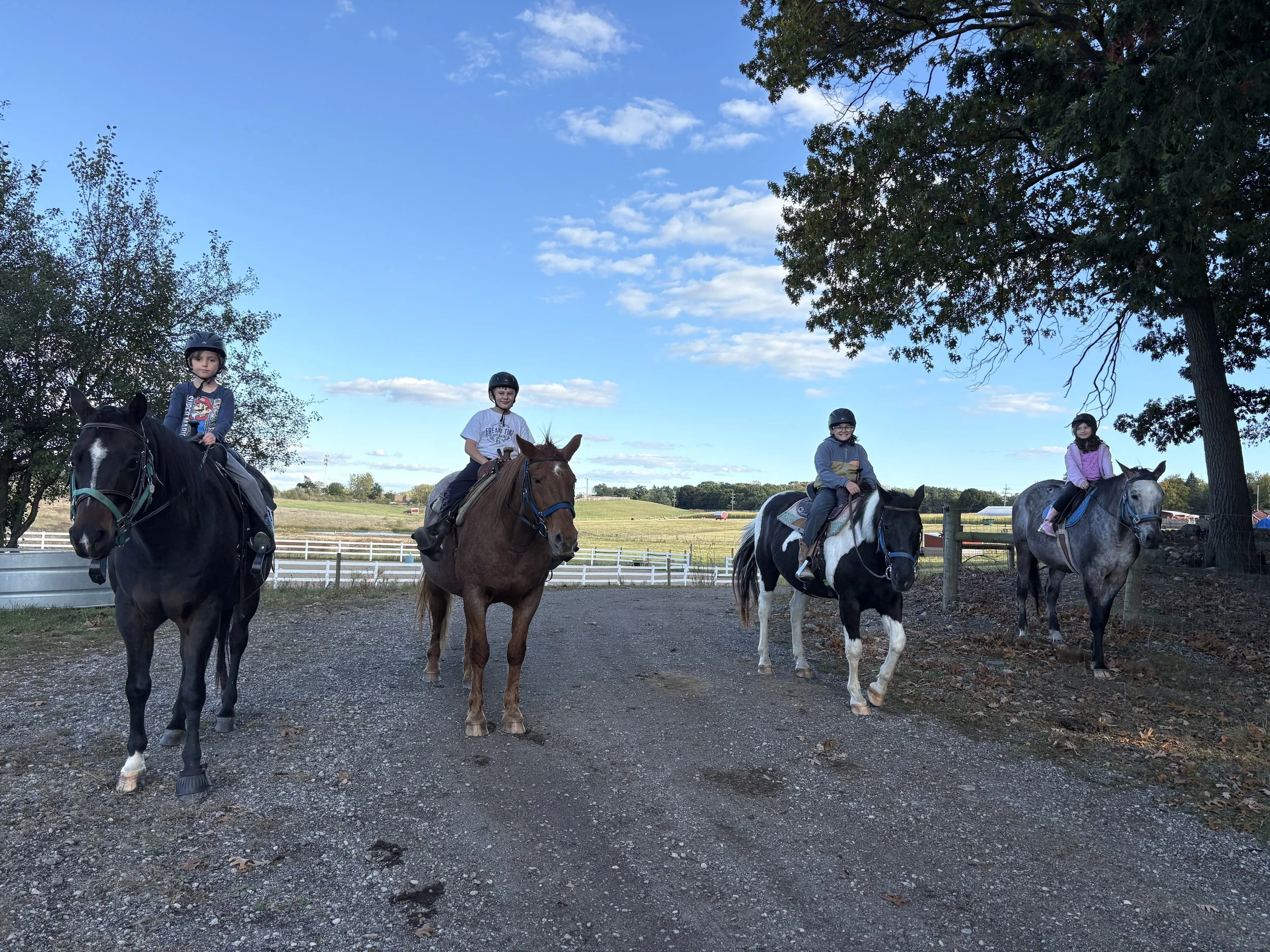
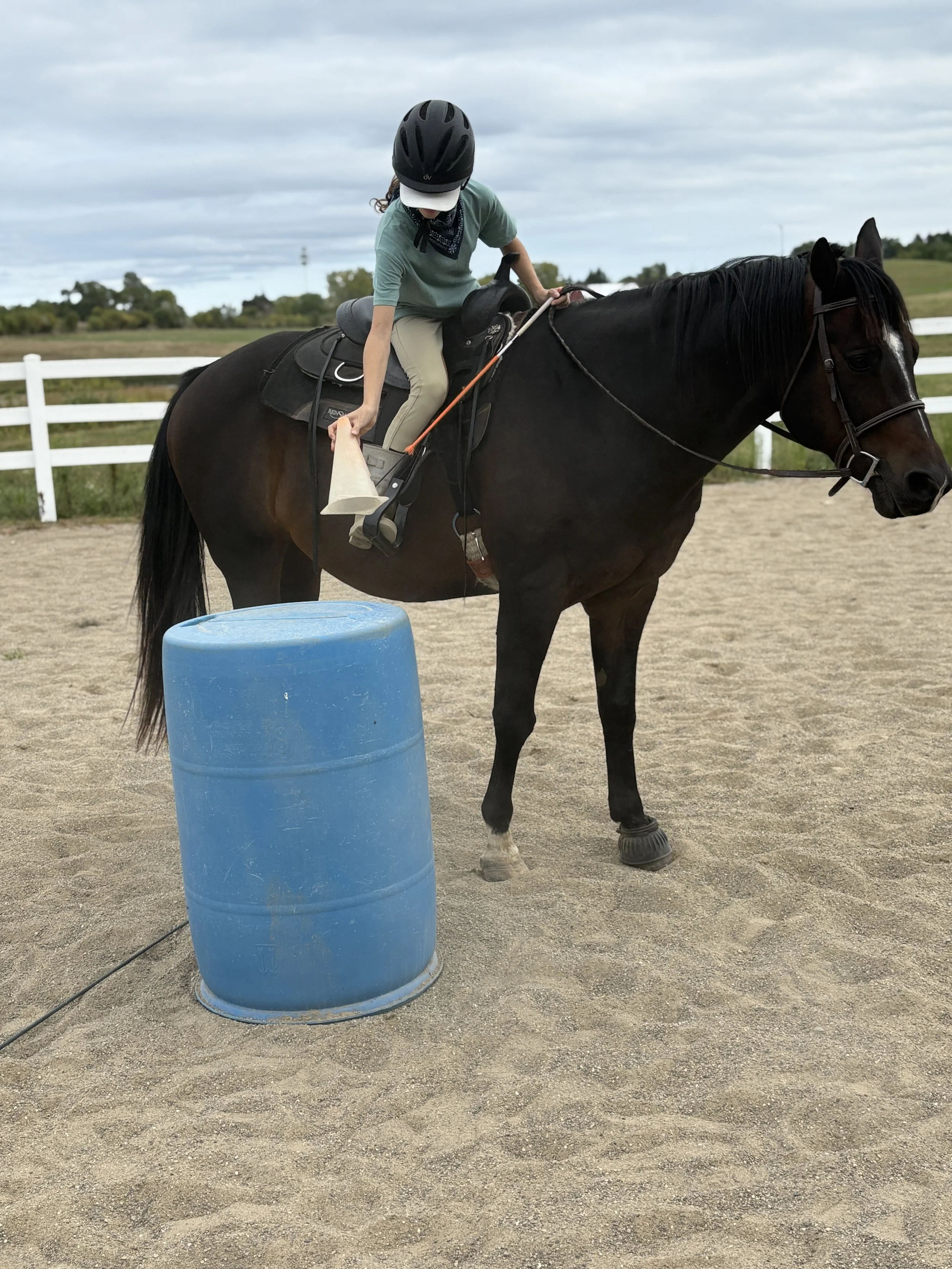
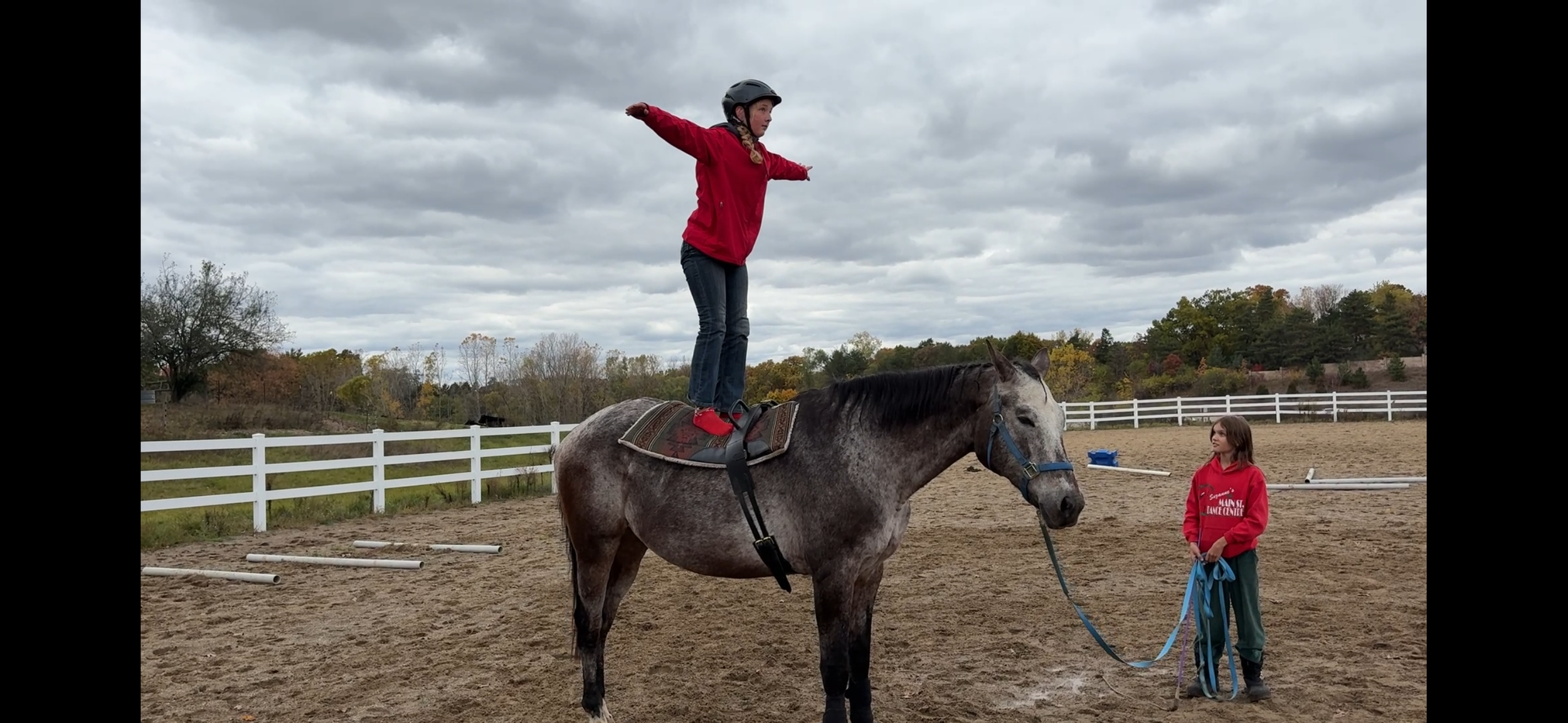
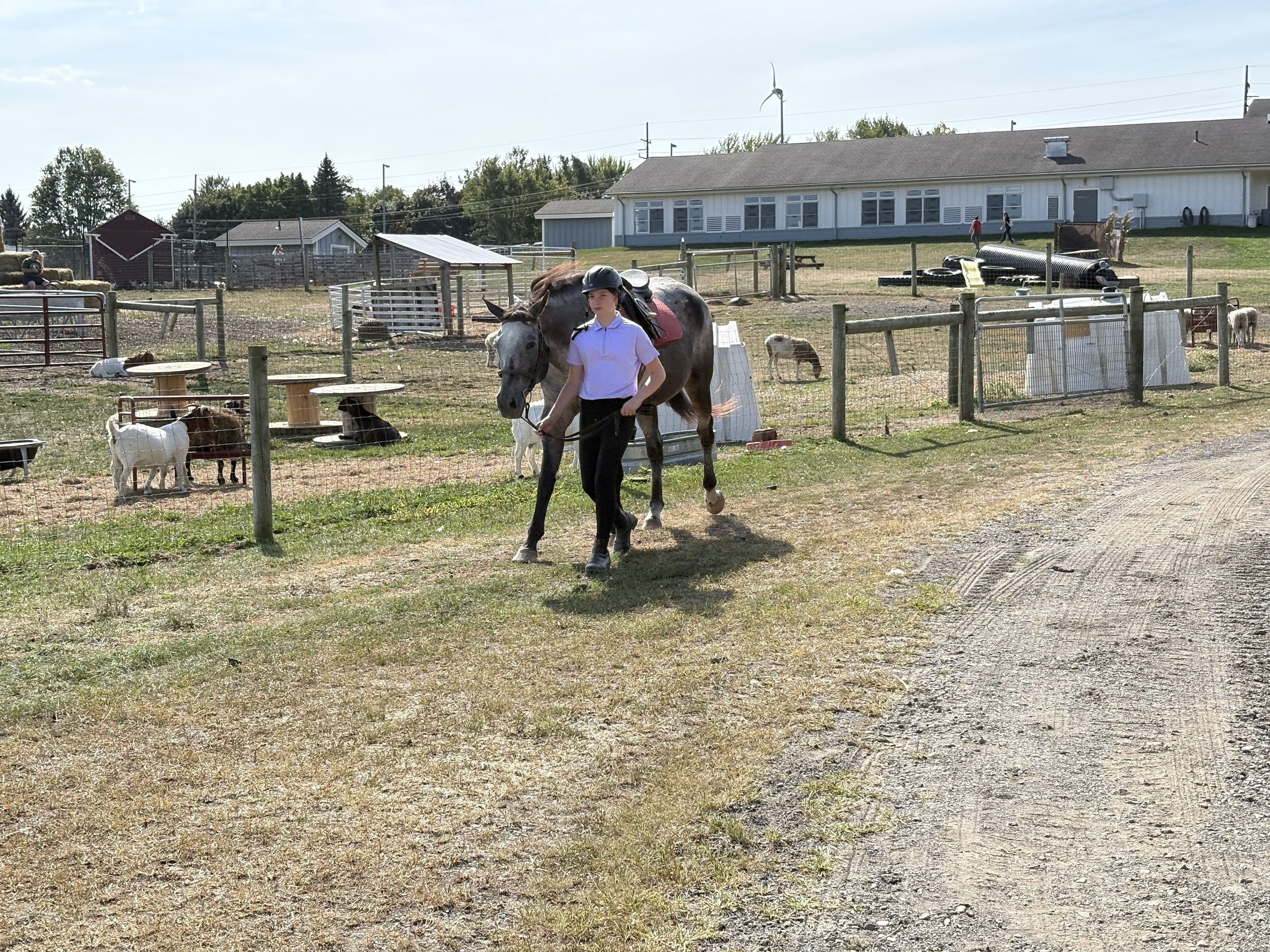
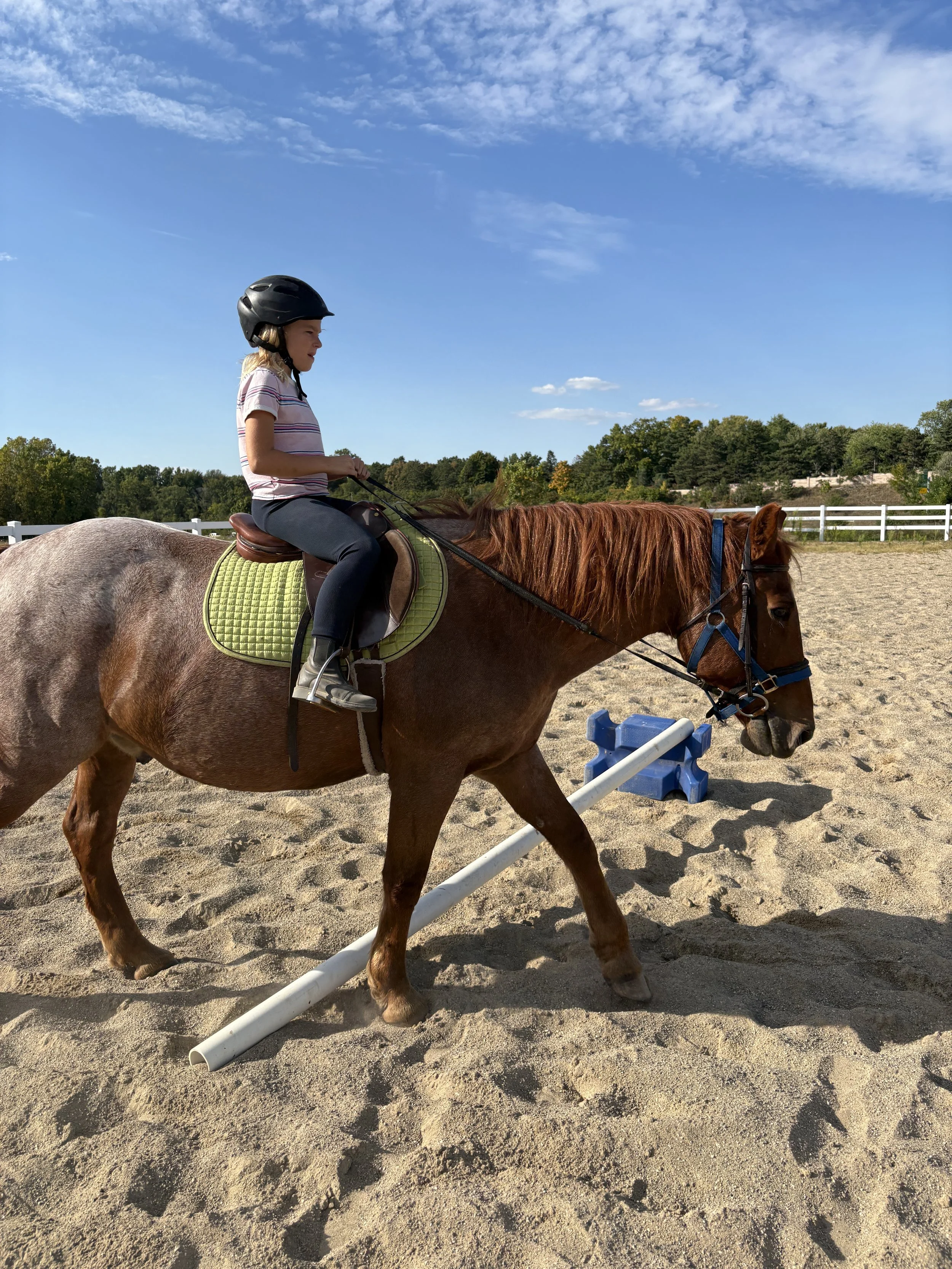
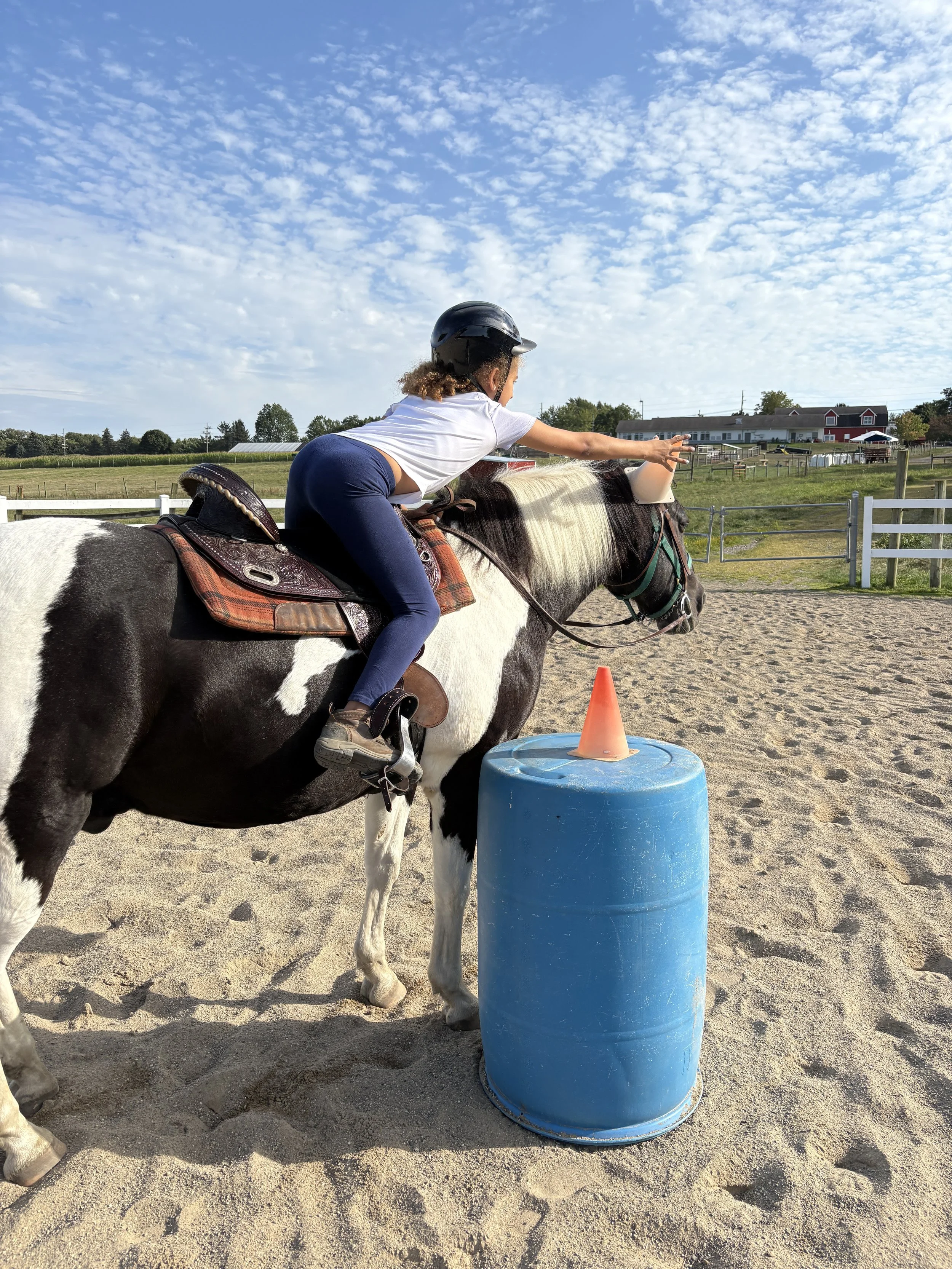
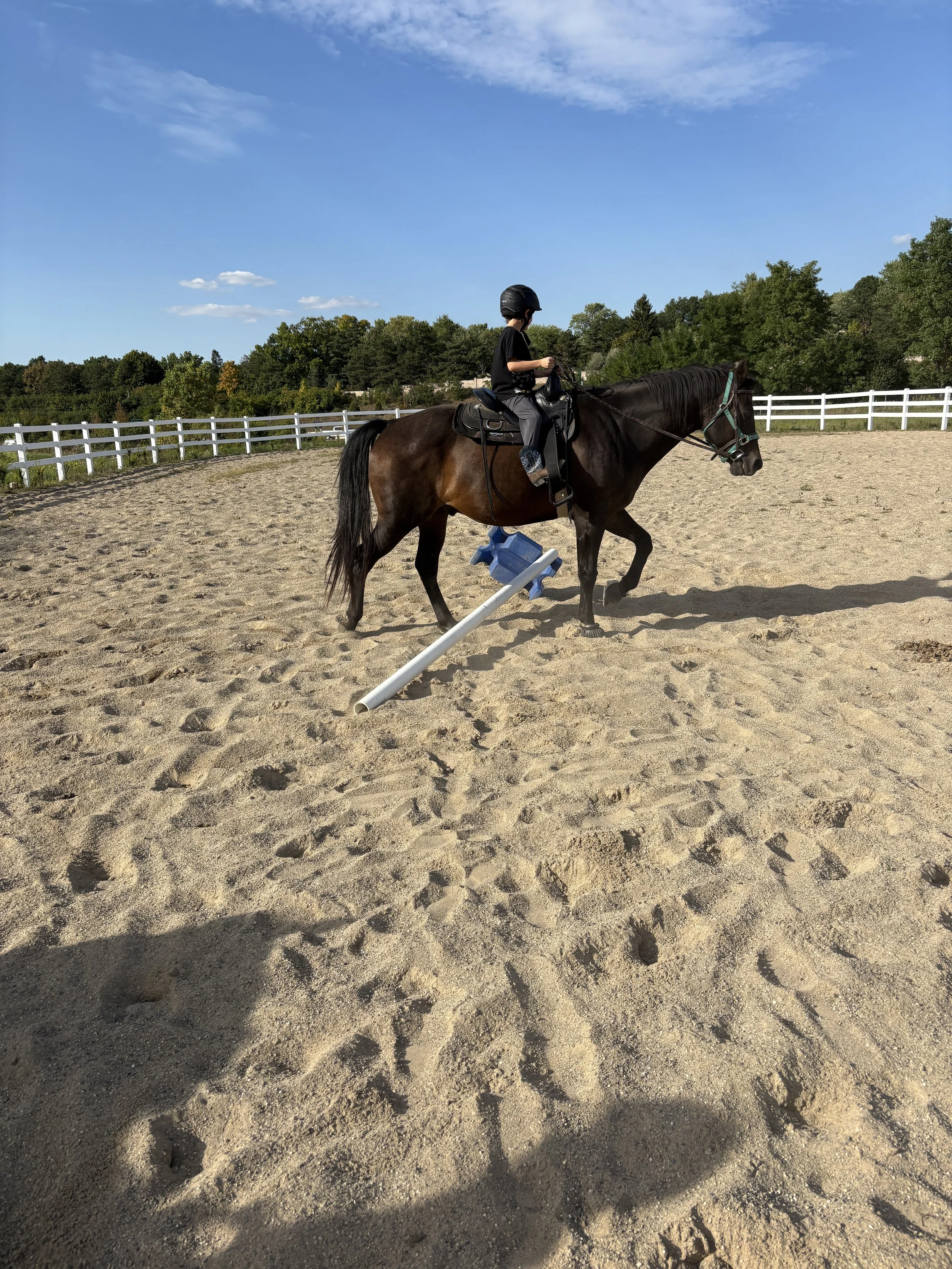
Meanwhile, other groups chose to focus on their groundwork and arena skills, preparing for a trail ride in the upcoming week. These riders are progressing steadily, working on everything from posture and steering to transitions and groundwork—all essential for a successful trail experience.
We’re already seeing growth in our riders’ confidence, decision-making, and horsemanship. Whether on the trail or in the arena, it's shaping up to be a strong and inspiring session!
Stay tuned for more updates as we head into Week 3!





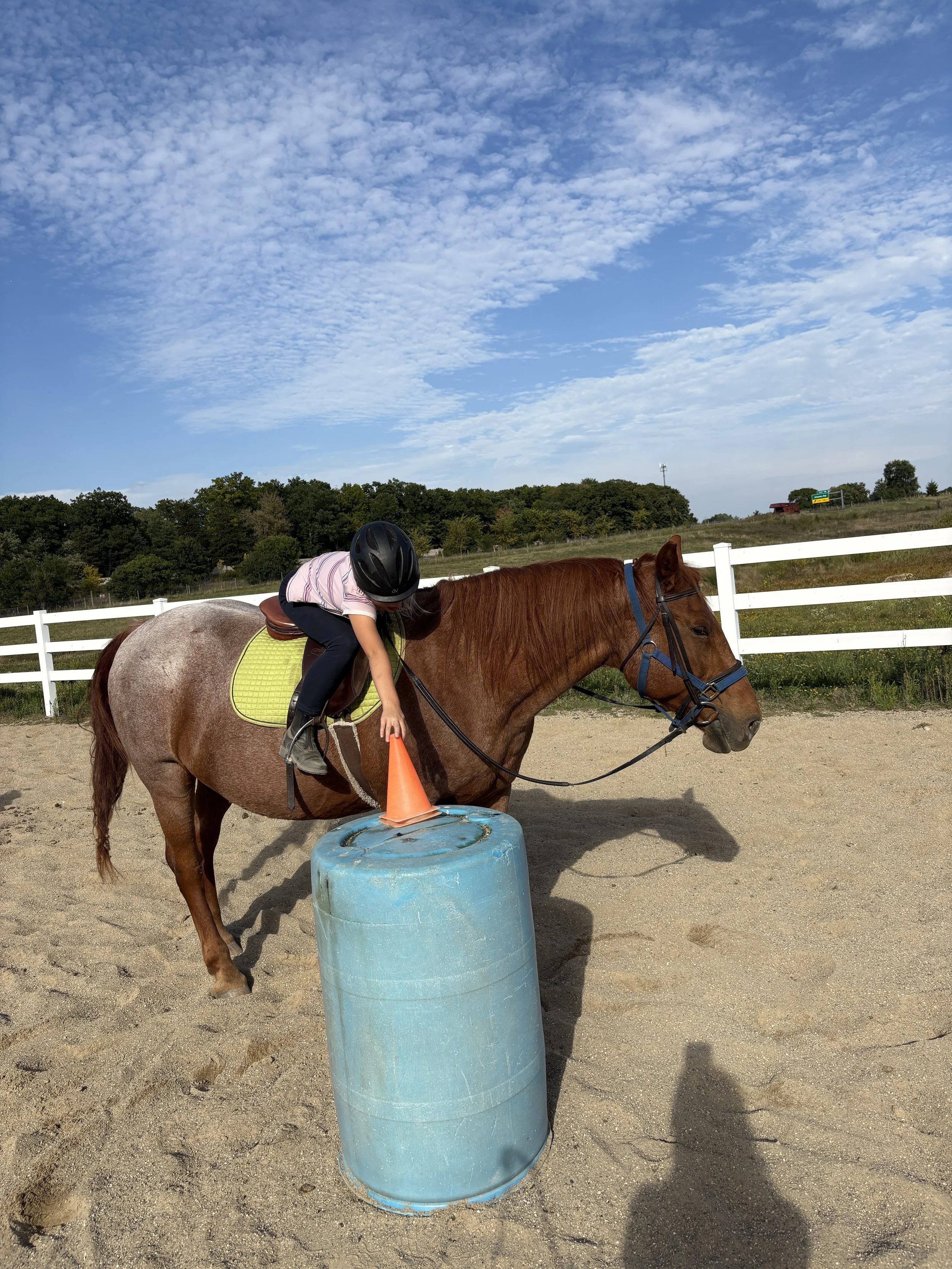


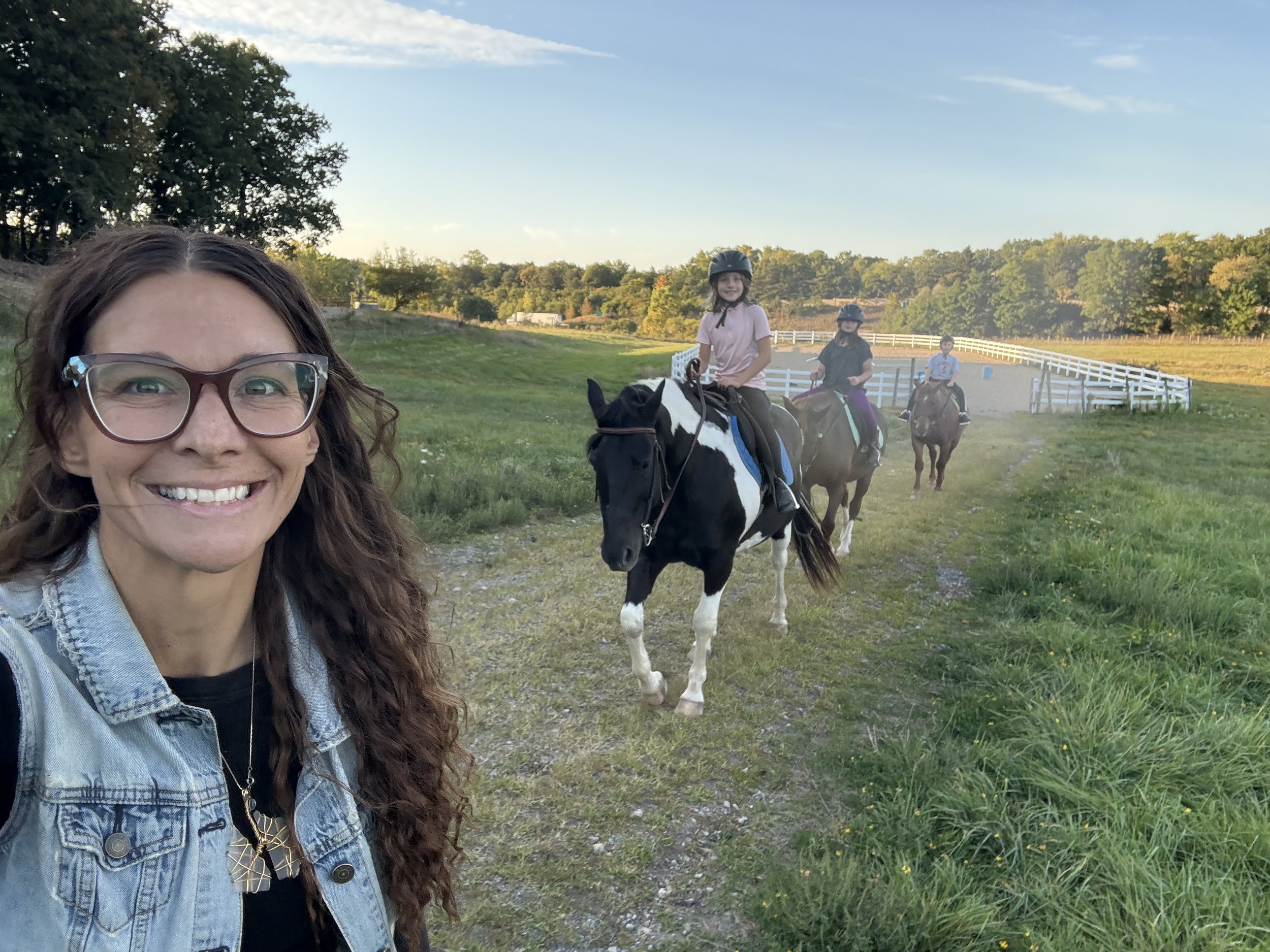


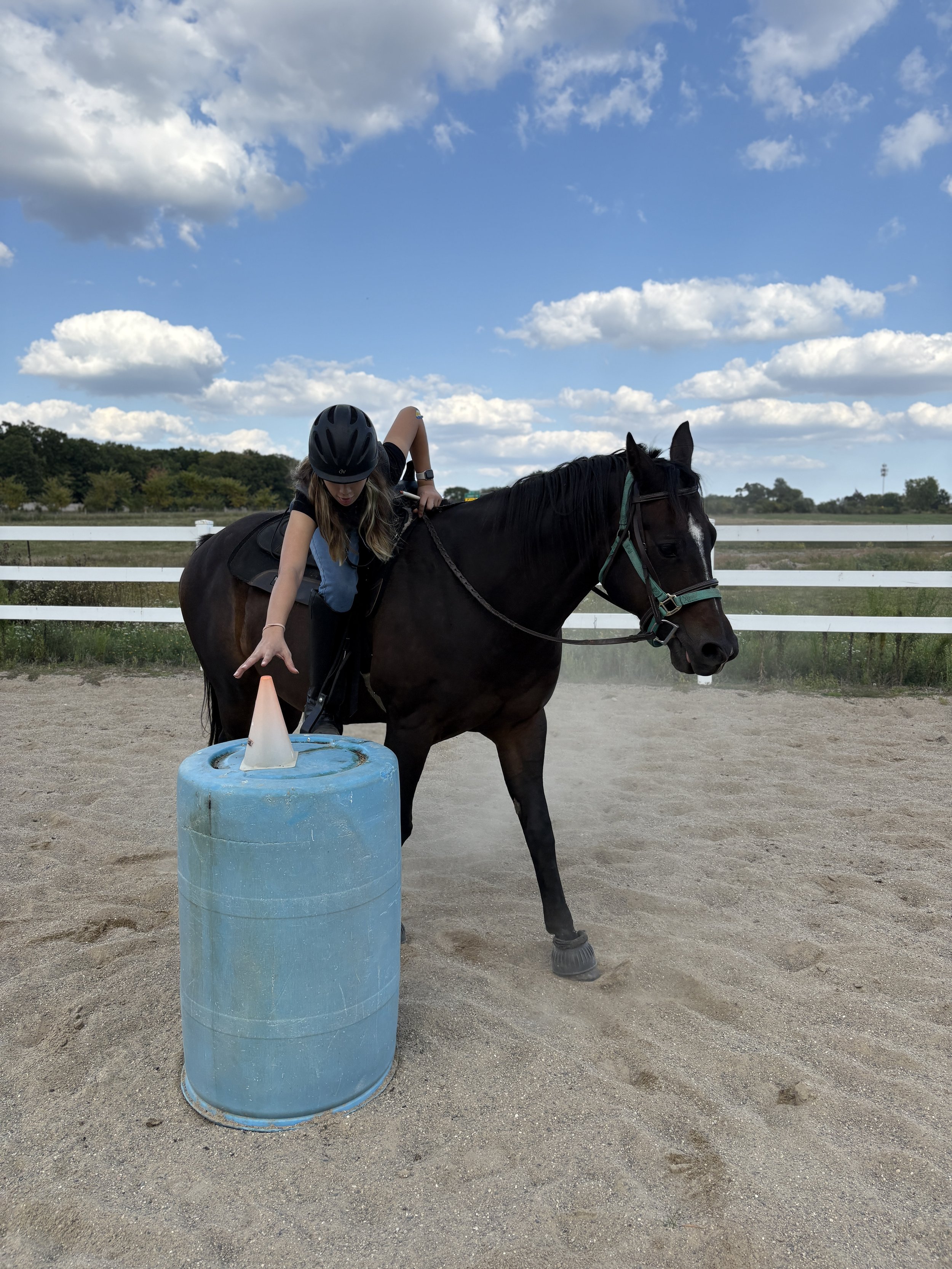


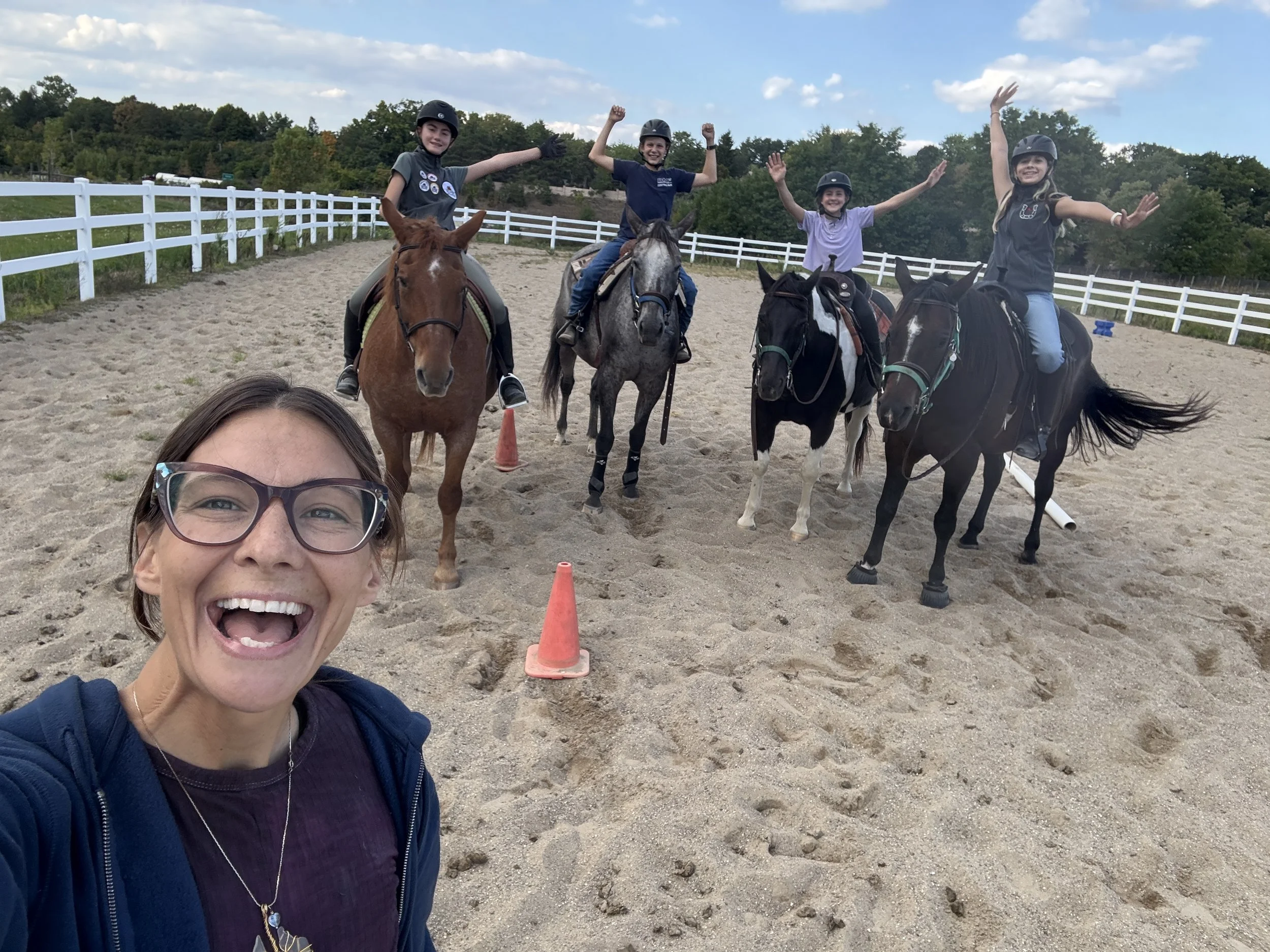

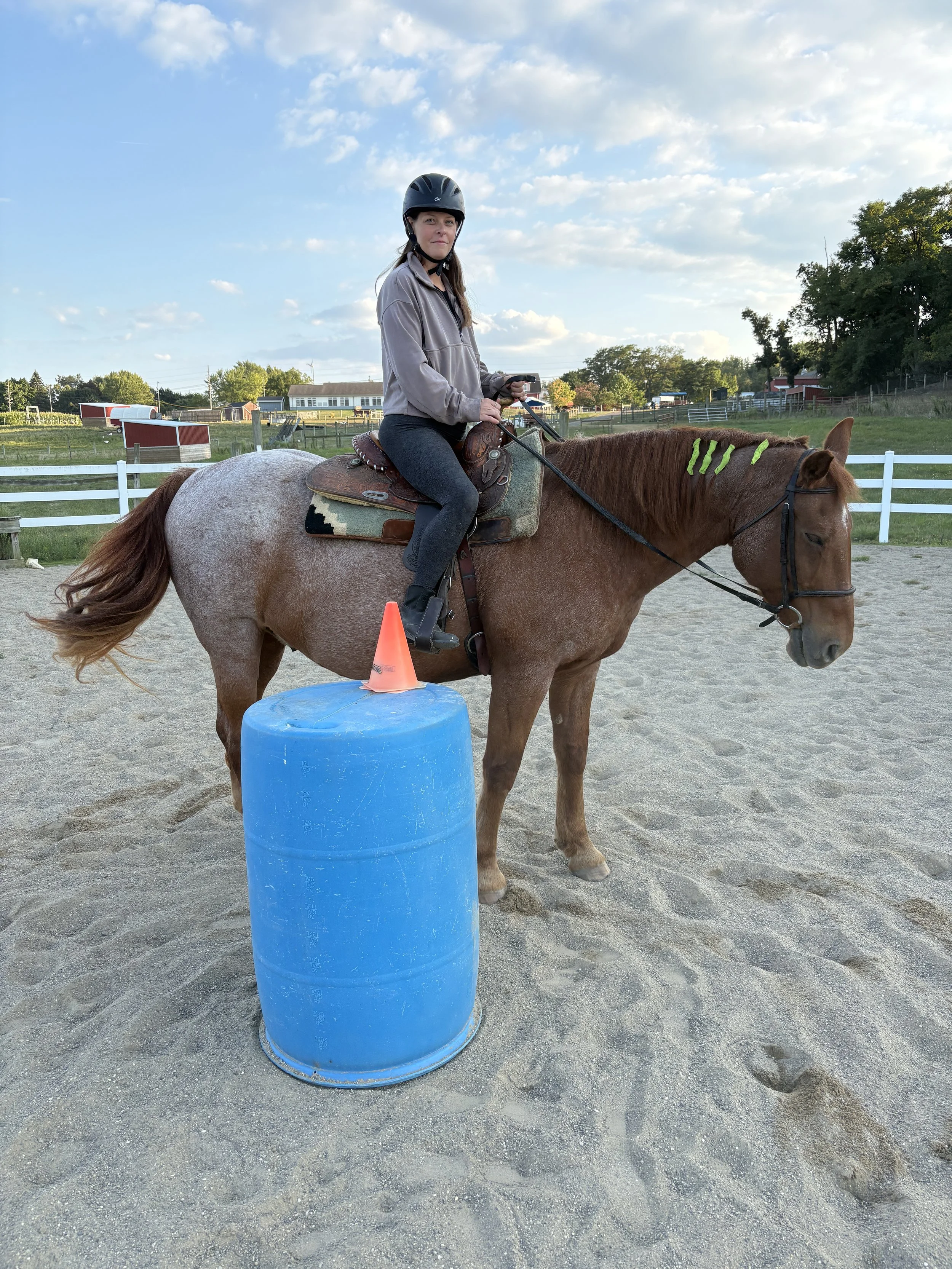
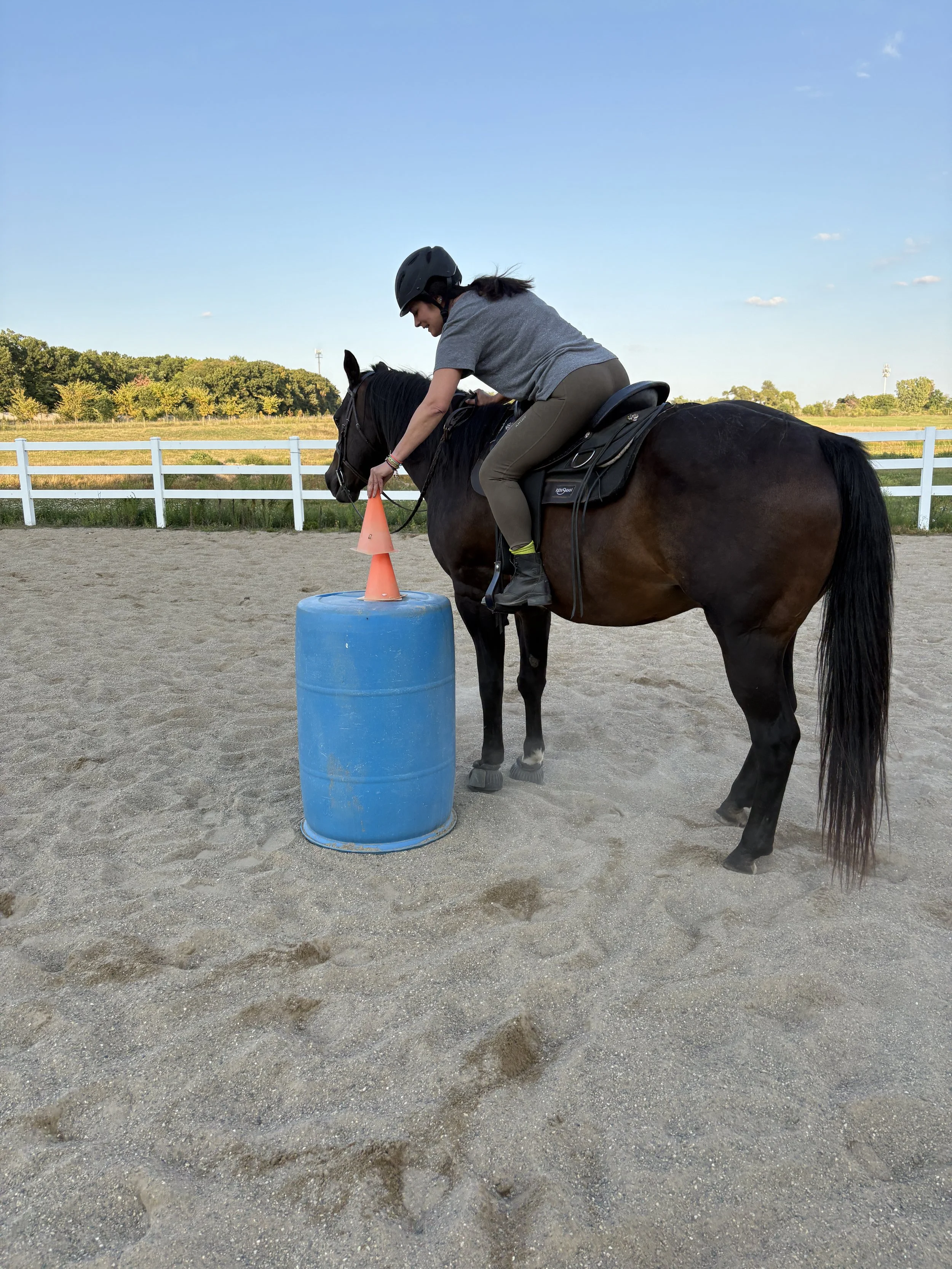
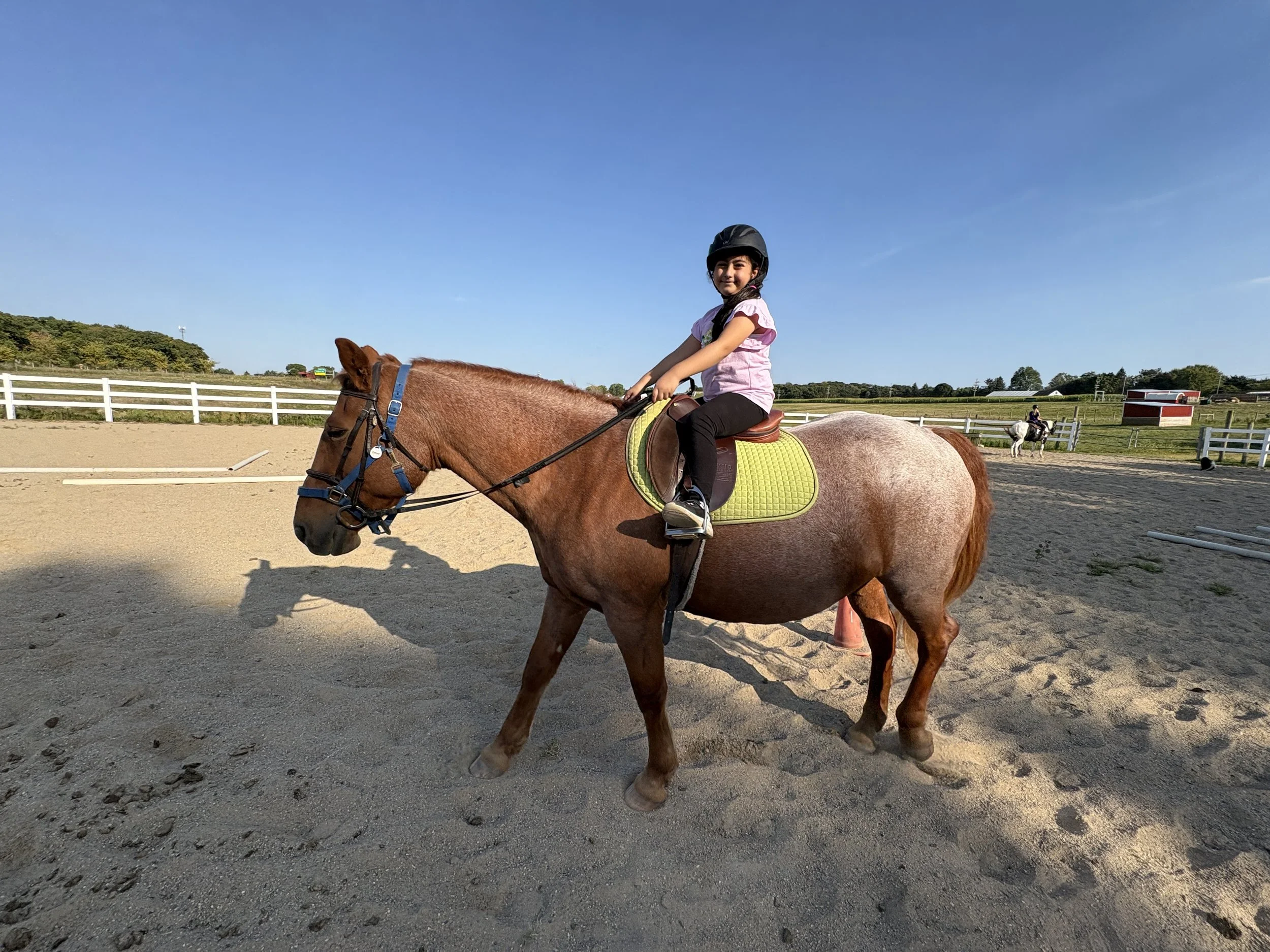

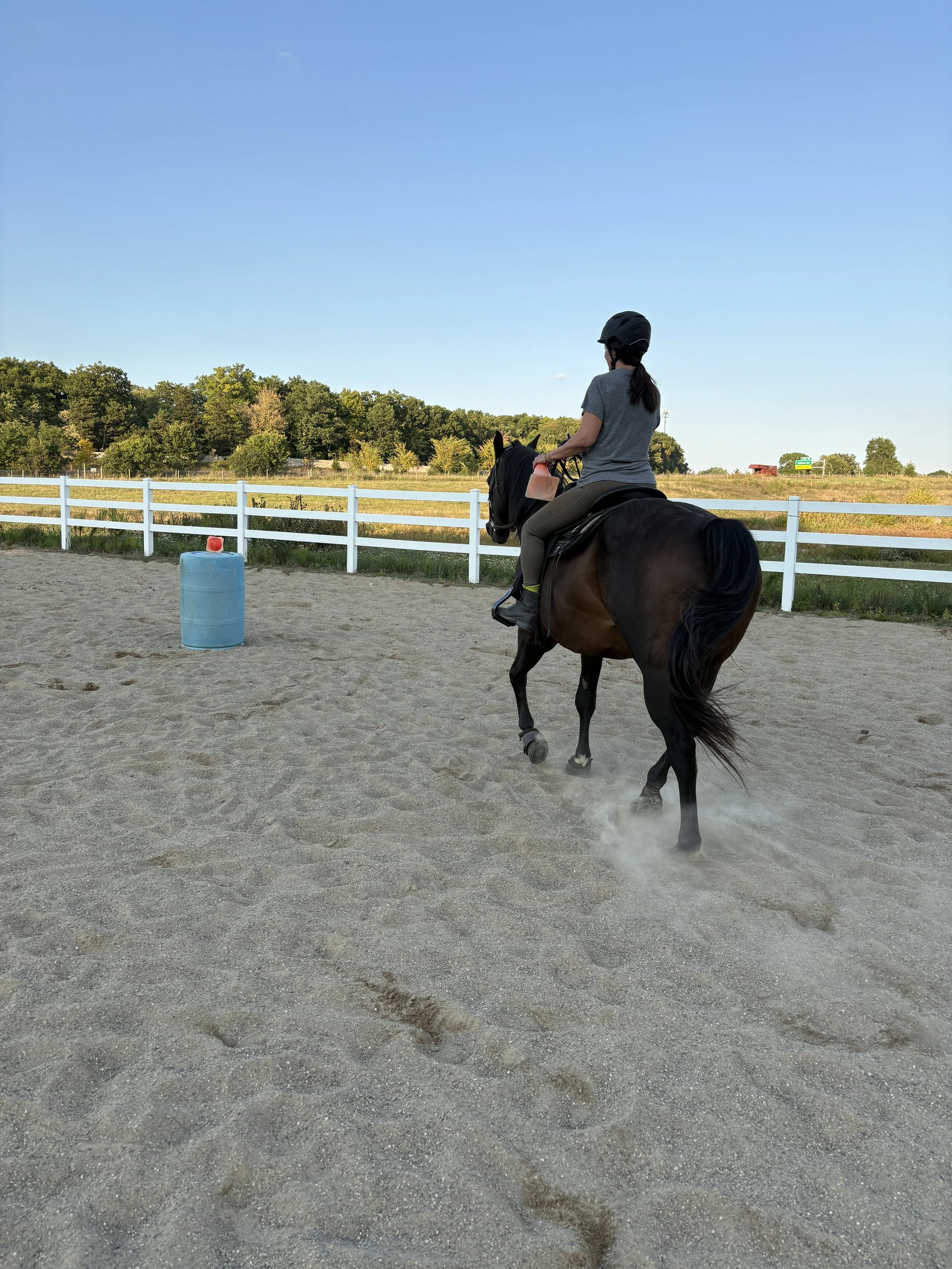
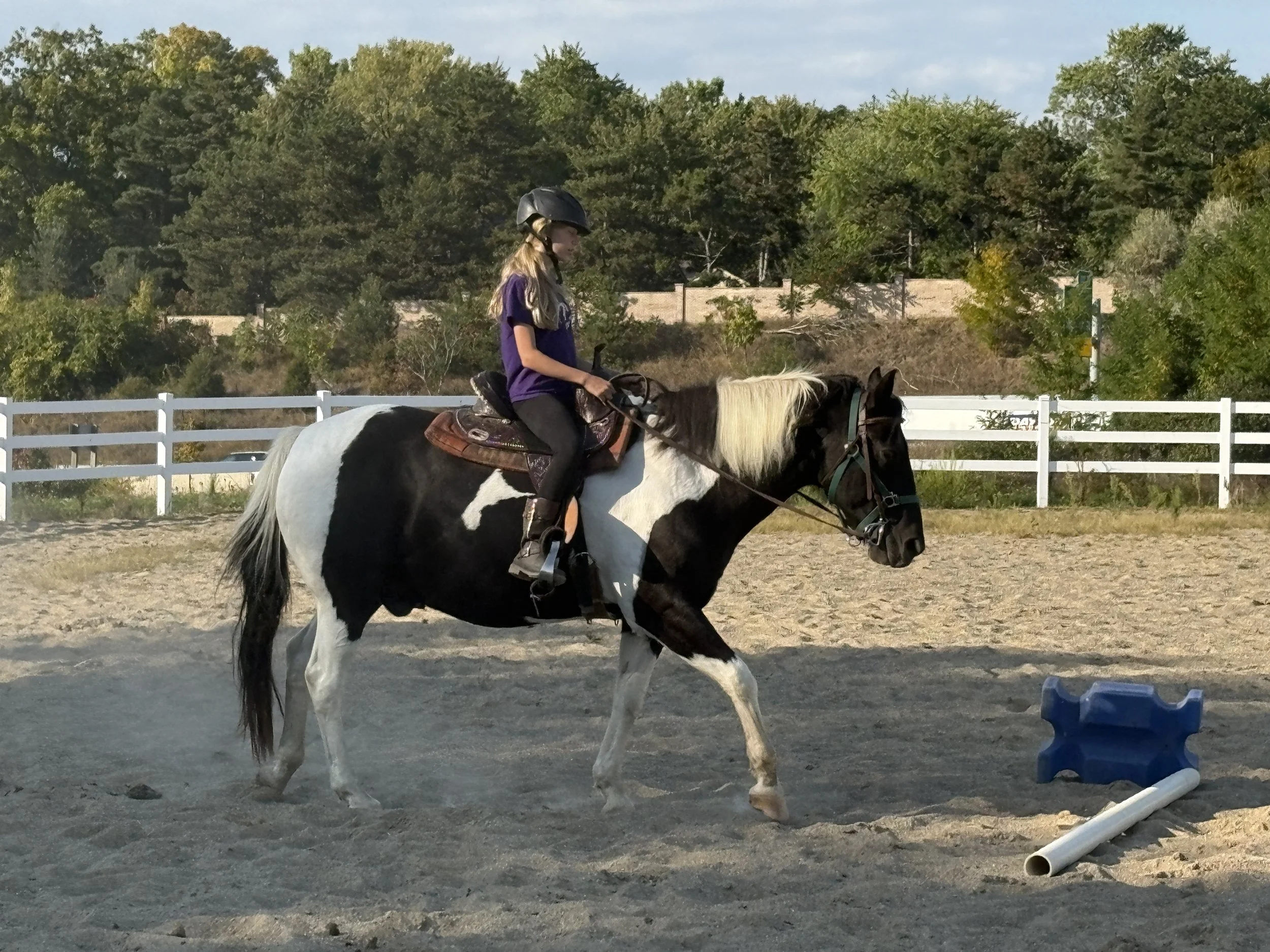

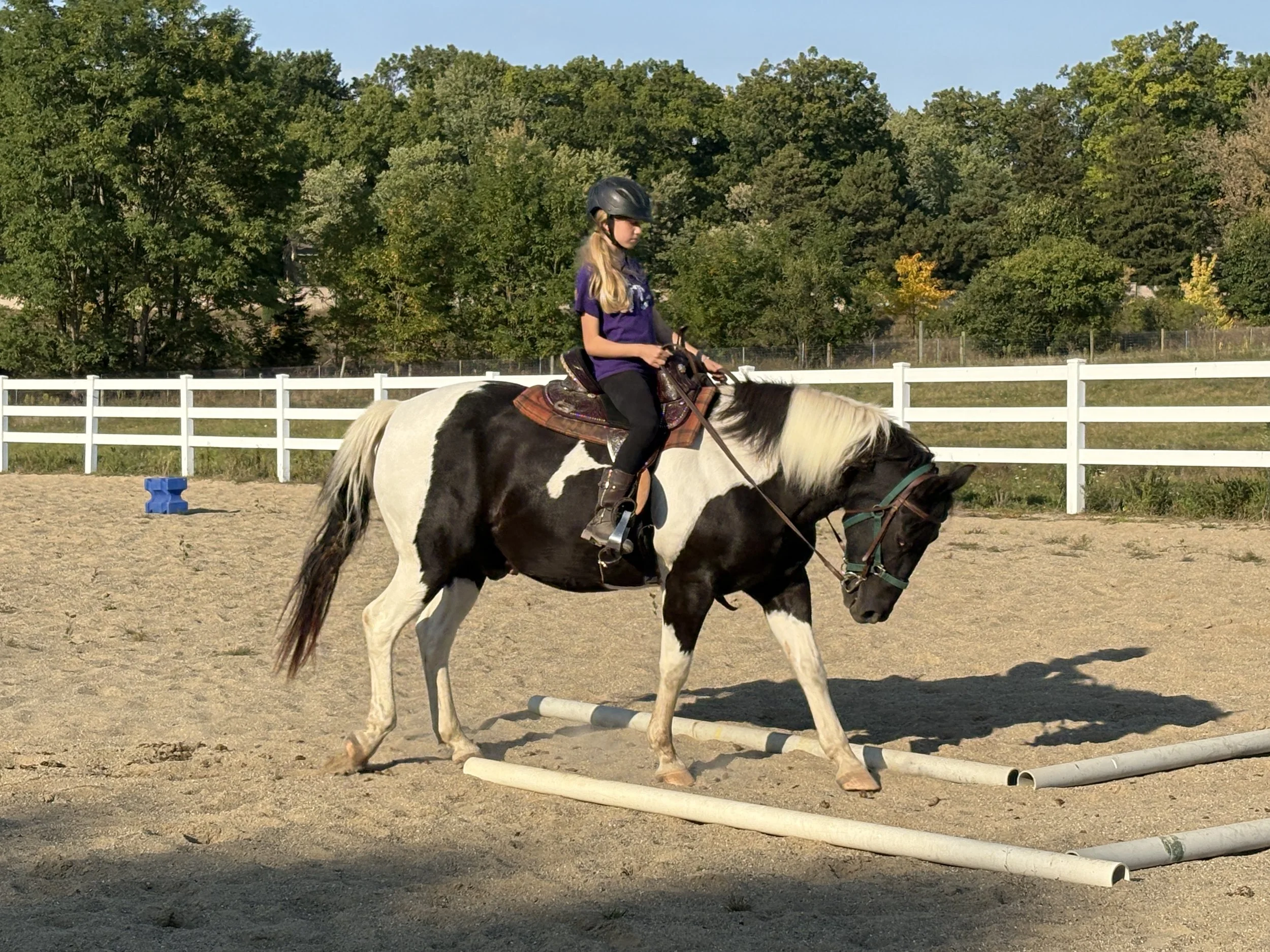
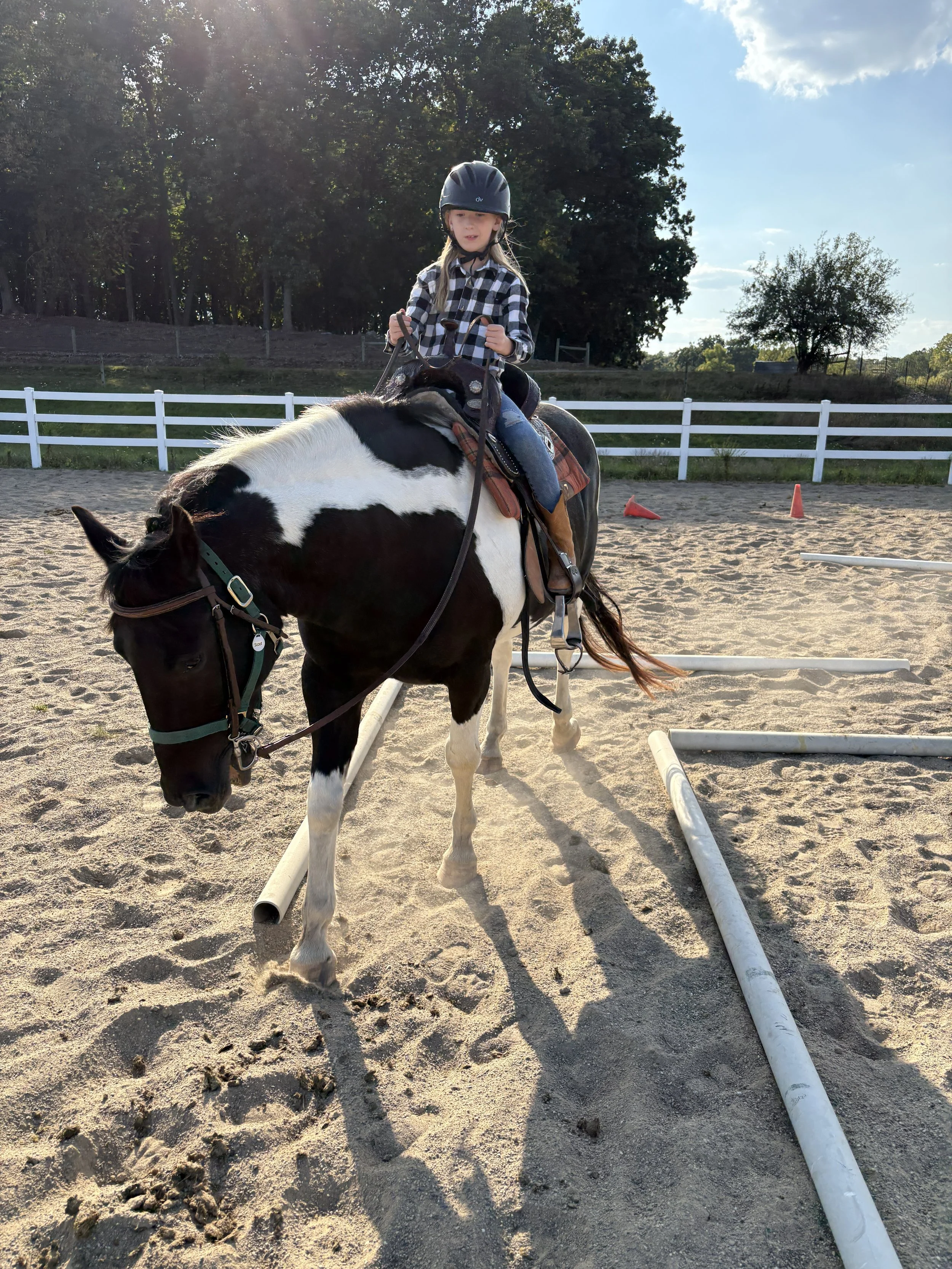

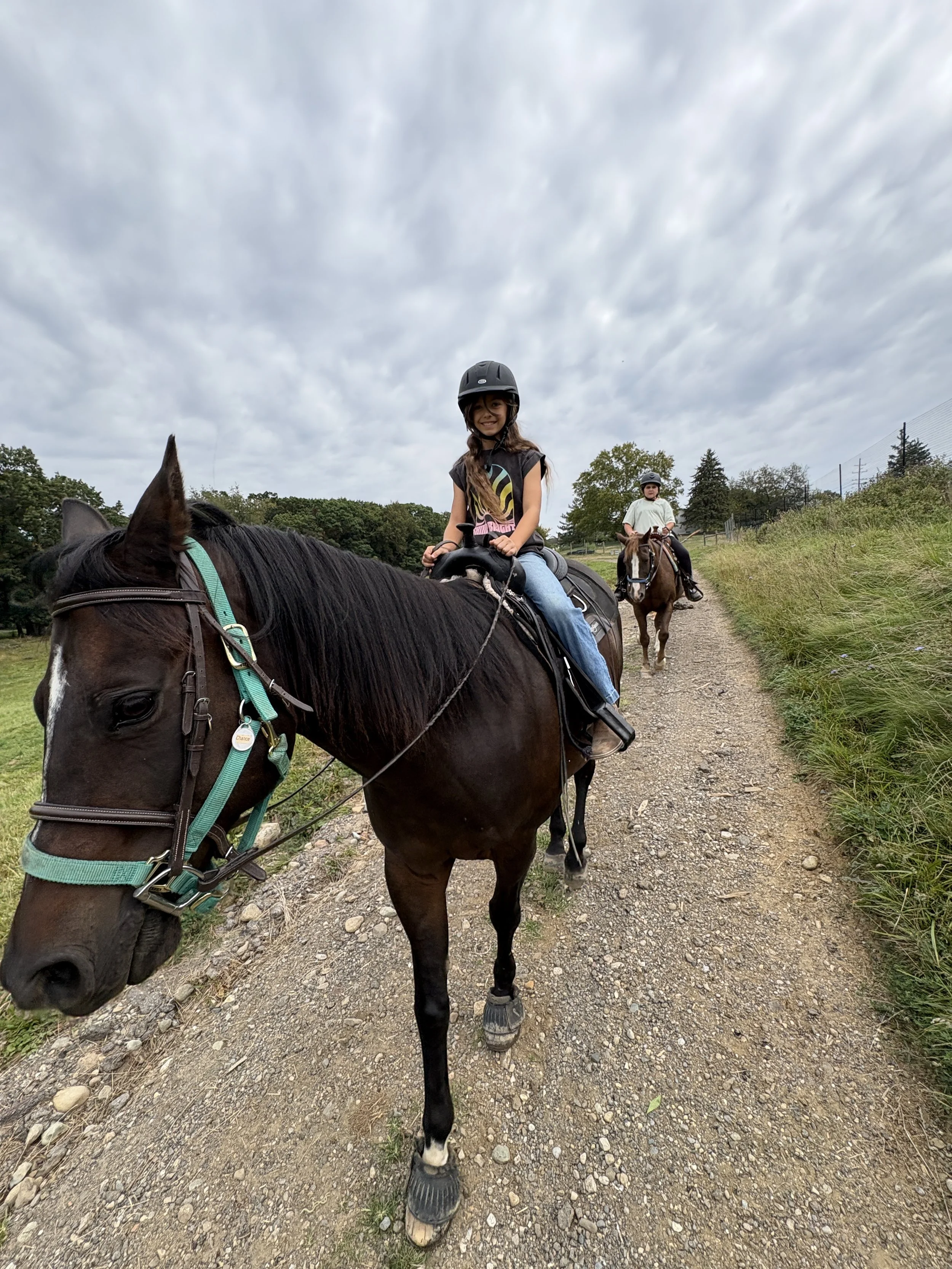





Week One Round-Up!
Let the hooves hit the dirt – we’re back in the saddle again! WEEK 1
Hello students, parents, horse lovers, and curious bystanders who just love a good pony pic – welcome to Week One of Fall Riding School! Whether you’re brand new to the farm or practically galloping into the arena on instinct, we’ve got something exciting for every level this week.
So, what have we been up to? Well, here’s a peek into all the dirt, dust, and delight happening in each level:
🟢 Green Level I – Our Bold New Beginners
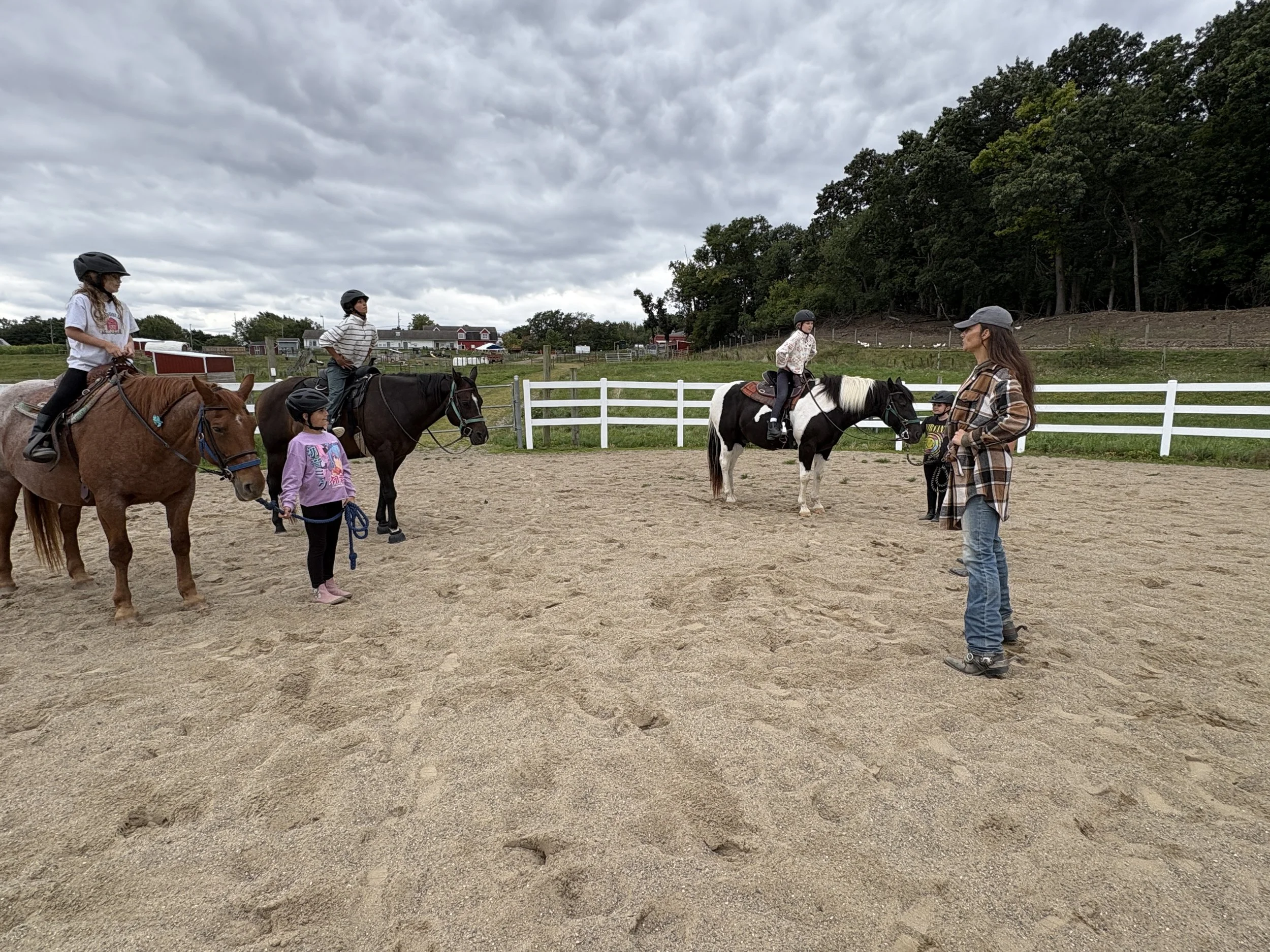
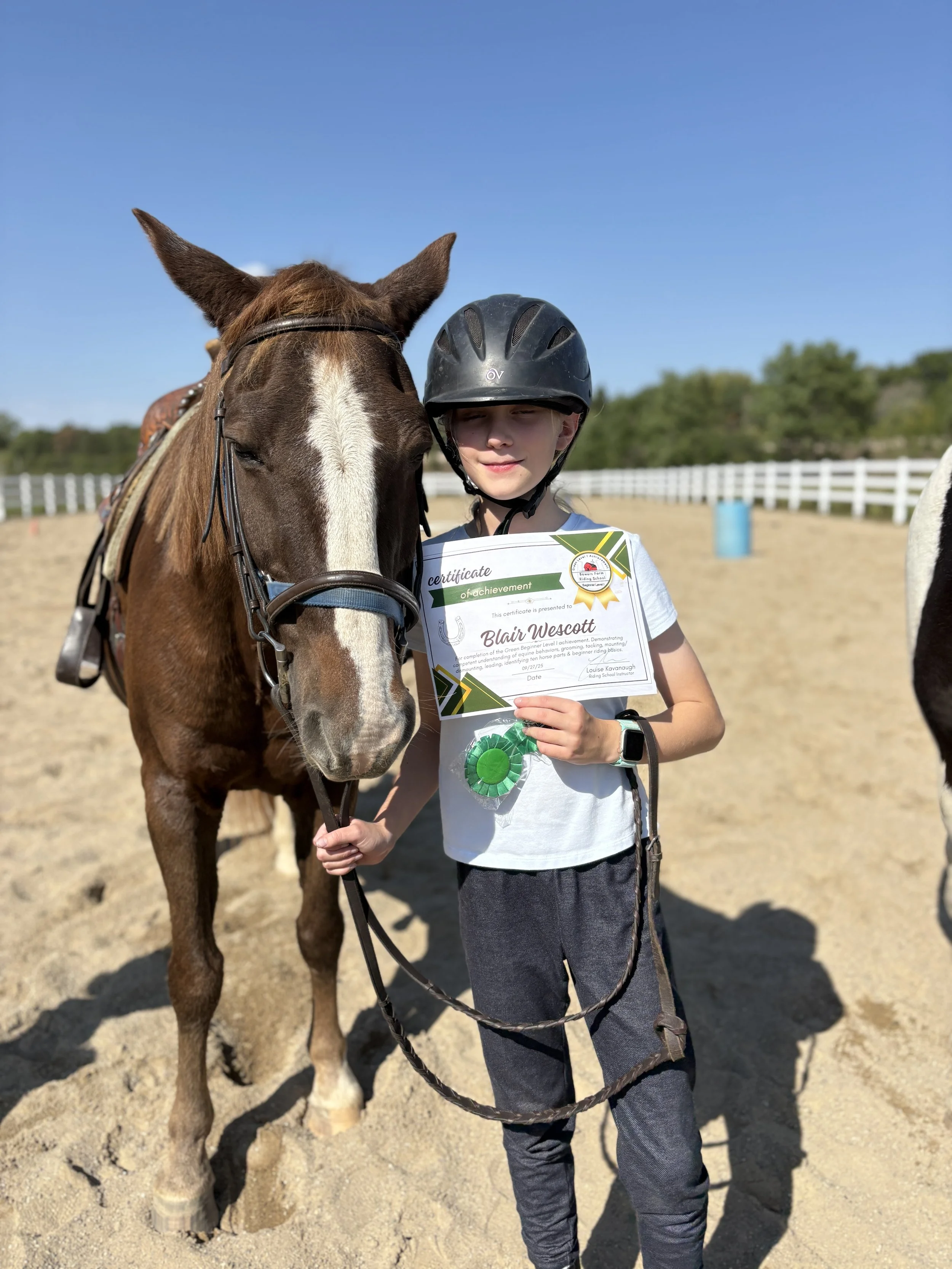
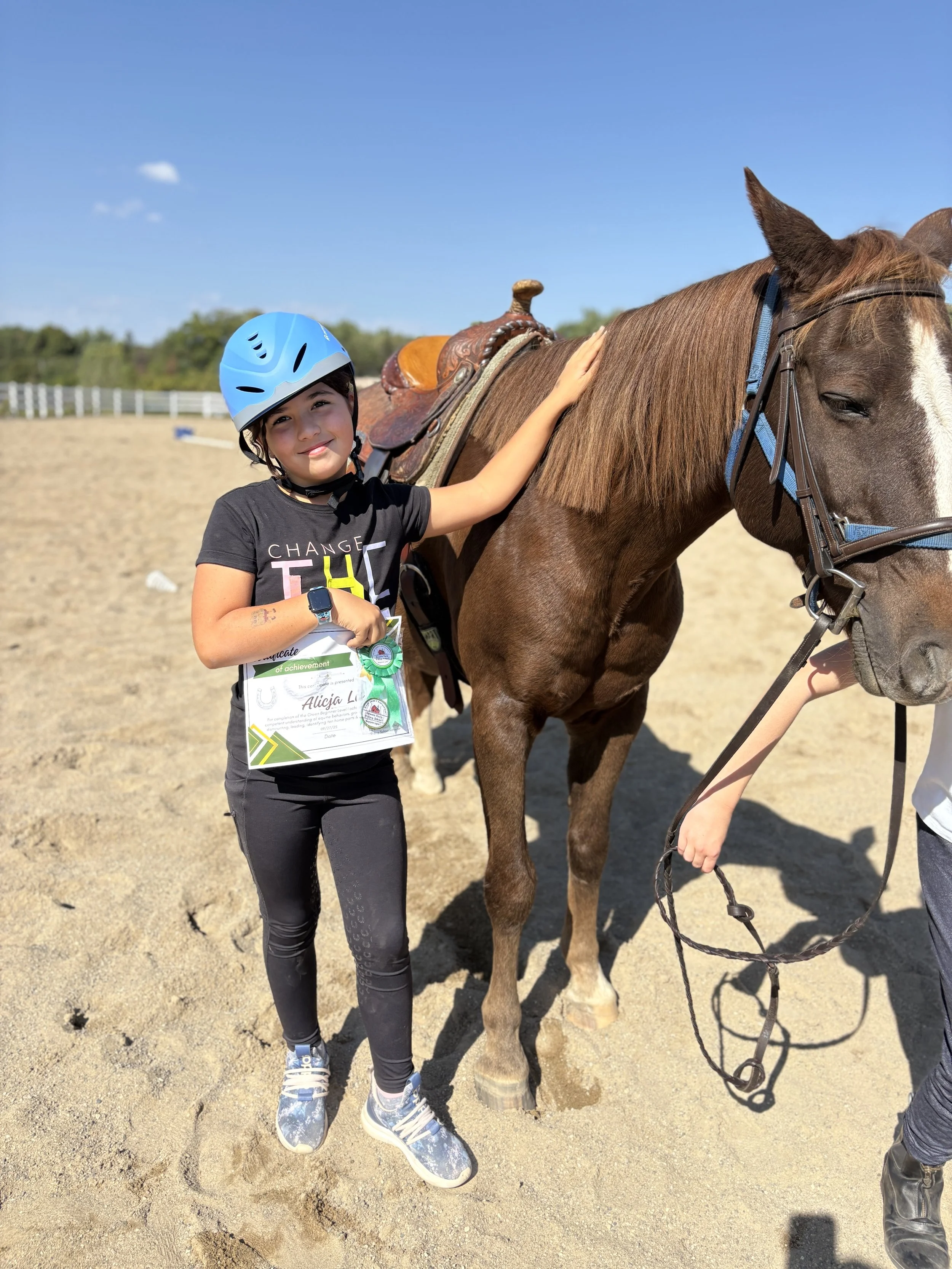
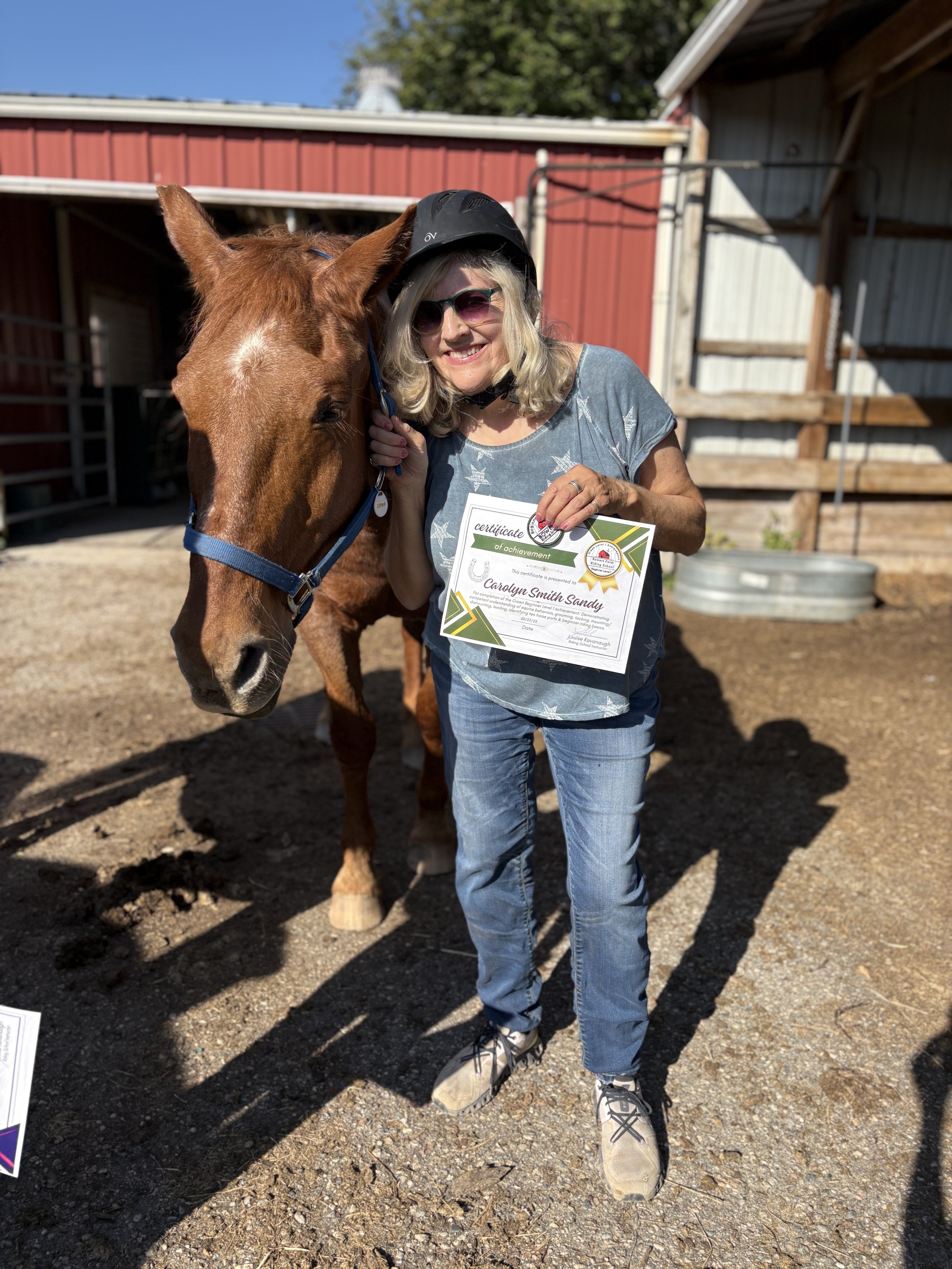
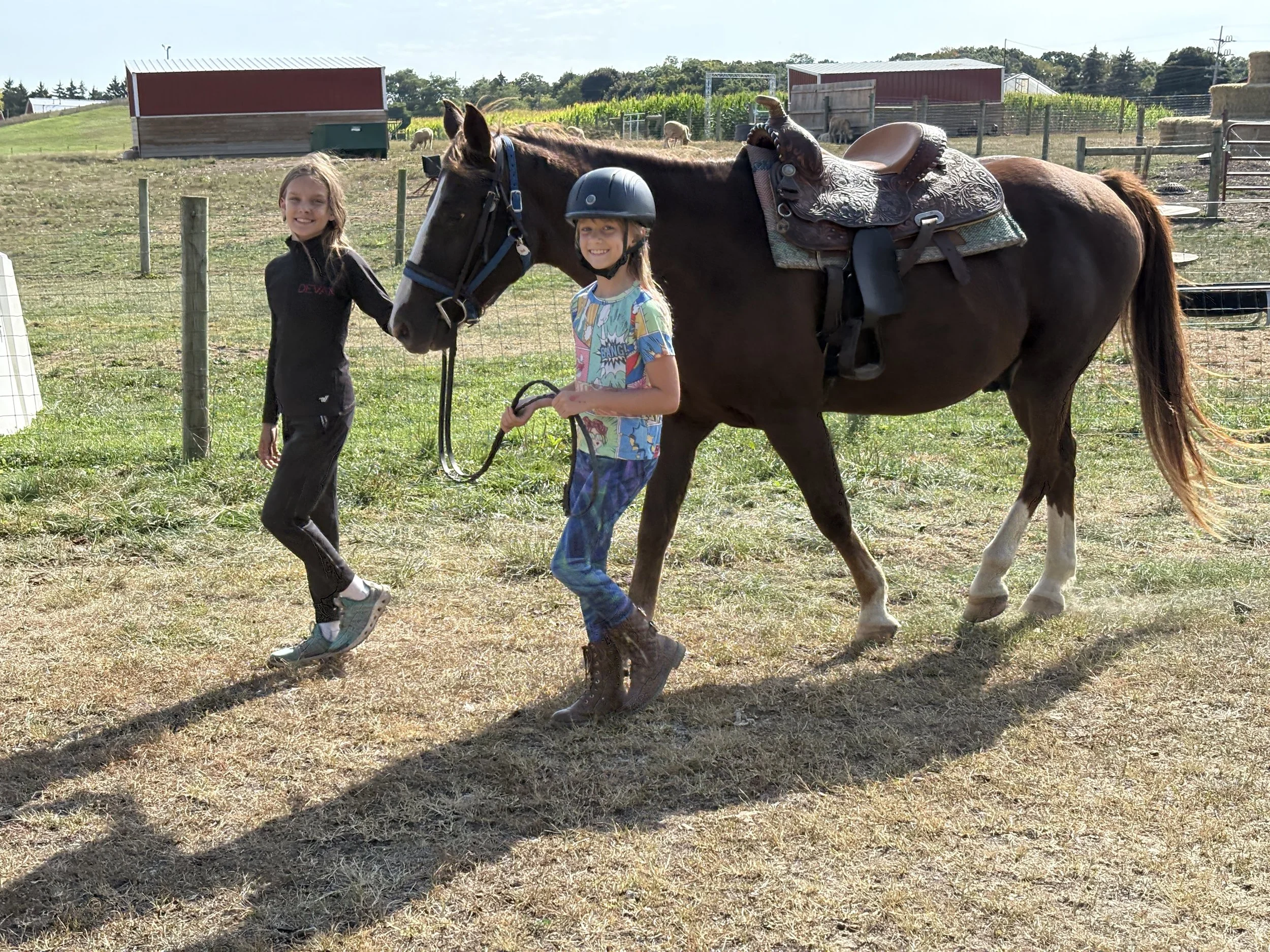
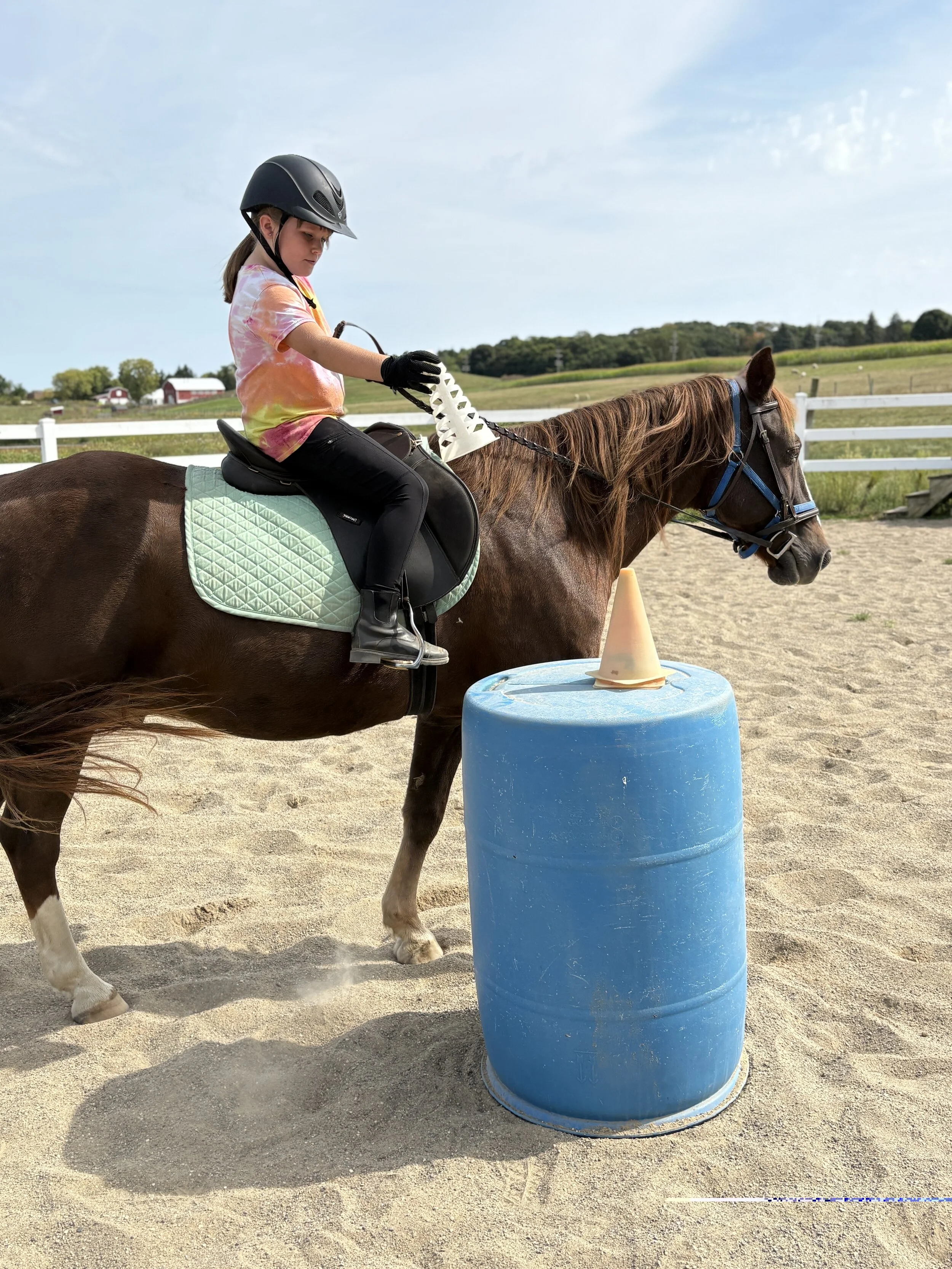
This week, our Green Level I students took their first official steps into the world of horses – and we mean that literally. They met their equine teammates (many of whom are just as curious as their riders) and began learning horse safety, how horses “speak” with body language, and how to groom like pros-in-training.
🧼 Fun Fact: Grooming isn’t just about looking fabulous – it’s also how we check for cuts, scrapes, and sore spots. It’s like a horsey spa plus a health check-up!
They also learned how our farm program works, from feed time to horse nap time (yes, they nap standing up and lying down – jealous?).
💗 Pink Level II – Building Bonds and Balance
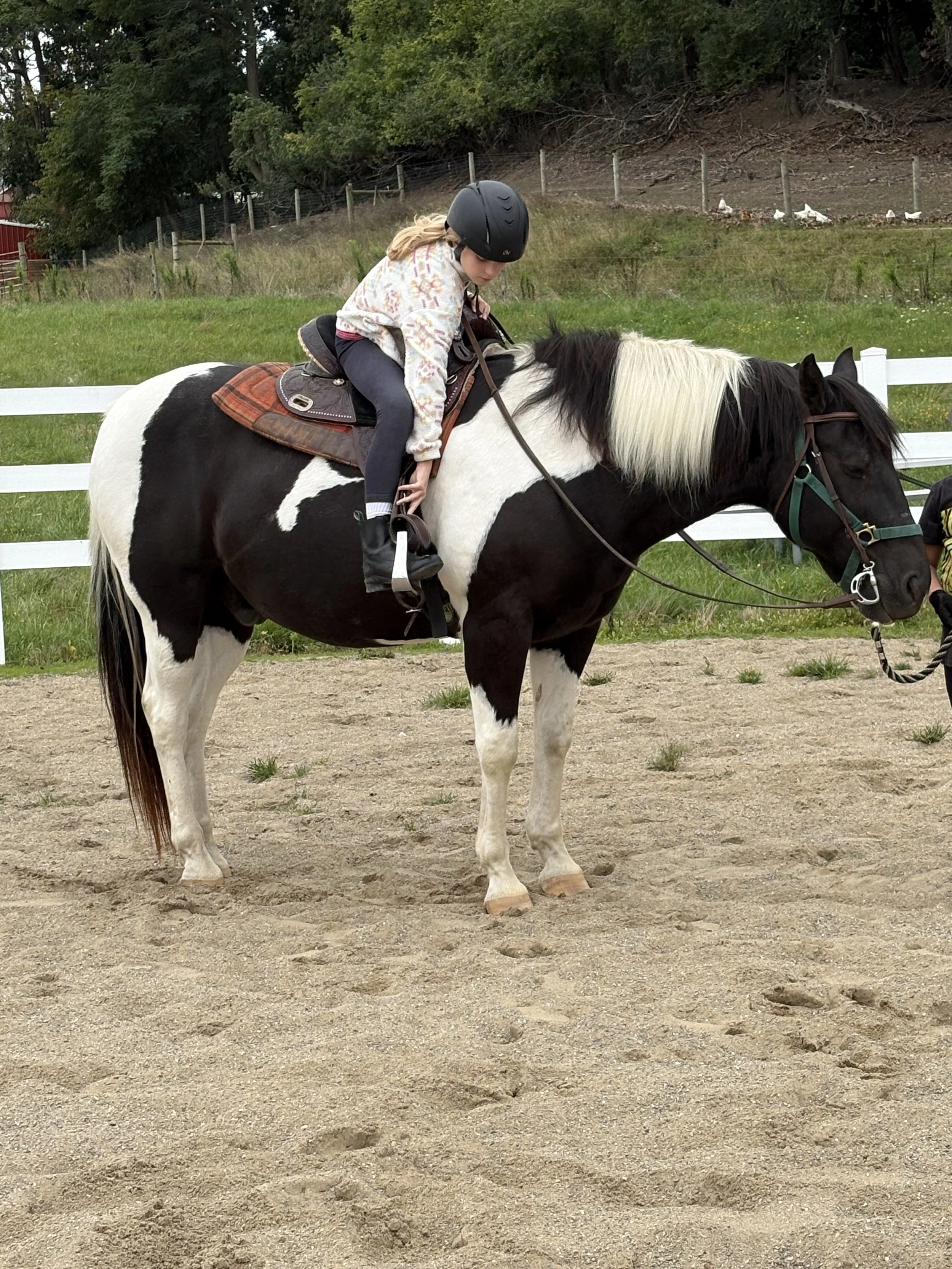
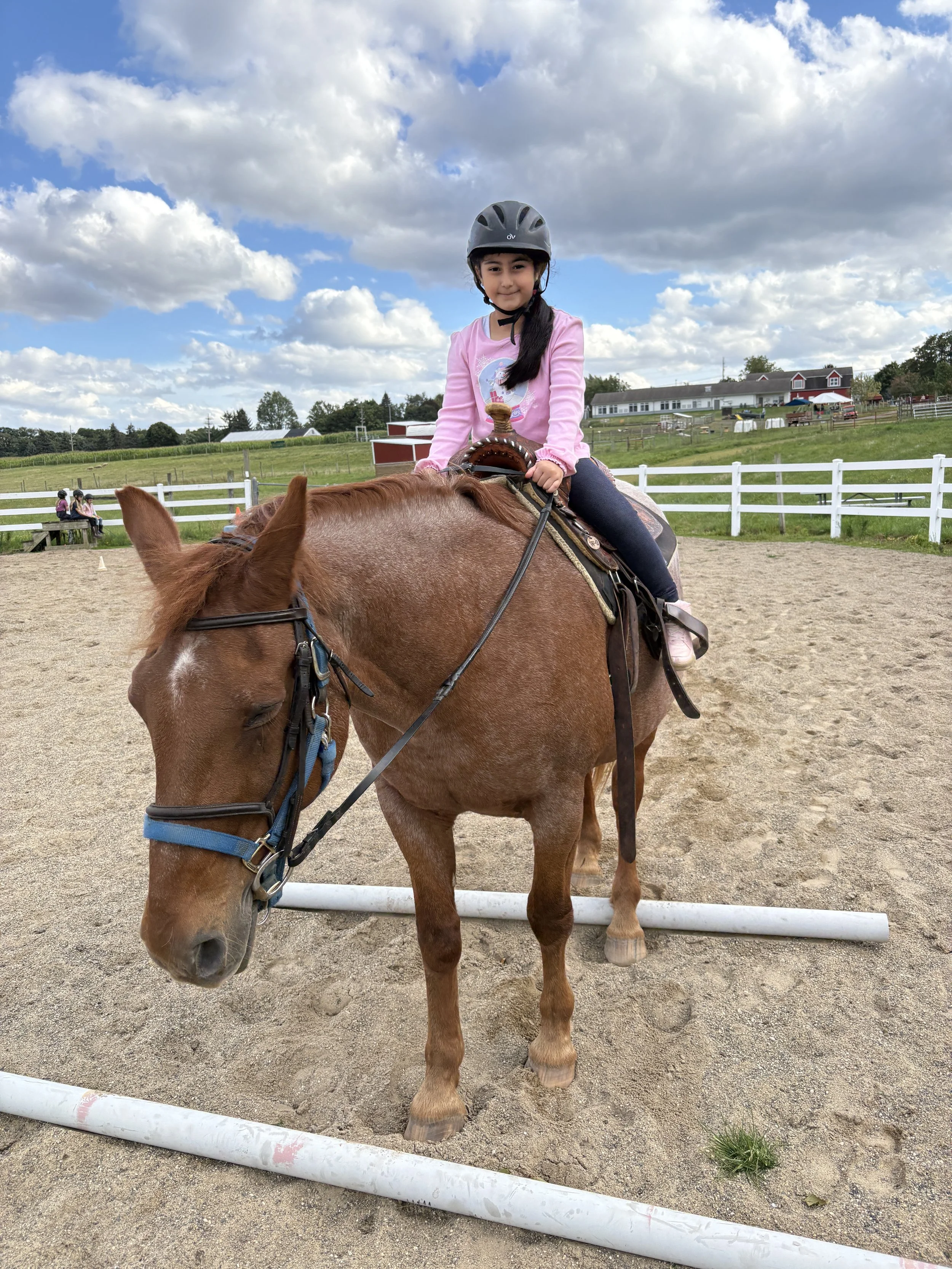
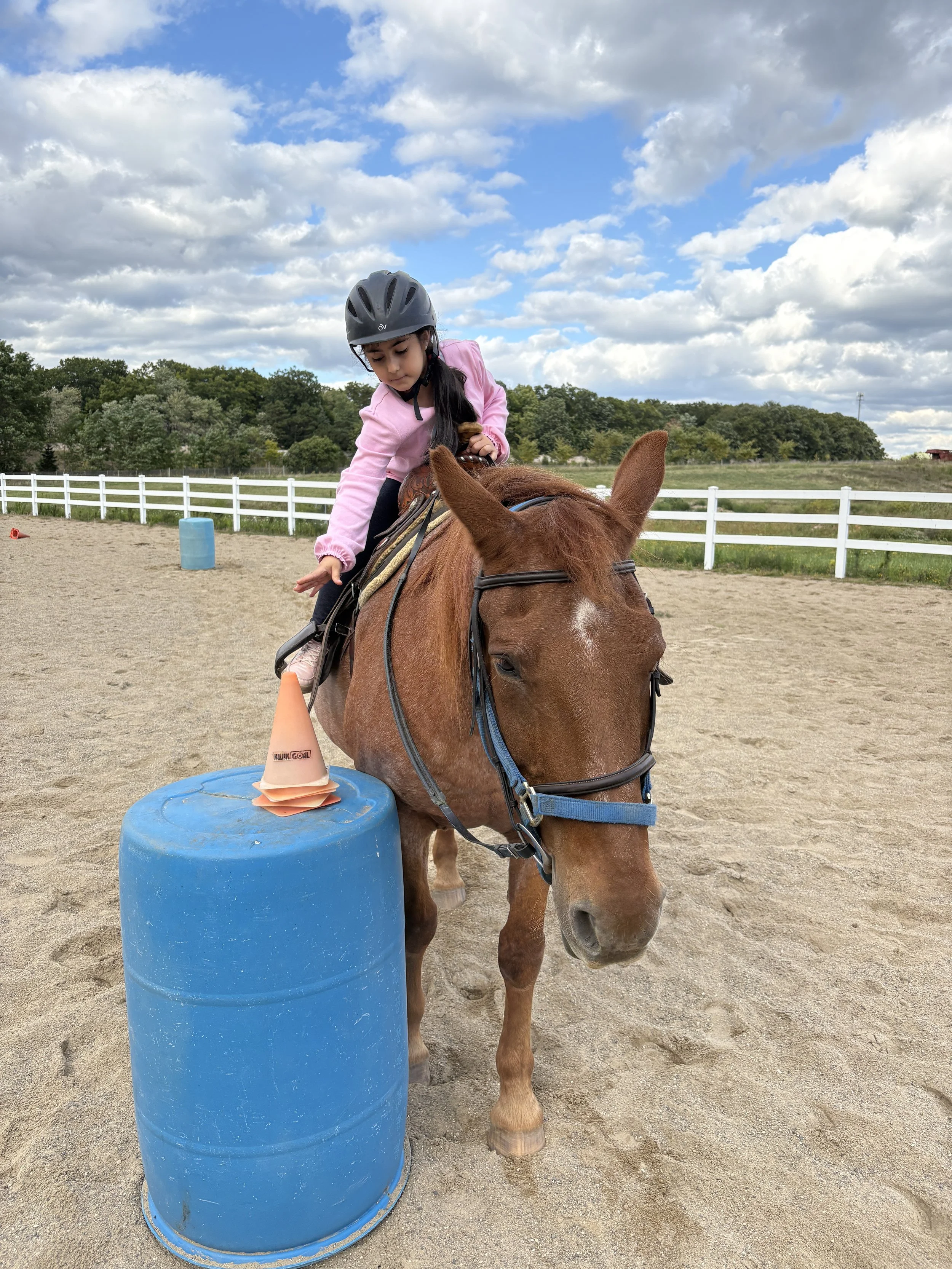
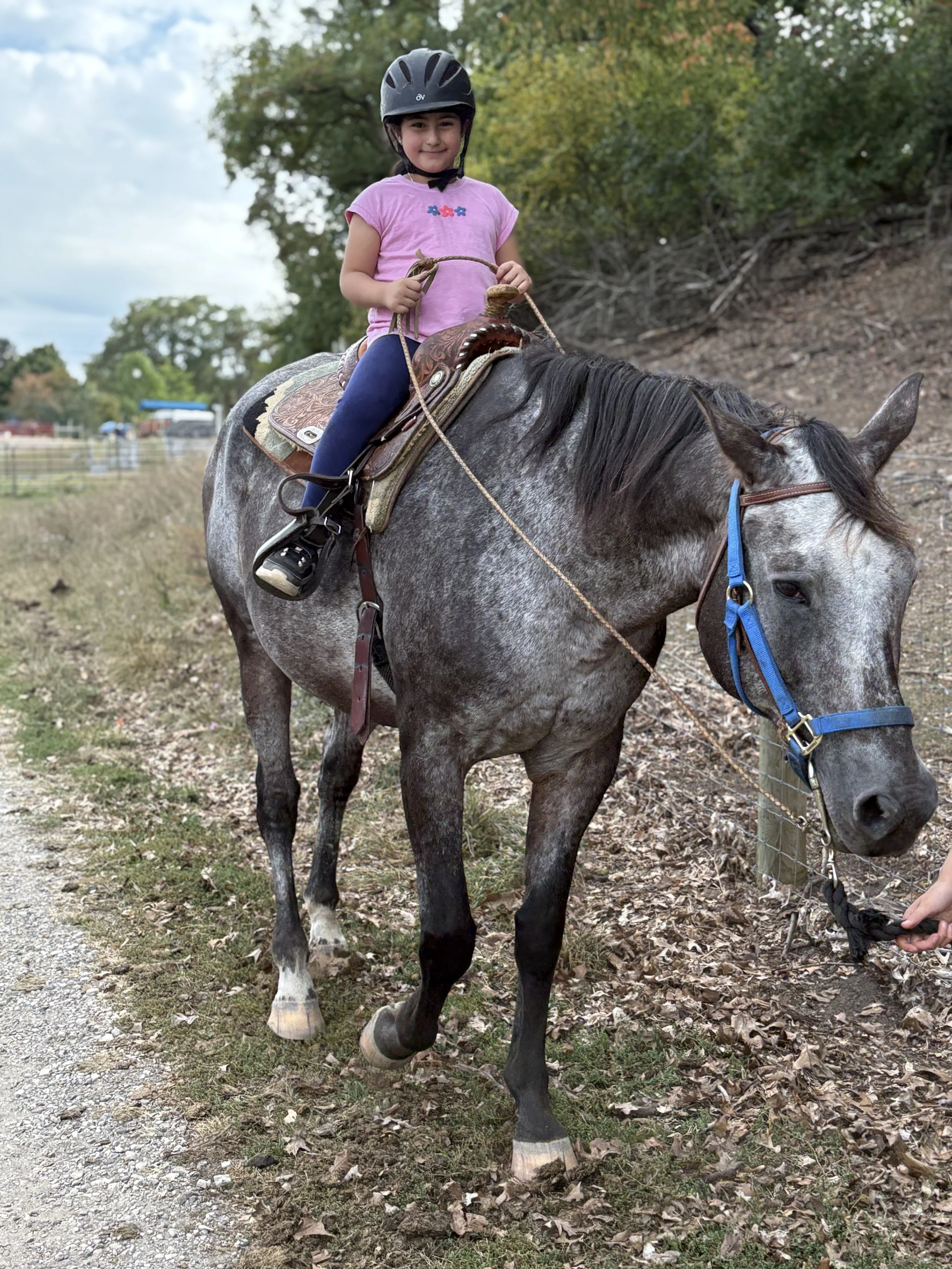
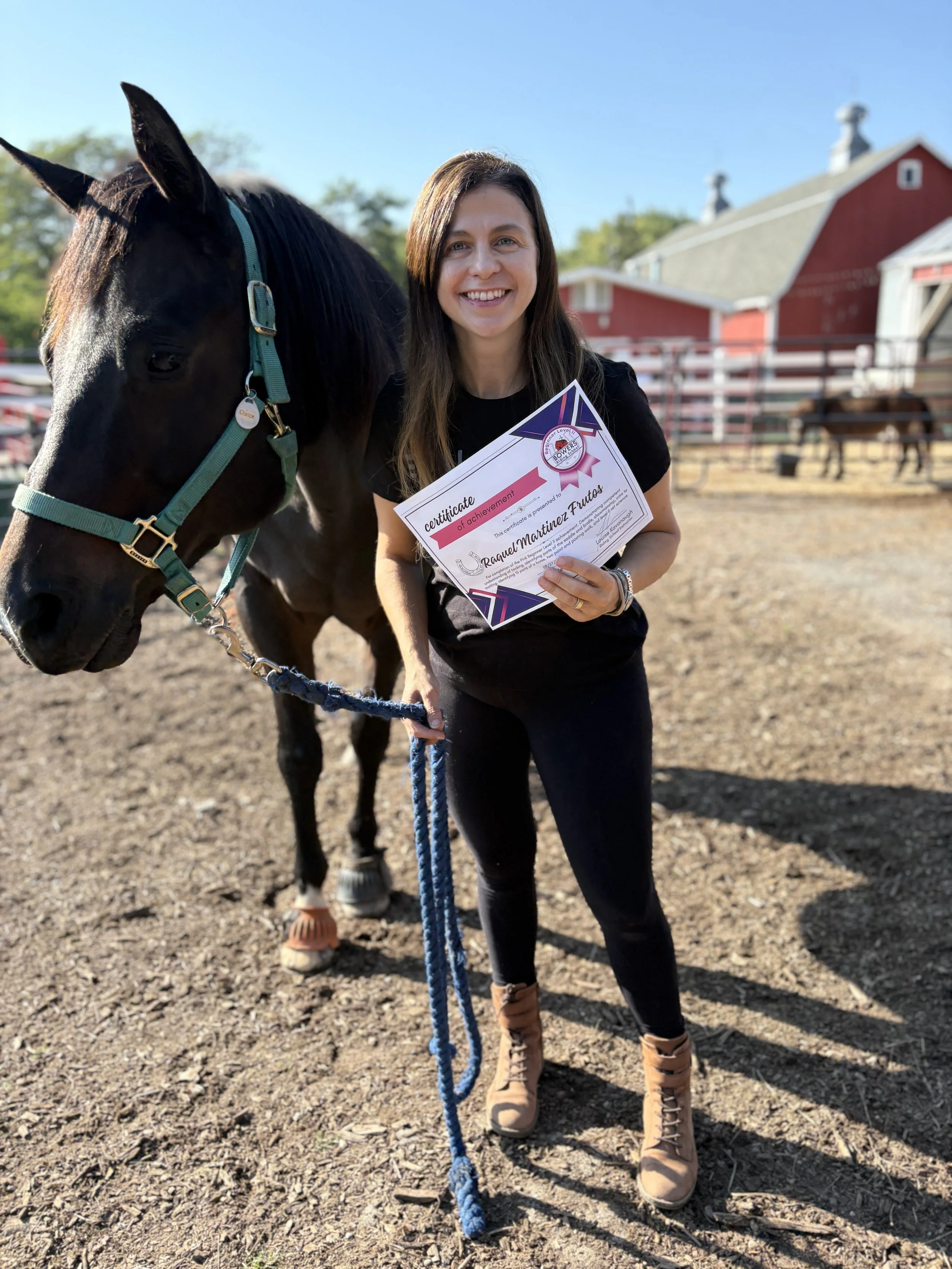
Our Pink riders are no longer “newbies” – they’re horse partners-in-progress! This week, they met their horse partners and started creating real bonds. We’re talking brushing, leading, tacking up (putting the saddle and bridle on), and of course, learning how to communicate clearly with their equine BFFs.
🐎 Riding Review Time:
We’re reinforcing key basics like:
Mounting and dismounting (with grace… or at least giggles)
Proper seat position (sit up tall, heels down)
How to hold the reins (not like spaghetti, please)
Steering and stopping at a walk
Balance and muscle work – cue those core-strengthening exercises!
💡 Horse Fact: Horses have nearly 360° vision – but there’s a blind spot right in front of their nose and directly behind their tail. That’s why we always talk to them when approaching!
⚪ White Level II – Trotting into New Territory
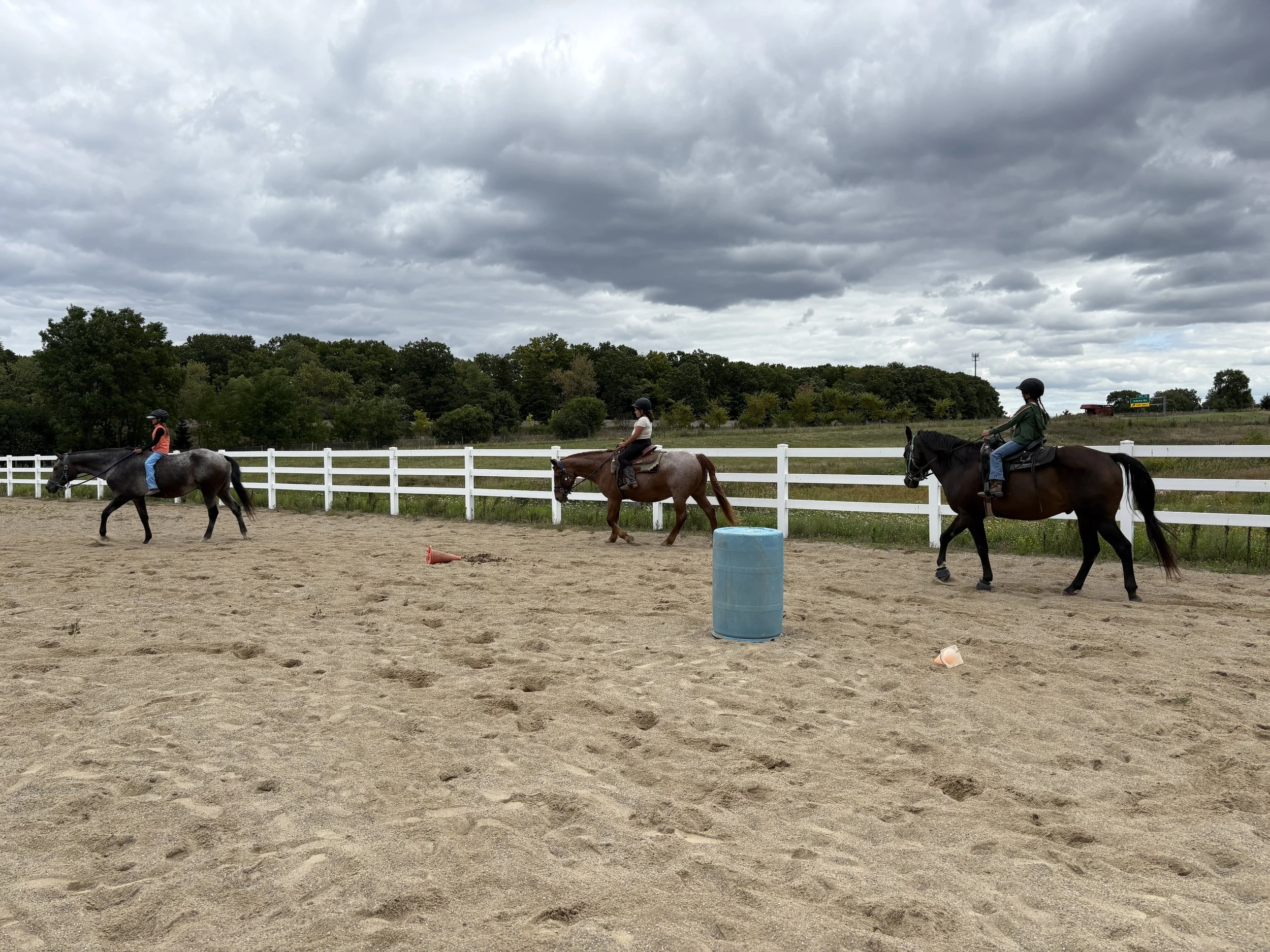
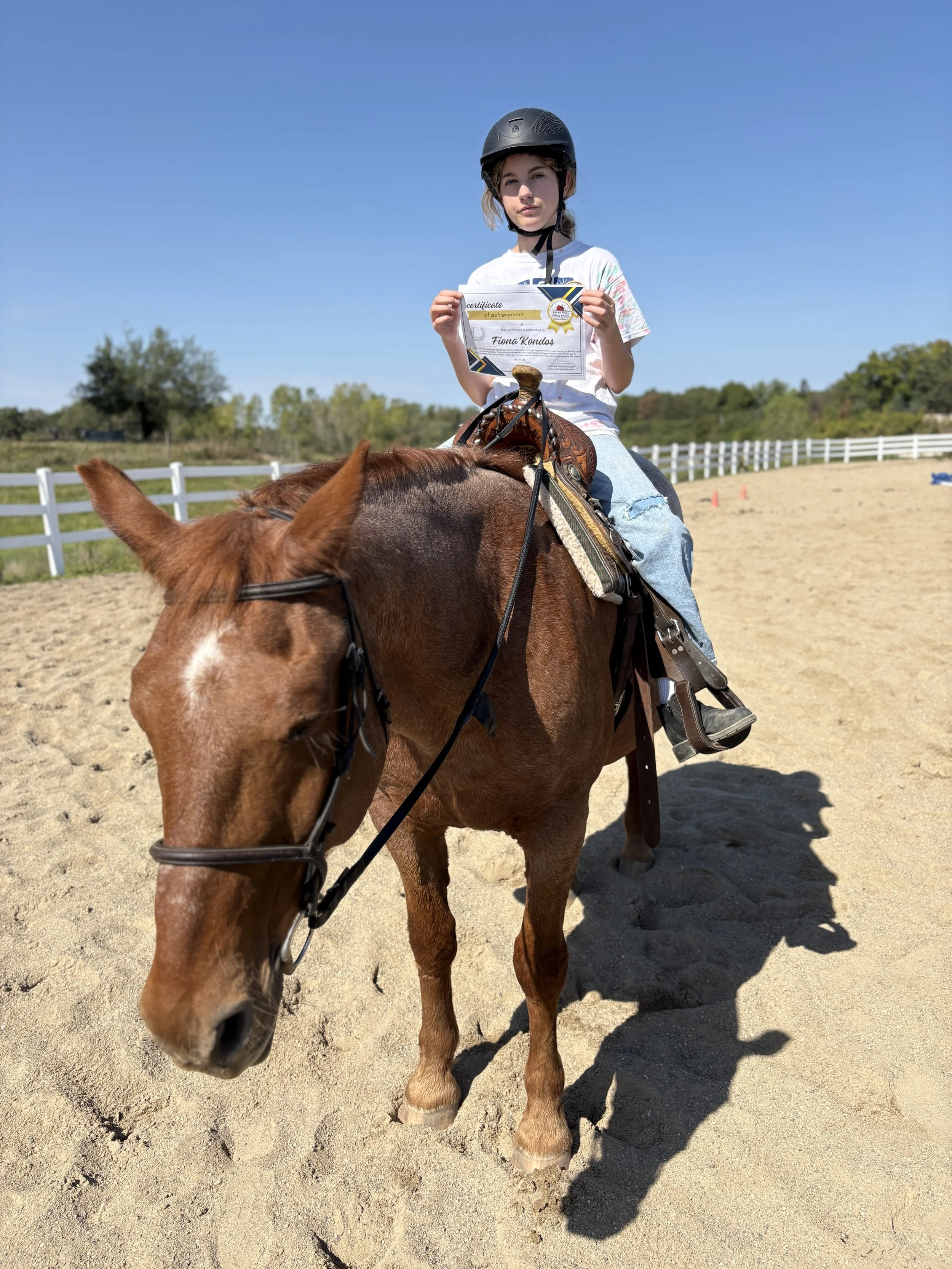
This week, our White riders took things up a trot – literally! They’re continuing with their horse partners, reinforcing that growing bond, and learning how to start and stop a trot with confidence and control.
📚 In the barn classroom, we covered 10 Key Parts of the Horse:
Poll
Withers
Barrel
Croup
Frog (not a real frog – it’s in the hoof!)
Forelock
Mane
Muzzle
Pastern
Cannon Bone
🐴 Fun Equine Fact: The frog acts as a shock absorber for the horse’s foot. It’s squishy, weird, and super important!
White Level students also explored the parts of the saddle, including:
Pommel (the front rise)
Cantle (the back part)
Stirrup and stirrup leathers (where your feet go)
Girth or cinch (what keeps the saddle from becoming a horse-hula-hoop)
💛 Yellow Level – Trotting Like Pros, Canter in Sight
Yellow students are really moving now! With lots of trotting time in the saddle, these riders are building serious muscle, balance, and stamina. We’re focusing on independence, refining trot control, and drumroll please – getting ready to introduce the canter on a lunge line.
🌪️ Canter Quick Tip: It’s a three-beat gait and feels like flying – with a seatbelt made of confidence and thigh muscles!
We’re also working on transitions (walk to trot and back), keeping heels down, and steering with subtle cues – no tugboats here!
🔴 Red Level – Our Advanced Youth Riders
Red riders are our top-level youth, and they are 🔥on fire🔥 this fall! They’re focusing on:
Independent riding (no instructor micromanaging every step)
Lots of trotting and smooth canter work
Circles, changes of direction, and transitions with finesse
Starting to learn more about fluidity, timing, and feel
🎯 We also began discussions about soft hands, proper timing with aids (legs, seat, hands), and how to ride like you're part of the horse – not just on top of one.
🐎 Advanced Fact: Horses can feel a fly land on them – which means they definitely feel it when you shift your seat. Subtlety is everything at this level!
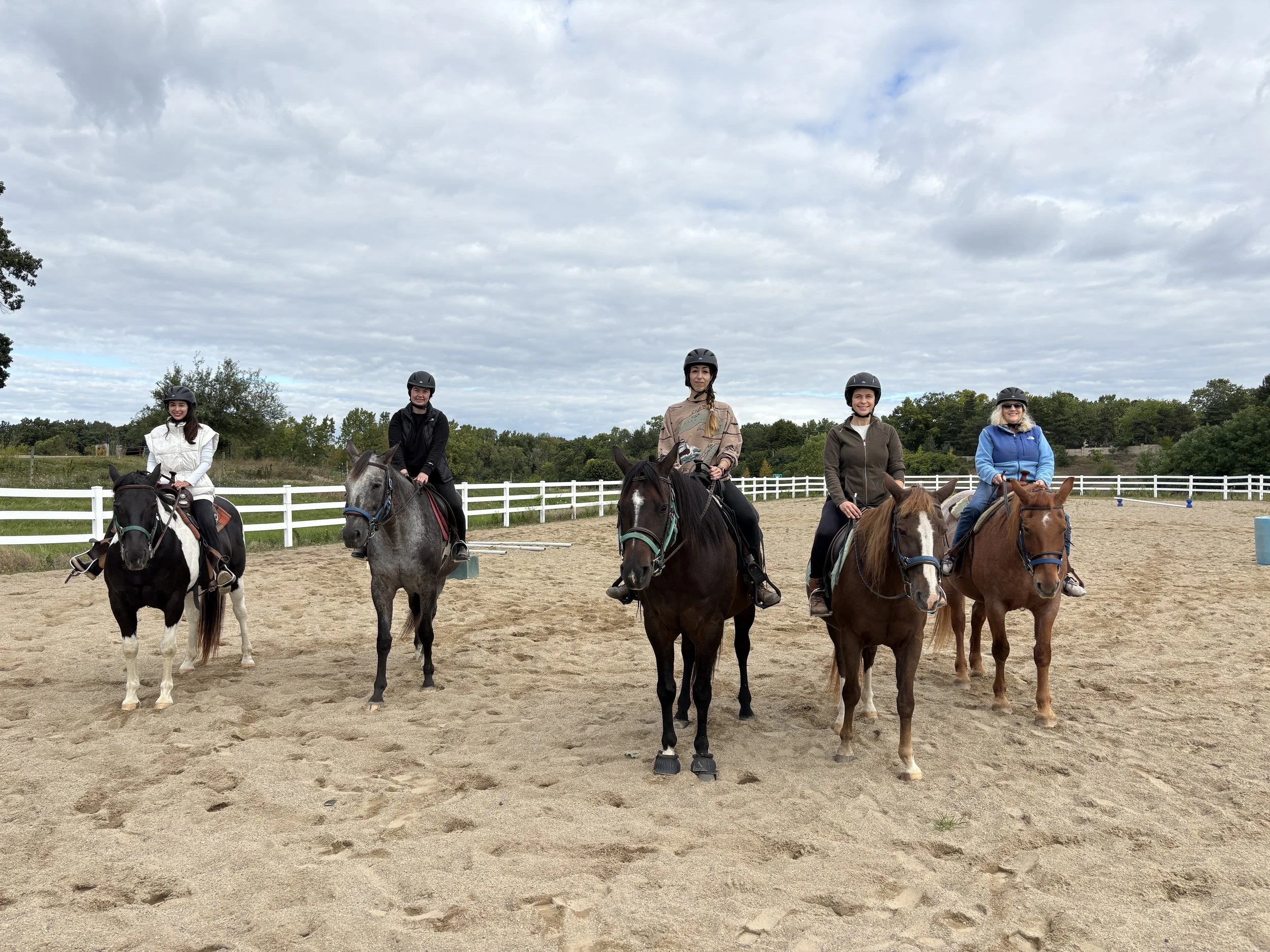
🧡 Adult Classes – From First Rides to Fancy Roping
🐴 Advanced Adults:
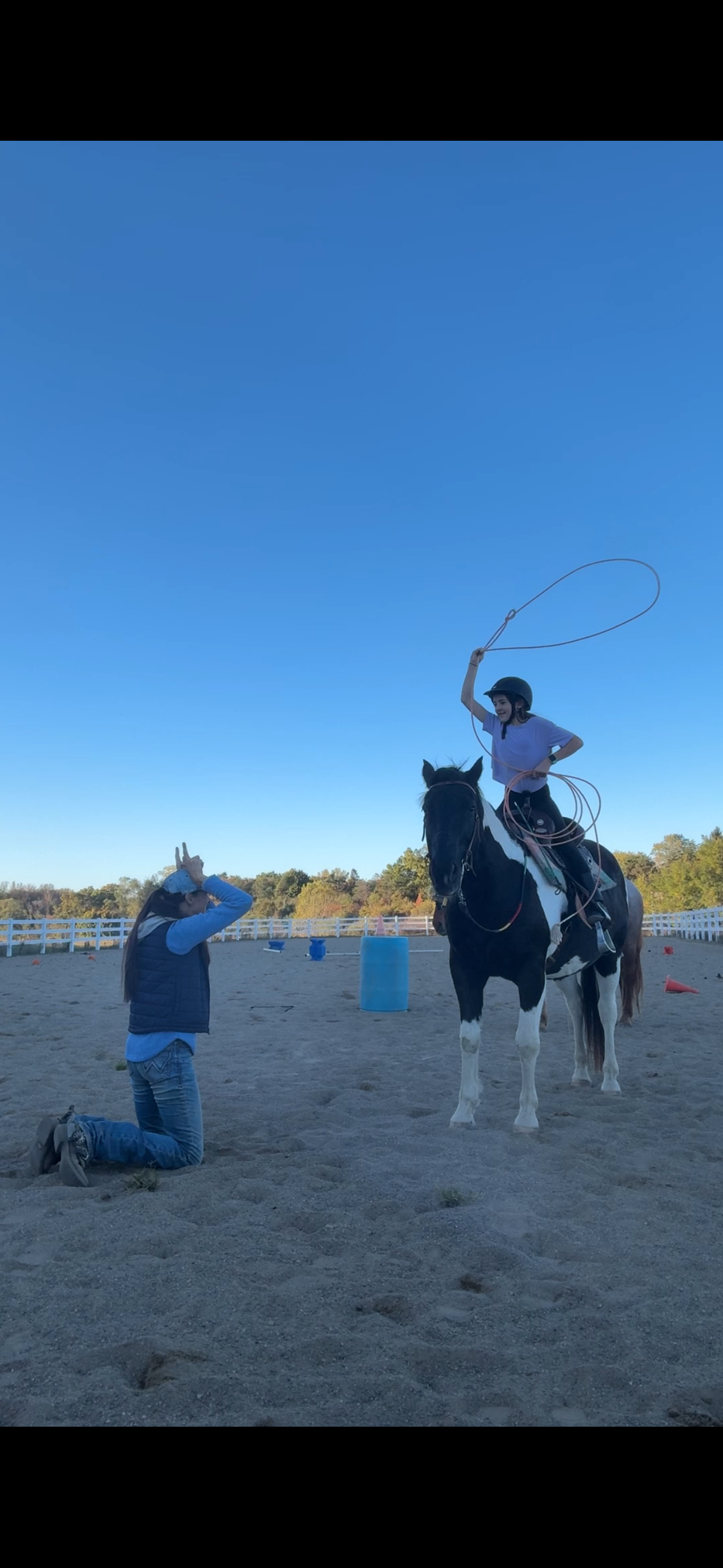
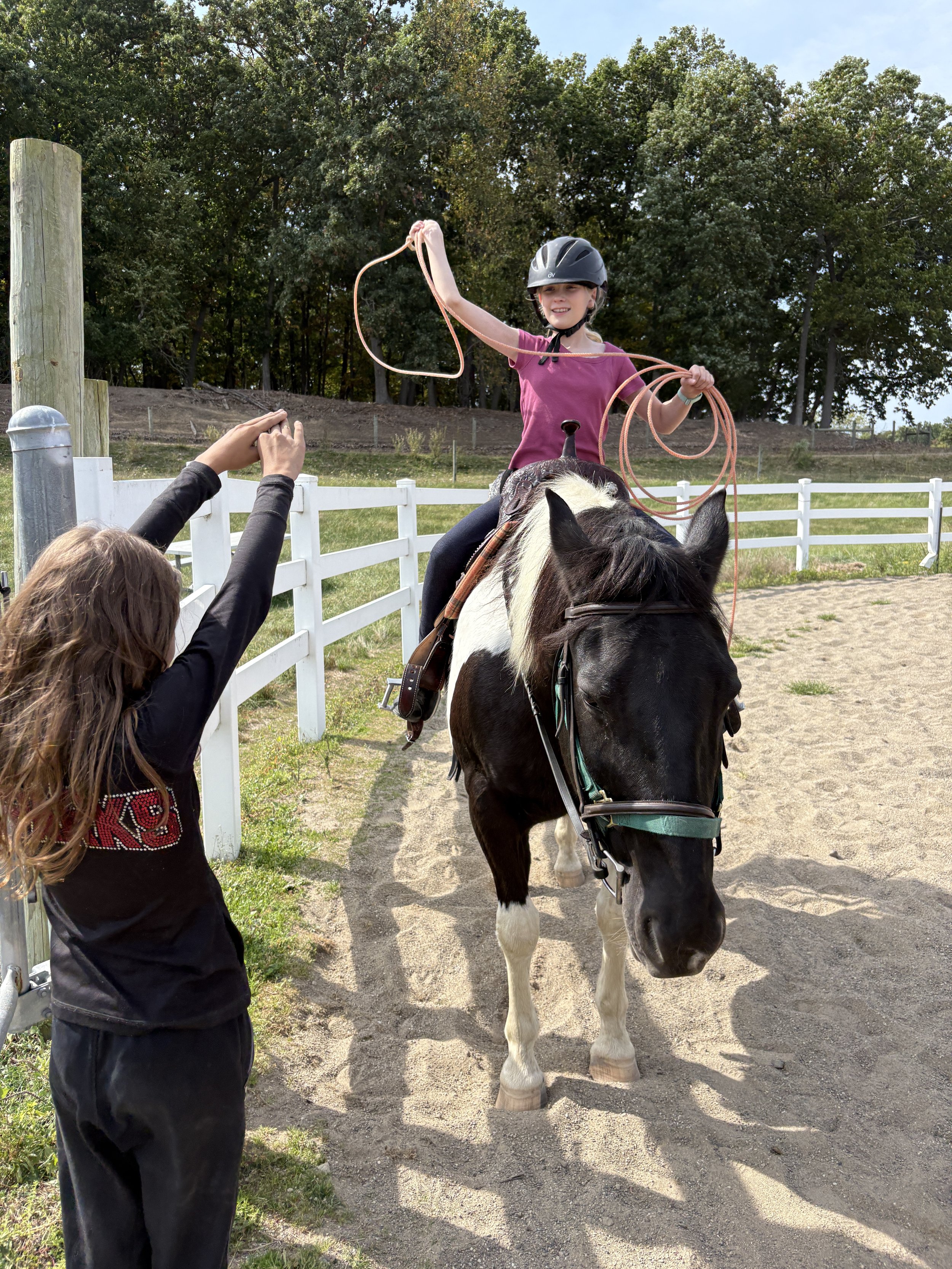
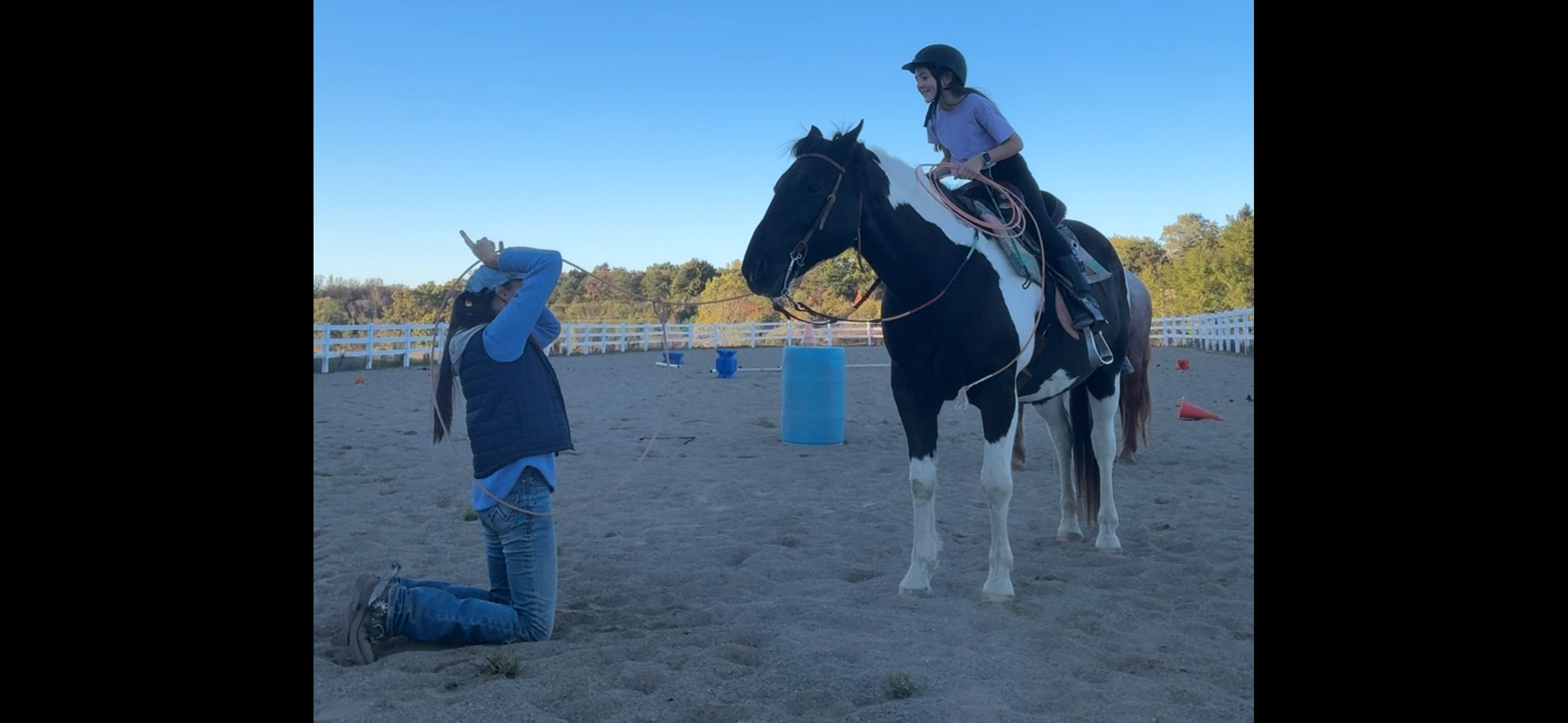
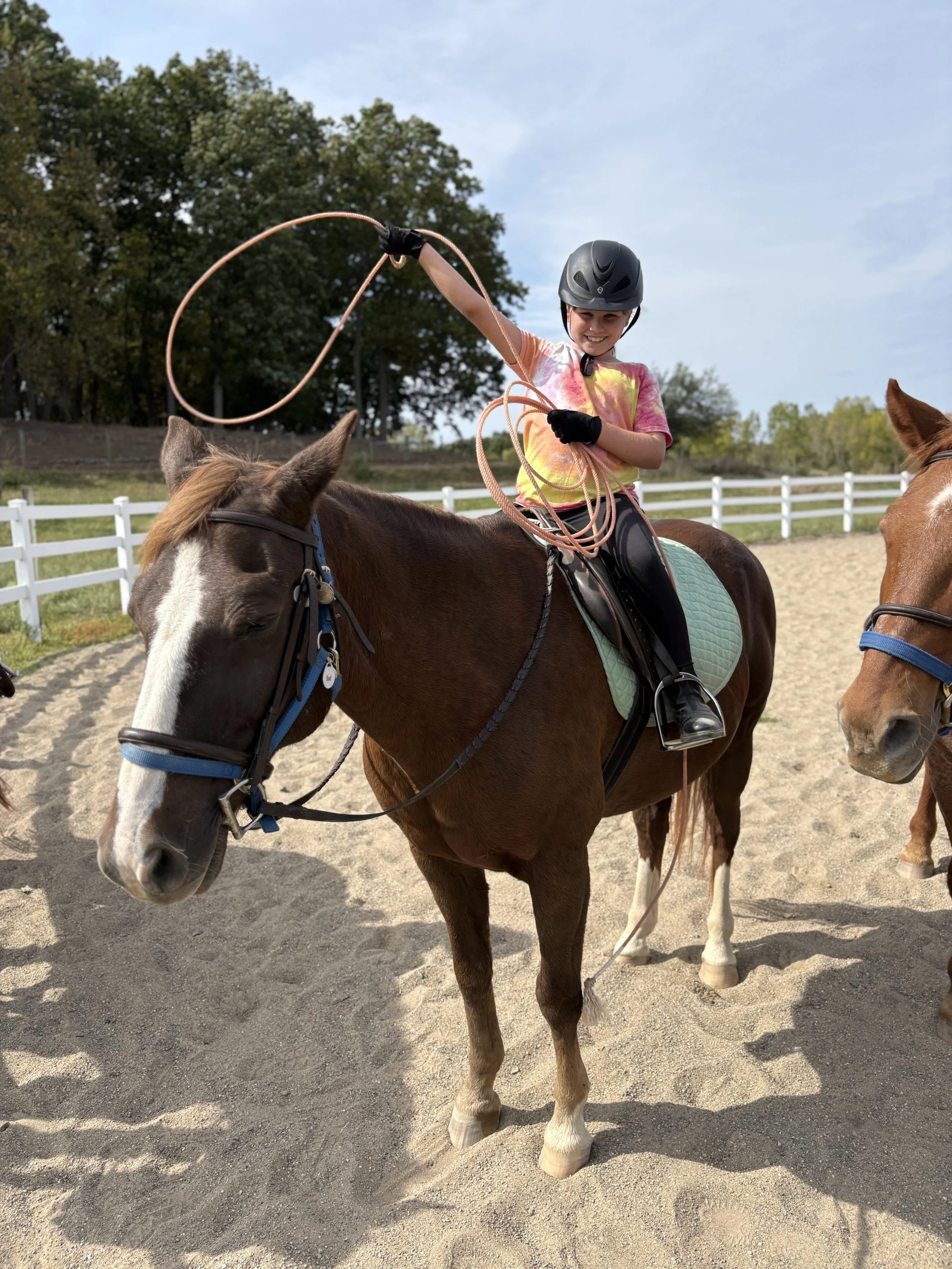
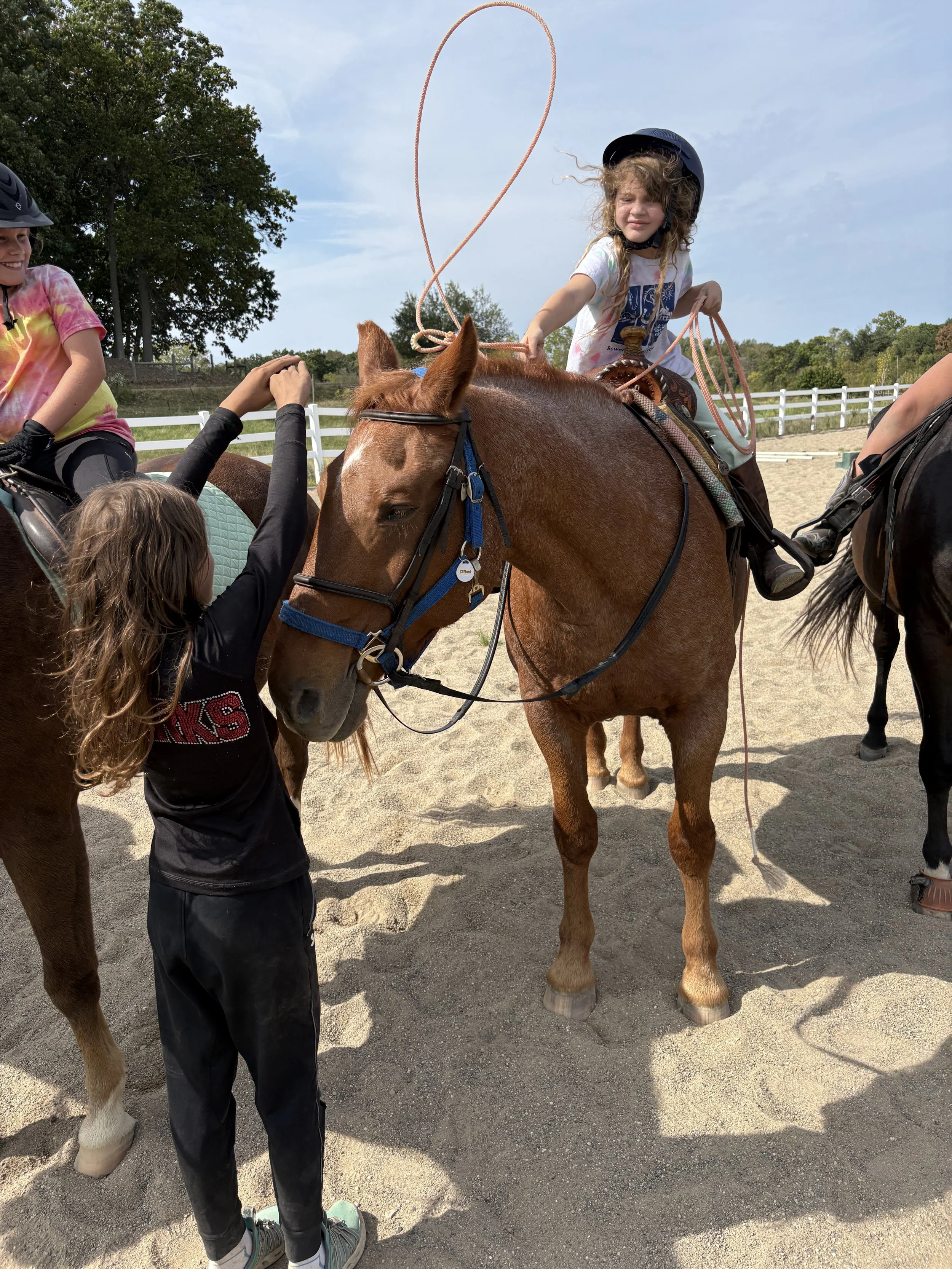
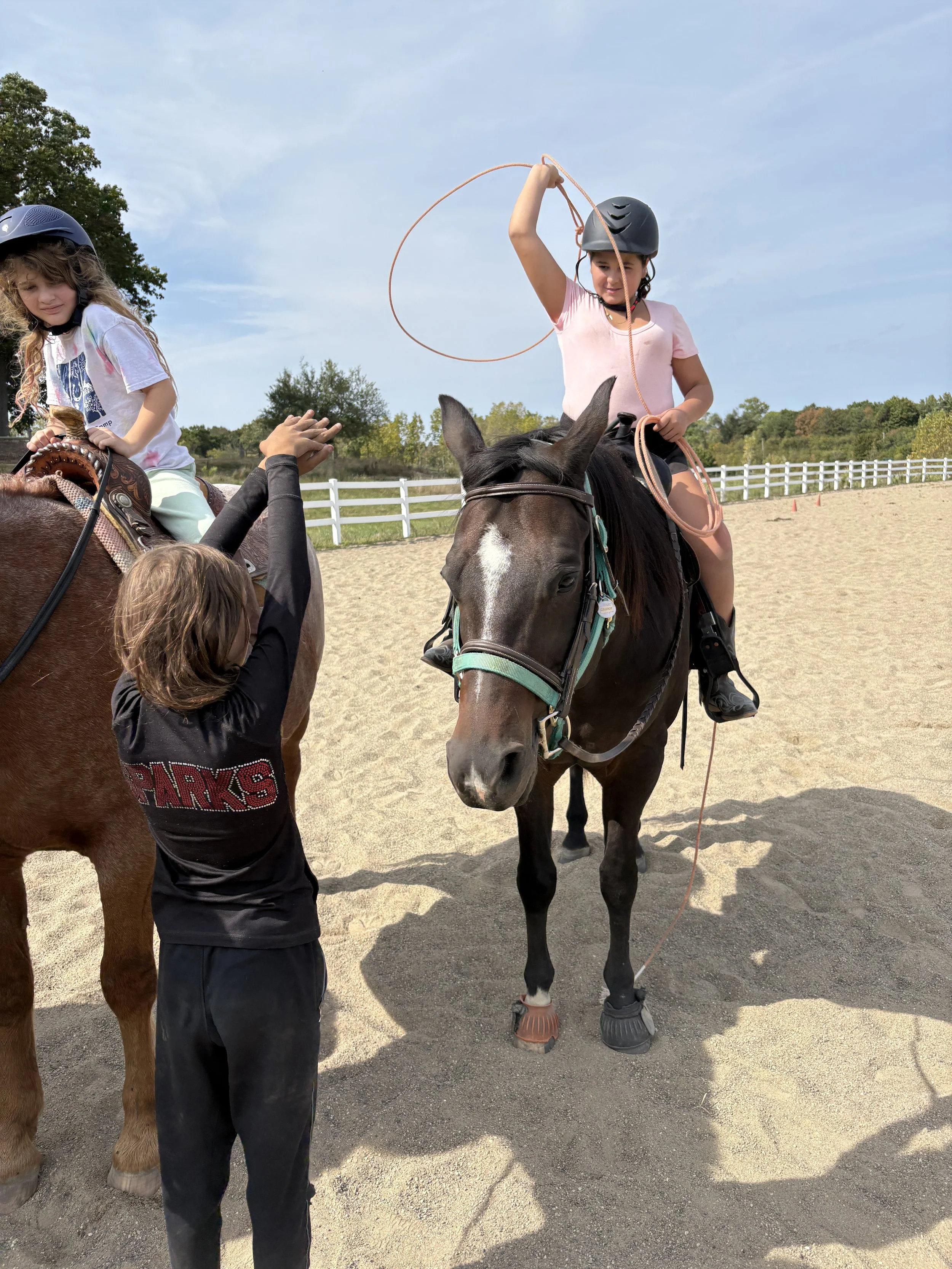
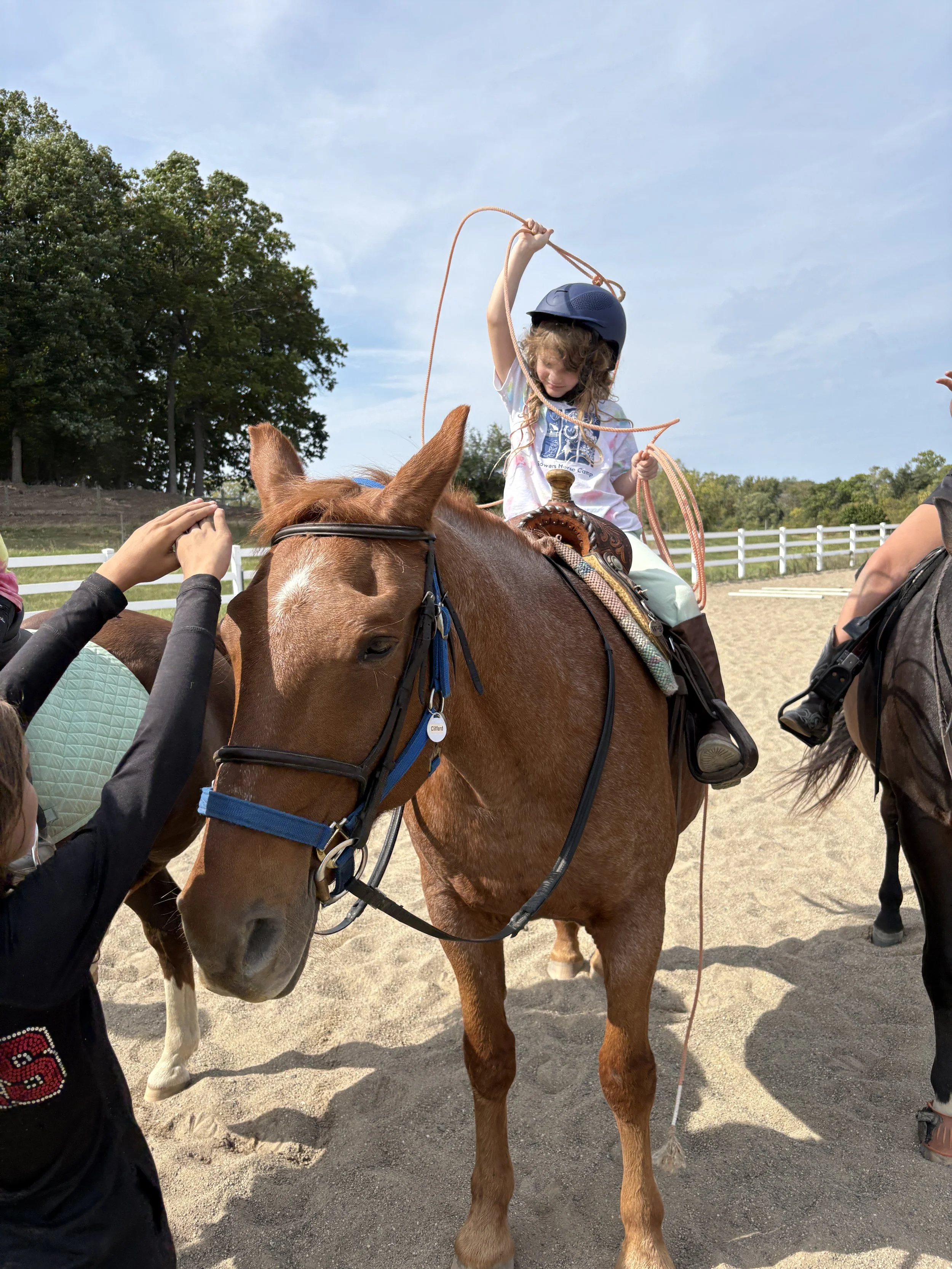
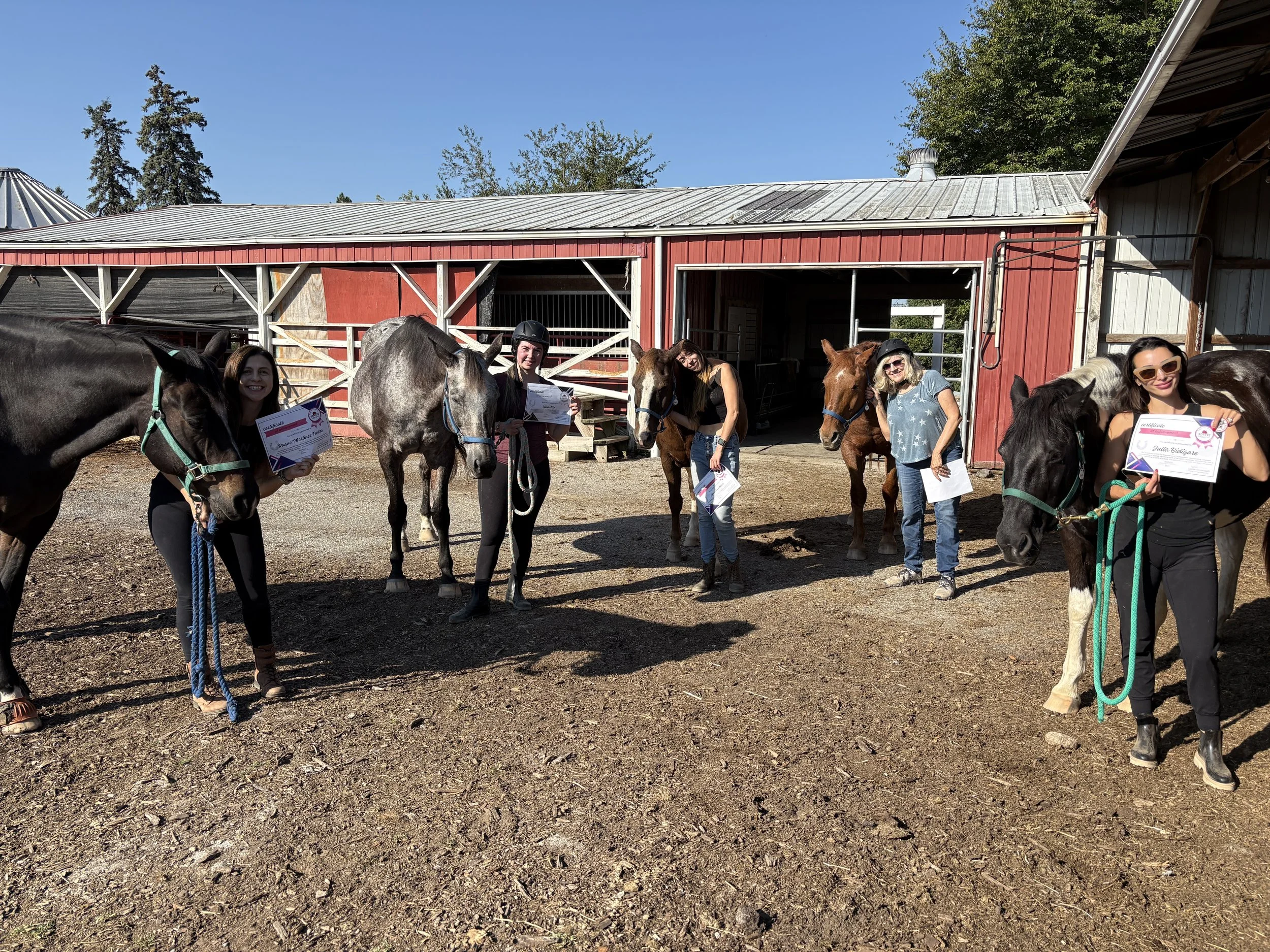
Our seasoned adult riders put on their cowgirl/guy hats and tried roping this week! Swinging a lasso isn’t just fun (and hilarious) – it also builds coordination and confidence. Plus, who doesn’t love pretending to be in a rodeo?
🐎 Beginner/Intermediate Adults:
These riders are building trust with their horses and learning:
Proper tacking (saddle and bridle like a champ)
Mounting/dismounting without panic
Solid basics like steering, stopping, and understanding horse movement
Developing an independent seat and relaxed posture
💬 “I didn’t realize my legs would be sore in places I didn’t know I had,” one adult student said this week. (Totally normal. Totally worth it.)
🧽 Pro Tips from the Barn:
🐎 Always approach a horse at the shoulder, never from behind.
🐴 Keep your grooming tools clean – horses appreciate it!
🧵 Check tack before every ride – saddle security = safety!
🥕 Yes, horses love carrots. No, they don’t love fingers. Feed with a flat palm!
🎉 That’s a Wrap for Week One!
It’s been a week full of firsts, fun, and lots of horse hair. (Seriously, you’ll find it in your socks, purses and probably your dreams.)
We’re so proud of all our students for kicking off the Fall session with energy, courage, and curiosity. Stay tuned for Week Two where we’ll dive deeper into riding skills, horse anatomy, tack care.
Until then – heels down, eyes up, and ride on!
🐎💬
Happy Trails!
Ms. Lou
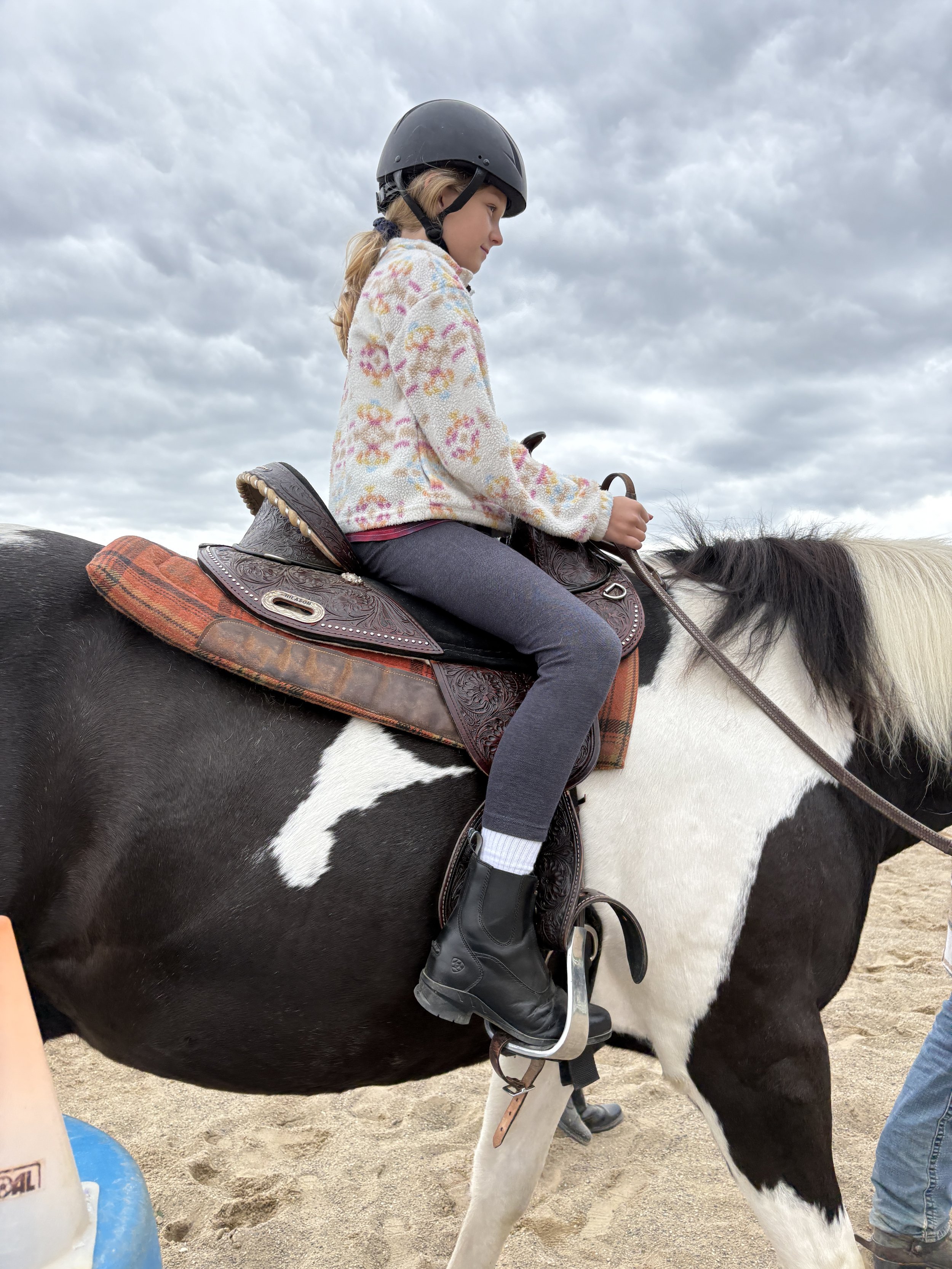
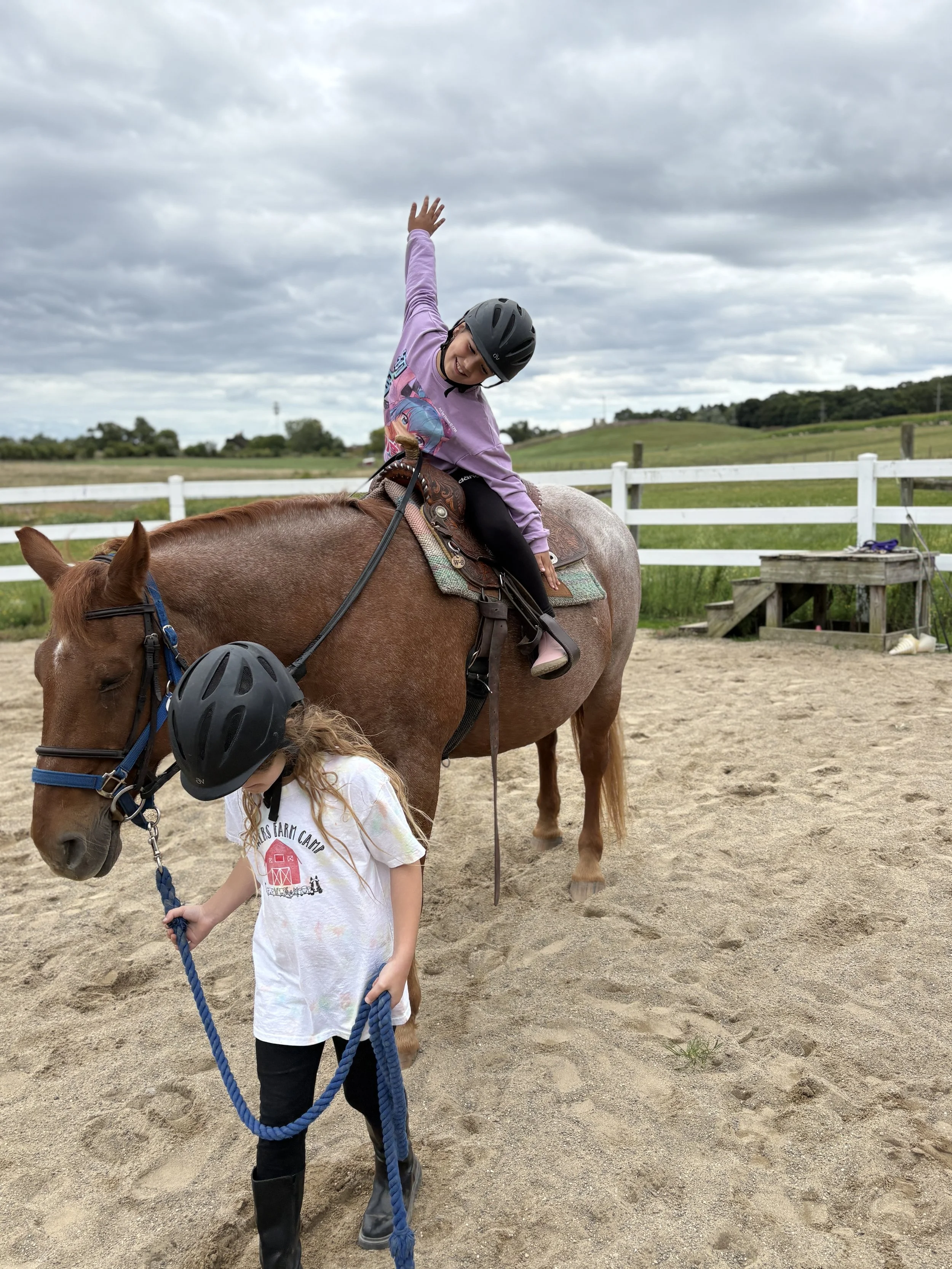
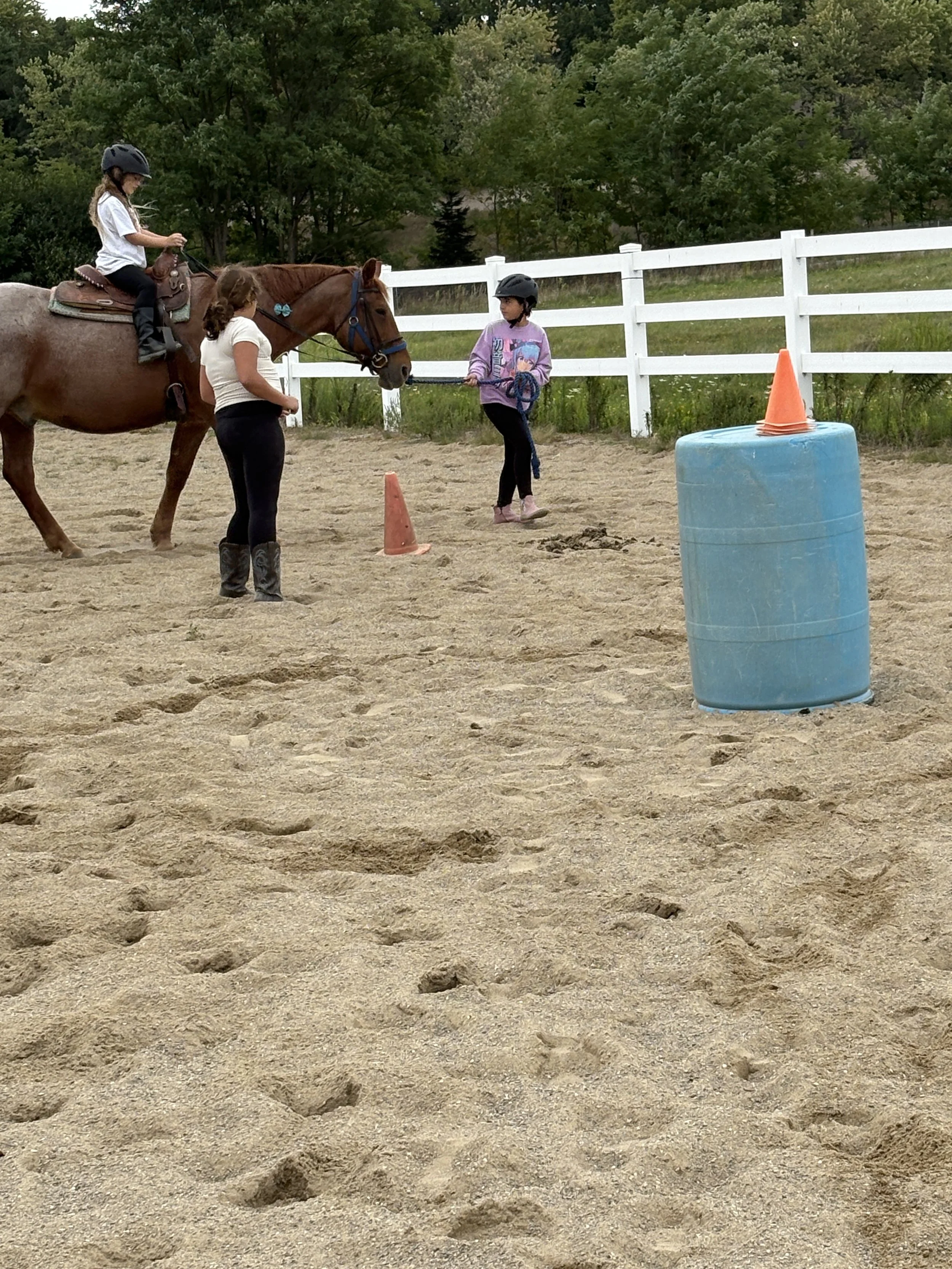
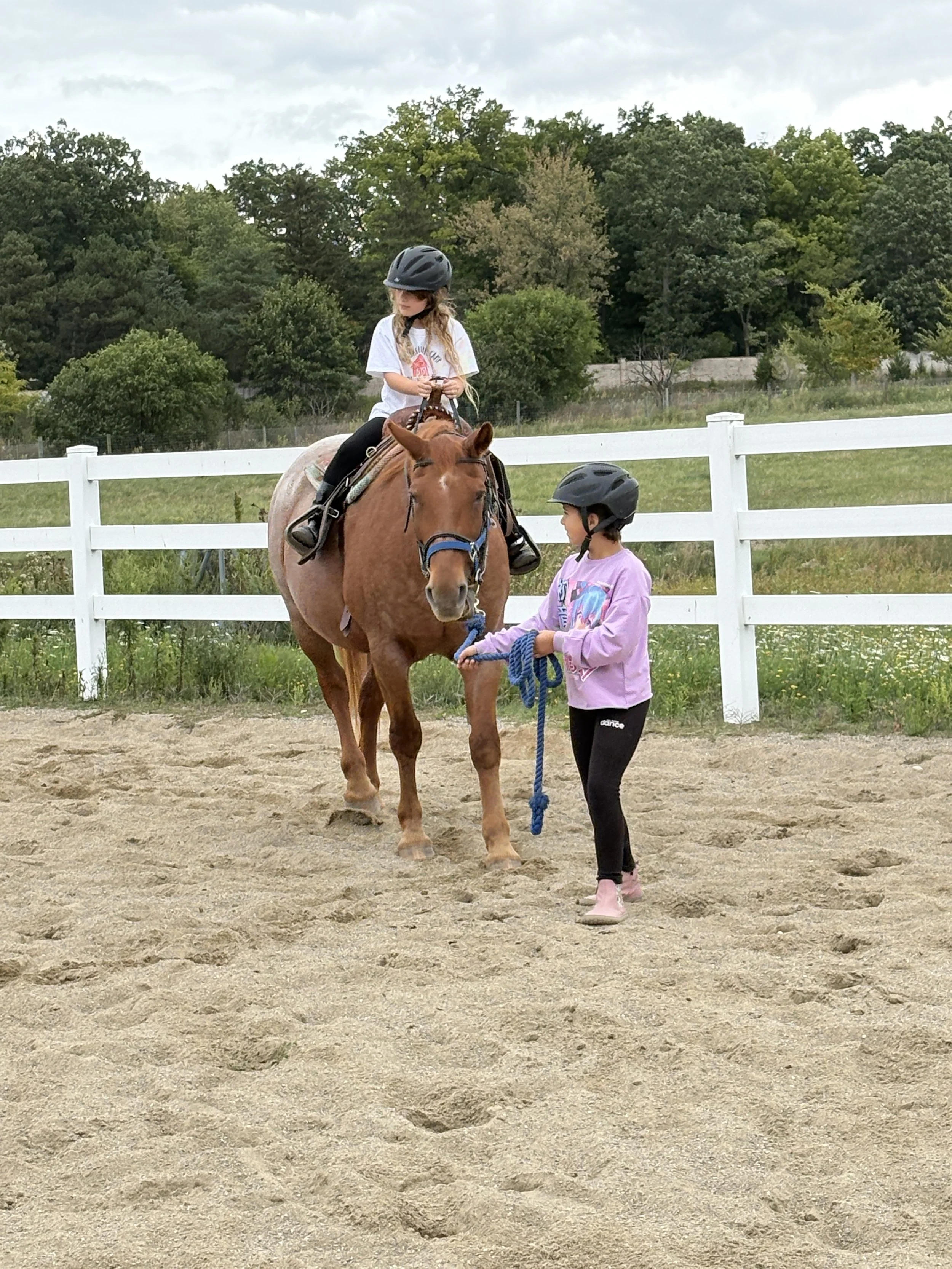
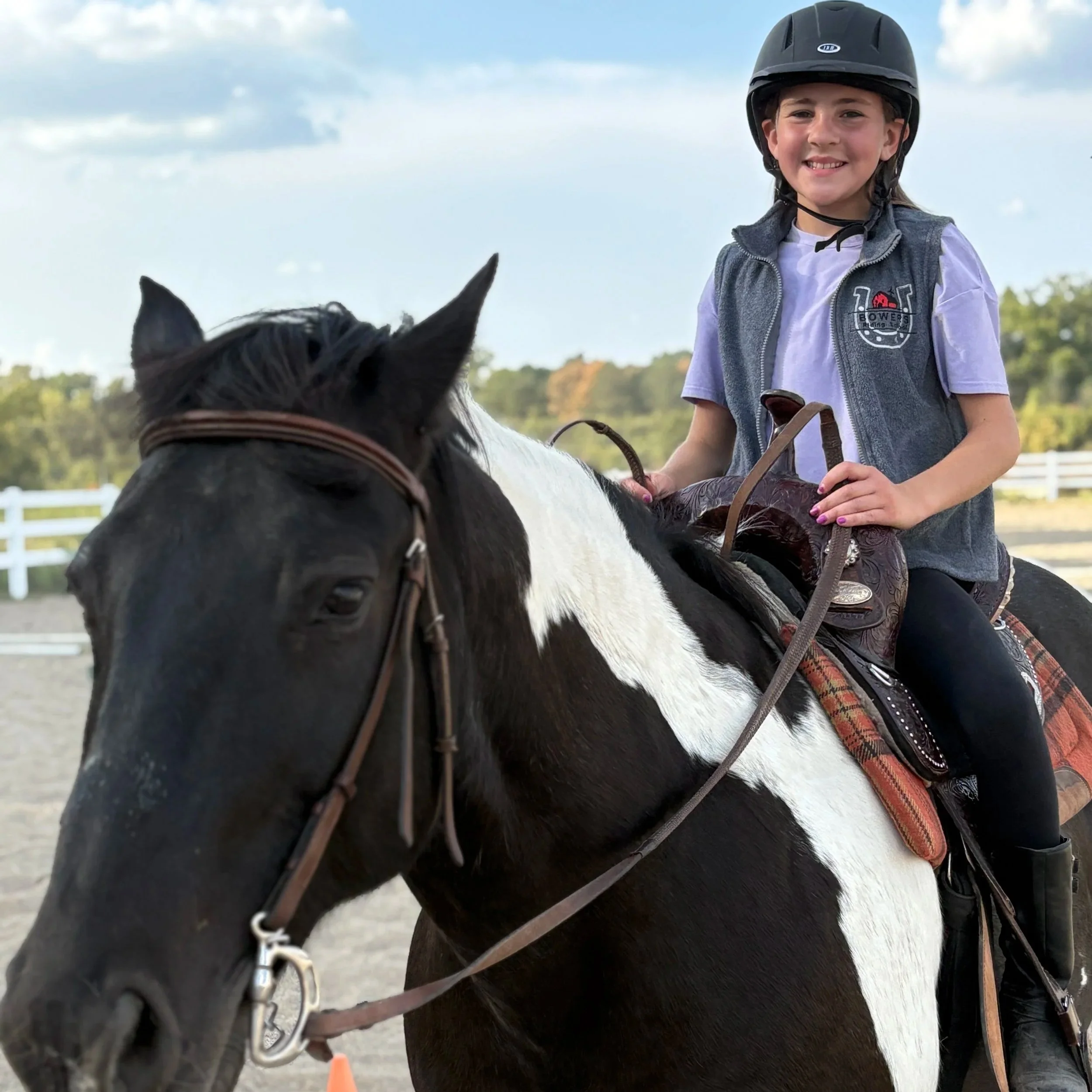
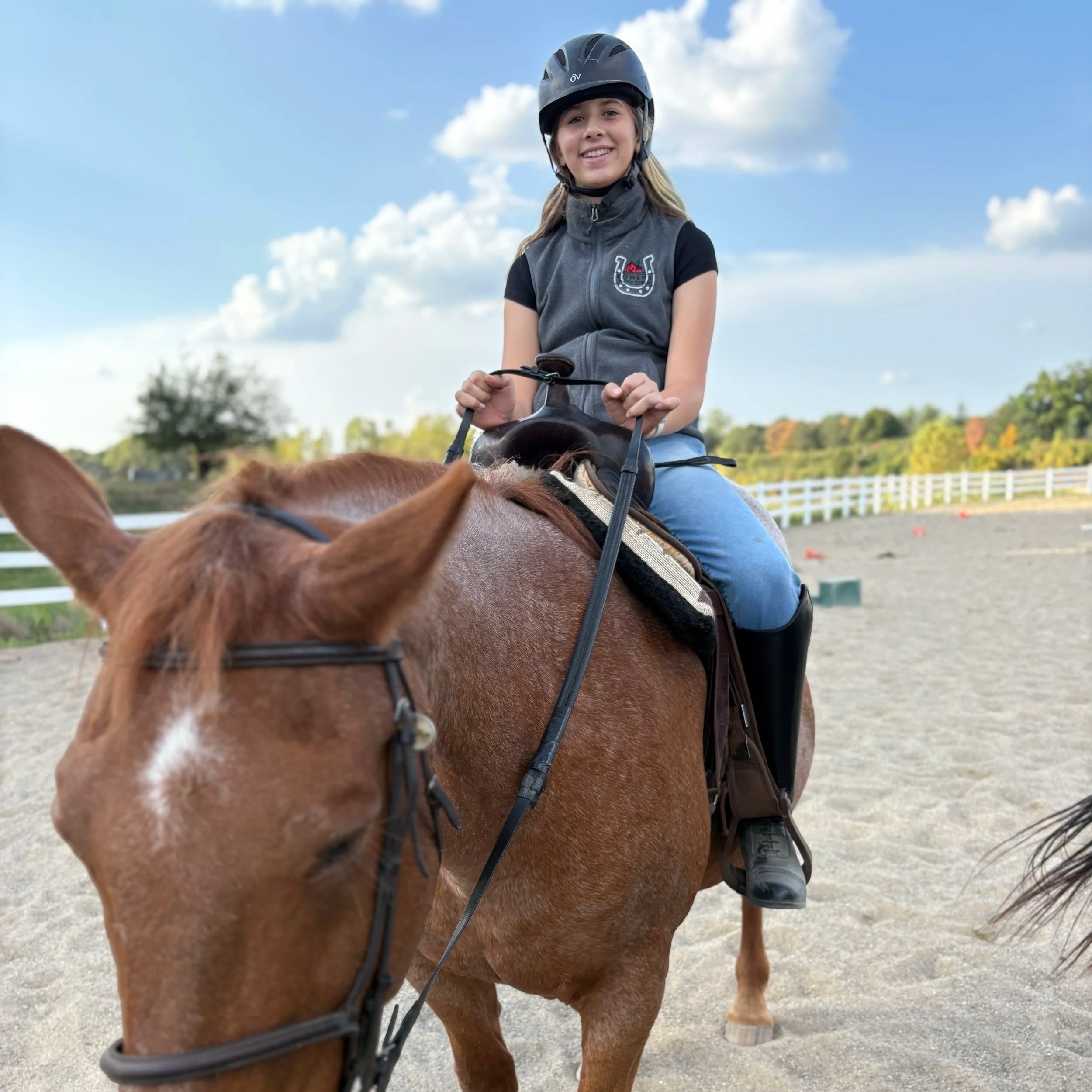
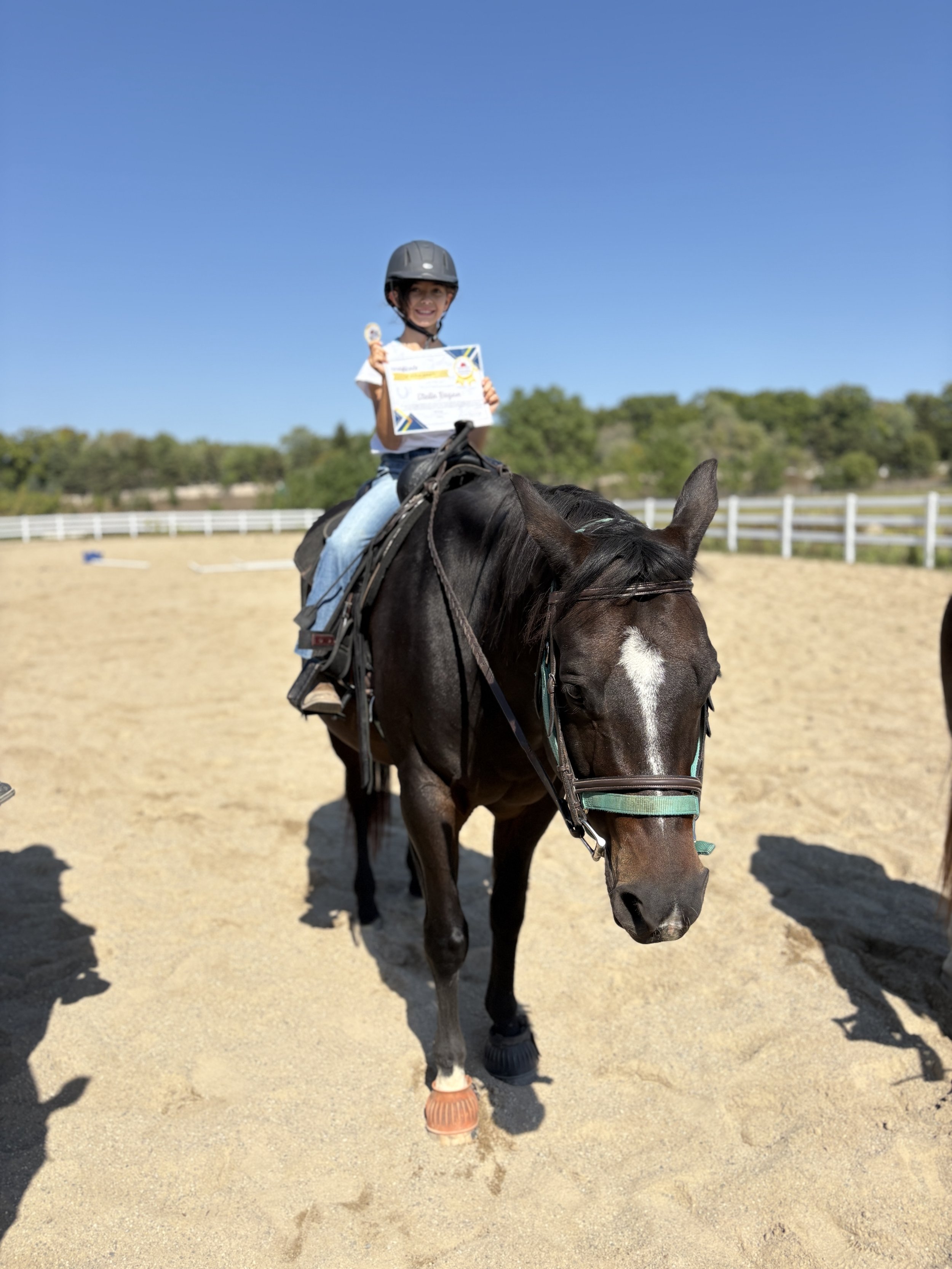
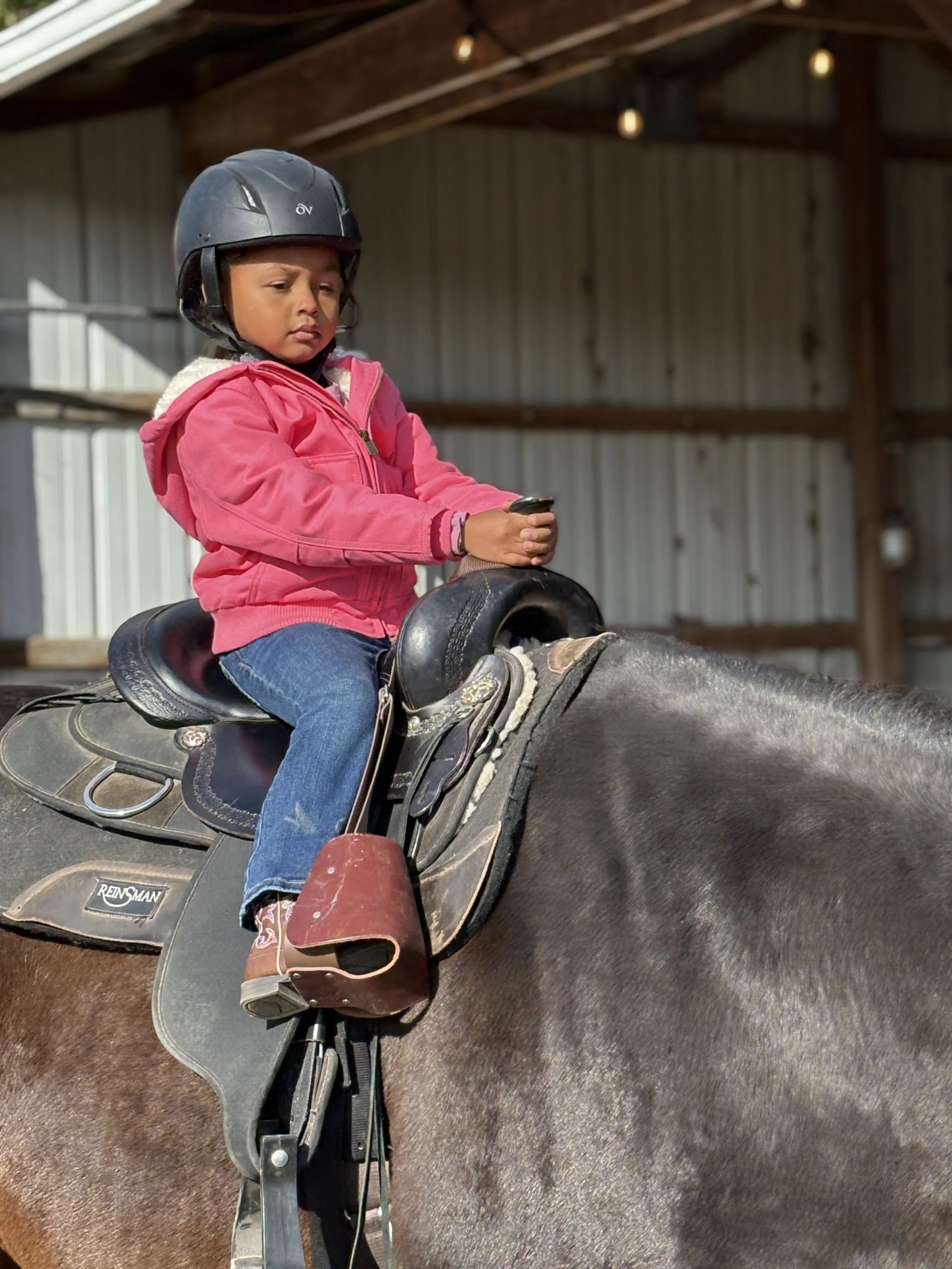
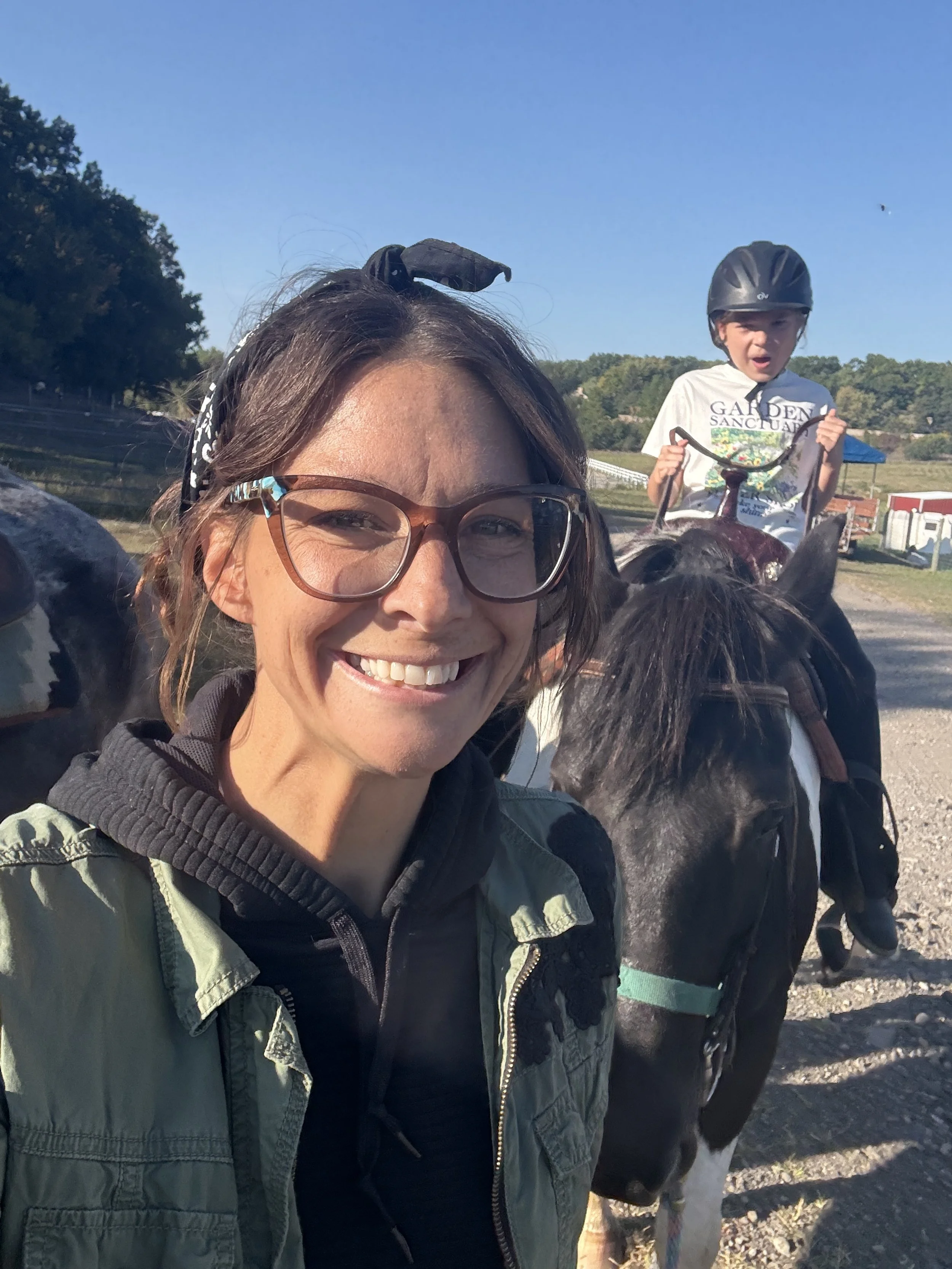
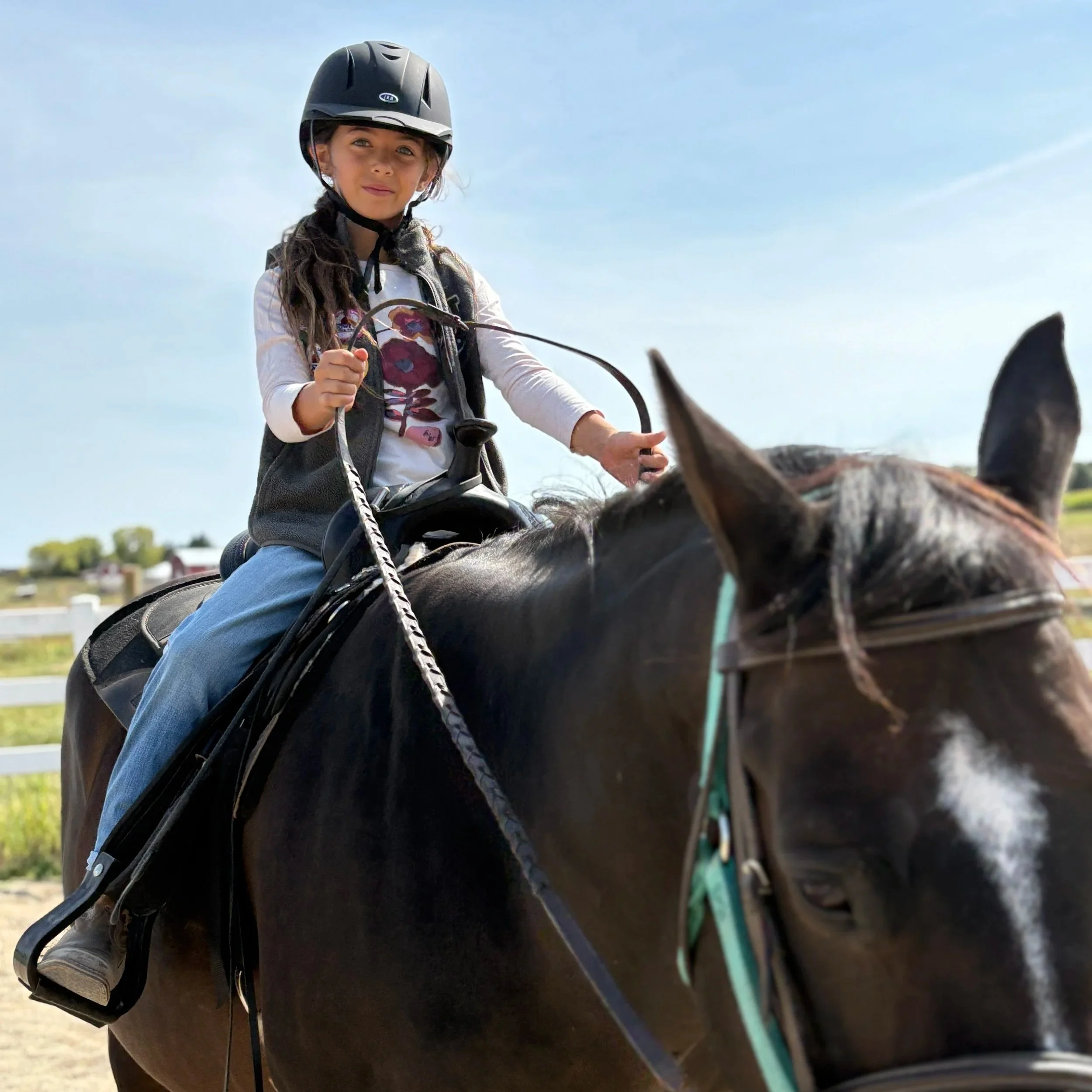
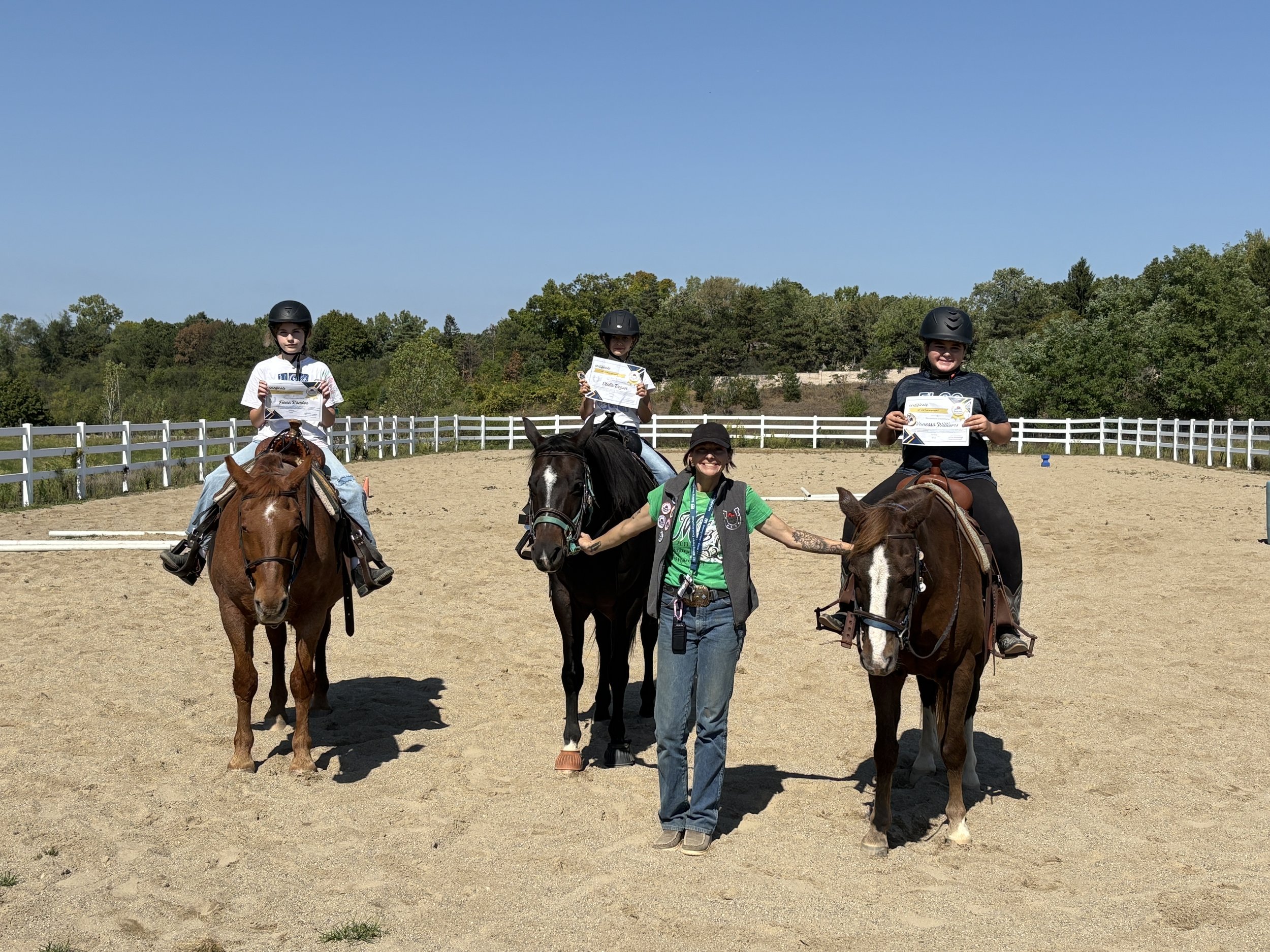
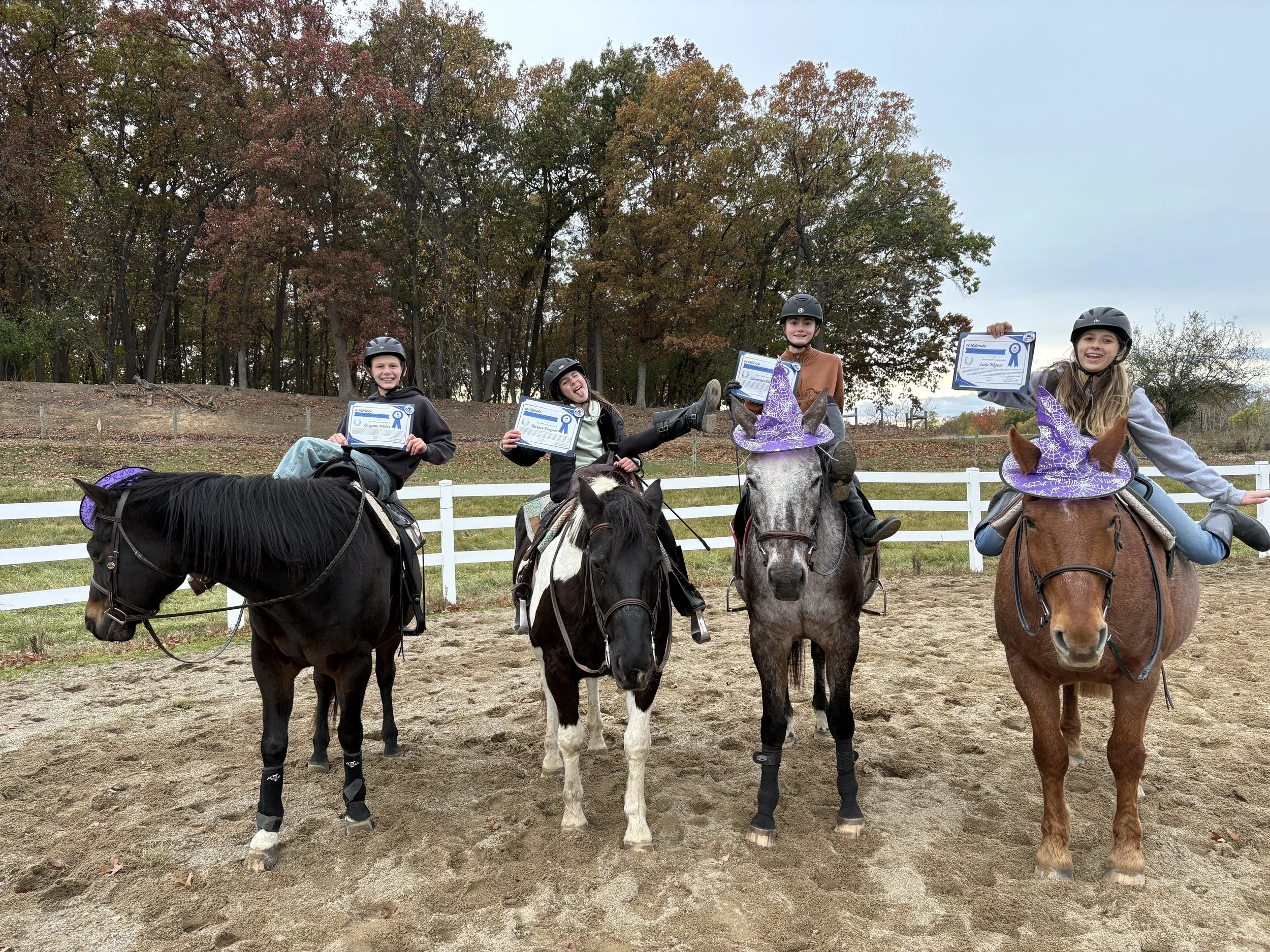
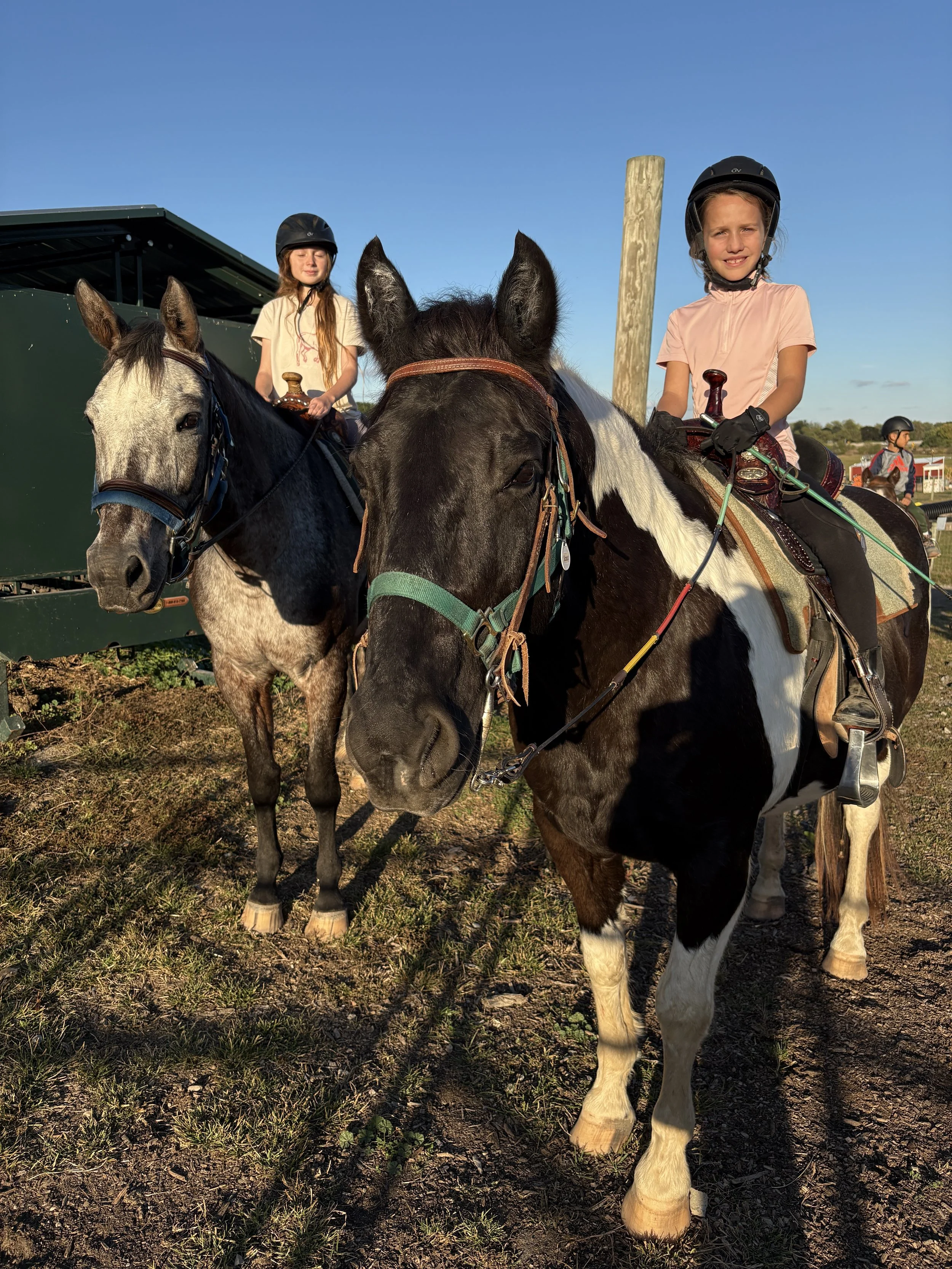
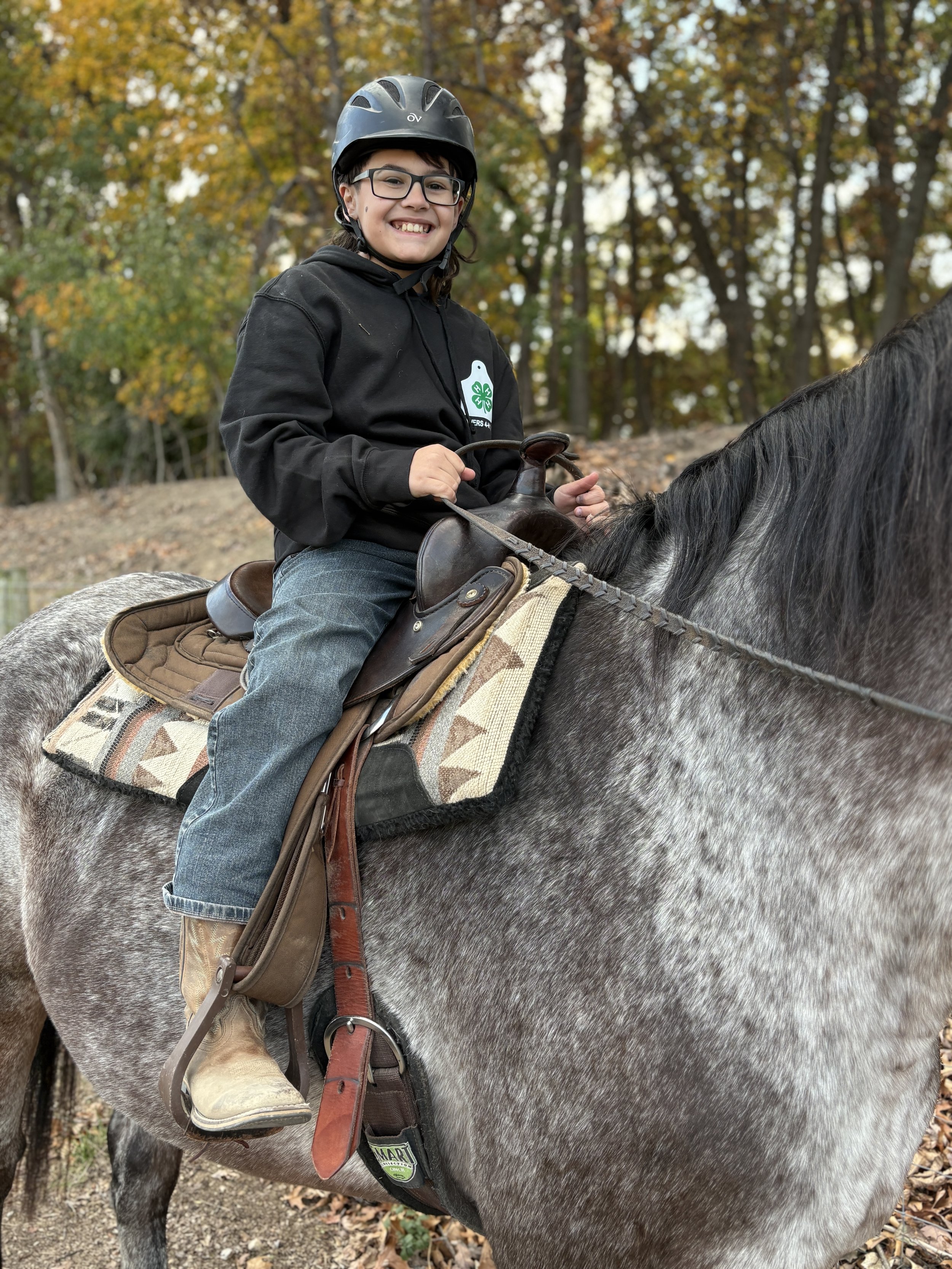
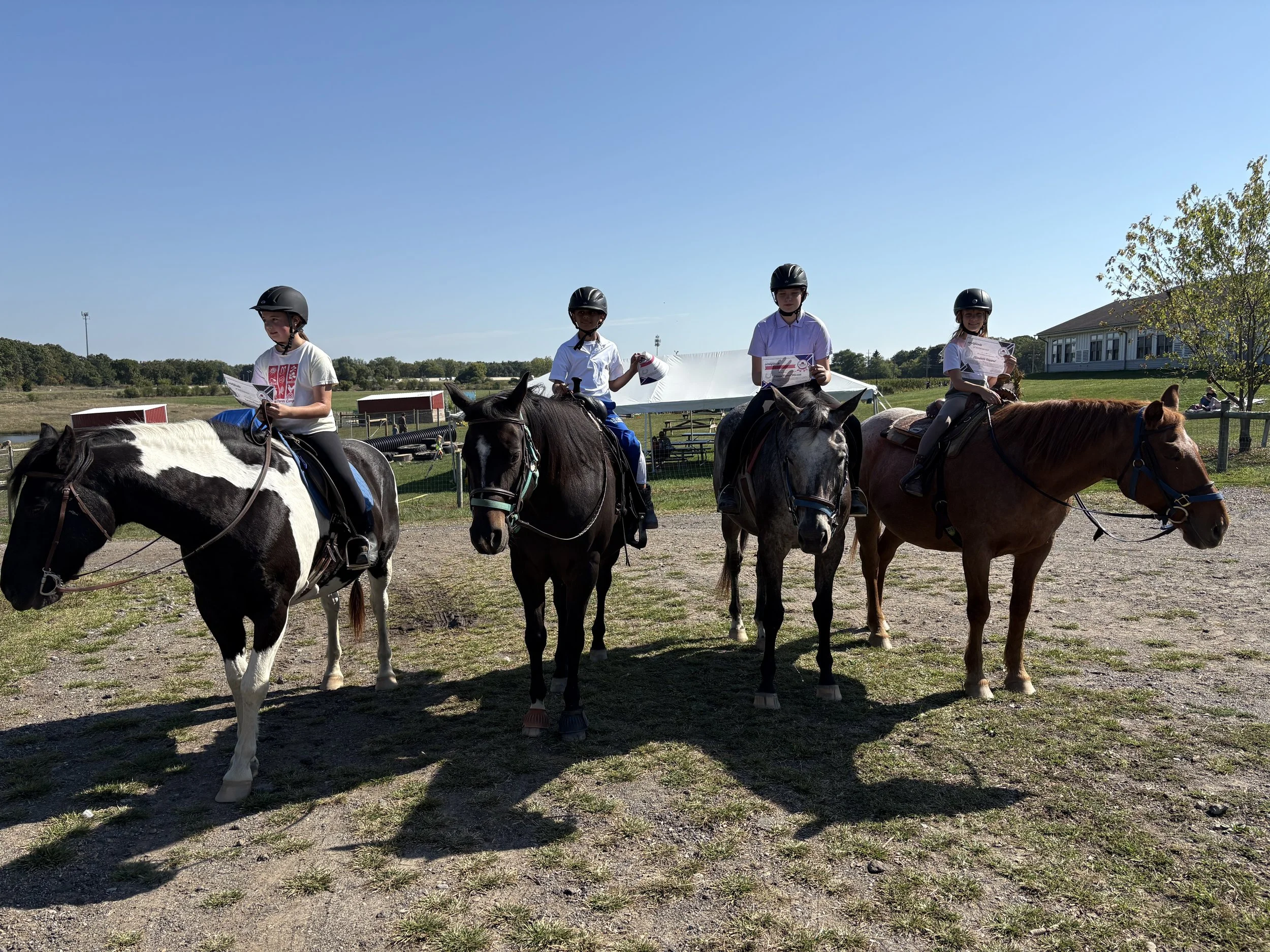
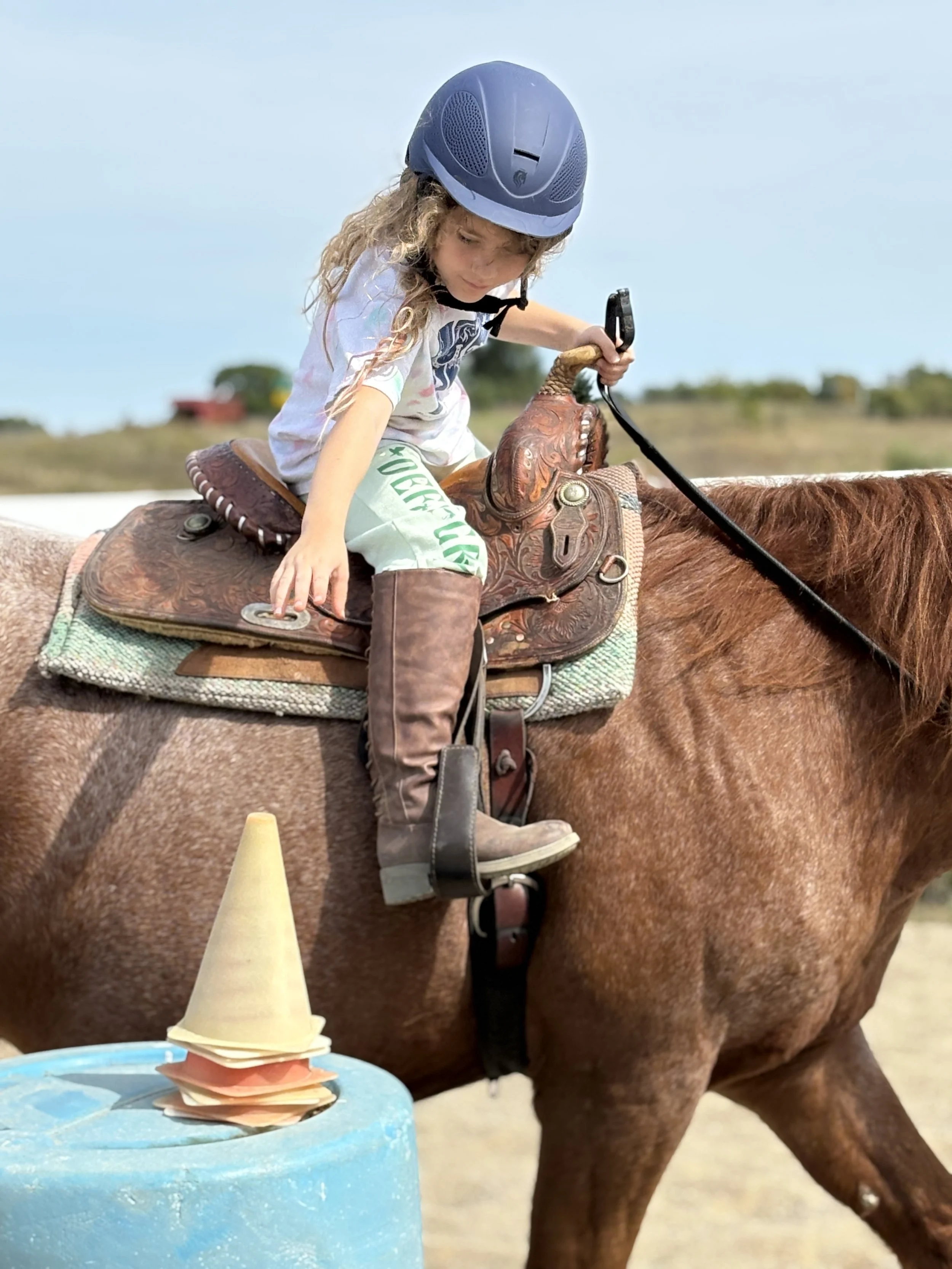
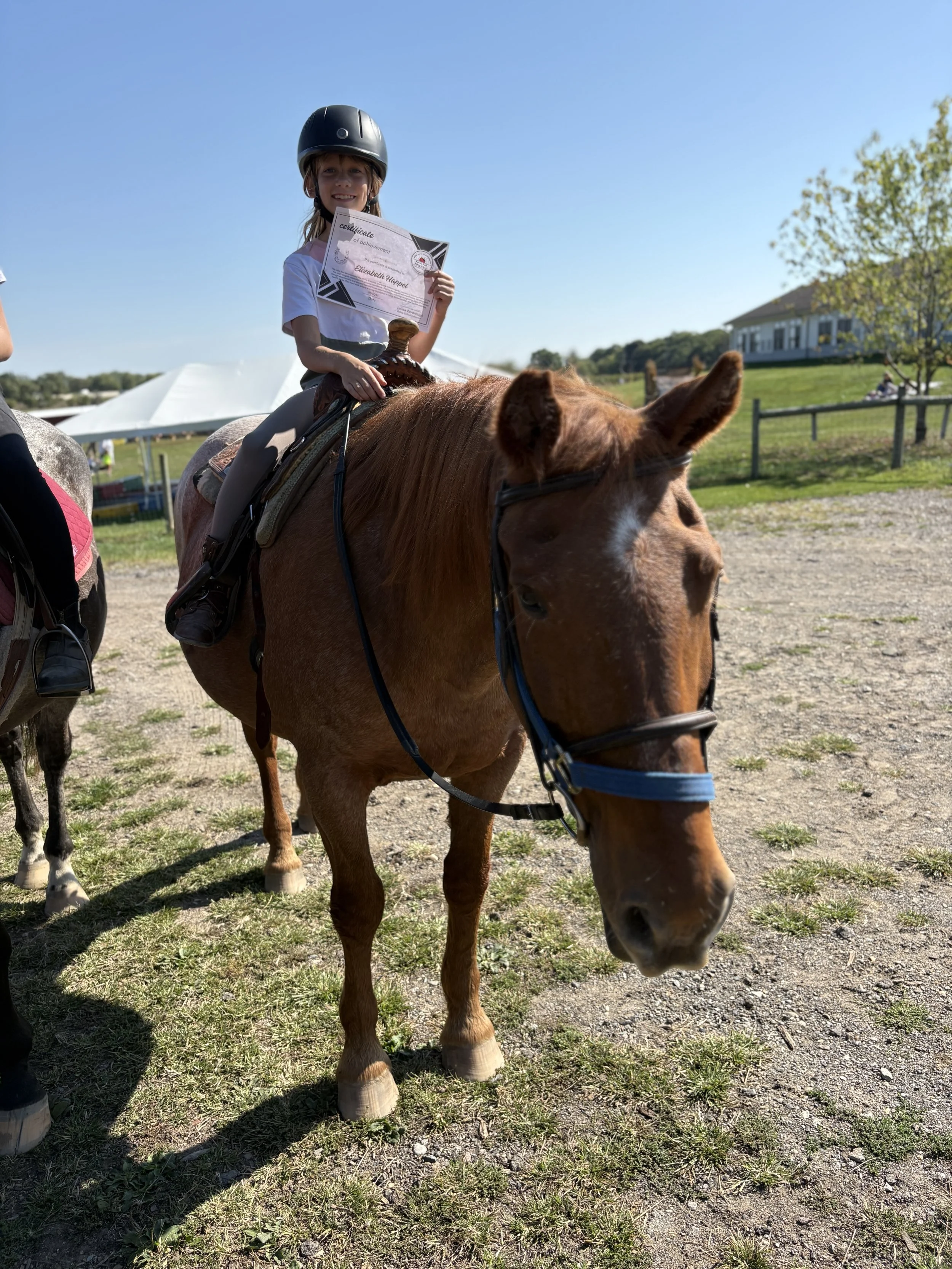
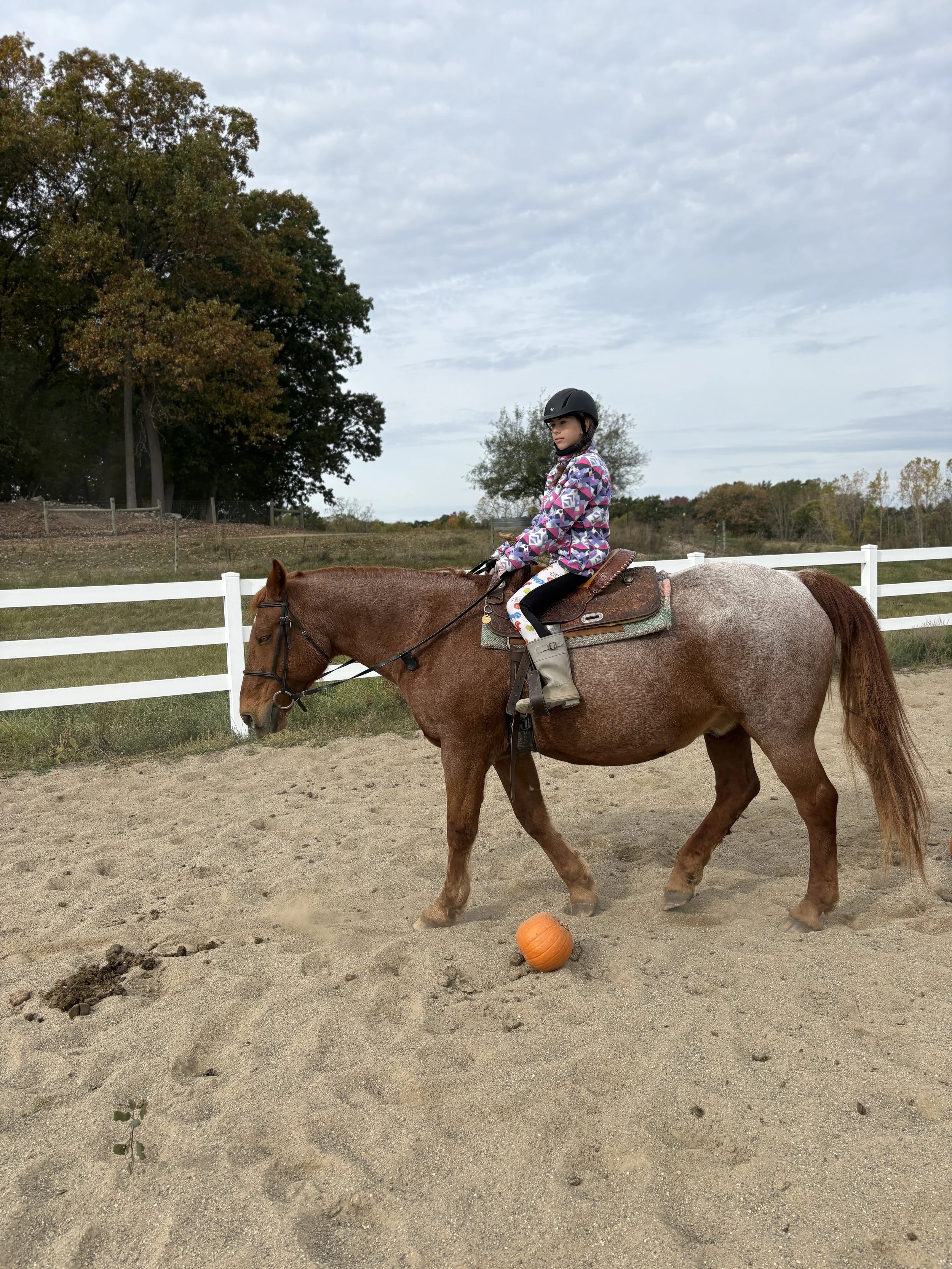
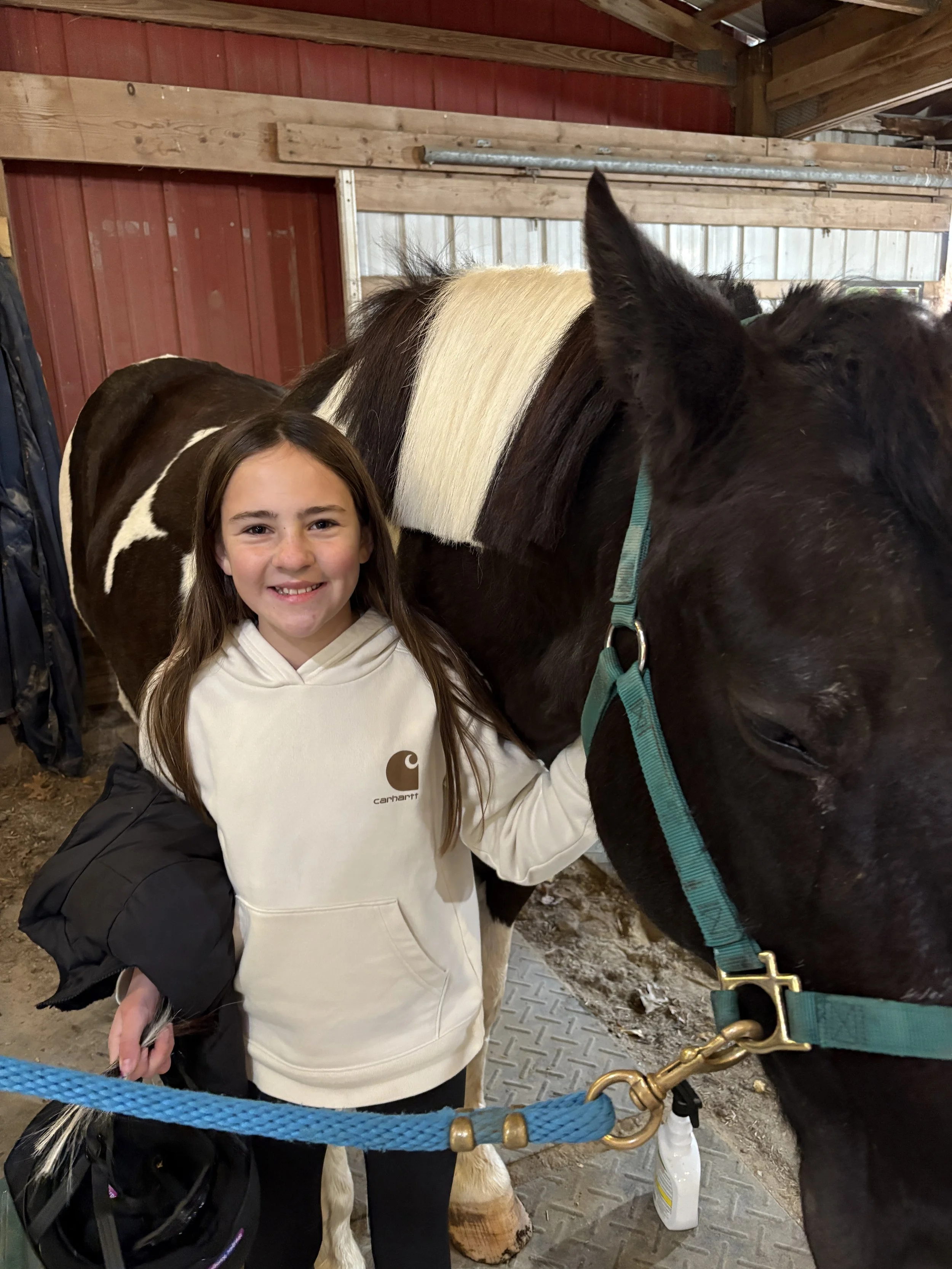
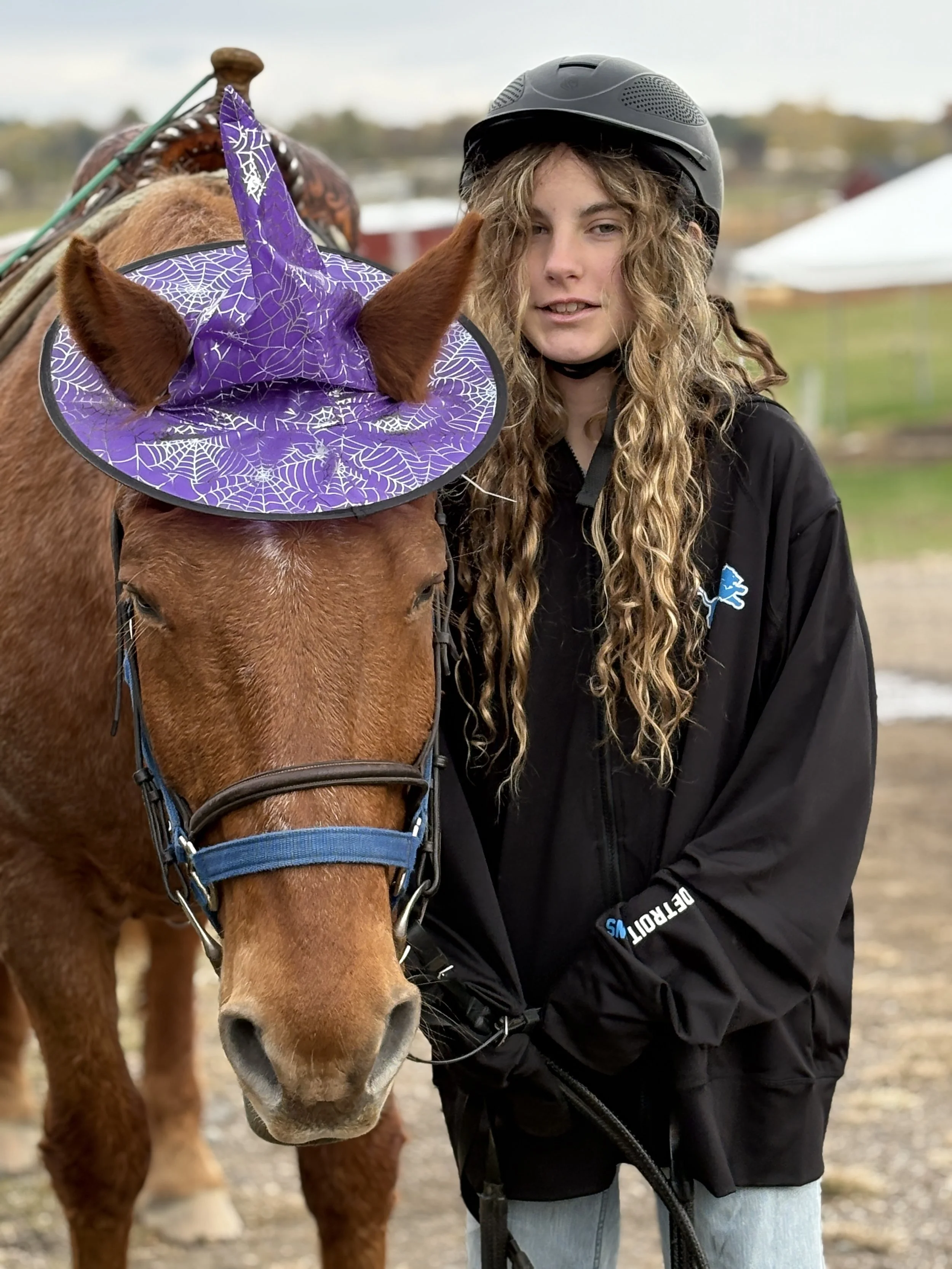
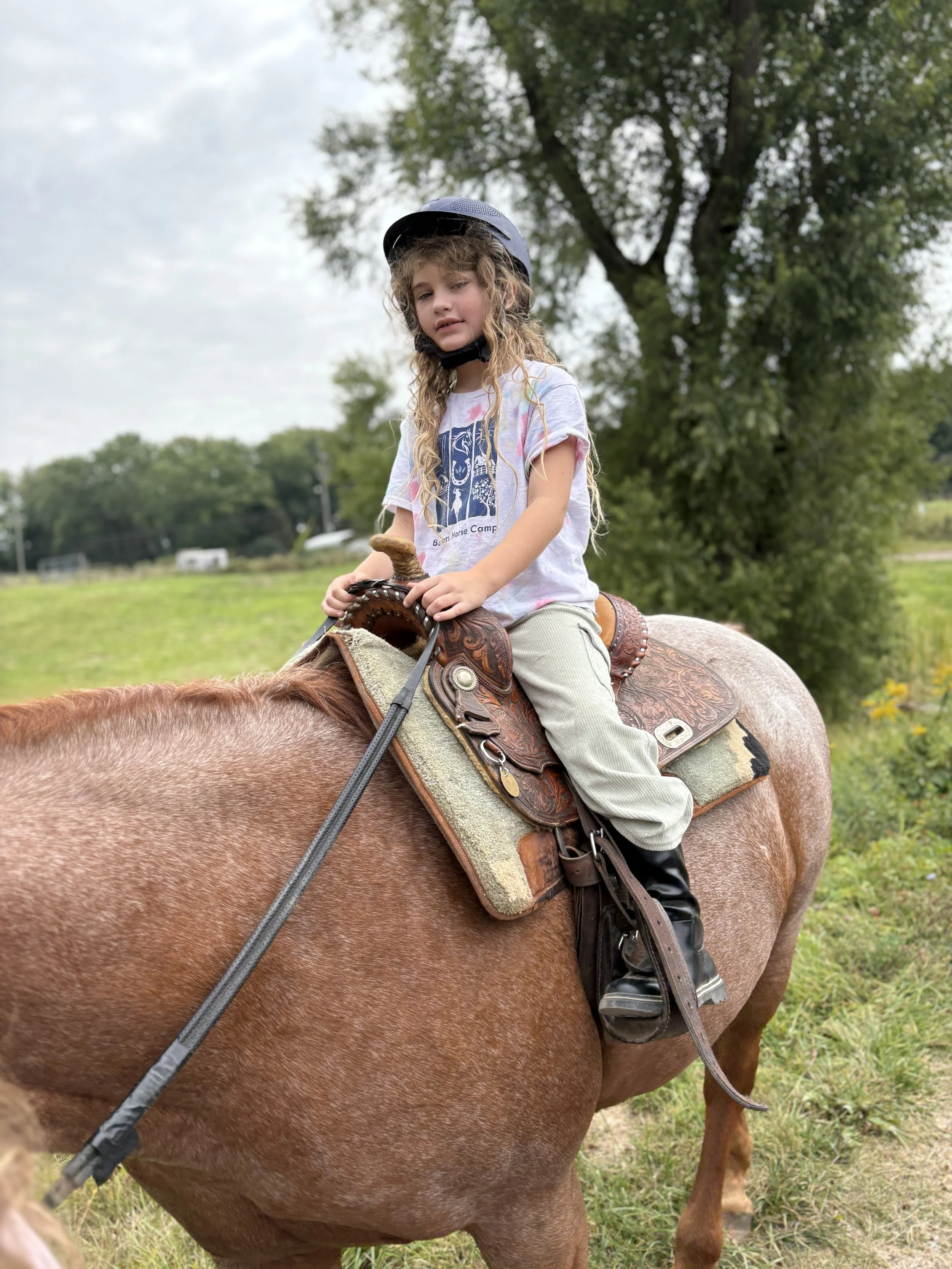
📸 Snapshots from the Saddle: Week 1 Photo Highlights!